Calming Puzzle Toys to Help Kids Wind Down
A parent-focused guide to calming puzzle toys that support quiet focus after school or before bed. Learn what to look for, age fit, and low-stimulation puzzle types for kids ages 6–8.
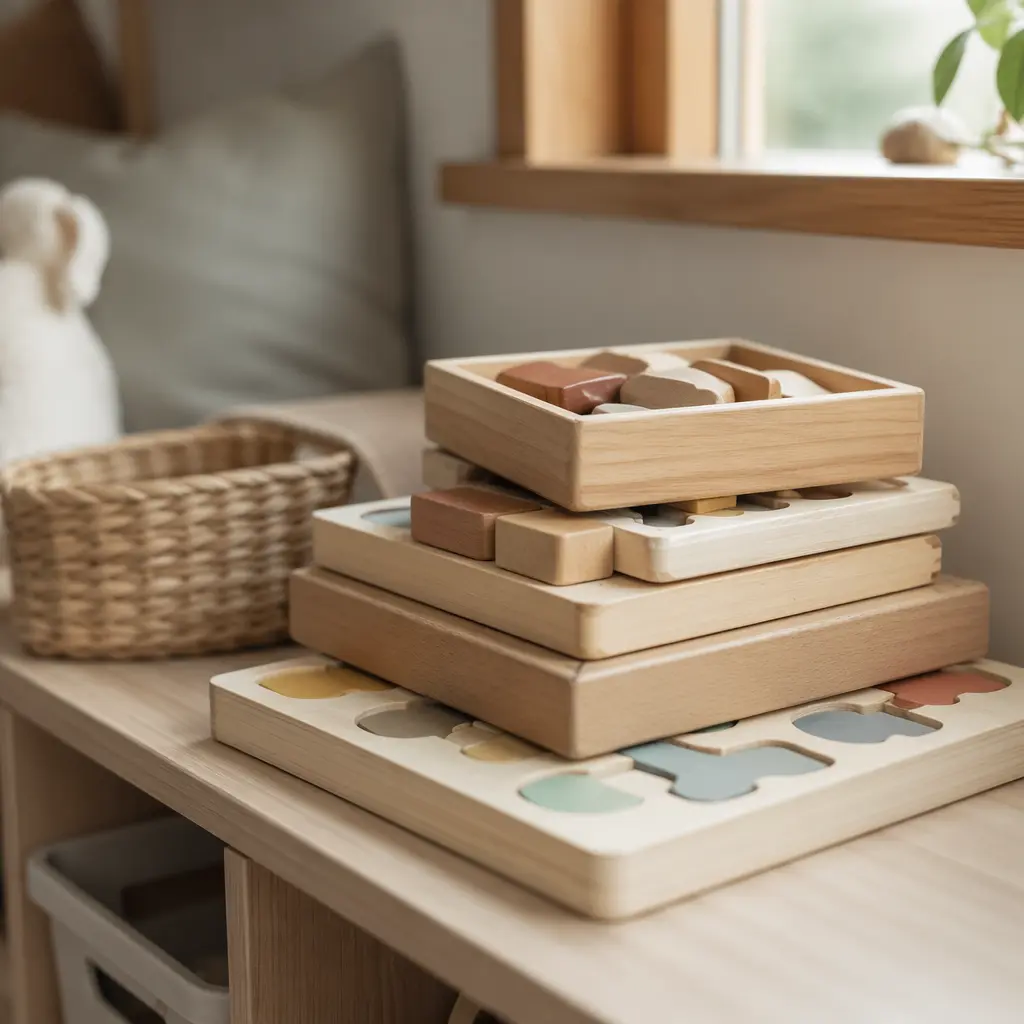
Compare prices and availability
Check current prices and availability for this guide on eBay.
As an eBay Partner, we may be compensated if you make a purchase.
After a busy school day, many kids need help shifting from high energy to a calmer state. For children ages 6–8, puzzle toys can be a useful part of that transition. The right puzzles offer gentle mental engagement without screens, loud sounds, or competitive pressure. Used during quiet time or as part of a bedtime routine, calming puzzle toys can support focus, patience, and emotional regulation while still feeling enjoyable.
What to look for
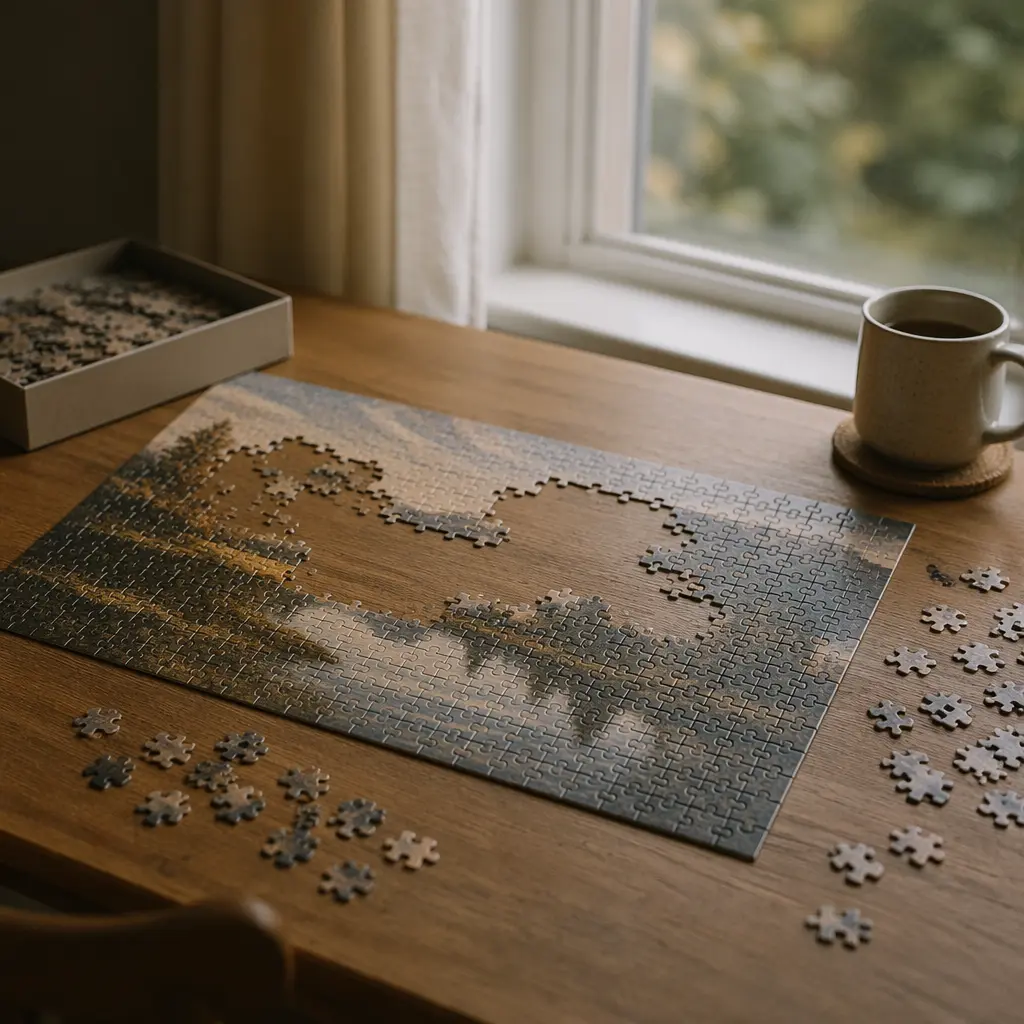
Not all puzzles feel calming. Some are brightly colored, timed, or designed to excite rather than settle. When choosing a puzzle for winding down, it helps to focus on design elements that reduce stimulation and encourage slow, steady problem-solving.
- Simple, uncluttered visuals with limited color palettes
- Sturdy pieces that feel good in the hands and don’t slip easily
- A clear goal without time limits or scoring systems
- Quiet materials such as wood, thick cardboard, or felt
- Difficulty that is engaging but not frustrating for the child’s age
Age suitability
For kids ages 6–8, calming puzzles should sit in a middle ground: more complex than early childhood puzzles, but not so challenging that they create stress. At this age, children can handle multi-step thinking and patterns, yet they still benefit from clear structure. Puzzles with too many tiny pieces or abstract rules may be better saved for daytime play, while simpler logic or spatial puzzles often work best for evenings.
Standout categories or types
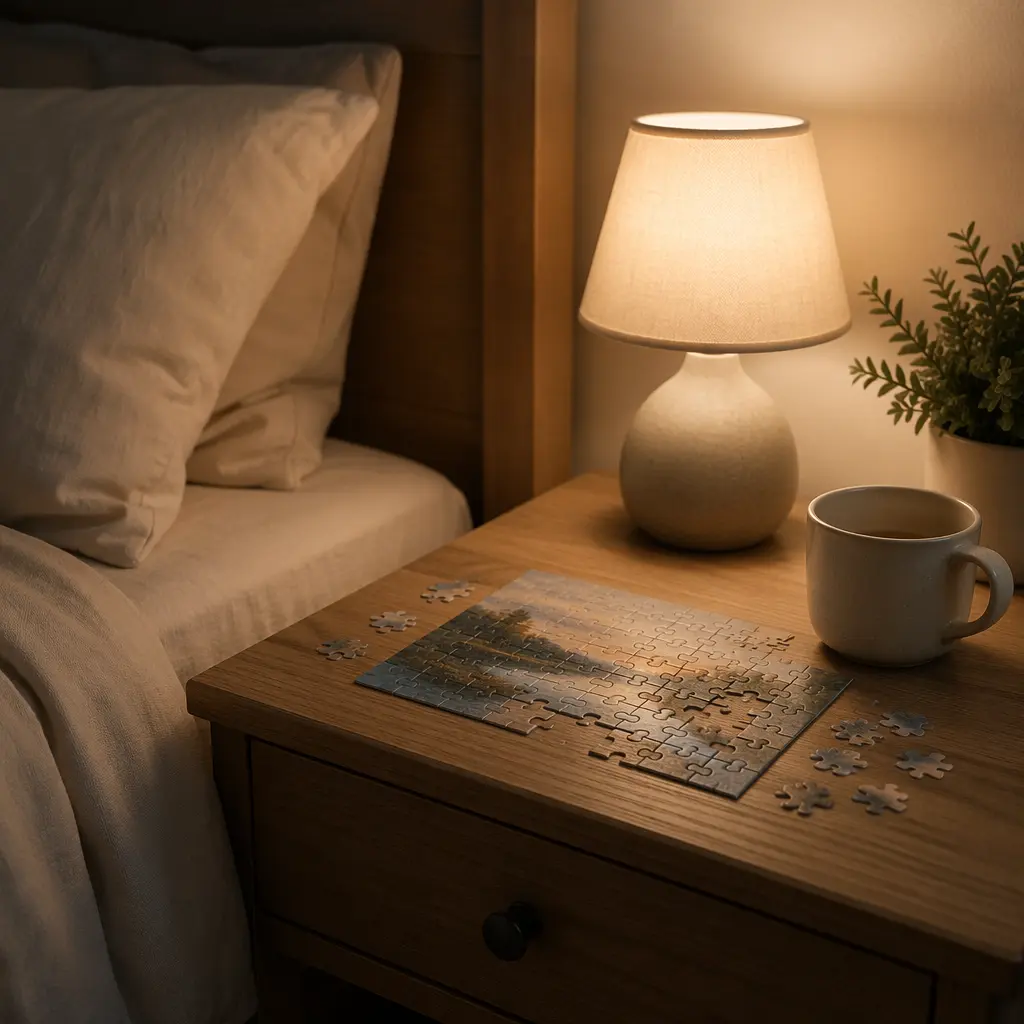
Certain puzzle styles are especially well suited for calming play. These options tend to encourage concentration without overstimulation and can be used independently or alongside a quiet routine like reading.
- Wooden logic puzzles that require arranging or fitting pieces together
- Jigsaw-style puzzles with larger pieces and peaceful imagery
- Pattern or sequence puzzles that focus on matching shapes or colors
- Tactile puzzles that involve sliding, sorting, or gentle manipulation
- Reusable activity boards that allow repeated calm play without noise
Frequently asked questions
Are puzzle toys better than screens for winding down?
For many children, yes. Puzzle toys don’t emit light or rapid movement, which can interfere with sleep readiness. They encourage focus and problem-solving at a slower pace, helping kids transition toward rest rather than stimulating them further.
How long should a child use a calming puzzle before bed?
Short sessions often work best. About 10–20 minutes is usually enough to help a child settle without becoming overtired. Watching for signs of fatigue or frustration can help parents decide when to wrap up.
What if my child gets frustrated easily?
Choosing the right difficulty level is key. Puzzles that are too hard can increase stress. Look for options with built-in guidance, fewer pieces, or multiple correct solutions so children can feel successful without pressure.
Can calming puzzles still support learning?
Yes. Many calming puzzles build skills like spatial reasoning, pattern recognition, and logical thinking. The difference is in the presentation: learning happens quietly and gradually, without the urgency or noise found in more stimulating toys.
Are these puzzles only for bedtime?
Not at all. While they’re useful before bed, calming puzzles can also work well during after-school downtime, quiet mornings, or breaks when a child needs a reset.
Calming puzzle toys won’t replace healthy routines like consistent bedtimes or limited screen use, but they can support those habits. By choosing puzzles designed for quiet focus and age-appropriate challenge, parents can give kids a simple, screen-free way to slow down and feel settled at the end of the day.