Best Low-Tech Strategy Puzzles for Teens
A parent-friendly guide to screen-free strategy puzzles for teens, focusing on replay value, challenge level, and skills like logic, planning, and problem-solving.
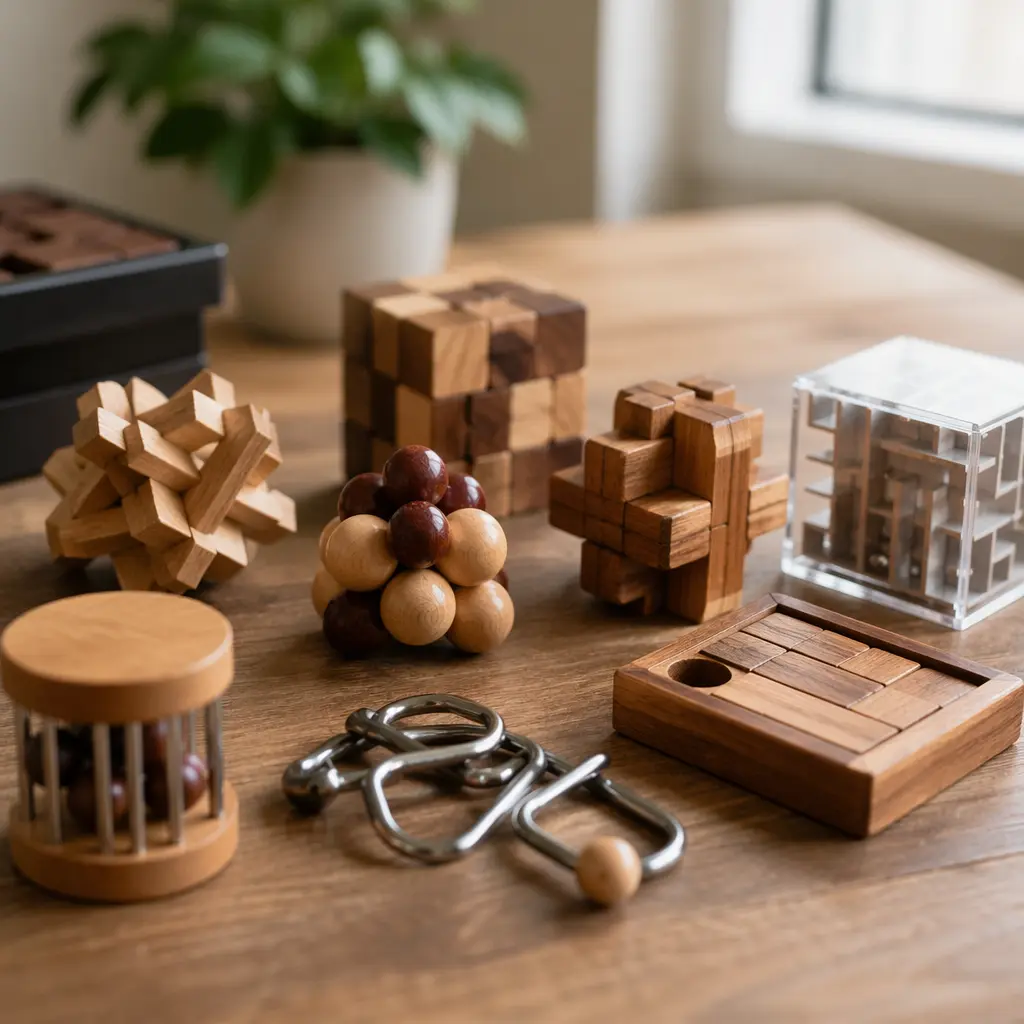
Compare prices and availability
Check current prices and availability for this guide on eBay.
As an eBay Partner, we may be compensated if you make a purchase.
As teens get older, finding activities that genuinely hold their attention without a screen can be a challenge. Low-tech strategy puzzles fill that gap by offering mental depth, clear rules, and the kind of challenge that invites repeat attempts. These puzzles rely on logic, planning, and pattern recognition rather than speed or flashy effects, making them a strong fit for teens who enjoy thinking a few steps ahead.
What to look for
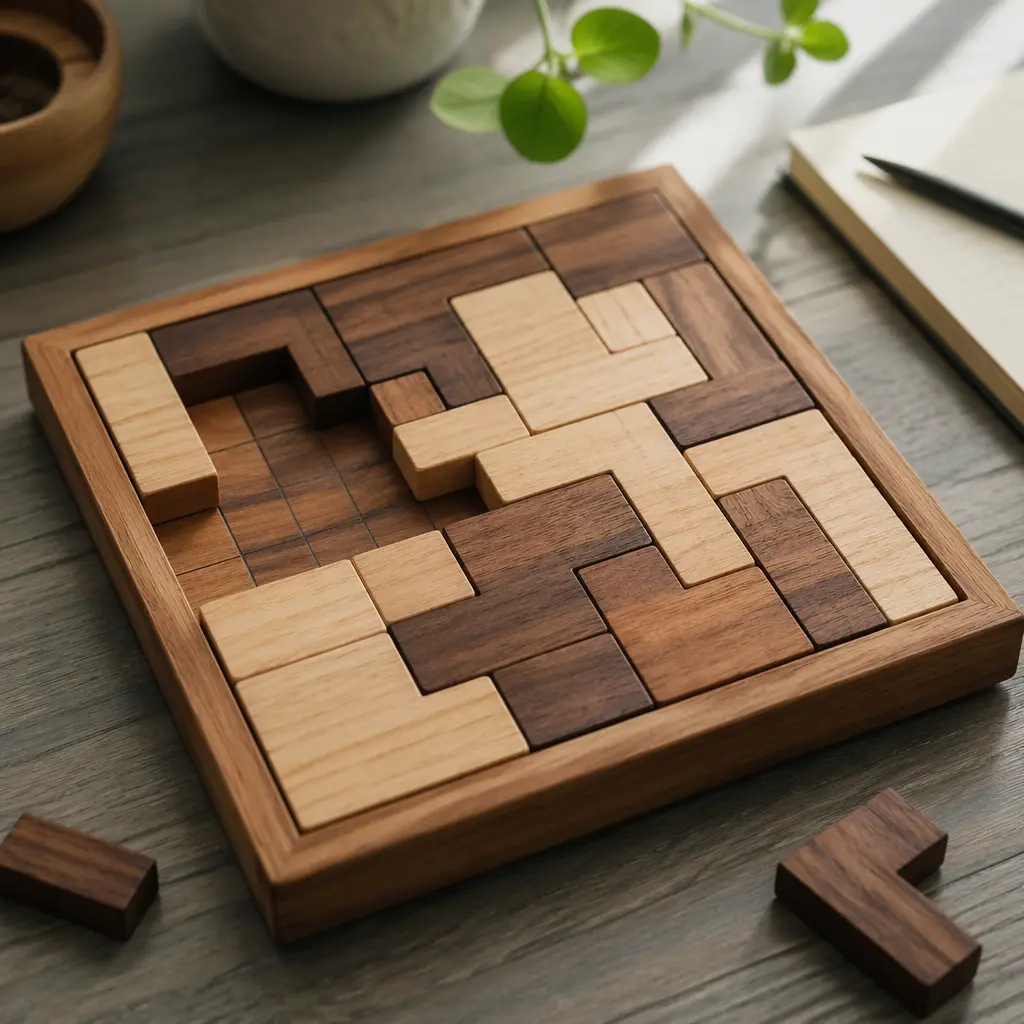
Not all puzzles labeled for teens offer the same level of challenge or staying power. Strategy-focused puzzles work best when they strike a balance between clear entry rules and long-term depth. The goal is something a teen can learn quickly but continue to explore and master over time.
- Replayability: puzzles with multiple solutions, adjustable difficulty, or evolving strategies tend to stay interesting longer
- Meaningful choices: the best strategy puzzles reward planning and foresight, not guesswork
- Durable materials: wood, metal, or thick cardboard hold up better to repeated use
- Clear rules: teens are more likely to engage when the objective is easy to understand but hard to perfect
- Solo or head-to-head options: depending on the teen, solo challenges or competitive formats can both be appealing
Age suitability
For ages 13 and up, strategy puzzles should assume a higher level of reasoning and patience. Teens in this age band are typically ready for multi-step planning, abstract thinking, and puzzles that may take multiple sessions to solve or master. While some options are technically playable by younger kids, the most satisfying experiences for teens usually involve deeper systems and fewer hints, allowing them to learn through trial, error, and reflection.
Standout categories or types
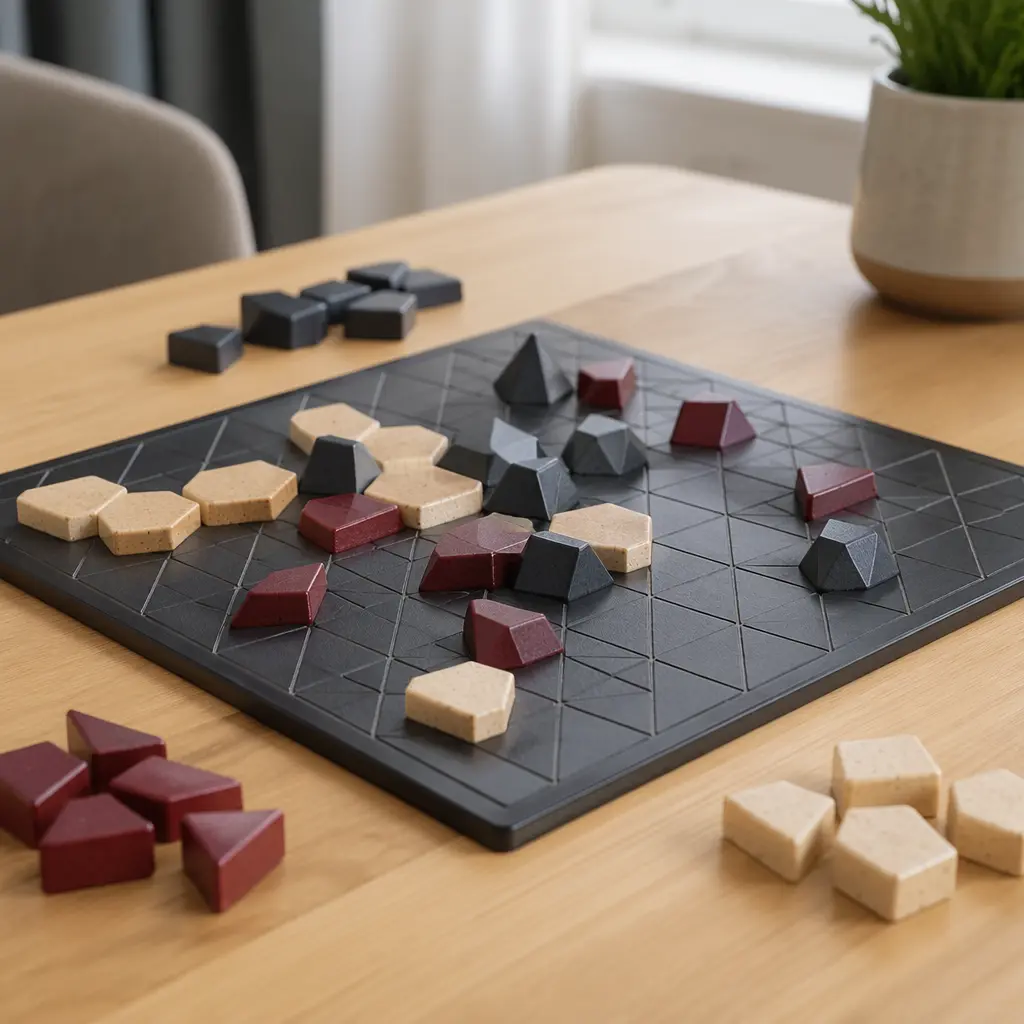
Low-tech strategy puzzles come in several broad categories, each appealing to different thinking styles. Some focus on spatial reasoning, others on logic or competitive planning. Offering variety can help teens discover what kind of challenge they enjoy most.
- Abstract strategy games: grid-based or board-style puzzles where players outthink an opponent or optimize moves
- Solo logic challenges: puzzles designed for one player, often with increasing difficulty levels or scenarios
- Mechanical puzzles: physical objects that must be manipulated in the correct sequence to reach a solution
- Tile and pattern puzzles: challenges centered on arranging shapes or symbols according to specific rules
- Resource-management puzzles: games that simulate limited choices and consequences, rewarding long-term planning
Frequently asked questions
Why choose low-tech puzzles for teens?
Low-tech puzzles offer a break from constant digital input while still engaging the brain. They encourage focus, patience, and deep thinking without notifications or time pressure, making them a useful complement to screen-based activities.
Are these puzzles actually challenging enough for teens?
Yes, when chosen carefully. Many strategy puzzles are simple to learn but difficult to master, which is often more appealing to teens than complexity for its own sake. The challenge comes from improving performance, not just completing the puzzle once.
Do strategy puzzles help with school-related skills?
Strategy puzzles can support skills used in math, science, and even writing, such as logical reasoning, planning, and evaluating outcomes. While they are not educational tools in a formal sense, they reinforce habits of thinking that transfer to academics.
Should parents play along or let teens solve independently?
Both approaches can work. Some teens enjoy the independence of solving puzzles on their own, while others like the social aspect of head-to-head or cooperative play. Let the teen set the tone and step in only if invited.
How long do these puzzles usually stay interesting?
Puzzles with strong strategic depth often stay in rotation for months or even years. Because improvement comes from experience and experimentation, teens may return to the same puzzle repeatedly to test new approaches.
Low-tech strategy puzzles offer teens a rare combination of challenge, independence, and replay value. By focusing on thoughtful design rather than flashy features, these puzzles create space for deep thinking and genuine engagement, making them a solid choice for families looking to encourage screen-free problem-solving.