Classic Puzzles Teens Still Enjoy Unplugged
A buyer-focused guide to classic, no-battery puzzles that challenge teens without feeling childish. Learn what to look for, age fit, safety tips, and popular puzzle types parents can feel good about.
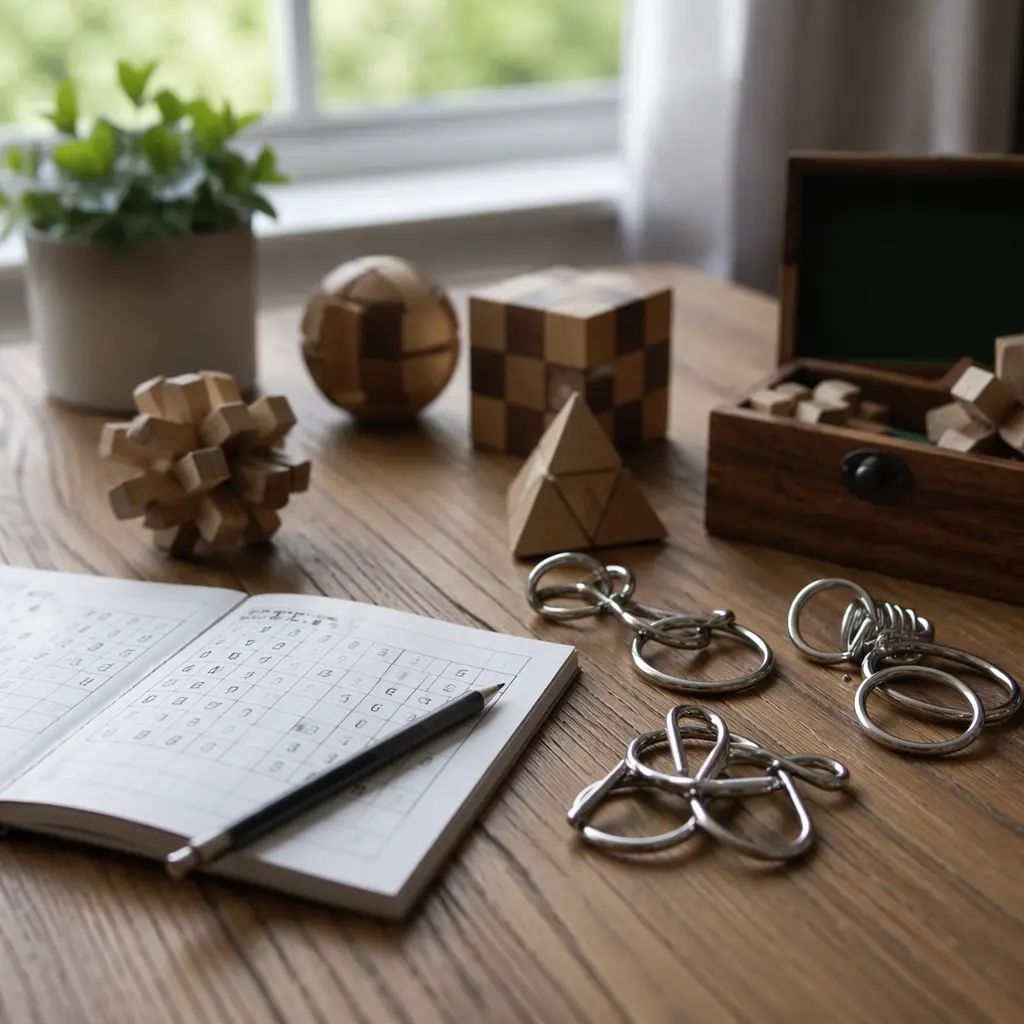
Compare prices and availability
Check current prices and availability for this guide on eBay.
As an eBay Partner, we may be compensated if you make a purchase.
Many teens want challenges that feel smart and grown-up, not flashy or childish. Classic unplugged puzzles fit that space well. They offer hands-on problem solving, quiet focus, and a sense of accomplishment—without screens, apps, or batteries. For parents, these puzzles can support critical thinking and persistence while still feeling like a genuine hobby teens choose for themselves.
What to look for
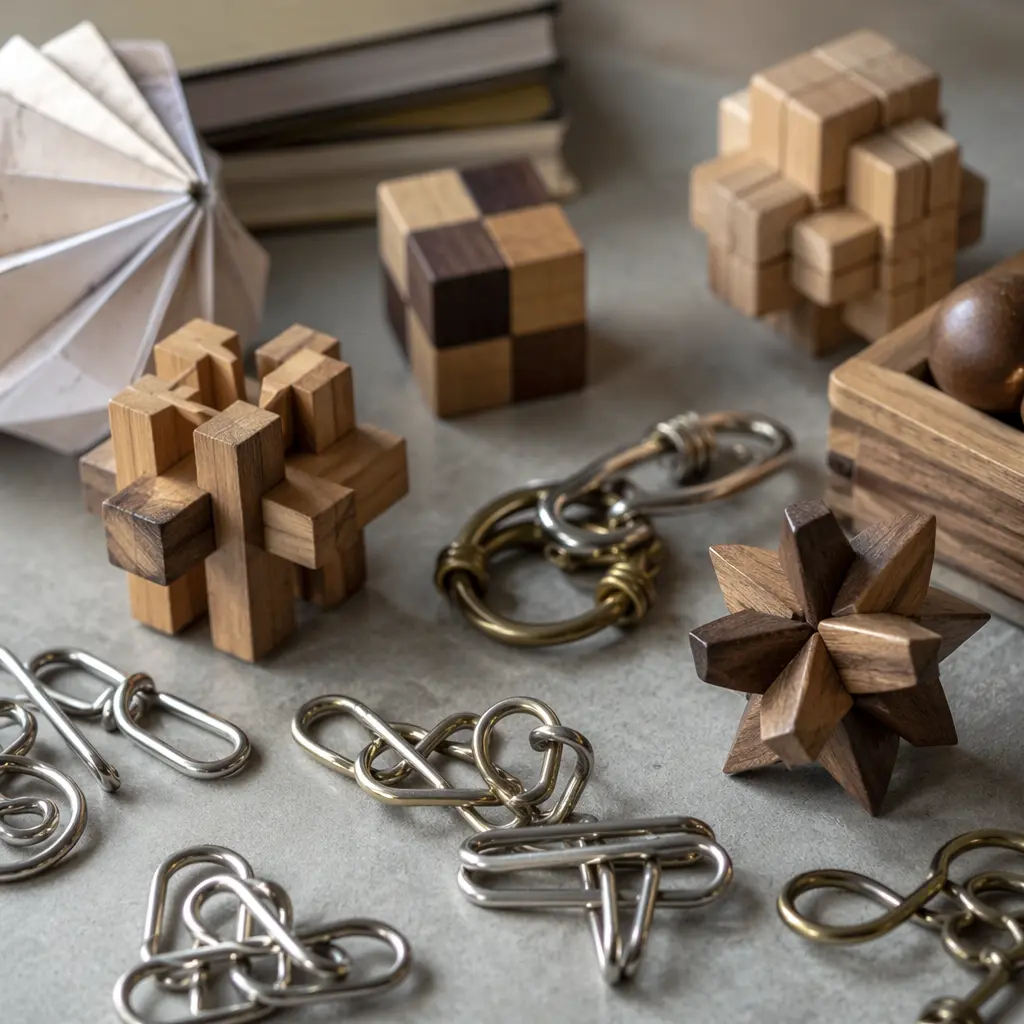
Not every puzzle labeled for teens will actually hold their interest. The best options balance challenge with approachability and look more like clever objects than toys. Paying attention to design, difficulty, and replay value can help narrow the field.
- Meaningful challenge: Look for puzzles that require multi-step thinking, pattern recognition, or strategy rather than simple trial and error.
- Neutral, mature design: Wood, metal, or minimalist graphics tend to appeal more to teens than bright colors or cartoon themes.
- Clear rules or goals: Teens often enjoy figuring things out, but they still need to understand what success looks like.
- Replay value: Some puzzles can be reset, re-solved in different ways, or shared with friends, extending their usefulness.
- Durable materials: Heavier woods, solid cardboard, or metal parts hold up better to repeated handling.
Age suitability
For ages 13 and up, puzzles should respect growing cognitive skills without becoming frustratingly obscure. Early teens may enjoy logic puzzles or physical brain teasers that can be solved in short sessions. Older teens often gravitate toward deeper challenges that reward sustained focus. When in doubt, look for puzzles that offer hints or graduated difficulty so teens can engage at their own pace.
Standout categories or types
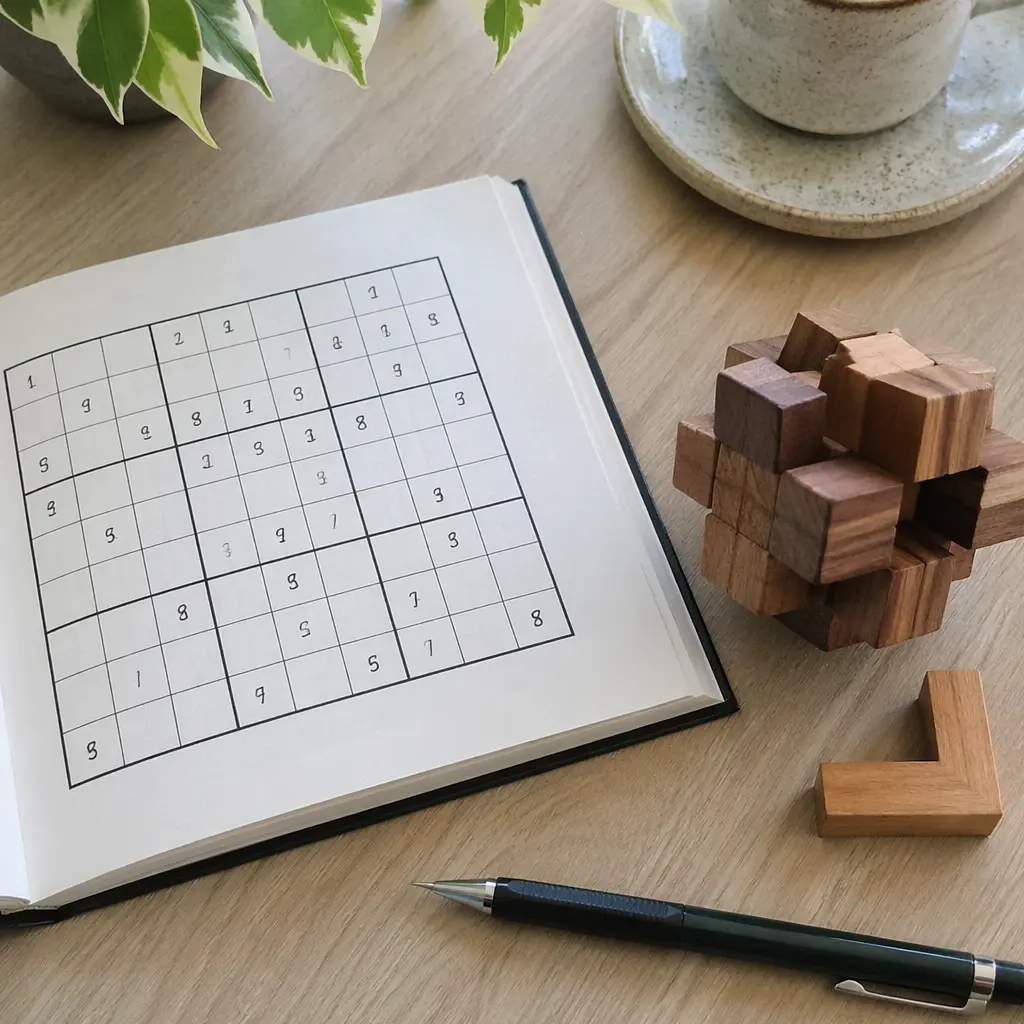
Classic puzzles come in many forms, and different teens are drawn to different kinds of thinking. Understanding the main categories can help parents match a puzzle to a teen’s interests.
- Mechanical and disentanglement puzzles: Often made from metal or wood, these require spatial reasoning to separate and reassemble pieces.
- Logic and deduction puzzles: These focus on clues, grids, or sequences and reward careful reading and step-by-step reasoning.
- Assembly and construction puzzles: Interlocking pieces or models challenge teens to visualize how parts fit together.
- Pattern and sequence puzzles: These test recognition of visual or numerical patterns and often allow multiple solution paths.
- Solo challenge puzzles: Designed for one person, these are ideal for quiet downtime and independent problem solving.
Frequently asked questions
Do unplugged puzzles really hold teens’ attention?
Yes, when the challenge feels authentic. Teens are more likely to engage when puzzles look mature and offer a real test of skill rather than gimmicks or sound effects.
Are these puzzles educational or just for fun?
They can be both. Many classic puzzles naturally support skills like logical reasoning, spatial awareness, and persistence, even when teens approach them purely for enjoyment.
How difficult is too difficult?
If a puzzle leads to repeated frustration with no progress, it may be too advanced. Look for options that allow small wins or provide hints so teens can stay motivated.
Can these puzzles be used in group settings?
Many can. While some are designed for solo play, others work well as shared challenges where teens take turns or collaborate on solutions.
Classic unplugged puzzles offer teens a break from screens without asking them to give up challenge or independence. With thoughtful selection, parents can find options that respect teens’ maturity, encourage deep thinking, and remain enjoyable long after the first solution is found.