Pogs: How cardboard milk caps conquered schoolyards
Pogs turned simple cardboard milk caps into one of the biggest playground crazes of the 1990s, blending collecting, competition, and colorful design into a fast-moving social game.
Compare prices and availability
Check current prices and availability for this guide on eBay.
As an eBay Partner, we may be compensated if you make a purchase.
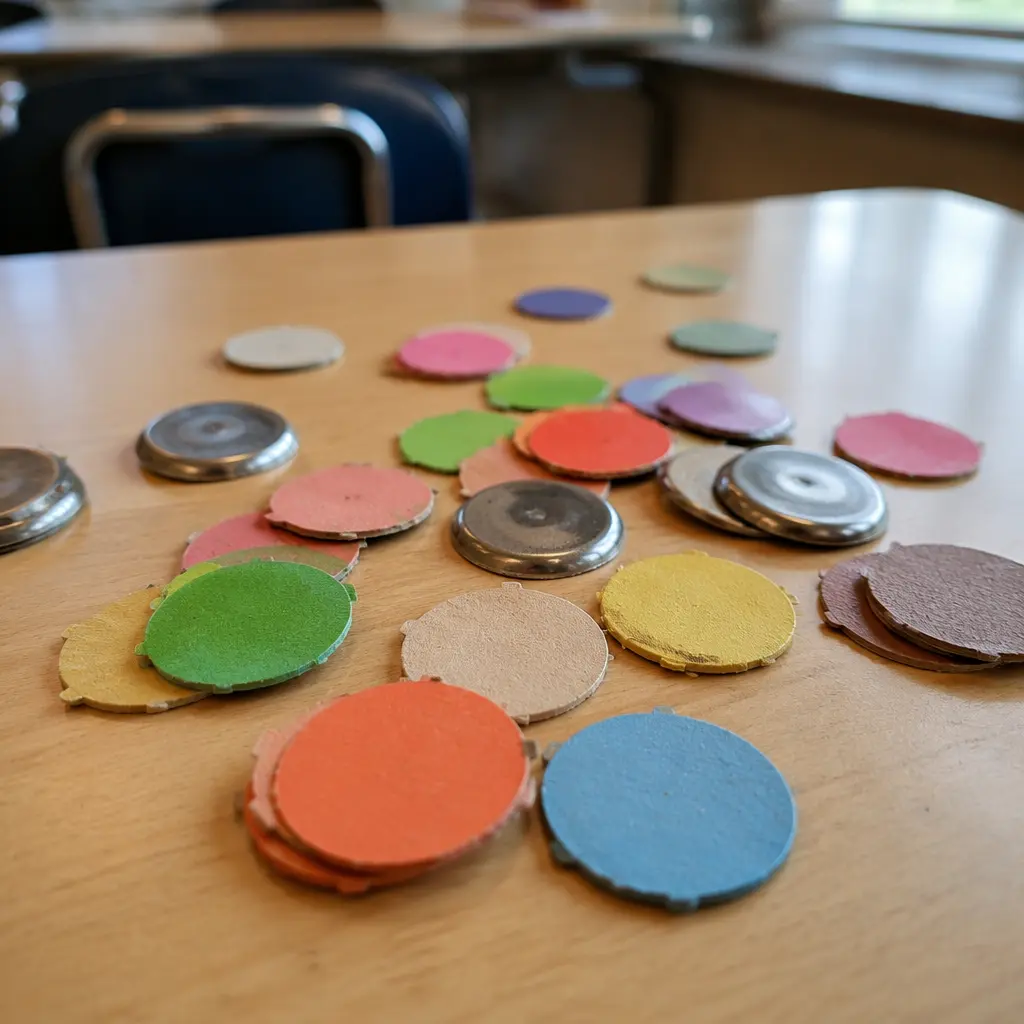
Few toys captured the speed and intensity of a playground trend quite like Pogs. At their peak in the 1990s, the small cardboard discs seemed to appear everywhere at once: stuffed into pockets, traded at lunch tables, stacked in tubes, and slammed onto concrete by crowds of children arguing over rules. The game itself was simple enough to learn in minutes, but the collecting side quickly turned Pogs into a worldwide craze. Their rise showed how a low-cost toy, backed by bright artwork and word-of-mouth popularity, could briefly dominate school culture across multiple countries.
Where it came from
The roots of Pogs go back much further than the 1990s boom. Children in Hawaii had long played games with milk caps, the small cardboard circles once used to seal glass milk bottles. In the early 1990s, a Hawaiian schoolteacher helped revive the pastime with students, and the game spread rapidly. The modern commercial version took shape around 1991, when manufacturers began producing colorful printed caps specifically for play and collecting.
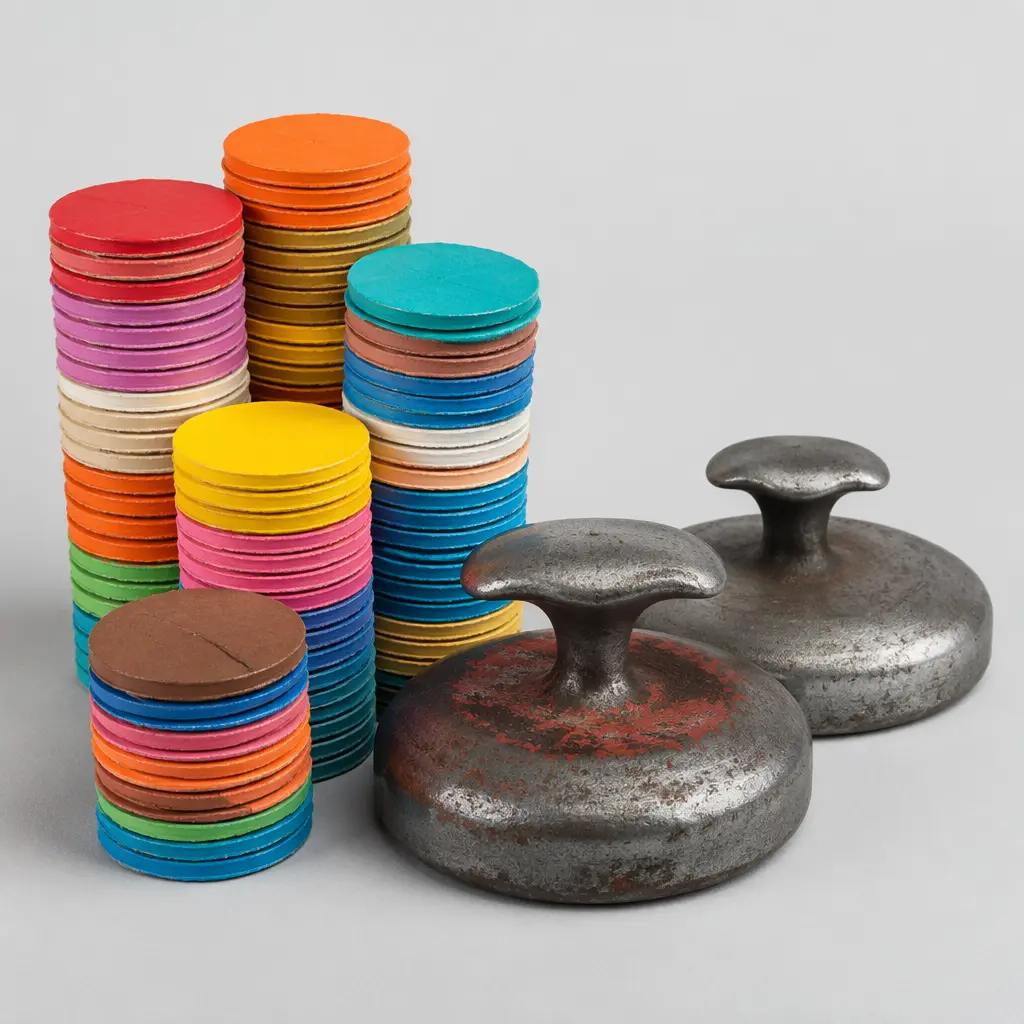
The name "Pog" originally came from a passion fruit, orange, and guava juice drink whose bottle caps were used in the game. Once toy companies recognized the appeal, they expanded the idea far beyond simple recycled caps. Suddenly there were fantasy-themed caps, sports-themed caps, glow-in-the-dark caps, holographic finishes, and heavier metal slammers designed to flip stacks more effectively. The mix of gameplay and collecting gave children two reasons to keep buying and trading them.
Why it works
Pogs succeeded because the rules were easy but the social side was endless. Players stacked caps face down and took turns throwing a heavier slammer onto the pile. Any caps that flipped face up could be claimed, depending on the agreed rules. That physical moment of impact made the game exciting in a way many card or board games were not. The randomness also meant younger players still had a chance against older or more skilled opponents.
Just as important was the visual design. Pogs were cheap to manufacture, small enough to carry everywhere, and easy to customize with bright artwork. Collectors could organize them by theme, rarity, finish, or favorite images. Unlike larger toys, hundreds of caps could fit into a backpack or jacket pocket, making them ideal for schoolyard trading culture. The collectible aspect kept the craze moving even among children who rarely played the game itself.
- Simple rules that could be learned quickly
- Fast rounds that worked well during school breaks
- Collectible artwork with endless themes and styles
- Portable size that encouraged trading and carrying large collections
- Metal and plastic slammers that added strategy and personality
- Low manufacturing cost that allowed rapid expansion into stores worldwide
Who it's for
During the height of the craze, Pogs were especially popular with elementary and middle-school children, though teenagers and adults also joined in as collectors. The game rewards quick reflexes and social interaction more than deep strategy, making it approachable for younger players. Today, vintage toy collectors often seek Pogs for nostalgia as much as gameplay. Many adults who grew up in the 1990s remember specific cap designs, local rule variations, or school bans that became part of the toy's legend.
Variants and what to look for today
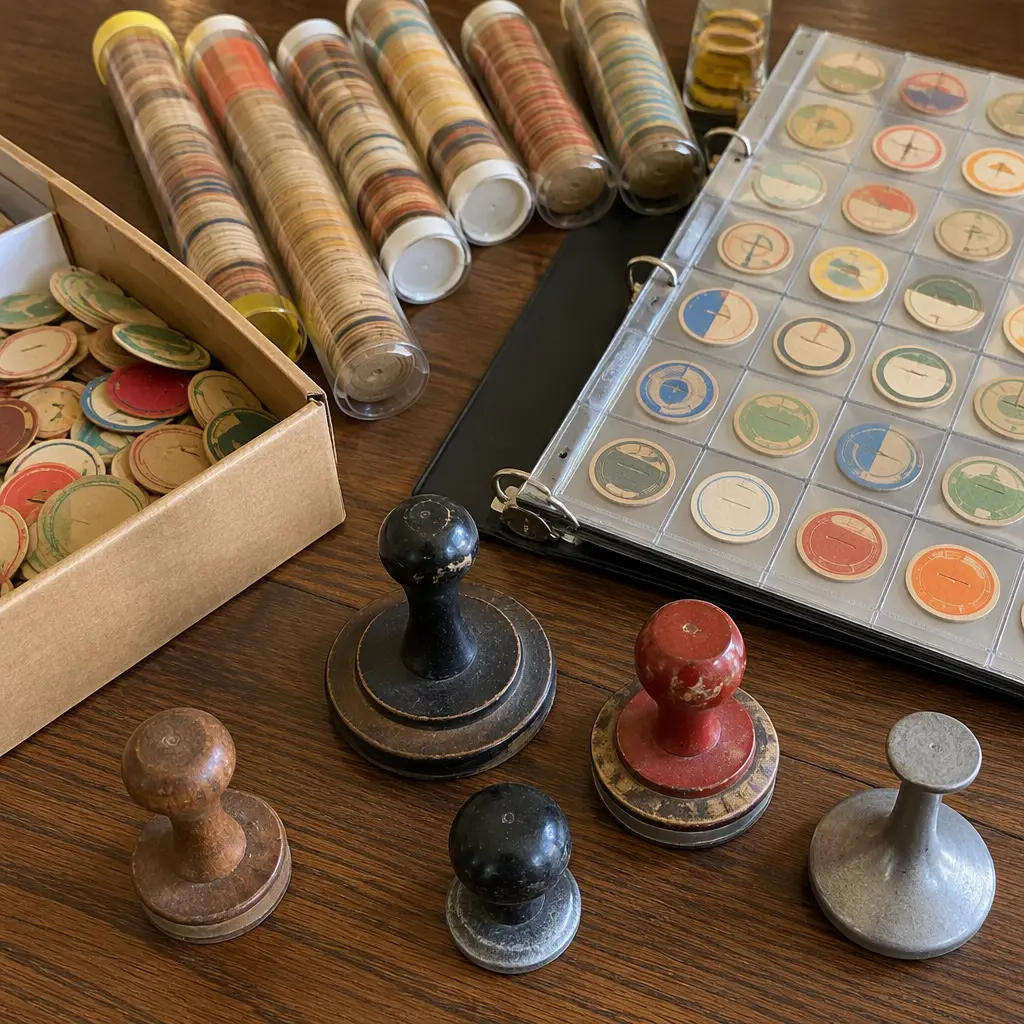
Modern Pog collecting mostly centers on vintage sets from the 1990s, though newer milk-cap style games and reproductions still appear. Collectors often separate standard cardboard caps from heavier slammers, promotional releases, tournament pieces, and specialty finishes like metallic or holographic coatings. Condition matters because the caps were designed for active play and often show bent edges, scratches, or surface wear.
If you are shopping today, it helps to decide whether you want Pogs mainly for play, nostalgia, or collecting. Large mixed lots are common and usually provide the broadest range of artwork. More serious collectors sometimes focus on specific themes, regions, or manufacturers. Reproduction sets can still be fun for casual games, but vintage caps often have thicker cardboard and more varied print styles that reflect the era.
- Check for bent or heavily creased caps if buying vintage collections
- Look for complete sets that include slammers and storage tubes
- Mixed bulk lots are often better for casual play than single rare pieces
- Avoid overly glossy modern reproductions if authenticity matters to you
- Metal slammers are heavier and more durable than lightweight plastic versions
Frequently asked questions
Are Pogs still made today?
Modern versions and reproductions still exist, but the original worldwide craze faded by the late 1990s. Most collecting activity today focuses on vintage caps from the peak years of popularity.
Why were Pogs banned in some schools?
Many schools viewed Pog games as disruptive because they encouraged trading disputes and competitive wagering over who kept the flipped caps. The noise and crowds they attracted also became difficult for teachers to manage.
What is a slammer?
A slammer is the heavier piece used to strike the stack of caps during gameplay. Slammers were commonly made from plastic or metal and became collectibles in their own right because of their weight, designs, and materials.
Do Pogs have collector value?
Some rare or well-preserved examples are sought after by collectors, especially complete themed sets and unusual slammers. However, most Pogs remain affordable nostalgia items rather than high-end collectibles.
Pogs remain one of the clearest examples of how quickly a simple toy can capture global attention. They combined the old-fashioned appeal of playground games with the modern excitement of collectibles, creating a trend that spread through schools, toy stores, and television almost overnight. Even decades later, the sight of a stack of colorful caps and a scratched metal slammer still brings back memories of trades, tournaments, and crowded lunch tables.