Are AI Pet Robots Too Demanding for Anxious Kids?
A parent-focused guide to AI pet robots for ages 6–8, covering attachment, notifications, maintenance loops, privacy, and which connected pets are easier to pause or ignore.
Compare prices and availability
Check current prices and availability for this guide on eBay.
As an eBay Partner, we may be compensated if you make a purchase.
AI pet robots are designed to feel responsive and emotionally engaging, which can make them appealing companions for children aged 6–8. Some react to voices, remember routines, respond through apps or cloud services, and encourage regular interaction through feeding games, check-ins or evolving personalities. For some children, that ongoing interaction feels comforting and imaginative. For anxious children, though, certain robot pets can become another source of pressure. A toy that constantly asks for attention, sends notifications or appears “sad” when ignored may be harder to put down than a traditional plush toy or simple electronic pet. The most parent-friendly options are usually the ones that still work offline, allow long pauses without penalties, and make interaction optional rather than emotionally demanding.
What to look for
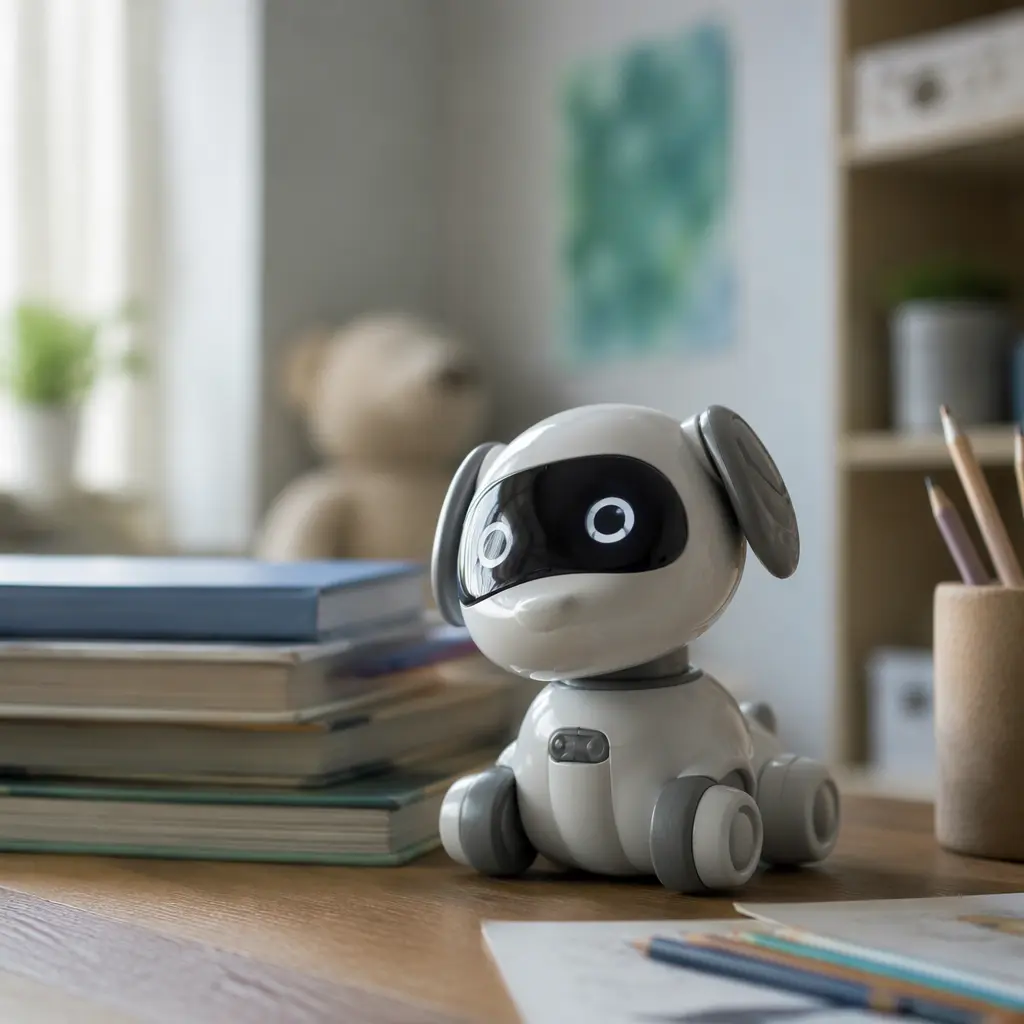
Not every interactive pet toy uses AI in the same way. Some are mainly animatronic, reacting with pre-programmed sounds and movements. Others rely on microphones, apps or cloud systems to adapt conversations and behaviors over time. For anxious children, the key question is whether the toy creates a relaxed play experience or an ongoing obligation. Parents should also think about how much supervision the connected features require and whether the toy remains enjoyable if internet services change or app support ends.
- Look for pause-friendly play. Toys that can sit unused for days without repeated alerts, guilt-style prompts or progress loss are usually easier for anxious children.
- Check whether the toy depends on an app or cloud connection. Some AI pets lose major features if servers shut down or subscriptions expire.
- Review microphone and camera features carefully. Voice interaction may improve responsiveness, but some families prefer toys with local-only processing or clear mute controls.
- Consider notification volume and frequency. Companion apps that send reminders can become stressful for children who already worry about routines or responsibility.
- Think about offline value. A robot pet that still works as a simple interactive toy without Wi‑Fi tends to age better and feels less demanding.
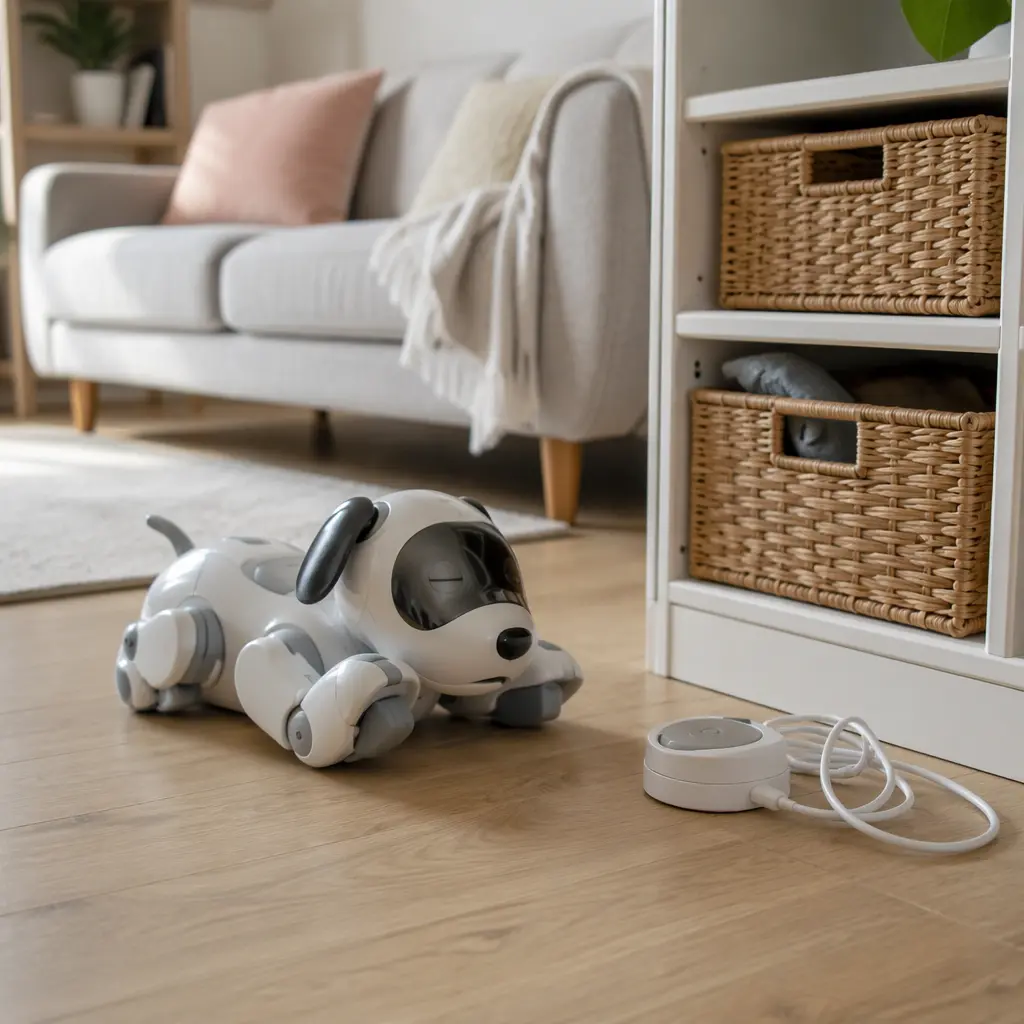
- Check charging habits and battery life. Daily charging routines can frustrate children who become attached to keeping the toy “happy.”
- Look for easy resets and parental controls. Being able to disable social features, clear stored data or reduce interaction intensity can make a connected toy more manageable.
Age suitability
The 6–8 age range is a transition point where many children enjoy imaginative caregiving play but may still interpret toy feedback very literally. A child who understands that a robot pet is pretend can still feel genuine worry if the toy appears neglected or distressed. Simpler interactive pets with predictable responses are often easier at this age than highly conversational AI companions that blur the line between toy and relationship. Children who already become upset about routines, game streaks or caring responsibilities may do better with robot pets that can be switched off cleanly without consequences. Families looking for low-pressure play may prefer toys that encourage short interactions rather than persistent digital companionship.
Options compared
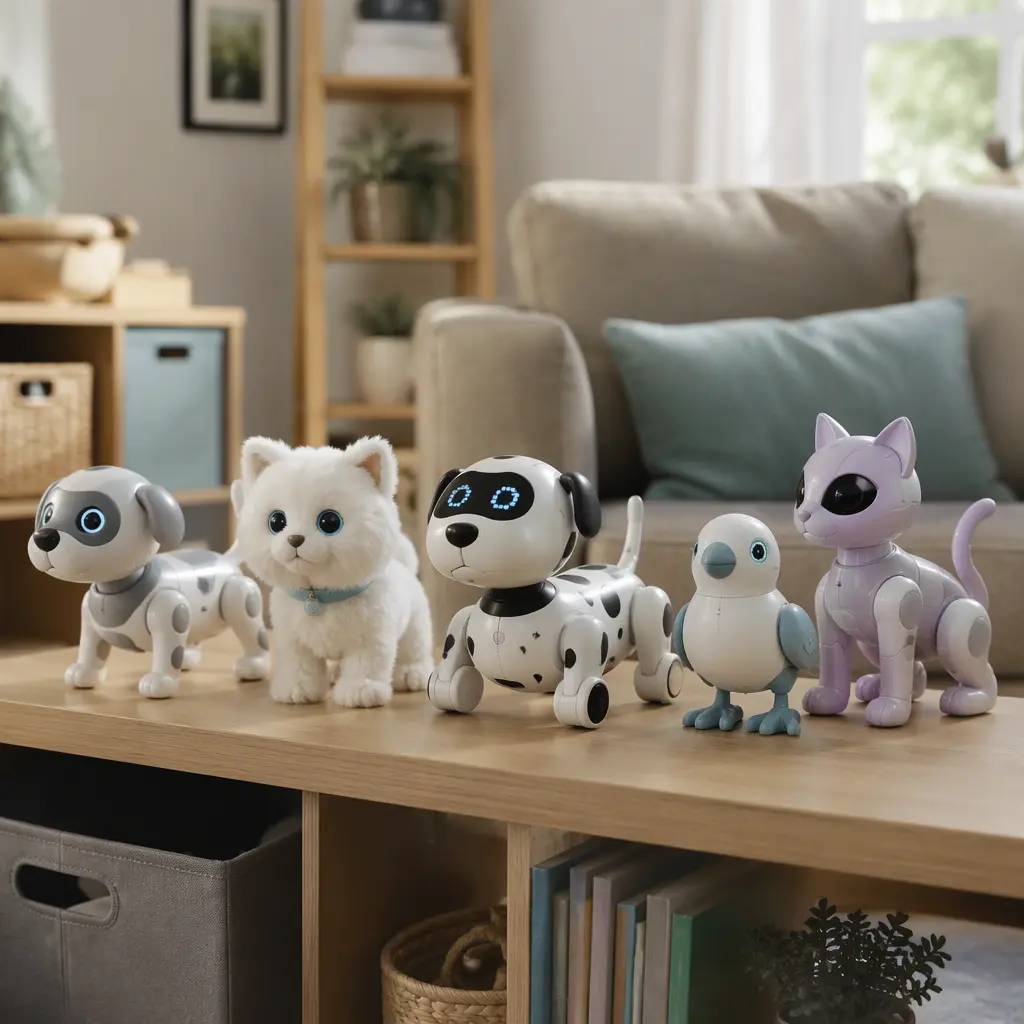
The least demanding category is usually simple interactive pets that react to touch, sound or movement without cloud-connected personalities. These toys may bark, blink, walk or respond to petting, but they do not typically maintain long-term emotional states or send reminders through an app. They suit children who enjoy nurturing pretend play but benefit from clear boundaries between playtime and downtime. They also tend to be easier for travel, shared bedrooms and screen-light households.
AI-enhanced companions add more personalization. Some learn names, hold simple conversations or unlock new behaviors over time. The added responsiveness can feel impressive and comforting for children who enjoy routine interaction. However, these systems may also increase attachment. A toy that greets a child daily, asks questions or references past interactions can feel harder to ignore. Parents should pay attention to whether the toy encourages open-ended imaginative play or steers children into repetitive maintenance loops. Subscription-based systems deserve extra scrutiny because children may become attached to features that later move behind a paywall or require purchased credits.
- Basic animatronic pets: Lower pressure, easier storage, fewer privacy concerns, usually quieter and simpler to supervise. Best for children who want occasional interaction without ongoing routines.
- App-connected pets: Often include games, progress tracking and updates. Better for tech-comfortable households, but may increase screen time and require parent account management.
- Voice-enabled AI companions: More conversational and emotionally responsive. May appeal to highly social children, but can create stronger attachment and deserve careful privacy review.
- Virtual-plus-physical pet systems: Combine a physical toy with a digital world or app. These can motivate regular play but sometimes introduce streaks, rewards or frequent notifications that anxious children may find difficult to ignore.
- Offline-capable robot pets: A strong middle ground for many families. They offer interactivity without depending heavily on cloud services or constant connectivity.
Frequently asked questions
Can AI pet robots make anxiety worse?
They can for some children, particularly if the toy uses reminders, emotional cues or progress systems that feel difficult to pause. Children who are sensitive to responsibility or worry about disappointing others may react strongly to toys that appear lonely, unhappy or neglected. A lower-pressure interactive toy is often a better fit if this pattern already appears with games or routines.
Are robot pets safer emotionally than real pets?
Robot pets avoid some challenges of real animals, such as allergies, bites or long-term care commitments. However, highly interactive AI toys can still create emotional attachment. Unlike real pets, some connected toys are also designed around engagement systems that encourage repeated interaction, so parents should still monitor how the child responds.
Do AI pet toys collect voice data?
Some do. Voice-enabled toys may process recordings locally on the device or send data to cloud services, depending on the manufacturer’s design. Parents should review privacy policies, account requirements and microphone controls before purchase. Toys with clear mute switches or offline modes are often easier to manage in shared family spaces.
What if app support ends?
This is an important consideration with connected toys. Some products continue functioning as basic interactive pets after support ends, while others lose major features. Before buying, check whether the toy still offers meaningful offline play without subscriptions, servers or frequent software updates.
Which type is easiest to ignore or pause?
Simple touch-responsive or motion-responsive robot pets are usually the easiest to put away without emotional pressure. Toys without streak systems, scheduled tasks or app notifications tend to create more flexible play patterns and fewer conflicts around routines.
For anxious children, the most suitable robot pet is often not the smartest or most realistic one. A calmer toy with predictable interactions, flexible downtime and limited app dependence usually creates a more relaxed experience for both children and parents. Connected features can add novelty and personalization, but they work best when families stay in control of when and how the toy demands attention.