AI Storytelling Toys for Young Kids: Helpful or Too Creepy?
A parent-focused guide to AI storytelling toys for ages 3–5, covering microphones, voice data, moderation, subscriptions, offline play and when conversational features help or distract.
Compare prices and availability
Check current prices and availability for this guide on eBay.
As an eBay Partner, we may be compensated if you make a purchase.
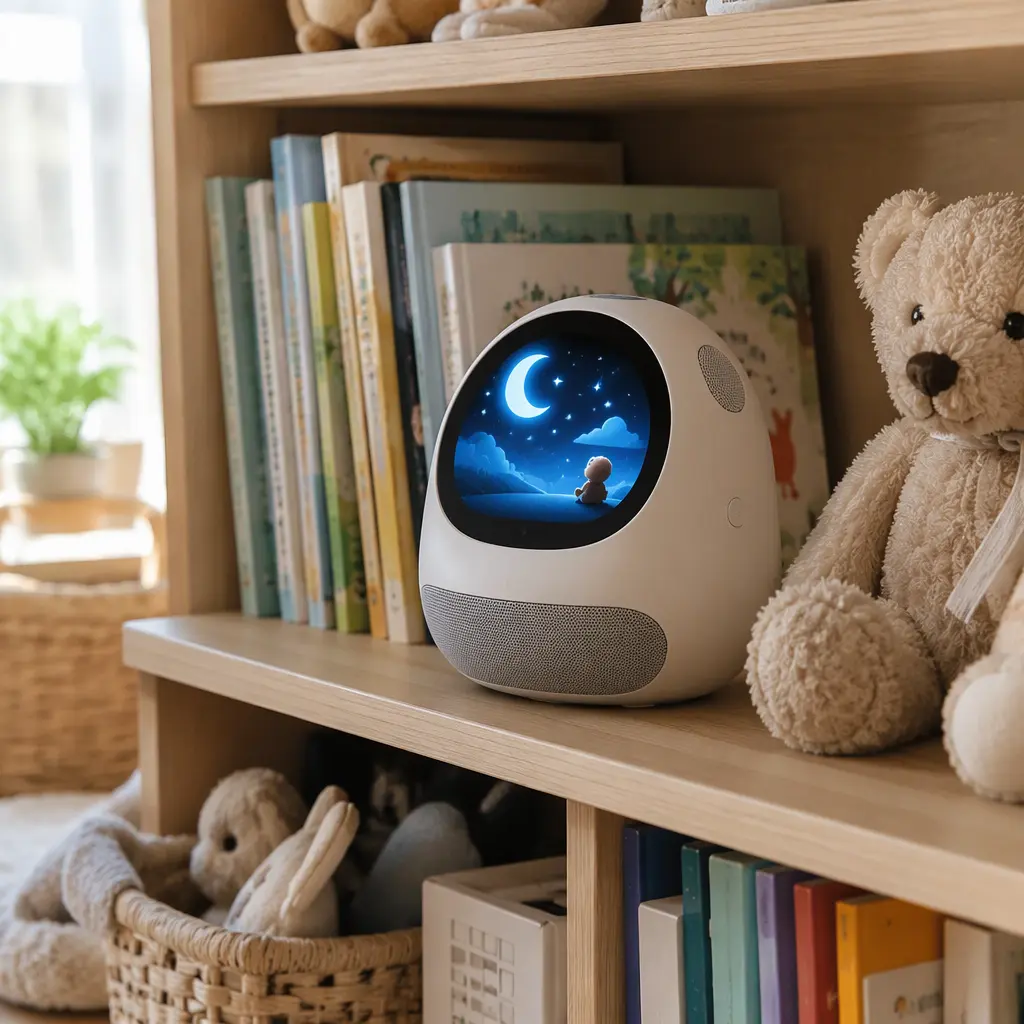
AI storytelling toys aimed at preschoolers promise interactive bedtime stories, conversation, songs and educational games through built-in microphones and cloud-connected software. For some families, these toys can make story time more engaging or help reluctant listeners stay interested. For others, the constant listening, unpredictable responses and app requirements can feel unnecessary for children aged 3 to 5. The biggest question is usually not whether the technology works, but whether the connected features genuinely improve play compared with simpler audio toys, Tonie-style story systems or traditional books. Parents choosing between AI-enabled toys and offline alternatives should pay close attention to privacy policies, moderation limits, subscription costs, internet dependence and how much supervision the toy realistically needs.
What to look for
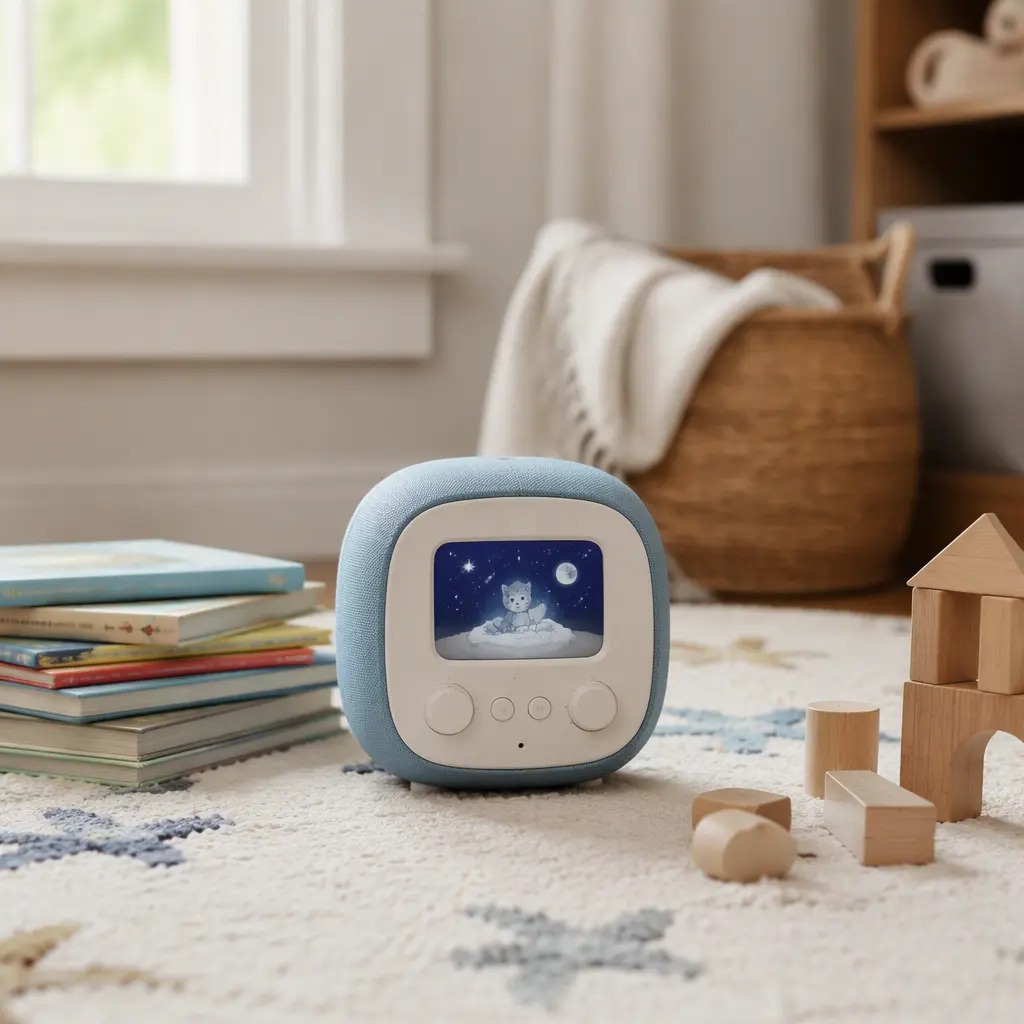
Not every talking toy marketed as "smart" actually uses AI. Some toys simply play pre-recorded responses when a child presses buttons or says trigger phrases. AI storytelling toys usually go further by processing speech, generating responses dynamically or connecting to cloud services that adapt conversations over time. That difference matters because internet-connected conversational features bring extra trade-offs around privacy, moderation and reliability. Preschoolers also tend to repeat phrases, test boundaries and become frustrated when technology misunderstands them, so consistency is often more important than advanced features.
- Check whether voice recordings are stored locally or sent to cloud servers for processing.
- Look for clear parental controls covering microphones, purchasing, chat limits and data deletion.
- Find out whether the toy still works offline or becomes very limited without Wi‑Fi.
- Consider whether stories are curated and age-filtered or generated freely by AI systems.
- Watch for subscriptions, token systems or monthly usage caps tied to story generation.
- Check device compatibility if setup requires a phone or tablet app.
- Think about response speed and reliability, especially for younger children with short attention spans.
- Consider battery life, charging habits and whether the toy becomes frustrating during long updates.
Age suitability
For children aged 3 to 5, simpler is often better. Preschoolers generally benefit most from predictable storytelling, repetition and imaginative play they can control themselves. AI conversation can occasionally support language development or curiosity, but younger children may struggle to understand the limits of a conversational toy. Some assume the toy truly understands emotions or facts, while others become upset when responses are inaccurate or inconsistent. Toys that encourage passive back-and-forth chatting for long periods may also crowd out open-ended play, drawing, physical activity or parent-led reading. Families looking mainly for calming bedtime routines or independent listening often find that offline audio players, story projectors or recordable story devices meet the same need with fewer privacy concerns and less overstimulation.
Options compared
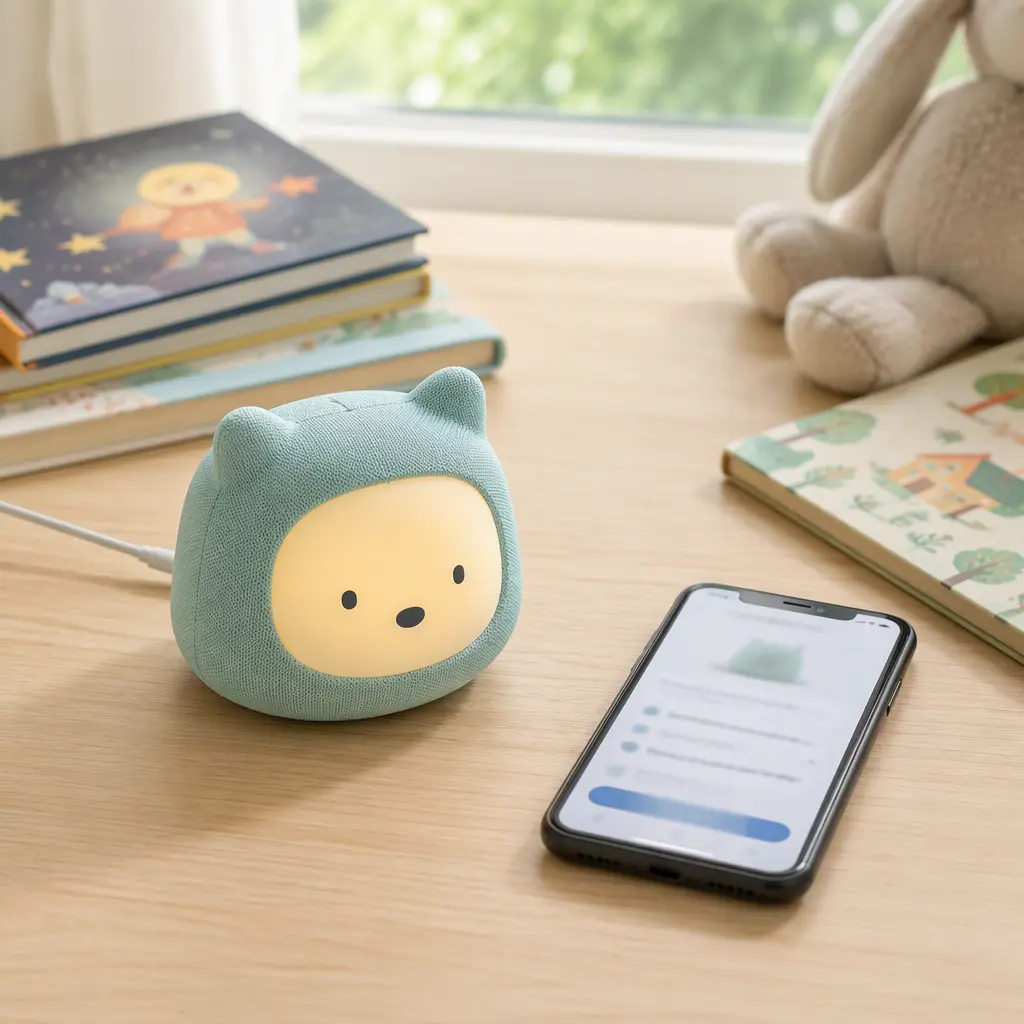
AI storytelling toys generally fall into three broad categories. The first includes conversational companions with microphones and cloud-based responses. These are the products most likely to answer questions, invent stories or hold open-ended conversations. Their advantage is novelty and personalization, but they also create the biggest concerns around data handling, moderation and long-term support. If the company changes servers, subscriptions or app policies, some features may stop working entirely. These toys suit families specifically interested in supervised tech exploration rather than families seeking quiet, dependable story time.
The second category includes connected audio systems with limited interactivity. These may recommend stories, respond to simple prompts or use apps to manage content, but they rely mostly on curated audio rather than unrestricted AI conversation. For many preschoolers, this middle ground works better because the experience stays more predictable while still offering variety. They also tend to involve fewer moderation risks and less confusion for younger children.
The third category is fully offline storytelling toys and audio players. These include figure-based audio boxes, recordable story devices and simple electronic readers. They lack conversational AI but usually offer easier controls, better reliability and fewer distractions. Offline systems are often more practical for travel, shared bedrooms and homes limiting screen time or internet-connected devices. They also avoid many concerns about microphones, data collection and service shutdowns. The trade-off is that stories remain fixed unless parents add new content manually.
- Conversational AI toys: best for supervised novelty and tech-focused families; weakest for privacy and predictability.
- Curated connected story systems: balanced option for families wanting variety without unrestricted conversation.
- Offline storytelling toys: strongest for simplicity, reliability and lower privacy concerns.
- Projection or nightlight storytellers: useful for bedtime routines but usually less interactive.
- Recordable story devices: especially helpful for familiar voices, travel or separated family members.
Frequently asked questions
Do AI storytelling toys record everything children say?
Policies vary widely between brands. Some manufacturers say recordings are only processed after a wake word or button press, while others may temporarily store clips to improve speech recognition. Parents should review privacy policies carefully and check whether recordings can be deleted manually.
Are AI storytelling toys educational?
Some can support vocabulary, listening skills and curiosity when used in moderation. However, educational value depends heavily on content quality and adult involvement. For preschoolers, traditional reading, imaginative play and conversation with caregivers remain more developmentally important than AI interaction alone.
Can these toys work without the internet?
Many AI features rely on cloud processing, so internet outages may limit storytelling, voice recognition or personalization. Some toys retain basic songs or preloaded stories offline, while others become far less useful without Wi‑Fi.
Are subscriptions common?
Yes. Some connected storytelling toys include limited free content but charge for expanded libraries, AI-generated stories or premium voices. Parents should check whether the toy remains enjoyable without ongoing payments.
When do conversational features become distracting?
For many children aged 3 to 5, highly reactive toys can shift attention away from imaginative play toward repeated commands, jokes or random questioning. If a child spends more time testing the toy than engaging with stories or independent play, a simpler storytelling format may be more suitable.
AI storytelling toys are not automatically inappropriate for younger children, but they require more careful evaluation than ordinary talking toys. Parents are often deciding between novelty and simplicity rather than choosing between "good" and "bad" technology. For many preschoolers, a curated or offline storytelling system provides enough engagement without the added complications of microphones, cloud processing and unpredictable conversation. Families interested in AI features should prioritize transparent privacy controls, dependable moderation and meaningful offline usefulness over novelty alone.