Yoto Mini vs Toniebox for Shared Sibling Use
A parent-focused comparison of the Yoto Mini and Toniebox for siblings aged 3–5, covering durability, headphones, travel use, age flexibility, app dependence and everyday practicality.
Compare prices and availability
Check current prices and availability for this guide on eBay.
As an eBay Partner, we may be compensated if you make a purchase.
For families with siblings close in age, audio players can reduce screen time while still giving children some independence over stories, music and quiet-time routines. The Yoto Mini and Toniebox are often compared because both focus on kid-friendly listening without a traditional tablet screen, but they suit different households. The biggest differences are not just sound quality or content libraries. For shared sibling use, parents usually notice practical factors first: how durable the device feels, whether two children can comfortably use it at different ages, how easy it is to travel with, and how much setup or supervision the connected features require.
What to look for
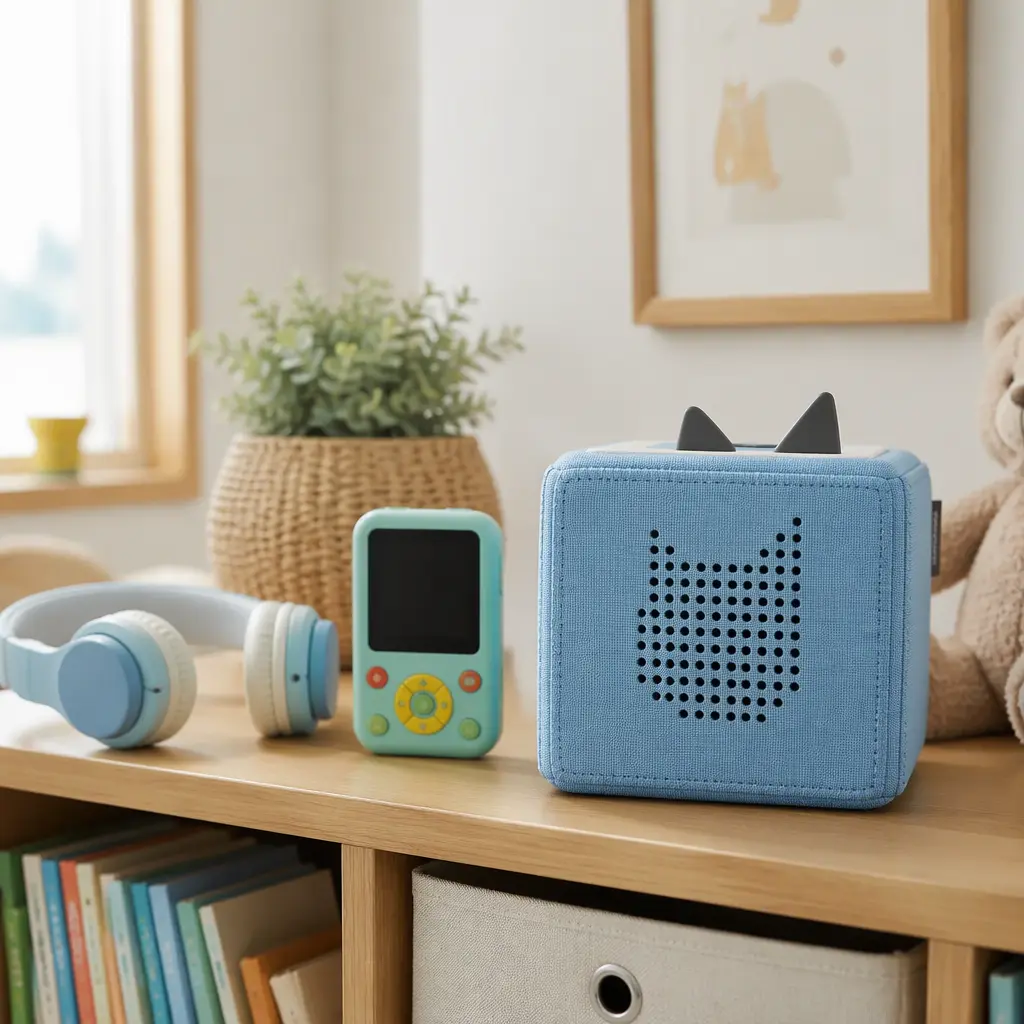
When one audio toy will be shared across multiple children, everyday usability matters more than novelty features. The Yoto Mini is designed as a compact card-based audio player with a small pixel display, while the Toniebox uses figurines placed on top of a soft speaker cube to trigger playback. Neither is a fully conversational AI toy. Their connected features mainly support content management, downloads and parental controls through companion apps rather than open-ended chatbot interaction. Families should think carefully about how children will actually use the device during busy mornings, car trips, bedtime routines and independent play.
- Durability: Toniebox is known for its soft padded exterior and drop-friendly shape, while the Yoto Mini is more compact and portable but less cushioned.
- Headphone support: Yoto Mini includes headphone listening options that can help when siblings want different activities or quiet time.
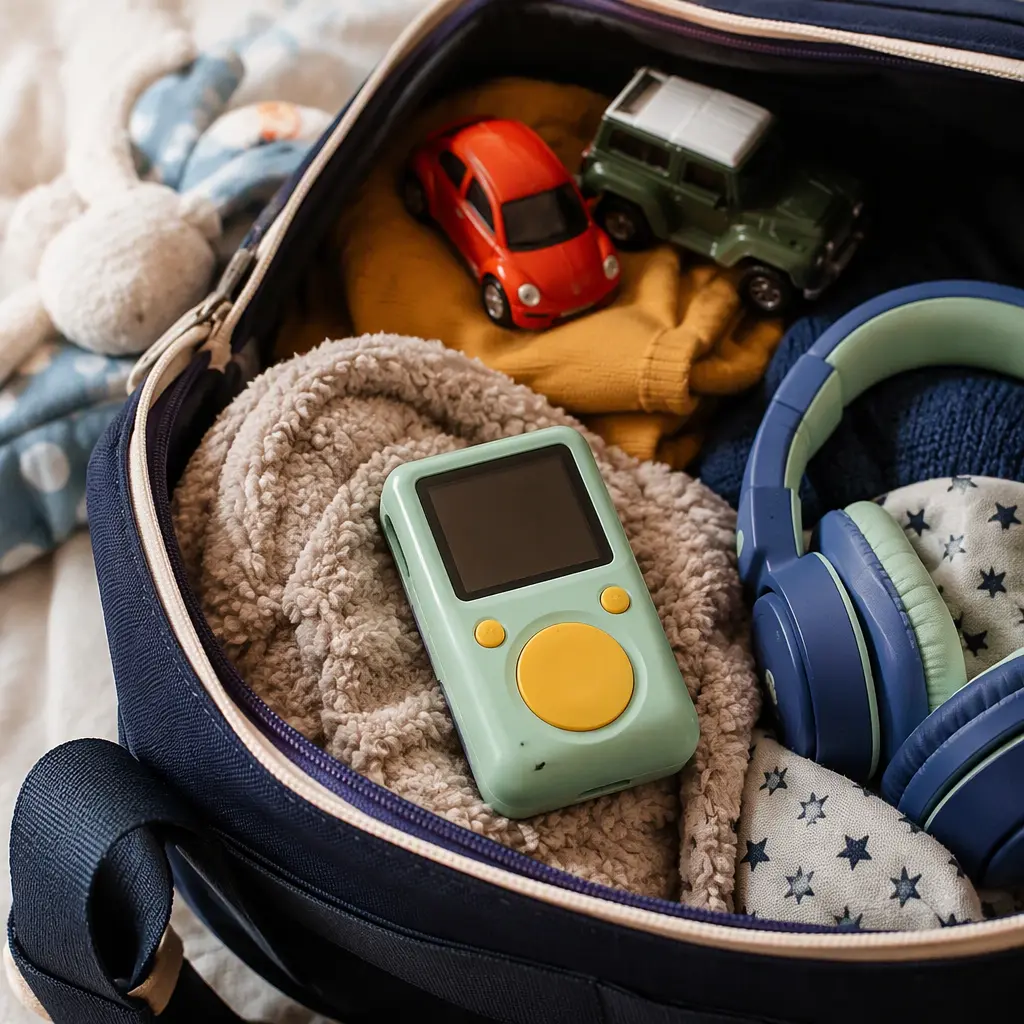
- Travel use: Smaller devices fit more easily into backpacks, airplane trays and car seat pockets.
- Age flexibility: Figurine-based controls may suit younger preschoolers, while card-based systems can feel easier to organise as children grow.
- App dependence: Both systems rely on apps for setup and content management, so check device compatibility and account requirements.
- Content costs: Story cards and figurines are usually bought separately, which can add up in multi-child households.
- Offline usefulness: Downloaded audio remains important for road trips, flights or homes with unreliable Wi-Fi.
- Storage and organisation: Cards take less shelf space than large collections of figurines, but smaller pieces can also be easier to misplace.
Age suitability
For children aged 3–5, both systems can work well, but they appeal to slightly different stages of independence. Younger preschoolers often respond quickly to the Toniebox because placing a character on top creates a simple physical connection between toy and story. The controls are intentionally minimal, which can reduce frustration for children still learning menus or sequencing. The Yoto Mini generally suits children who are ready for a bit more structure, such as selecting cards, recognising icons or managing favourite stories independently. In mixed-age sibling households, the Yoto Mini may stay useful longer into early elementary years because of its wider range of audio formats and more portable design.
Options compared
The Toniebox usually appeals most to families prioritising durability and ease of use for younger children. Its soft construction and simple interaction style can hold up well in homes where toys are regularly dropped, carried around or used during active play. Children do not need to navigate menus, and the figurines themselves become part of imaginative play. The trade-off is storage space and travel convenience. Figurines are bulkier than cards, and bringing multiple stories on a trip can quickly fill a small bag. Shared sibling use can also become tricky if one child strongly associates a favourite character with their own routine.
The Yoto Mini tends to suit families wanting portability, headphone listening and broader long-term flexibility. Its smaller footprint makes it easier for car rides, restaurants and overnight stays. Headphone support can be especially useful in shared bedrooms or when one sibling wants quiet listening while another plays nearby. The card system is also easier to organise in smaller storage spaces. However, the device feels more like electronics than a plush toy, so some parents may prefer extra protective cases for younger children. Because the Yoto Mini relies more heavily on cards and navigation habits, some three-year-olds may still need help selecting content independently.
- Choose Toniebox if your main priority is durability, tactile play and easy independent use for younger preschoolers.
- Choose Yoto Mini if portability, headphone listening and longer-term use across wider age ranges matter most.
- For frequent travel, the smaller size of the Yoto Mini is usually easier for parents to pack and supervise.
- For rough-and-tumble shared playrooms, the softer Toniebox design may feel less stressful to hand over repeatedly.
- Families sensitive to clutter may prefer cards over large figurine collections.
- Households with multiple children sharing bedrooms may appreciate headphone compatibility and quieter listening options.
Frequently asked questions
Do these toys work without Wi-Fi?
Both systems are designed to support offline playback once audio has been downloaded and linked to the device. Internet access is still typically needed during initial setup, account management and downloading new content. Offline use is especially important for flights, road trips and homes with inconsistent internet connections.
Are there privacy concerns with connected audio toys?
These products rely on companion apps and cloud-linked accounts for content management, but they are not open-ended AI chat devices. Parents should still review manufacturer privacy policies, account permissions and app requirements before setup. As with most connected toys, consider how much account information is required and whether multiple caregivers need shared access.
Which is easier for siblings to share?
That depends on how children use the toy. Toniebox can feel more collaborative during group listening because the figurines are highly visual and simple to swap. The Yoto Mini can work better for turn-taking and independent listening because it is compact, portable and compatible with headphones. Families with shared bedrooms often notice this difference quickly.
Do content costs add up over time?
They can. Both ecosystems encourage collecting additional stories, music and educational content over time. Parents comparing long-term value should look beyond the starter bundle and think about how many children will use the system, how often new content is likely to be requested, and whether siblings can realistically share favourites.
Is one better for bedtime routines?
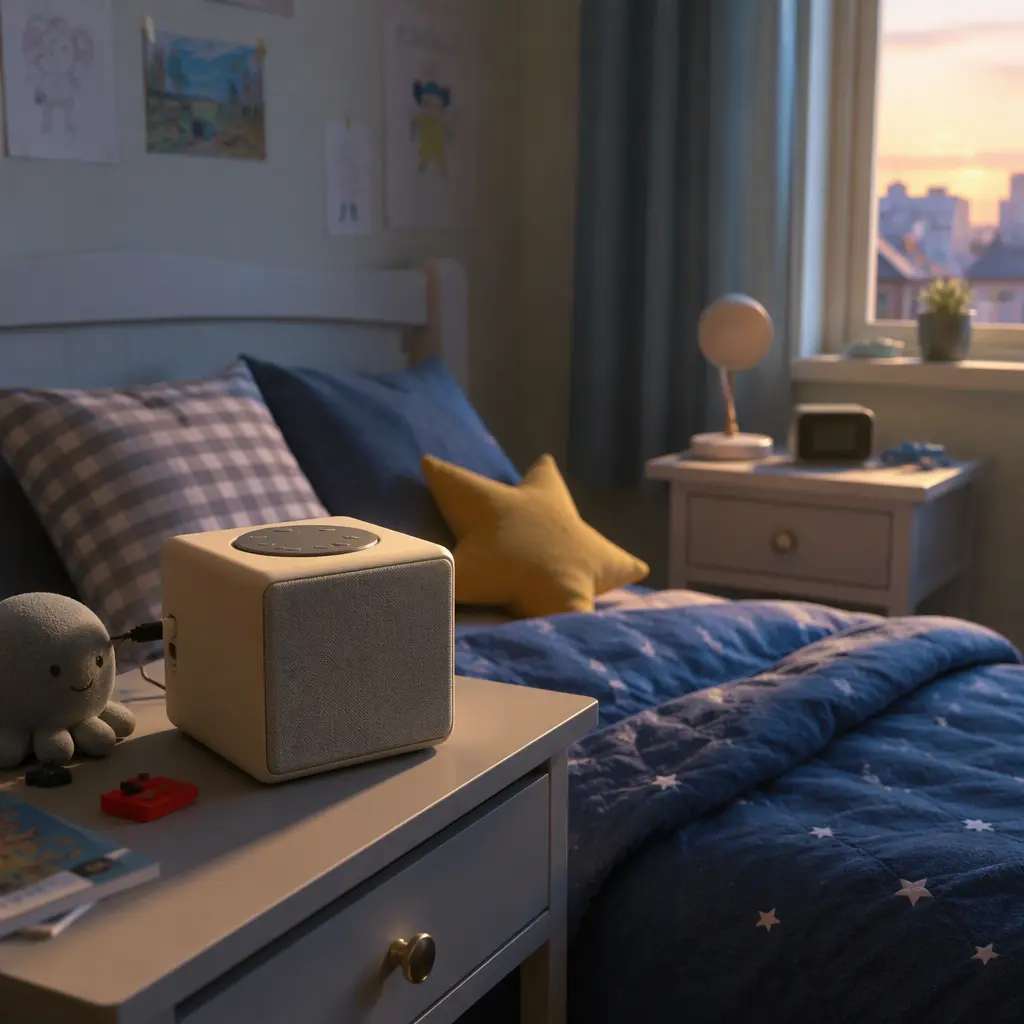
The Toniebox often suits younger children who prefer a calming tactile routine with familiar figurines, while the Yoto Mini may work better for older preschoolers wanting more control over playlists or quieter headphone listening. Bedside space and charging access can also influence which format feels easier to manage nightly.
For sibling households aged 3–5, the decision usually comes down to lifestyle rather than features alone. The Toniebox leans toward durability, simplicity and tactile play for younger users, while the Yoto Mini focuses more on portability, private listening and longer-term flexibility. Neither option completely replaces parental involvement, especially during setup and content management, but both can support more independent, screen-free listening when matched to the right family routine.