Anki Overdrive: When racing tracks learned to talk to your phone
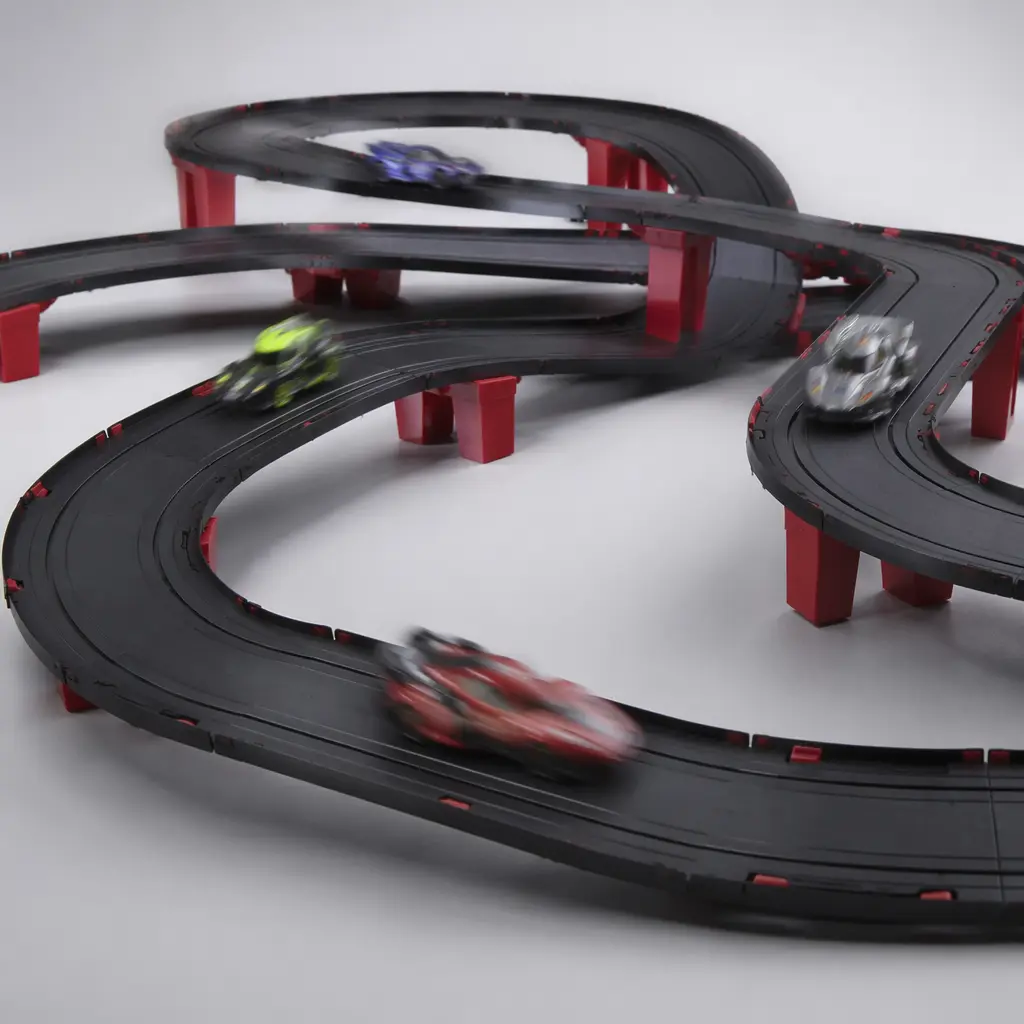
Anki Overdrive fused app-controlled smart cars with modular tracks, turning tabletop racing into a video-game-like experience that still feels physical.
Compare prices and availability
Check current prices and availability for this guide on eBay.
As an eBay Partner, we may be compensated if you make a purchase.
Anki Overdrive arrived with a bold promise: what if a toy car track behaved more like a video game? Instead of fixed slots and passive loops, it offered intelligent cars, a modular track, and a smartphone app that controlled the action. For many families, it felt like a glimpse of the future—physical play that updated, learned, and evolved over time.
Where it came from
Anki Overdrive launched in 2016, building on the earlier Anki Drive system. The original idea came from Anki, a robotics-focused startup founded by Carnegie Mellon graduates, whose goal was to make advanced artificial intelligence approachable through play. Overdrive expanded the concept with larger tracks, new game modes, and deeper app integration.
At its core, Overdrive was designed to bridge two worlds. Traditional slot-car racing had tactile appeal but limited variation. Mobile racing games had depth and progression but no physical presence. Overdrive tried to combine both—cars you could hold and race on the floor, guided by software that handled rules, upgrades, and competition.
Why it works
The magic of Anki Overdrive lies in how seamlessly the digital layer sits on top of the physical one. The cars read special patterns on the track to know exactly where they are, allowing the app to manage speed, steering, and even virtual weapons during races. Players focus less on keeping a car on the track and more on strategy and timing.
Several design choices helped it stand out: - Smart cars with onboard sensors and processors - A snap-together track system that supports endless layouts - App-based controls that feel familiar to video game players - Progression systems like upgrades and challenges that reward repeat play Together, these elements made races feel dynamic and replayable rather than repetitive.
Who it's for
Anki Overdrive generally appeals to kids around age 8 and up, especially those already comfortable with tablets or phones. The controls are accessible, but the strategy and fast pace keep older children and teens engaged. It also has clear adult appeal—many parents found themselves drawn in by the tech and the nostalgic feel of racing toys reimagined for a digital age.
Variants and what to look for today
Over time, the Overdrive ecosystem grew to include multiple car styles, expansion track pieces, and themed play modes delivered through the app. The modular nature of the system is a major plus: more track means more layout options, which keeps the experience fresh.
If you’re considering Anki Overdrive today, focus on a few basics. Make sure the set includes enough track for varied layouts, check that replacement cars and batteries are still available, and confirm app compatibility with current mobile devices. Generic, non-smart track pieces won’t deliver the same experience, so compatibility matters more than quantity.
Frequently asked questions
Does Anki Overdrive work without the app?
No. The app is essential—it handles controls, game modes, and car behavior. Without it, the cars can’t function as intended.
Is it more like a video game or a toy?
It’s a true hybrid. The physical setup and cars make it feel like a toy, while the app-driven progression and rules mirror a video game.
Can multiple players race together?
Yes. One of Overdrive’s strengths is multiplayer racing, with each player controlling a car from their own device.
Is it still supported today?
Support has changed over time as ownership of the brand shifted, so it’s worth checking current app availability and updates before buying.
Anki Overdrive stands as a memorable experiment in blending physical play with software-driven depth. It didn’t just modernize the racing track—it redefined what a connected toy could be, leaving a lasting impression on how toys and games can intersect.