App-Free RC Toys for Beginners: What Parents Should Know
A practical guide to choosing simple RC toys for first-time users ages 9–12, with advice on controls, durability, battery types, indoor noise, outdoor use, and supervision.
Compare prices and availability
Check current prices and availability for this guide on eBay.
As an eBay Partner, we may be compensated if you make a purchase.
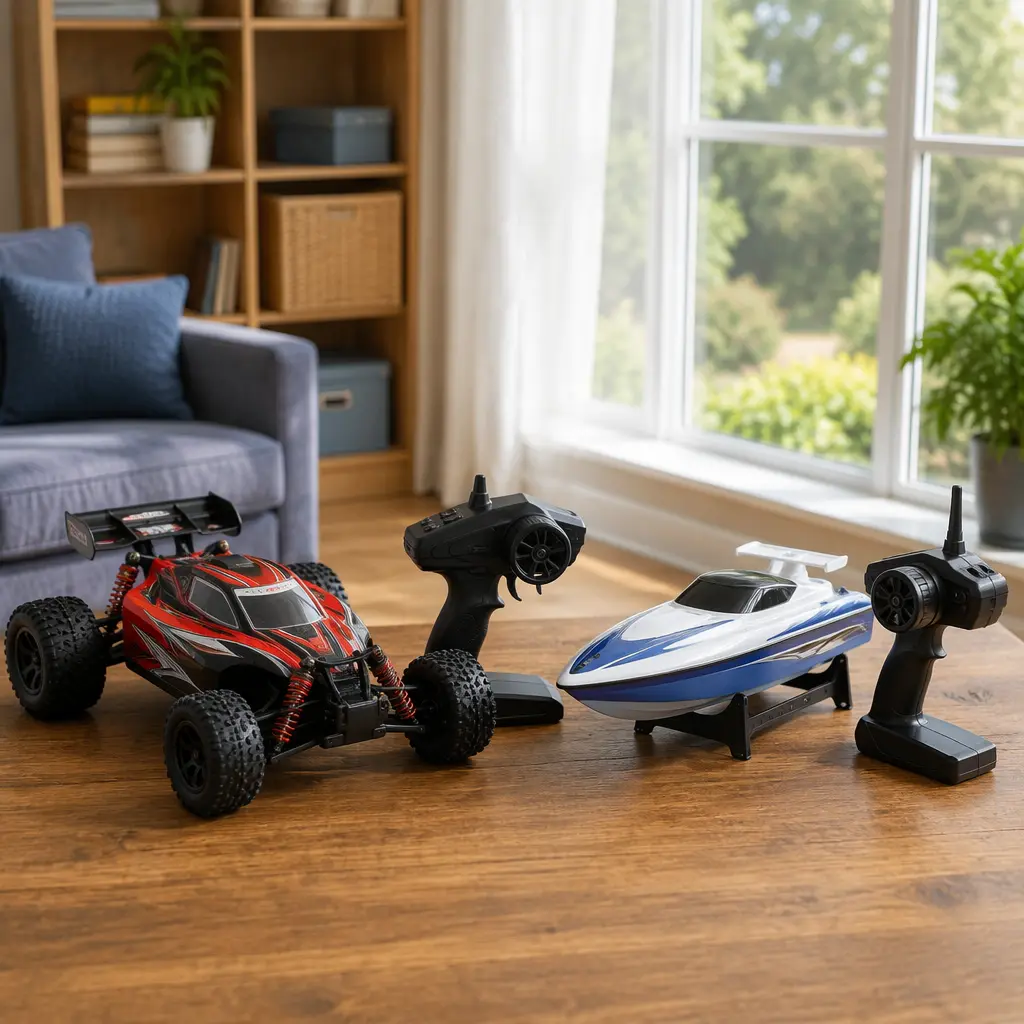
Remote-control toys can be a good fit for children ages 9 to 12 who want hands-on play without spending more time on phones or tablets. Many parents now notice that some newer RC products depend heavily on apps, account setup, firmware updates, or touchscreen controls that can frustrate beginners. App-free RC toys avoid many of those barriers by using dedicated handheld controllers with straightforward buttons and steering. For first-time users, that simplicity often matters more than advanced features. The right choice depends on where the toy will be used, how much supervision is realistic, and whether the child prefers speed, building, stunts, racing, or casual outdoor play.
What to look for
Beginner RC toys should feel easy to understand within the first few minutes. Complicated menus, calibration steps, or sensitive controls can turn a fun hobby into a frustrating one. For ages 9 to 12, many families do better with durable, medium-speed toys designed for learning rather than high-performance hobby-grade vehicles intended for experienced users. Parents should also think about practical issues such as storage space, replacement batteries, noise levels, and where the toy can safely operate.
- Choose handheld physical controllers instead of app-only controls for easier learning and less screen dependence.
- Look for gradual steering and throttle response rather than extremely fast acceleration that may overwhelm beginners.
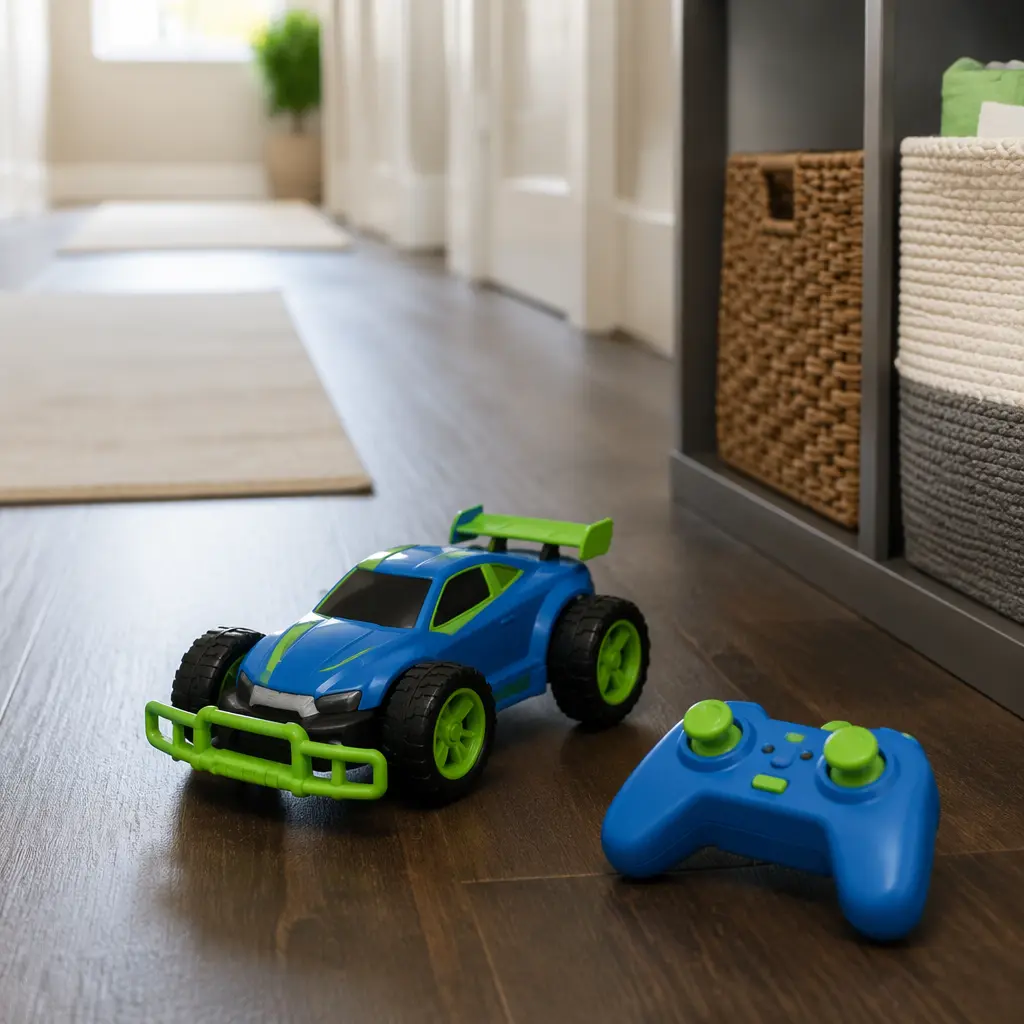
- Consider where the toy will be used. Indoor RC toys should be quieter and smaller, while outdoor models need larger wheels or sturdier bodies.
- Rechargeable battery packs can reduce long-term battery costs, but removable AA batteries are often simpler for occasional play.
- Durable bumpers, flexible plastic shells, and splash resistance can help extend toy life during beginner crashes.
- Check storage needs before buying. Larger RC trucks and boats can take up more room than expected.
- Some RC toys require wide open spaces, while others are designed for hallways, driveways, or small parks.
- Very lightweight flying RC toys may struggle outdoors in windy conditions, which can frustrate first-time users.
Age suitability
The 9–12 age range sits in an interesting middle ground for RC toys. Many children are ready for more precise controls and longer play sessions, but they may still become discouraged by products aimed at adult hobbyists. A beginner-friendly RC toy for this age group usually balances control, durability, and manageable speed. Children who enjoy building kits or problem-solving may enjoy entry-level RC construction sets or customizable vehicles, while children who prefer quick active play may be happier with ready-to-run cars or stunt vehicles. Families with limited outdoor space may want compact indoor-safe options instead of larger off-road models that require parks, empty pavement, or open fields.
Options compared
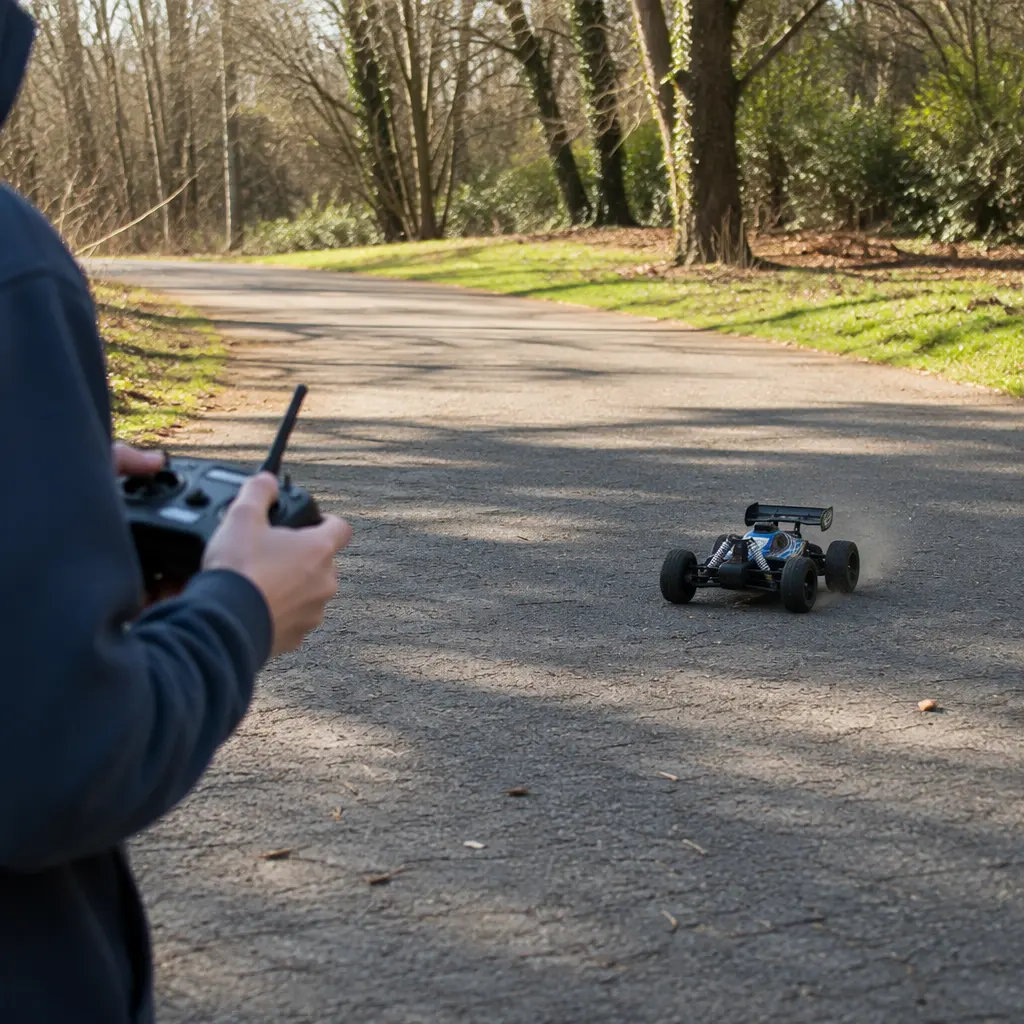
RC cars remain the easiest starting point for most beginners. They are widely available, relatively simple to operate, and easier to recover after crashes than flying toys. Smaller indoor cars work well for apartments or rainy-day play, though they can be noisy on hard floors. Larger off-road trucks handle grass and rough surfaces better but usually require outdoor space and more storage room. Stunt cars add flips and spins that many children enjoy, but the novelty can wear off faster if steering precision matters more than tricks.
RC boats can work well for families who regularly visit calm ponds or lakes, but they are less practical without consistent water access. They also need closer supervision near water. RC helicopters and drones tend to have the steepest learning curve for beginners. Even simplified models may frustrate children who expect immediate success. Wind conditions, battery life, and crash sensitivity can make flying toys harder to enjoy casually. Entry-level RC construction kits and buildable vehicles can appeal to children who enjoy engineering-style play, but they usually require more patience and setup time than ready-to-use vehicles.
- Simple RC cars: Best for most beginners; easier controls, flexible indoor or outdoor use, lower learning curve.
- Off-road RC trucks: Better for parks and rough terrain; larger storage footprint and often louder.
- Stunt RC vehicles: Good for active play and tricks; less realistic steering and racing feel.
- RC boats: Fun for families near calm water; limited use without safe water access.
- RC flying toys: More challenging and supervision-heavy; better for patient learners with open outdoor space.
- RC building kits: Suits children who enjoy construction and problem-solving; slower setup and more complexity.
Frequently asked questions
Are app-free RC toys easier for beginners?
In many cases, yes. Dedicated controllers usually provide simpler controls with fewer setup steps. Children can focus on driving or steering rather than pairing devices, managing apps, or navigating menus. App-free toys can also reduce distractions and avoid compatibility problems with family devices.
Should beginners start with hobby-grade RC vehicles?
Most first-time users in the 9–12 age group do better with toy-grade or beginner-focused RC products before moving into advanced hobby-grade models. Hobby-grade vehicles can offer repairability and customization, but they may also involve higher speeds, more maintenance, and more complex controls.
What is the best indoor RC option for apartments?
Compact low-speed RC cars are usually the most practical choice for apartments or shared living spaces. Softer tires and lighter bodies can reduce noise and minimize damage to furniture or walls. Very fast vehicles may become frustrating in tight indoor spaces.
Do rechargeable RC toys save money?
Rechargeable systems can reduce ongoing battery purchases if the toy is used frequently. However, removable batteries may still be convenient for occasional play or travel. Some families prefer keeping spare rechargeable packs ready to shorten downtime between sessions.
How much supervision do RC toys need?
That depends on the type of RC toy and the environment. Ground vehicles used in safe open areas may need minimal supervision for older children, while flying toys and water-based RC products usually need closer oversight. Supervision also matters more around roads, pets, younger siblings, and crowded public areas.
For most families buying a first RC toy, simpler is usually better. App-free models with straightforward controls often help children build confidence faster and spend more time actually playing. A durable beginner-friendly RC car is the safest starting point for many 9–12 year olds, especially when space, storage, and supervision needs are considered before buying.