Are App-Connected Toys Worth It for Kids 9–12?
A parent-focused guide to app-connected toys for ages 9–12, weighing learning benefits against novelty, screen time, privacy, and long-term play value.
Compare prices and availability
Check current prices and availability for this guide on eBay.
As an eBay Partner, we may be compensated if you make a purchase.
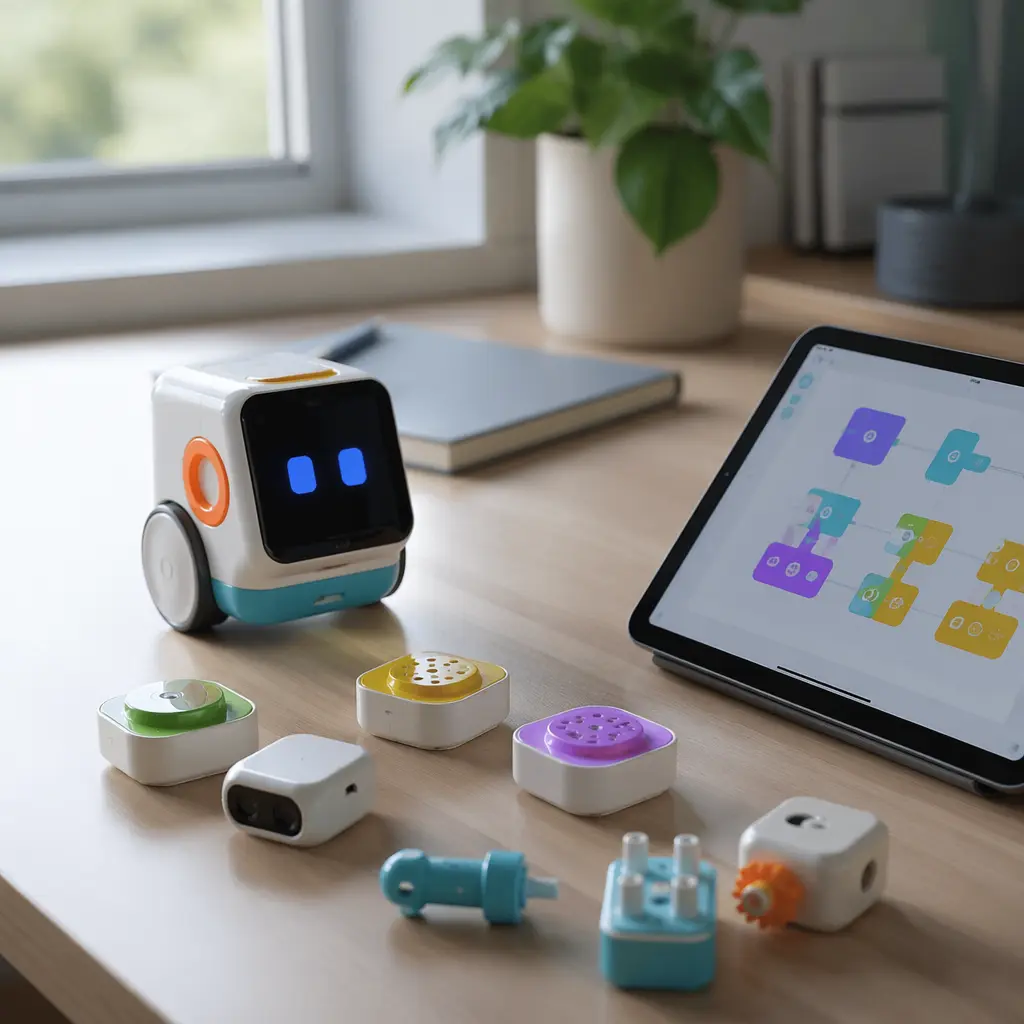
App-connected toys promise to blend hands-on play with digital learning, using tablets or phones to unlock games, challenges, and customization. For kids ages 9–12, these toys sit at a crossroads: old enough to follow complex instructions and curious about tech, but still developing focus, judgment, and healthy screen habits. This guide breaks down where connected toys tend to shine, where they can fall flat, and how to decide if one fits your child and family.
What to look for
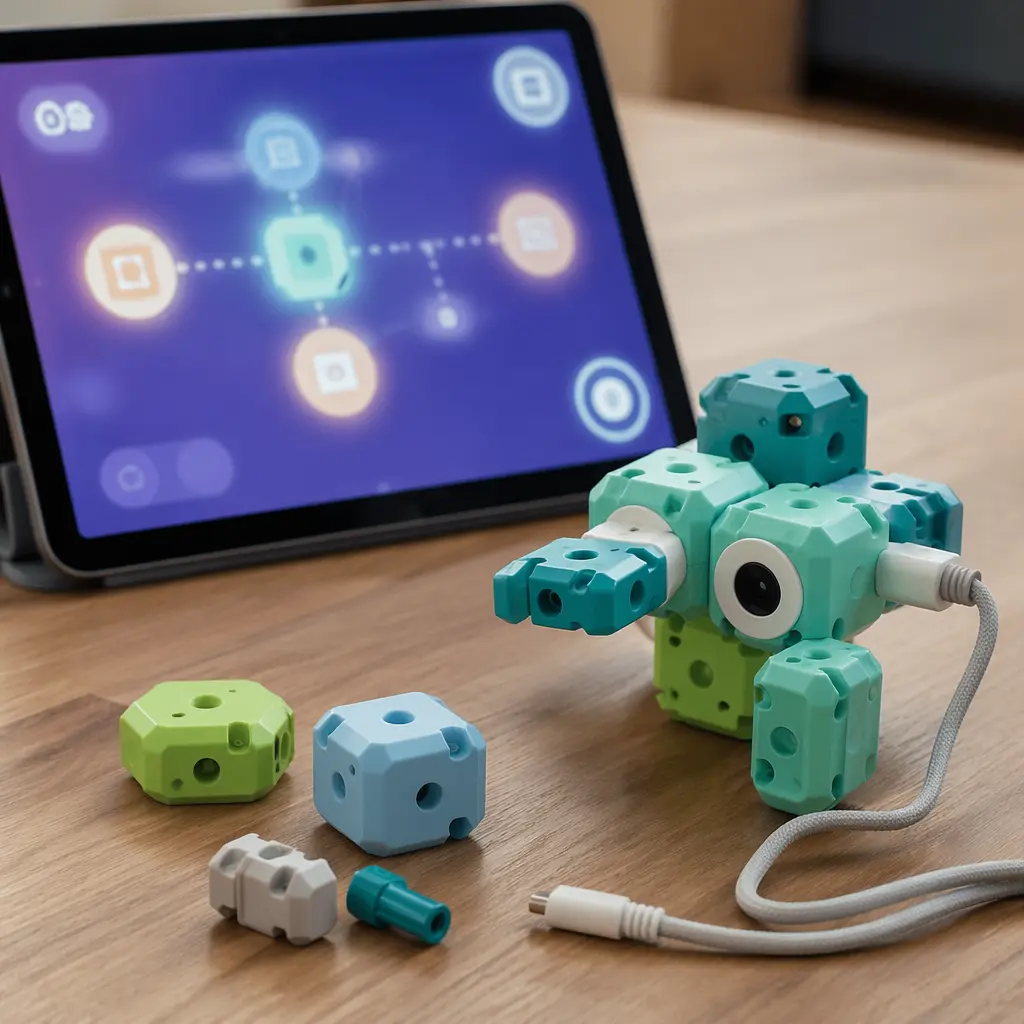
Not all app-connected toys are built the same. Some use the app as a thoughtful learning layer, while others rely on it for basic functions. Looking closely at how the digital and physical parts work together can help separate lasting value from short-lived novelty.
- Clear learning goals: Look for toys that practice skills like problem-solving, coding logic, creativity, or strategic thinking rather than just tapping and swiping.
- Meaningful physical play: The toy should still be engaging when the screen is set aside, not feel incomplete without the app.
- Depth over flash: Progression systems, open-ended challenges, or build-and-test cycles tend to hold attention longer than quick animations.
- Reasonable screen demands: Some toys require constant screen use; others check in only at certain steps. Decide what fits your family’s screen rules.
- Updates and longevity: Consider whether new challenges or content are added over time, and if the toy still works when updates stop.
- Privacy and controls: Parental settings, offline modes, and limited data collection matter, especially for this age group.
Age suitability
For ages 9–12, app-connected toys often make the most sense when they offer increasing complexity. Kids in this range can usually read instructions independently, follow multi-step challenges, and reflect on what went wrong when something fails. Toys that allow experimentation—changing variables, testing outcomes, and trying again—tend to match their growing independence. On the flip side, toys designed for younger kids may feel too guided, while those aimed at teens can be frustrating without prior experience. Checking the suggested age range is helpful, but also consider your child’s patience, interest in technology, and comfort troubleshooting on their own.
Standout categories or types
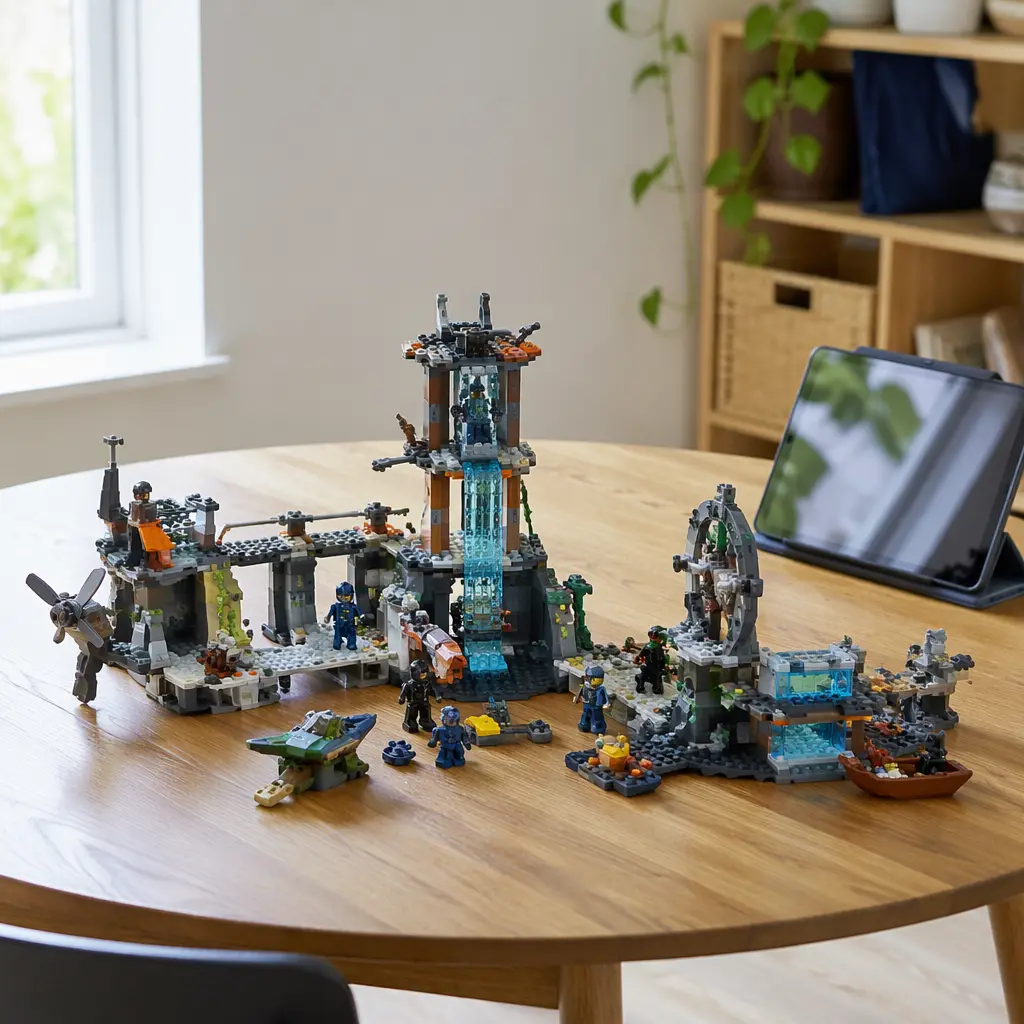
Connected toys for this age group tend to fall into a few broad categories, each with different strengths. Understanding these types can help you match a toy to your child’s interests rather than chasing the newest trend.
- Coding and logic toys: These often use apps to introduce sequencing, conditionals, and debugging. The strongest options let kids see real-world results from their code.
- Building and engineering kits: Apps may guide builds or simulate forces, while the hands-on pieces teach spatial reasoning and design thinking.
- Creative tools: Music, art, or storytelling toys can use apps for editing or sharing, with value depending on how much freedom kids have to create.
- Game-based learning toys: These lean toward challenges and rewards. They work best when skills learned in-game transfer to offline thinking.
- Hybrid games: Physical games enhanced by apps can add variety, but should still be playable and fun without constant device use.
Frequently asked questions
Do app-connected toys increase screen time?
They can, but it depends on the design. Some toys use the screen as a guide or occasional check-in, while others require continuous interaction. Reading the play pattern helps set expectations before buying.
Are these toys actually educational?
The educational value varies widely. Toys that encourage problem-solving, experimentation, and reflection tend to offer more learning than those focused mainly on points, sounds, or animations.
What happens if the app is no longer supported?
This is a real concern. If the toy relies entirely on the app, it may lose functionality over time. Toys that still work in a basic way without updates usually have better long-term value.
Do kids outgrow connected toys quickly?
Novelty can wear off fast if the challenges are shallow. Toys with open-ended play, multiple difficulty levels, or creative freedom are more likely to grow with your child.
App-connected toys can be worth it for kids 9–12 when they add depth to play instead of replacing it. The best options respect kids’ growing independence, support real learning, and fit within your family’s approach to screen use. By focusing on how the toy plays—both with and without the app—you can better judge whether it’s a smart addition or just a flashy distraction.