Beginner Electronics Toys for Teens Without Screens
A parent-focused guide to hands-on electronics toys for teens that teach circuits and systems without apps or screens. Learn what to look for, age fit, safety tips, and popular non-screen categories.
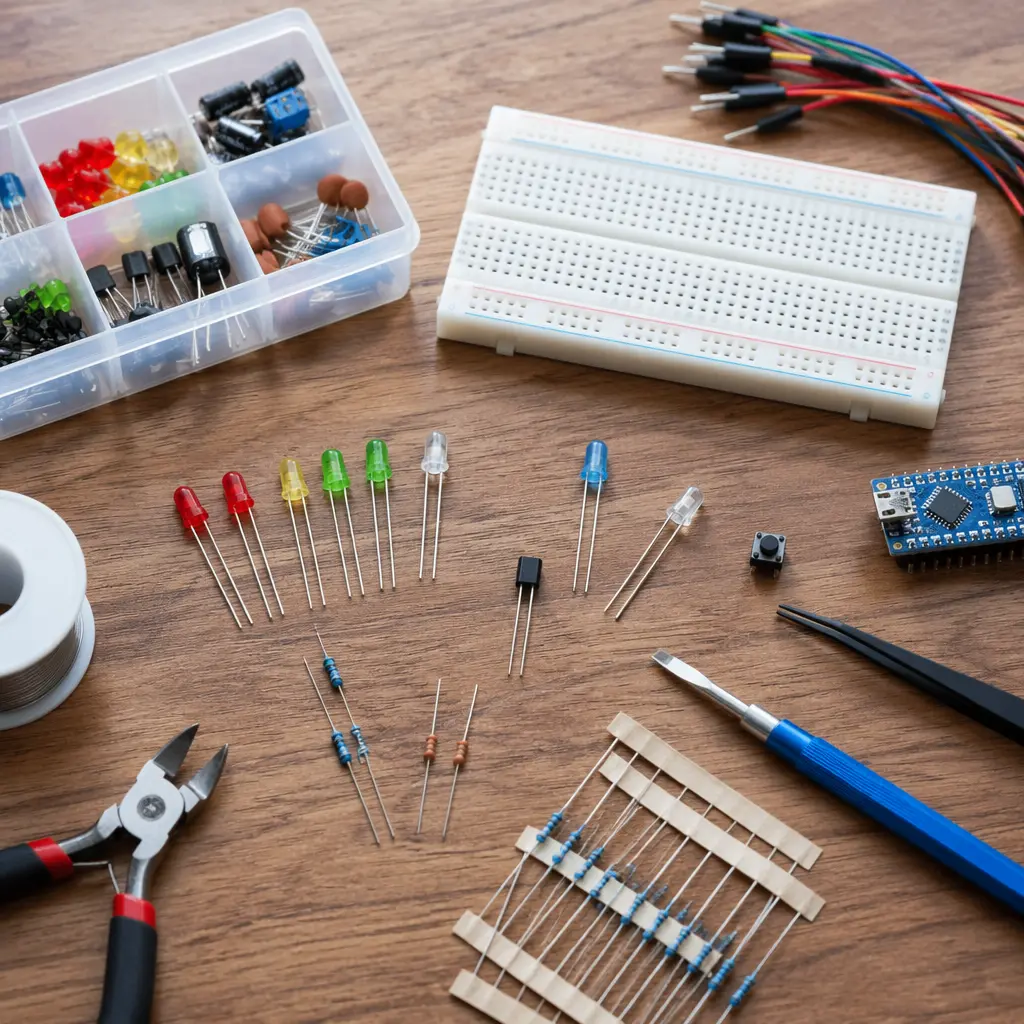
Compare prices and availability
Check current prices and availability for this guide on eBay.
As an eBay Partner, we may be compensated if you make a purchase.
Screen-free electronics toys give teens a way to learn how technology actually works—by building, testing, and troubleshooting with their hands. Instead of following an app, these kits focus on real circuits, physical components, and cause-and-effect learning. For parents of teens who like tinkering, engineering, or practical problem-solving, non-screen electronics can be both educational and engaging without adding more device time.
What to look for
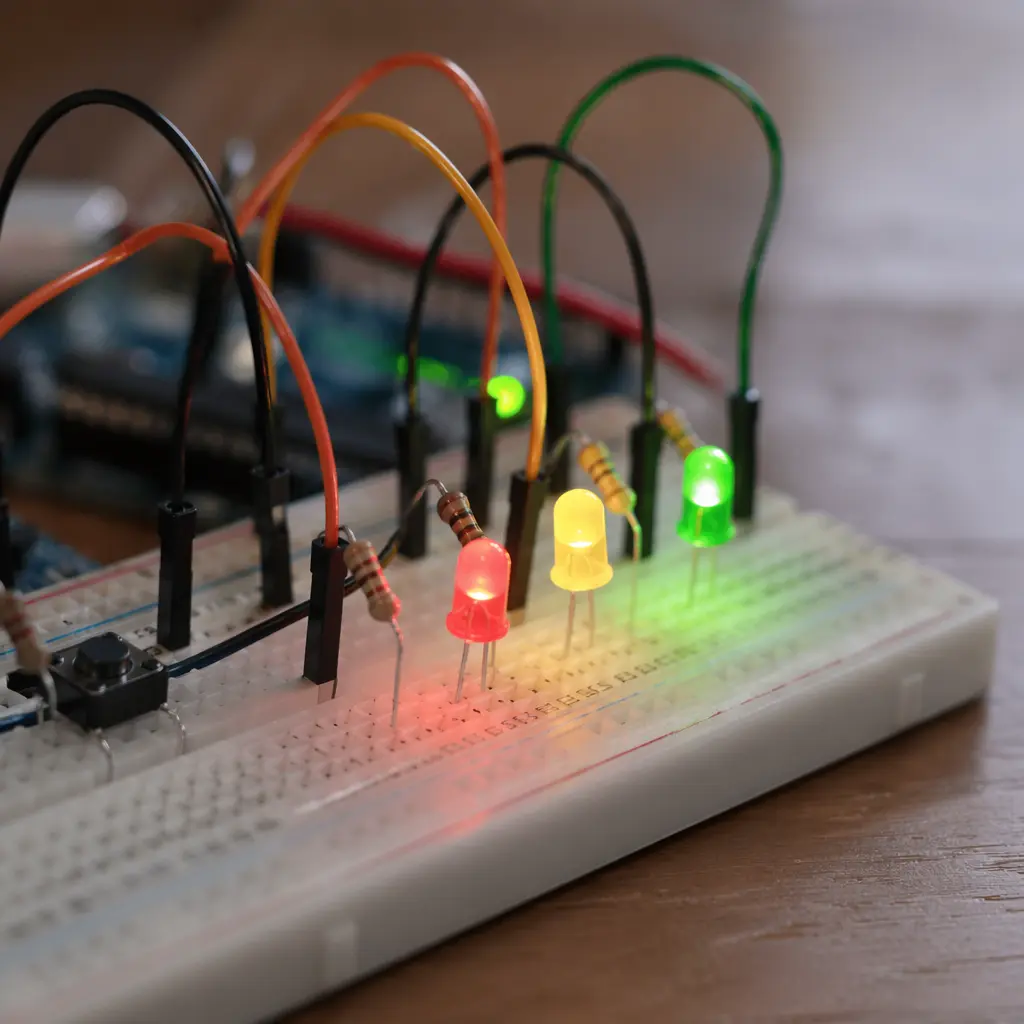
Not all electronics toys are built the same, especially for beginners. The right choice should balance challenge with clarity, allowing teens to make progress while still learning core concepts. Before buying, it helps to consider how the kit teaches, how flexible it is, and how safely it can be used at home.
- Clear instructions that explain why circuits work, not just how to assemble them
- Physical components like resistors, switches, motors, or sensors rather than pre-sealed modules
- Options for tool-free building or clearly guided soldering for beginners
- Room to experiment beyond one fixed project
- Safe power sources, such as low-voltage batteries
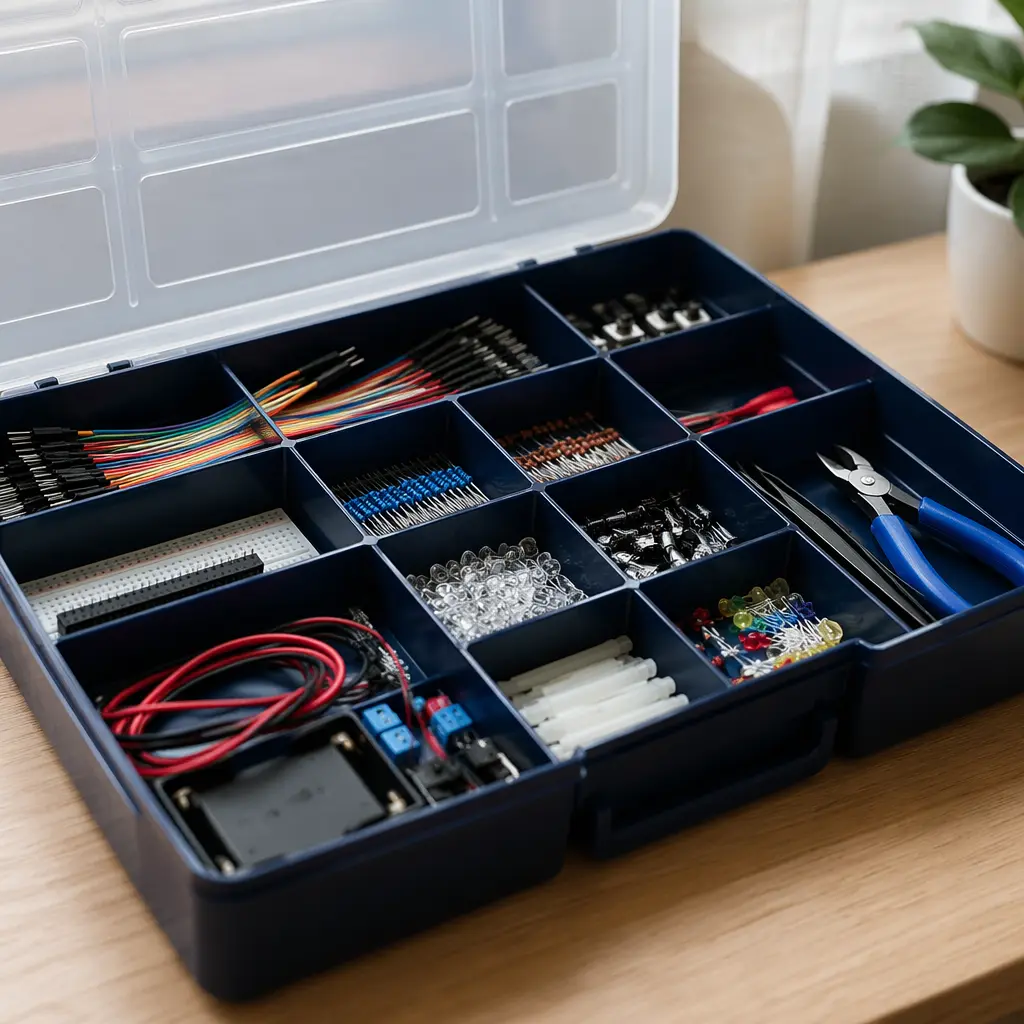
- Sturdy storage to keep small parts organized
Age suitability
For ages 13 and up, electronics toys can introduce real-world concepts used in engineering, robotics, and product design. Teens at this stage usually have the patience to follow multi-step diagrams and the curiosity to troubleshoot when something does not work right away. Kits labeled for younger kids may feel limiting, while advanced sets intended for adults can be frustrating without prior experience. Look for materials that assume basic reading skills and encourage independent problem-solving, while still being accessible to beginners.
Standout categories or types
Screen-free electronics toys come in several broad categories, each teaching skills in a different way. Some focus on quick experimentation, while others emphasize craftsmanship and precision. Choosing the right type depends on how your teen likes to learn.
- Snap-together circuit kits that let teens build and rebuild projects without tools
- Breadboard-based learning kits that introduce real prototyping methods
- Beginner soldering projects that teach permanent connections and careful assembly
- Analog electronics kits, such as audio circuits or simple radios
- Logic and systems kits that demonstrate switches, relays, and basic control concepts
Many families find that starting with tool-free or breadboard-based kits builds confidence, while soldering projects work well as a next step. The most educational options encourage experimentation, allowing teens to modify circuits and observe how small changes affect results.
Frequently asked questions
Do screen-free electronics toys still teach useful tech skills?
Yes. Understanding circuits, power flow, and component behavior is foundational knowledge for many technical fields. These skills apply to engineering, robotics, and even software development later on.
Is soldering necessary for beginners?
Not at first. Many beginner kits avoid soldering so teens can focus on learning concepts. Soldering becomes useful once they are comfortable with basic components and want to build more permanent projects.
How much adult involvement is required?
Most teens can work independently after an initial introduction. Parents may need to help with safety guidance or troubleshooting early on, but many kits are designed for self-directed learning.
Will these toys hold a teen’s interest?
Open-ended kits tend to last longer than single-project builds. When teens can experiment, customize, and invent their own circuits, engagement usually extends well beyond the first few sessions.
Screen-free electronics toys offer a practical, hands-on way for teens to explore how technology works beneath the surface. By choosing age-appropriate kits with clear guidance and room to grow, parents can support curiosity, creativity, and real technical skills—without adding more screen time to the day.