Beginner Tech Toys That Teach Circuits Without Screens
A parent-friendly guide to hands-on circuit toys for ages 9–12 that teach electronics through building and experimenting—no apps, accounts, or screens required.
Compare prices and availability
Check current prices and availability for this guide on eBay.
As an eBay Partner, we may be compensated if you make a purchase.
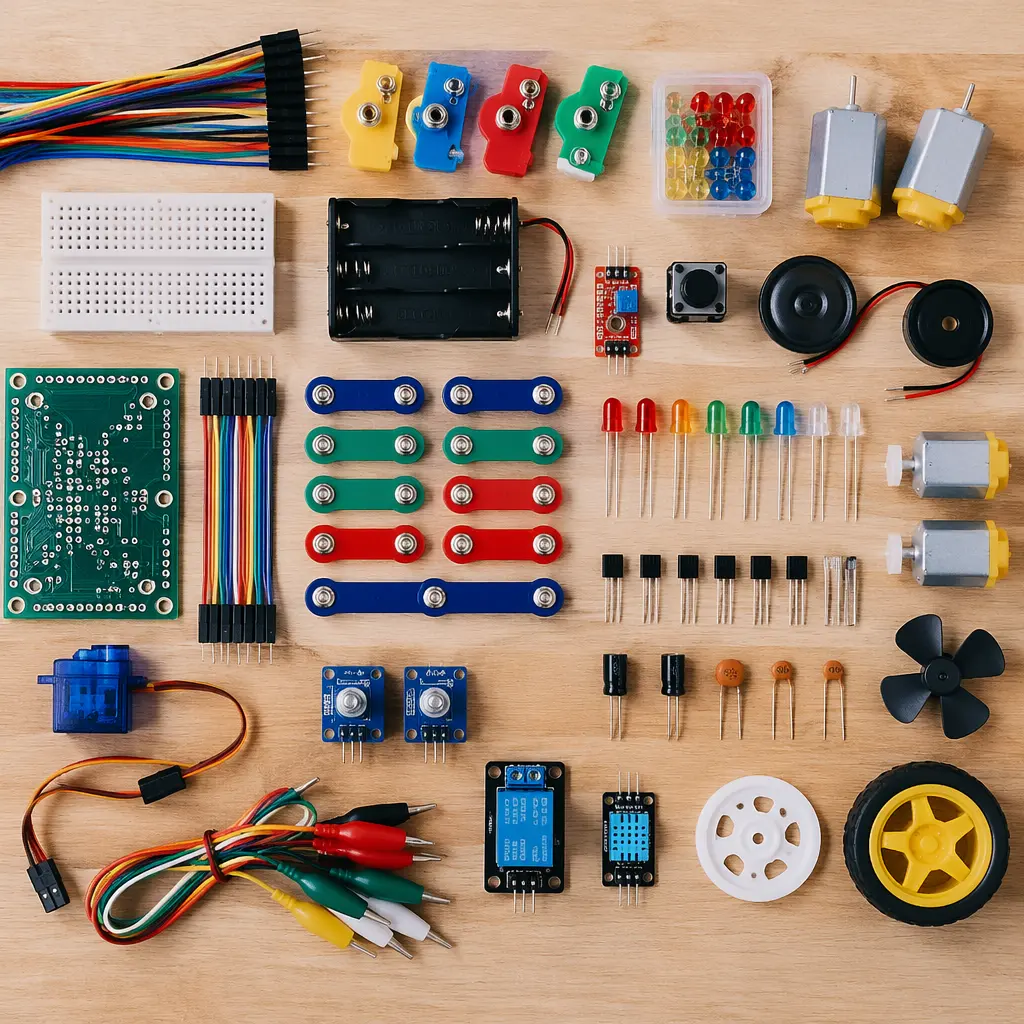
Many parents want tech toys that teach real skills without adding more screen time. Circuit-building toys fit that need well. They introduce how electricity flows, how components work together, and how to troubleshoot problems—using hands-on parts instead of apps. For kids ages 9–12, the best options feel modern and engaging while staying tactile and unplugged.
What to look for
Circuit toys vary widely in complexity and style. Some focus on quick builds and visual feedback, while others lean toward open-ended experimentation. For beginners, especially in the 9–12 age range, look for sets that balance guidance with room to explore.
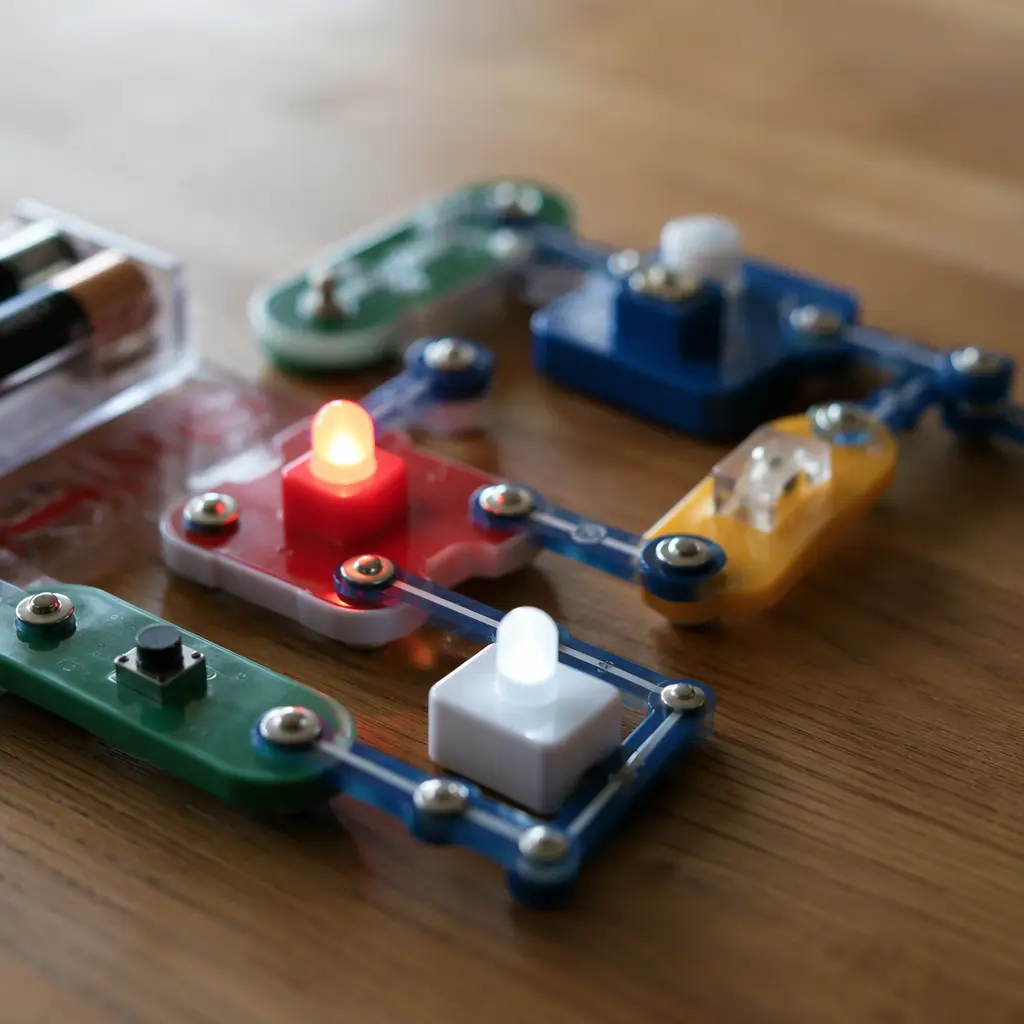
- Clear physical connections, such as snaps, plugs, or spring terminals that show how parts link together
- Core components like LEDs, buzzers, switches, resistors, and small motors
- Instruction guides that explain concepts in plain language, not just diagrams
- Projects that work right away but encourage modifications and experimentation
- Sturdy parts that can handle repeated building and rebuilding
- No requirement for apps, tablets, or computer connections
Age suitability
For ages 9–12, kids are typically ready to understand basic ideas like closed circuits, polarity, and cause-and-effect. Toys aimed at this group should move beyond simple on/off results and start showing how changing one part affects the whole system. At the same time, instructions should not assume prior electronics knowledge. The best sets grow with the child, starting simple and becoming more challenging as confidence builds.
Standout categories or types
Screen-free circuit toys tend to fall into a few main categories, each with its own strengths. Choosing the right type depends on how your child likes to learn and build.
- Snap-based circuit systems that make it easy to see connections and get quick results
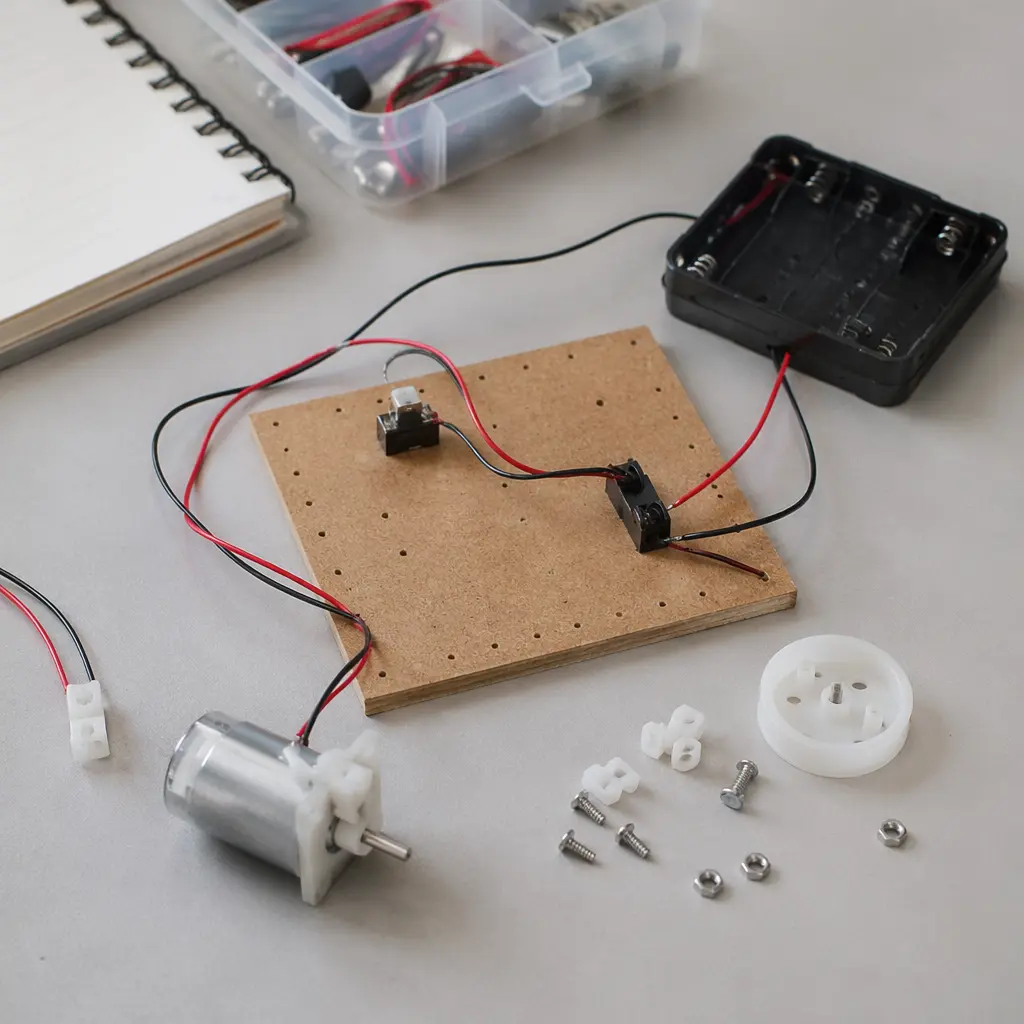
- Build-your-own kits that use wires and terminals for a more realistic electronics feel
- Project-focused sets centered on alarms, lights, or simple machines
- Open-ended component collections designed for free-form experimentation
- Hybrid craft-and-circuit kits that blend electronics with physical creations
Snap-based systems are often the most approachable for beginners, while wire-based kits can feel more advanced and closer to real-world electronics. Open-ended sets appeal to kids who enjoy tinkering and problem-solving without step-by-step instructions.
Frequently asked questions
Do screen-free circuit toys still teach real tech skills?
Yes. These toys focus on foundational concepts like current flow, inputs and outputs, and system thinking. Those ideas carry over to later learning in robotics, coding, and engineering, even if no screens are involved at first.
Will my child get bored without digital features?
Many kids stay engaged because the feedback is physical—lights turn on, motors spin, and buzzers sound. The ability to change parts and immediately see results often keeps interest high.
How much adult help is usually needed?
Most beginners benefit from some guidance at the start, especially when learning to follow diagrams or troubleshoot mistakes. Over time, many kids can work independently or with minimal check-ins.
Are these toys suitable for classrooms or group learning?
Yes. Screen-free circuit kits work well in group settings because multiple kids can gather around the same project, discuss ideas, and take turns adjusting components.
Beginner circuit toys without screens offer a practical way for kids to explore technology by building with their hands. For parents seeking educational value without extra digital time, these tactile electronics sets can spark curiosity, problem-solving, and confidence—skills that matter well beyond playtime.