Bitzee Disney vs Nano Pets for Short Attention Spans
A parent-focused guide to Bitzee Disney and Nano-style virtual pets for ages 6–8, comparing replay value, care loops, noise, durability, app-free play and long-term interest.
Compare prices and availability
Check current prices and availability for this guide on eBay.
As an eBay Partner, we may be compensated if you make a purchase.
Virtual pets often create a strong first impression. Kids enjoy unlocking characters, feeding digital animals and carrying a small toy everywhere for a few days. The bigger question for parents is whether the toy still gets used once the novelty fades. For children aged 6–8 who move quickly between interests, replay value matters more than flashy features. Bitzee Disney and Nano-style virtual pets approach that challenge differently. One focuses on animated interactions and collectible characters, while the other leans into simple routines and low-pressure care loops. Understanding those differences can help parents choose a toy that fits their child’s attention span, patience level and tolerance for repetitive play.
What to look for
The biggest difference between virtual pets is not graphics or sound effects. It is the play loop. Some toys depend on frequent check-ins and routine maintenance, while others reward short bursts of interaction and collecting. For children who lose interest quickly, the best choice is usually a toy that still works in small sessions without punishing missed days. Parents should also consider how much setup, supervision and battery replacement the toy requires.
- Look for play that works in 5–10 minute sessions instead of demanding constant attention.
- Check whether progress resets completely after neglect or whether children can easily restart without frustration.
- Consider noise levels. Many virtual pets include repetitive sound effects that may become tiring during car rides or shared spaces.
- Think about portability and durability. Keychain-style pets are easier to carry but easier to lose.
- Choose simple controls for younger children. Tiny menus and layered commands can lead to frustration.
- Check battery type and replacement access. Some electronic pets become disappointing quickly if batteries drain often.
- For connected or app-linked toys, verify whether core play still works offline and without subscriptions. Bitzee-style toys generally work without accounts or cloud features.
Age suitability
For ages 6–8, virtual pets work best when children can manage the toy independently but still enjoy nurturing play. Bitzee Disney tends to appeal more to children who like surprise reveals, recognizable characters and sensory interaction. Its animated visual style can feel more exciting at first than a traditional pixel pet. Nano-style pets often suit children who enjoy routines, collecting and low-stimulation toys that can sit in a backpack or pocket. Younger six-year-olds may need help understanding some care mechanics or menu systems, especially if the toy uses multiple button combinations. Children who become upset by “failing” a virtual pet may prefer models with forgiving reset systems rather than strict care penalties.
Options compared
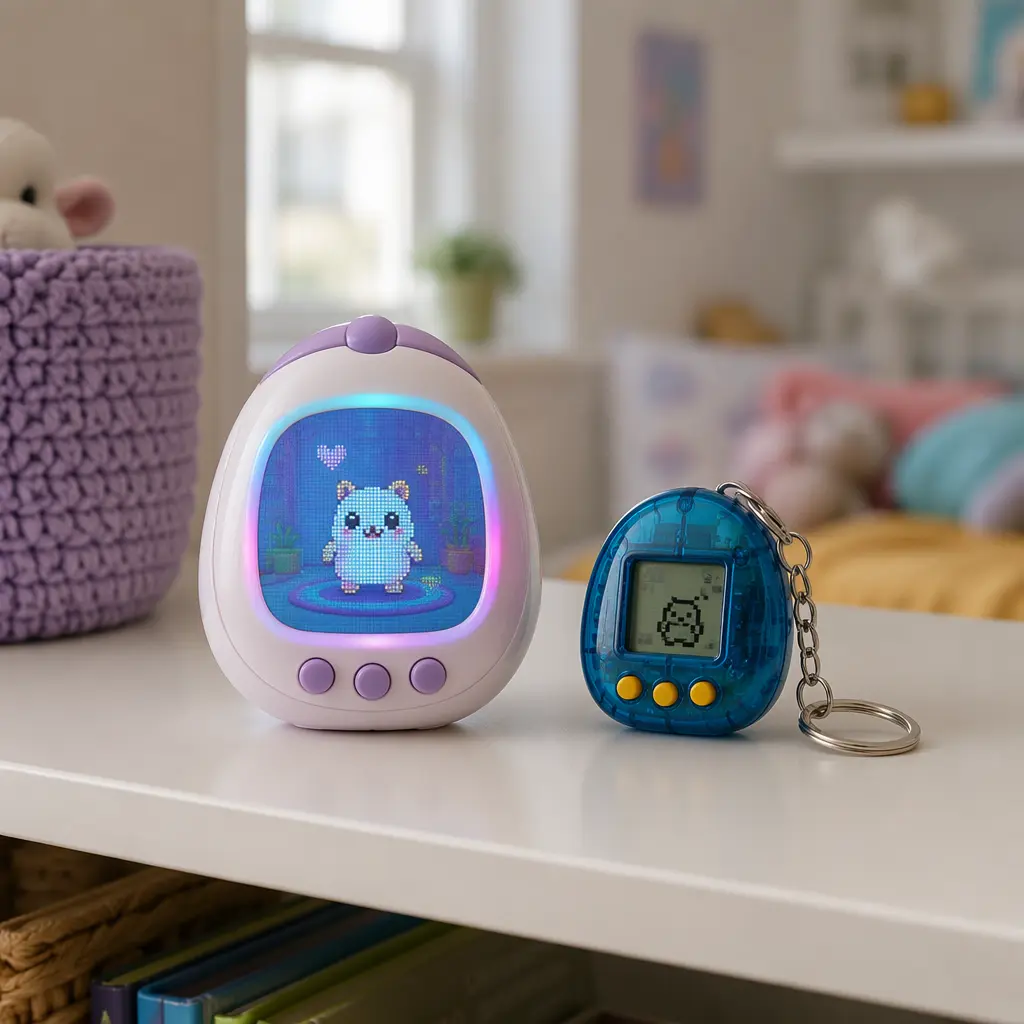
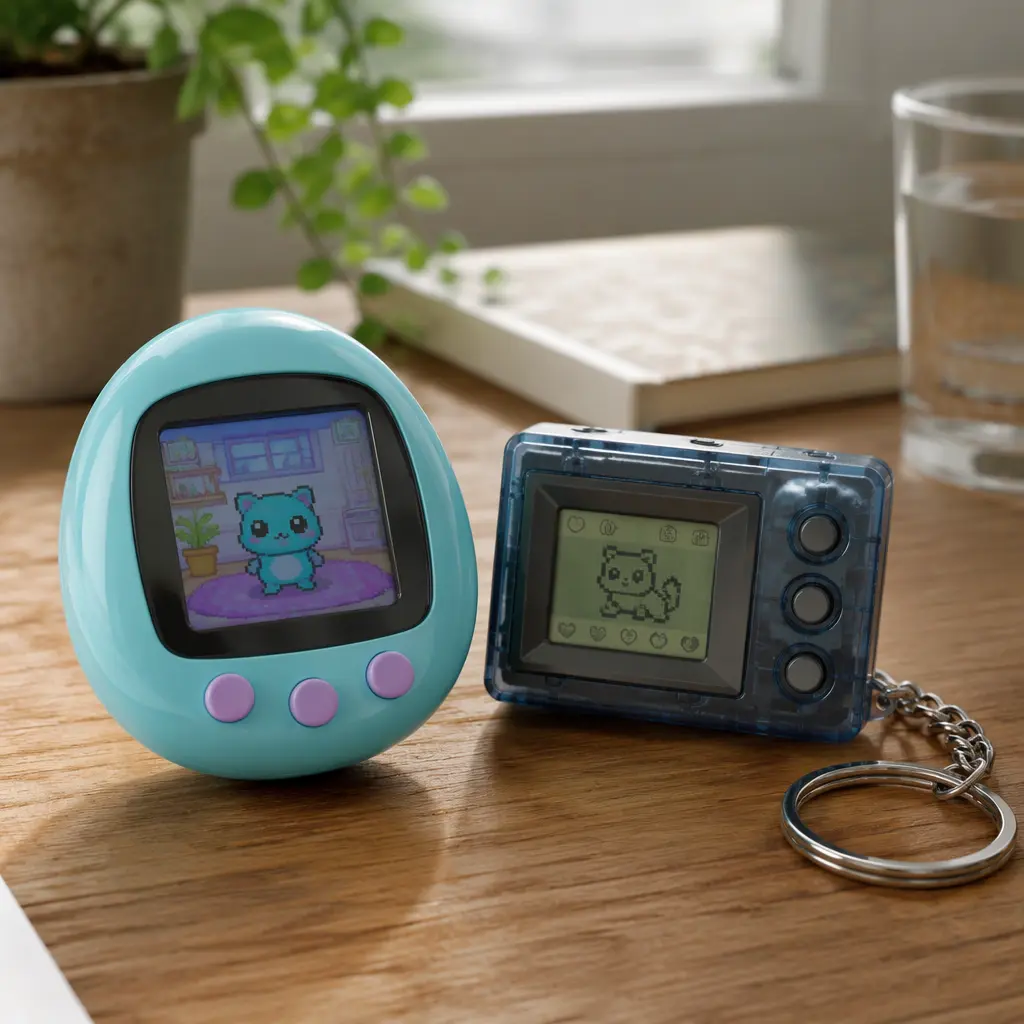
Bitzee Disney stands out because the interaction feels more animated than older virtual pets. Instead of only watching a static screen, children interact through taps, swipes and movement-based responses. The reveal and unlock system can hold attention longer during the first week because there is a sense of progression. Disney-themed characters may also increase emotional attachment for children already familiar with those franchises. The trade-off is that some children exhaust the discovery aspect quickly once they unlock favorite characters. After that point, the care loop may feel repetitive unless the child genuinely enjoys revisiting characters and collecting more content.
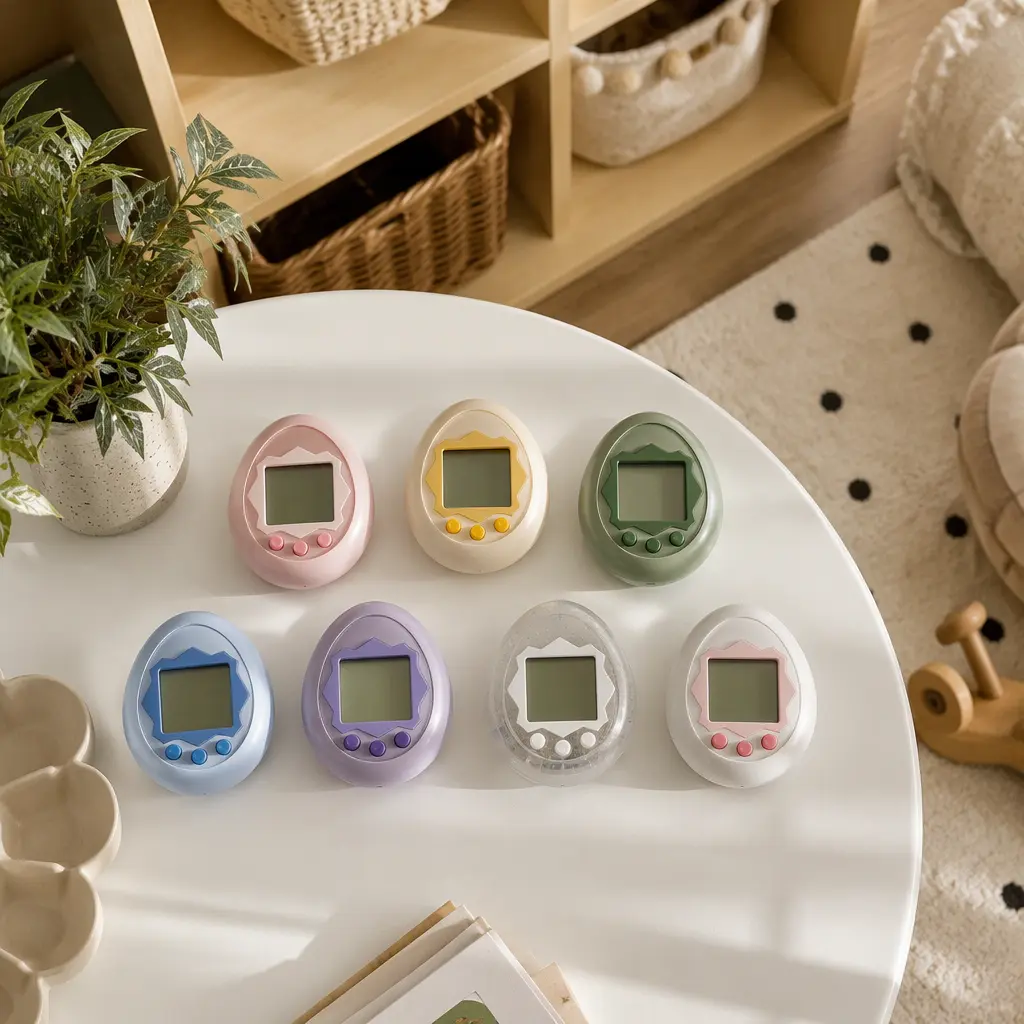
Nano-style virtual pets usually offer a simpler and slower experience. The graphics are more basic, and the activities are repetitive by design: feeding, cleaning, mini-games and occasional check-ins. That simplicity can actually improve long-term use for some children because there is less pressure to unlock or complete everything quickly. Kids can ignore the toy for a day and return without feeling overwhelmed. Nano pets also tend to be quieter and easier to carry around discreetly. However, they may feel too limited for children who expect richer interaction or fast rewards.
- Bitzee Disney often suits kids who enjoy collecting characters, sensory interaction and short excitement bursts.
- Nano-style pets often suit children who like routines, portable gadgets and calmer repetitive play.
- Children who abandon toys after unlocking everything may lose interest in Bitzee-style progression systems faster.
- Children frustrated by complex controls may prefer simpler Nano-style interfaces.
- Families sensitive to repetitive sounds may prefer lower-volume or quieter retro-style pets.
- For travel and backpacks, smaller keychain pets are easier to carry but easier to misplace.
- Children expecting tablet-level entertainment may find both types limited after the novelty period.
Frequently asked questions
Do virtual pets still hold attention for modern kids?
Sometimes, but usually in shorter bursts than larger electronic toys or gaming devices. The strongest long-term engagement tends to come from children who enjoy collecting, routines or nurturing play rather than fast-paced action. Many kids return to virtual pets in cycles instead of playing continuously every day.
Is Bitzee Disney actually AI?
No. Toys like Bitzee Disney use programmed animations, sensors and interaction systems rather than conversational artificial intelligence. They respond to inputs and actions but do not function like AI chatbots or cloud-connected assistants.
Which option is better for short attention spans?
It depends on why the child loses interest. Kids who need novelty and surprises may stay engaged longer with Bitzee Disney because of unlockable content and animated interaction. Kids who dislike pressure or complicated systems may return more often to a simpler Nano-style pet because it asks less from them.
Are these toys truly screen-free?
Not completely. Both use digital displays or electronic visual effects, but they are different from tablets or phones because they focus on one contained activity without apps, web browsing or endless media feeds. Many parents see them as a lower-stimulation alternative to general-purpose screens.
What usually causes kids to stop using virtual pets?
The most common reasons are repetitive gameplay, forgotten care routines, dead batteries or completing unlock systems too quickly. Children who already enjoy collectible toys, routines or role-play tend to revisit virtual pets more often over time.
For children who lose interest fast, neither Bitzee Disney nor Nano-style pets guarantee long-term engagement. The better choice depends on whether the child prefers novelty or familiarity. Bitzee Disney offers a stronger early excitement phase with more visual interaction, while Nano-style pets often work better as low-pressure comfort toys children can revisit casually. Parents choosing between them should focus less on marketing claims and more on how their child usually plays once the first burst of excitement fades.