Bitzee Disney vs Punirunes for Constant-Checking Kids
A parent-focused guide to Bitzee Disney and Punirunes for ages 6–8, comparing virtual-pet play loops, travel practicality, battery considerations and how each may affect repetitive checking habits.
Compare prices and availability
Check current prices and availability for this guide on eBay.
As an eBay Partner, we may be compensated if you make a purchase.
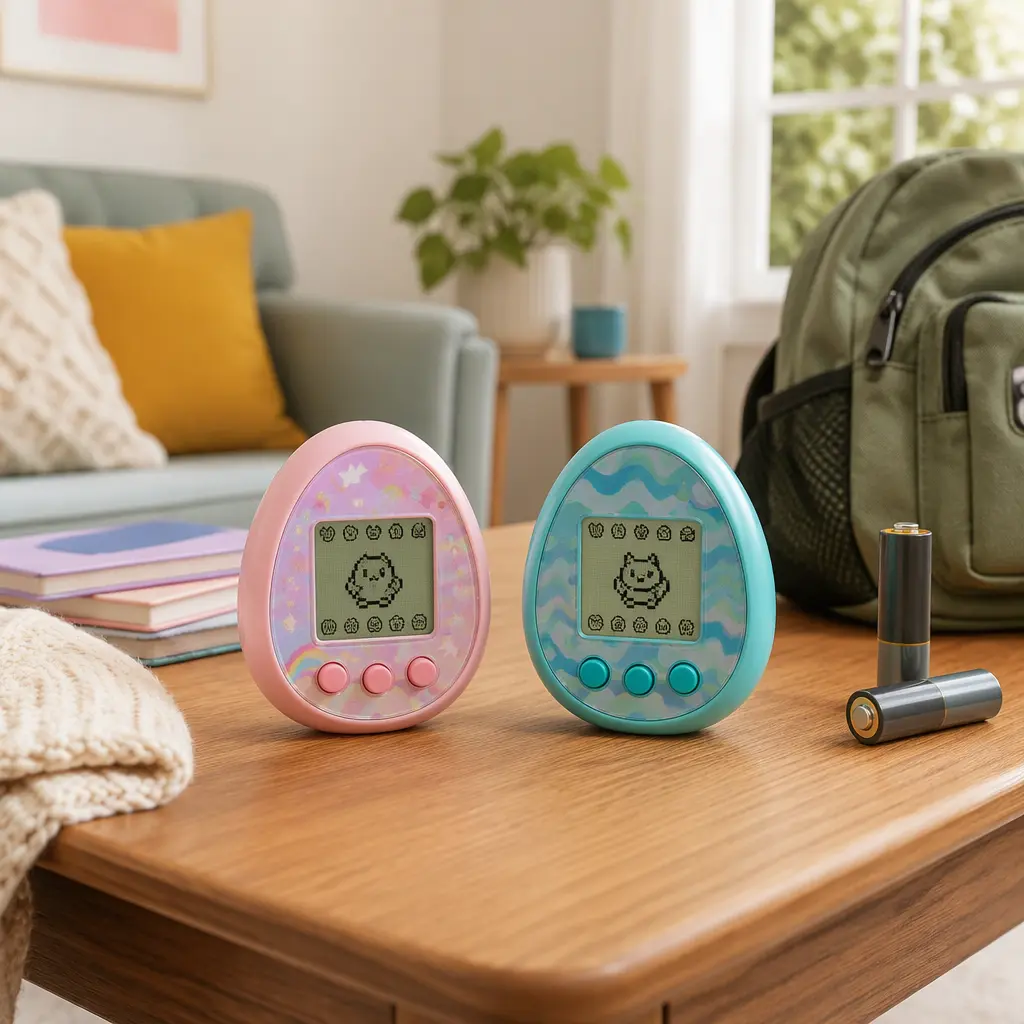
Virtual-pet toys can be appealing for children who enjoy collecting characters, caring routines and quick interactive rewards. For some families, though, the biggest question is not which toy has more features but whether the play style encourages healthy short sessions or repeated checking throughout the day. Bitzee Disney and Punirunes both target children around ages 6–8, yet they create different rhythms of play. One leans more toward reactive pop-in interactions and character collection, while the other focuses on tactile play and nurturing routines. Parents comparing the two should look beyond the novelty factor and think about noise levels, portability, battery use, durability during travel and how easily a child can step away from the toy without frustration.
What to look for
The biggest difference between these toys is how they reward attention. Some virtual pets are designed around frequent interactions, reminders and incremental progress, while others work better as occasional play companions. Children who already struggle to disengage from games may respond differently depending on how visible the progression systems feel. It is also worth checking practical factors like volume control, battery replacement, and whether the toy remains enjoyable without internet-connected features or companion apps.
- Look for adjustable or mute-friendly sound settings if the toy may be used in cars, restaurants or shared bedrooms.
- Consider whether your child enjoys collecting many characters or prefers slower nurturing play with a smaller number of favorites.
- Check battery type and expected replacement frequency. Small electronic toys can become expensive or inconvenient during travel if batteries drain quickly.
- Think about tactile interaction. Punirunes uses a physical touch-style interaction system, while Bitzee-style toys focus more on visual reactions and gesture-like play.
- Evaluate frustration tolerance. Toys with constant progression loops may encourage repeated checking for rewards, evolutions or unlocks.
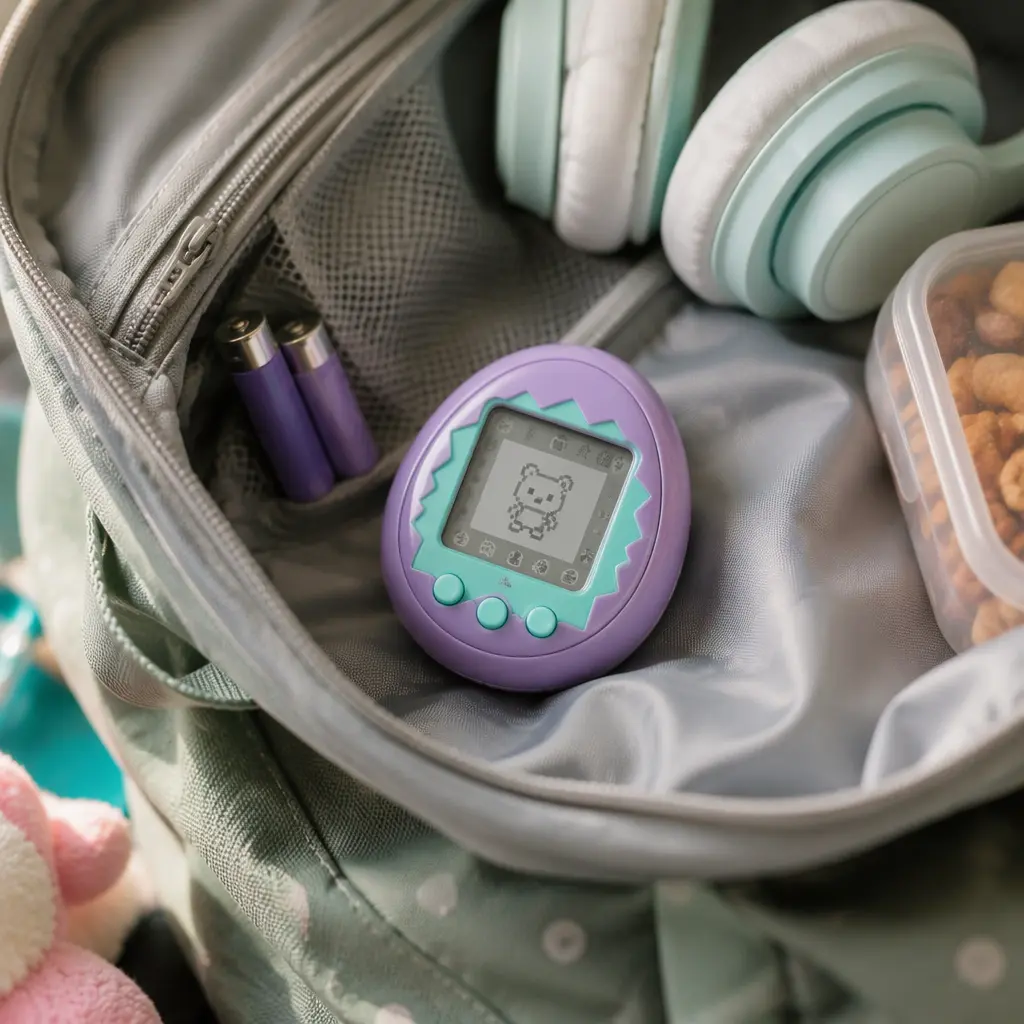
- Consider portability and durability. Compact clamshell-style toys may travel better in backpacks than softer or more exposed designs.
- Check whether the toy has meaningful offline play. Some connected toys lose features without apps or updates, although these product families are primarily self-contained electronic toys rather than cloud-based AI devices.
Age suitability
For ages 6–8, both Bitzee Disney and Punirunes generally fit children who can follow simple care routines and handle lightweight electronics responsibly. Bitzee-style toys often suit children who enjoy fast novelty and collecting recognizable characters, especially those who like quick interactions during short breaks. Punirunes may suit children who prefer sensory play, repetitive tactile input and slower nurturing gameplay. Children who become highly focused on streaks, unlocks or completion mechanics may need clearer boundaries around either toy, especially during school days or bedtime routines. Families looking for a calm independent activity for travel may find either option useful in moderation, but neither should be treated as a fully screen-free alternative in the traditional sense because both still rely on electronic reward loops and animated interactions.
Options compared
Bitzee Disney toys are built around animated digital characters that appear through a physical display effect. The appeal comes largely from collecting characters and triggering reactions through short interactions. For children prone to obsessive checking, this can cut in two directions. Some children engage in brief bursts and move on because interactions are quick and self-contained. Others may repeatedly reopen the toy to see new reactions, unlocks or progression milestones. The Disney character connection may increase attachment for children already invested in familiar franchises.
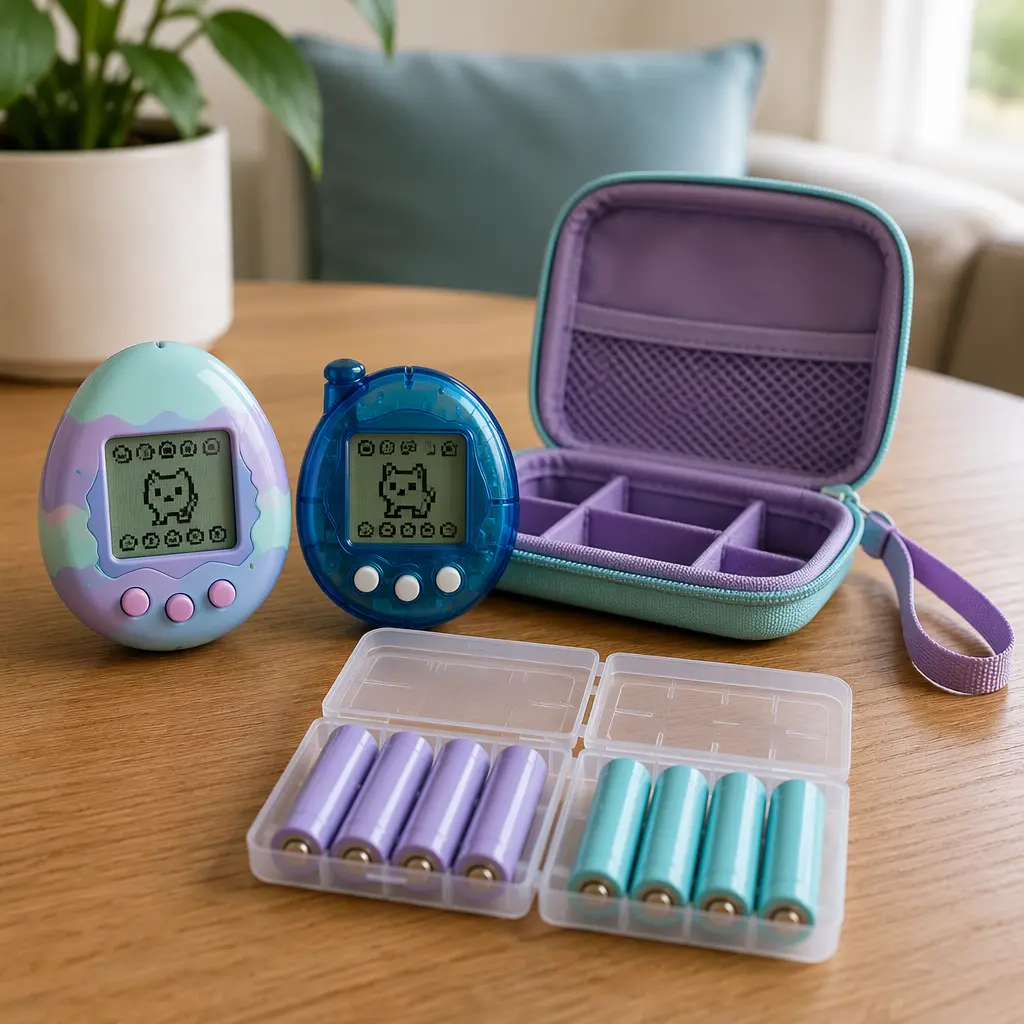
Punirunes approaches virtual-pet play differently by emphasizing tactile interaction through a squishy touch-style interface. The sensory aspect can feel more calming and focused for some children, especially those who enjoy fidget toys or repetitive hand movements. At the same time, nurturing mechanics can encourage routine checking similar to classic digital pets. Parents may find Punirunes slightly better suited to quieter solo play sessions, while Bitzee-style toys may create more excitement around collecting and showing reactions to friends. In practical terms, both are compact enough for travel, but battery planning matters if they are intended for flights, road trips or waiting rooms. Families who want a toy that can easily stay packed away between uses may prefer whichever option creates less emotional urgency for their child personally, since the play-loop intensity varies more by temperament than by marketing category alone.
- Bitzee Disney may suit children who enjoy recognizable characters, collecting mechanics and fast interactions.
- Punirunes may suit children who prefer tactile sensory play and slower-paced nurturing routines.
- Children who become anxious about missing rewards or progression may need time limits with either toy.
- For quieter environments, check whether sounds can be lowered or muted before travel.
- Families wanting minimal maintenance should factor in battery replacement and the possibility of lost interest after the novelty period.
Frequently asked questions
Do these toys use AI features?
No. These toy lines are electronic virtual pets rather than AI-powered companions. They use programmed responses, animations and interaction systems instead of conversational AI, cloud-based personalization or open-ended chat features.
Which toy is better for limiting constant checking?
That depends more on the child's personality than the product category. Children strongly motivated by collecting and unlocks may repeatedly revisit Bitzee-style toys, while children attached to care routines may frequently check Punirunes. Structured play windows can matter more than the toy choice itself.
Are these good travel toys?
Both are relatively compact and easier to pack than larger electronic toys. They can work well for car rides or waiting rooms because interactions are short. Parents should still plan for battery needs and consider whether sound effects could become repetitive in shared spaces.
Do they work without apps or internet?
These product families are mainly designed as standalone electronic toys. Unlike app-dependent smart toys, their core play functions do not rely heavily on internet connectivity or cloud accounts, which simplifies setup and travel use.
What are the biggest downsides?
The main concerns are repetitive reward loops, possible over-checking behavior and limited long-term depth once the novelty wears off. Some children also become frustrated if batteries run out unexpectedly during travel or if progression systems feel interrupted.
For most families, the better choice comes down to the kind of engagement they want to encourage. Bitzee Disney leans toward energetic collecting and quick novelty, while Punirunes emphasizes tactile interaction and nurturing play. Neither is automatically better for children prone to obsessive habits, but understanding how your child responds to rewards, routines and character attachment can make the decision much easier. Clear expectations around when the toy can be used often matter just as much as the features inside the device.