Moflin vs Ropet: Which AI Pet Needs Less Upkeep?
Compare Moflin and Ropet for families seeking an AI companion with manageable charging, privacy, app dependence and day-to-day care demands.
Compare prices and availability
Check current prices and availability for this guide on eBay.
As an eBay Partner, we may be compensated if you make a purchase.
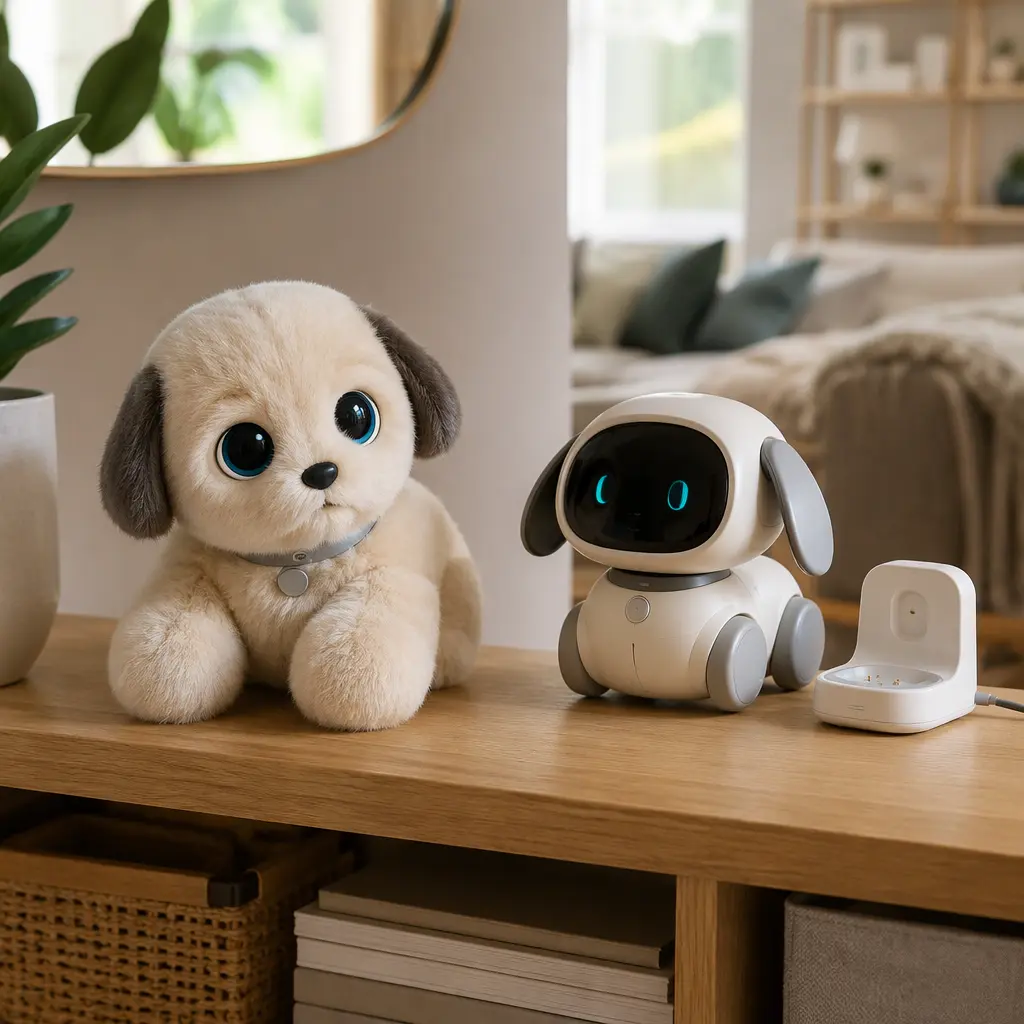
AI companion pets are designed to offer some of the appeal of a live pet without feeding schedules, litter boxes or vet visits. For families comparing Moflin and Ropet, the main question is usually not which one is more advanced, but which one fits daily life with the least friction. Both aim to create emotional interaction through movement, sound and responsiveness, yet they approach that goal differently. Moflin focuses on soft emotional bonding and evolving behavior, while Ropet leans more toward expressive robotic interaction and app-connected features. The better low-maintenance choice depends on how much charging, setup, app management and supervision your household is willing to handle.
What to look for
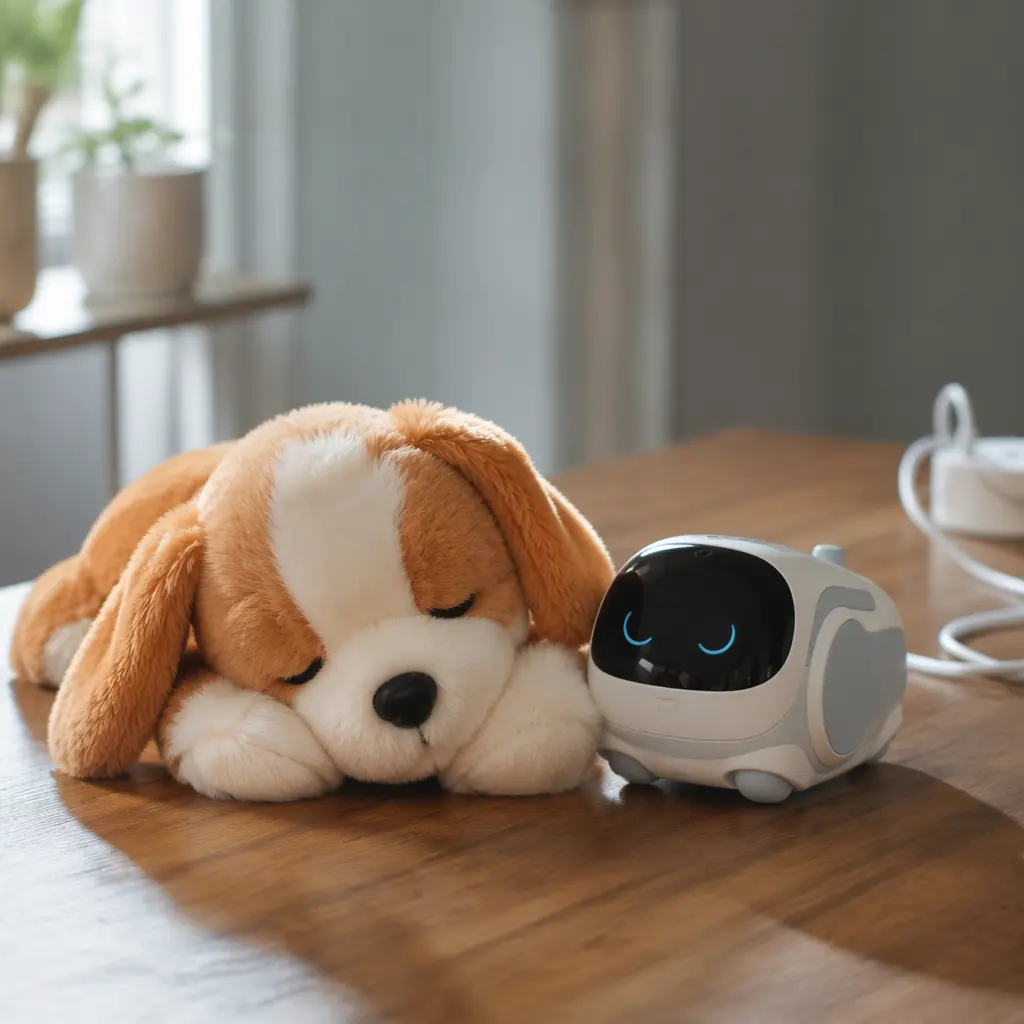
Unlike traditional plush toys or simple animatronics, AI pets often rely on sensors, software updates and companion apps to deliver their personality features. A lower-maintenance experience usually means fewer interruptions, less account management and enough offline functionality that the toy remains usable even when the app is not open. Families should also think about how often children will expect interaction. AI pets that encourage continuous engagement can become demanding in a different way from ordinary toys.
- Charging routine matters more than advertised features. Frequent charging or dock placement can frustrate children who expect constant availability.
- Check whether core interactions work offline or whether cloud services and apps are required for personality updates or responses.
- Look for clear privacy controls, especially if microphones, cameras or voice recognition are included.
- Consider noise levels. Emotional sounds and movement effects may be charming initially but tiring in shared spaces or bedrooms.
- Storage and durability are important because many AI pets contain delicate electronics that should not be dropped or squeezed heavily.
- App compatibility can affect longevity. Older tablets or restricted family devices may not support all features.
- Subscription models or credit-based AI systems can add ongoing costs beyond the initial purchase.
Age suitability
For children aged 9 to 12, AI pets can work best as novelty companions rather than replacements for imaginative play, crafts or outdoor activities. Kids in this age range are usually old enough to understand charging routines, app permissions and basic device care, but they may still become disappointed if an AI pet behaves unpredictably or loses functionality without internet access. Moflin’s softer, comfort-oriented interaction style may appeal more to children who enjoy calming sensory toys or emotional attachment play. Ropet-style robotic companions may suit children who prefer gadgets, customization and interactive responses. Families with younger siblings should also check whether exposed charging contacts, moving parts or detachable accessories are suitable for mixed-age households.
Options compared
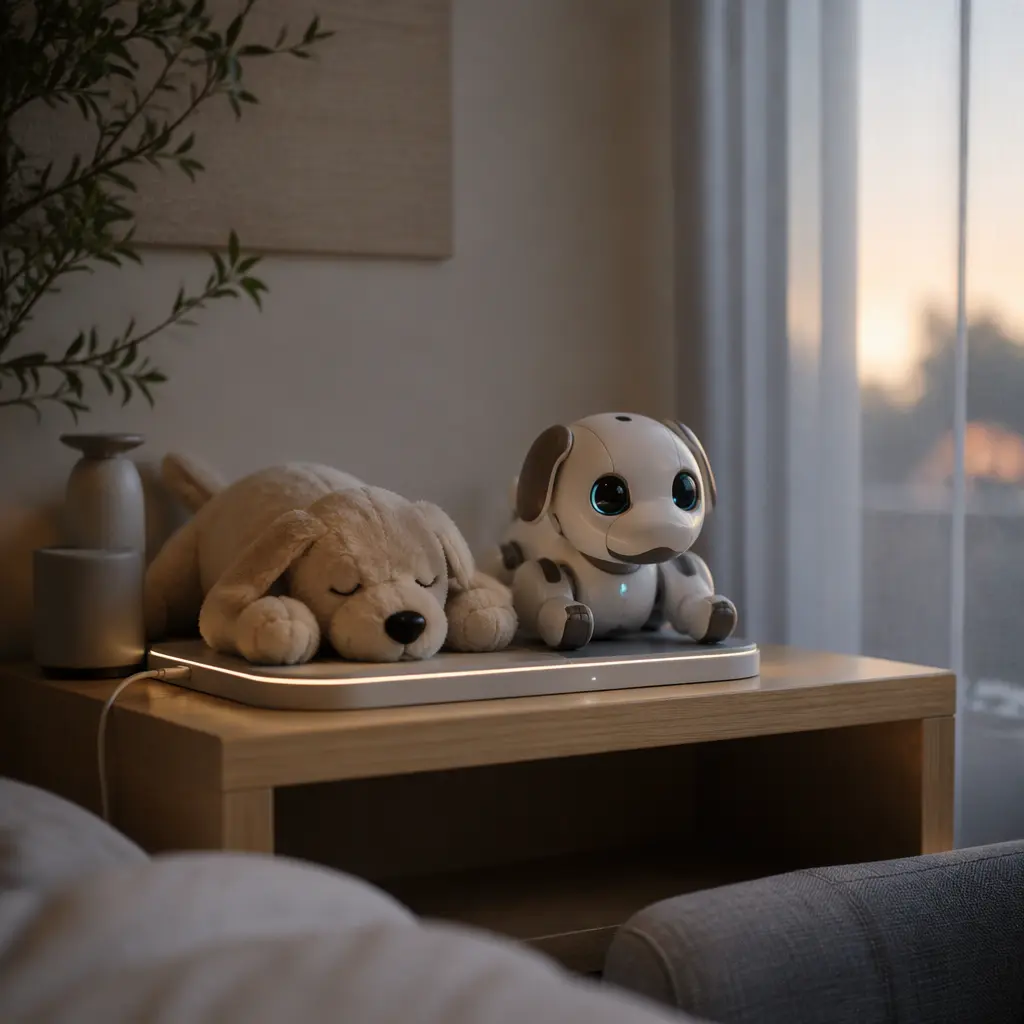
Moflin is generally positioned as an emotionally responsive companion rather than a feature-heavy smart robot. Its appeal comes from quieter interaction, soft textures and behavior that changes over time according to how it is handled. For families looking for something closer to a comforting pet substitute, that simplicity can reduce maintenance pressure. Children are less likely to spend long sessions navigating menus or app controls, and the toy may fit more naturally into calm environments like bedrooms or reading corners. However, families should still expect battery charging, software support considerations and some dependence on connected services if personality features are cloud-linked.
Ropet-style AI pets often emphasize expressive movement, reactions and digital customization. That can make them feel more dynamic at first, especially for tech-focused children, but it can also increase upkeep. More interactive features may mean more notifications, more app time and more opportunities for compatibility issues after device updates. If the toy relies heavily on cloud processing or account-based systems, offline usefulness may be limited. On the other hand, families who want a gadget-like experience with regular novelty may prefer that approach. In practical terms, Moflin is usually the better fit for households prioritizing calm companionship and lower stimulation, while Ropet may suit children who enjoy active interaction and experimenting with smart features.
- Choose Moflin-style AI pets if your priority is quiet companionship, sensory comfort and fewer app-heavy interactions.
- Choose Ropet-style AI pets if your child enjoys robotics, expressive responses and frequent digital interaction.
- Avoid highly connected AI pets if your household limits screen time or avoids cloud-linked toys.
- Families sensitive to clutter should consider charging dock size, accessory storage and cable management.
- Children expecting a realistic pet replacement may lose interest if the AI behavior becomes repetitive over time.
Frequently asked questions
Do AI pets work without internet access?
Some basic movement and reaction features may continue offline, but advanced personality systems, updates or app-linked interactions can depend on cloud services. Families should check whether the toy remains entertaining without constant connectivity.
Are AI pets suitable for bedrooms?
That depends on sound levels and charging needs. Softer, plush-oriented AI pets are usually easier to integrate into quiet spaces, while more expressive robotic toys may produce movement sounds, alerts or glowing lights that distract sensitive sleepers.
What privacy concerns should parents consider?
Connected toys may collect interaction data through microphones, apps or cloud accounts. Parents should review manufacturer privacy policies, available parental controls and whether accounts can be deleted or restricted. Toys with fewer connected features generally involve fewer privacy trade-offs.
Will children lose interest quickly?
That varies by the child and the depth of the toy’s interaction system. AI pets often create strong curiosity at first, but repetitive responses or charging interruptions can reduce long-term engagement. They tend to work best as occasional comfort or novelty companions rather than all-day entertainment.
Are AI pets lower maintenance than real pets?
They remove feeding, cleaning and veterinary responsibilities, but they introduce a different type of maintenance involving charging, software updates, account setup and careful handling. Families comfortable with connected devices may find that trade-off worthwhile.
For families seeking the lowest-maintenance experience, the deciding factor is usually not how intelligent the AI appears but how much technology management happens in the background. Moflin-style companions may suit quieter homes that want emotional interaction with less digital complexity, while Ropet-style devices fit children who enjoy active smart features and do not mind regular app involvement. Looking closely at charging habits, privacy expectations and offline usefulness will usually matter more than the novelty of the AI itself.