Bitzee Magicals vs Nano Pets for Fidgety Tweens
Comparing Bitzee Magicals and Nano-style virtual pets for tweens ages 9–12, including attention span, replay value, portability, noise, app dependence and screen-free play trade-offs.
Compare prices and availability
Check current prices and availability for this guide on eBay.
As an eBay Partner, we may be compensated if you make a purchase.
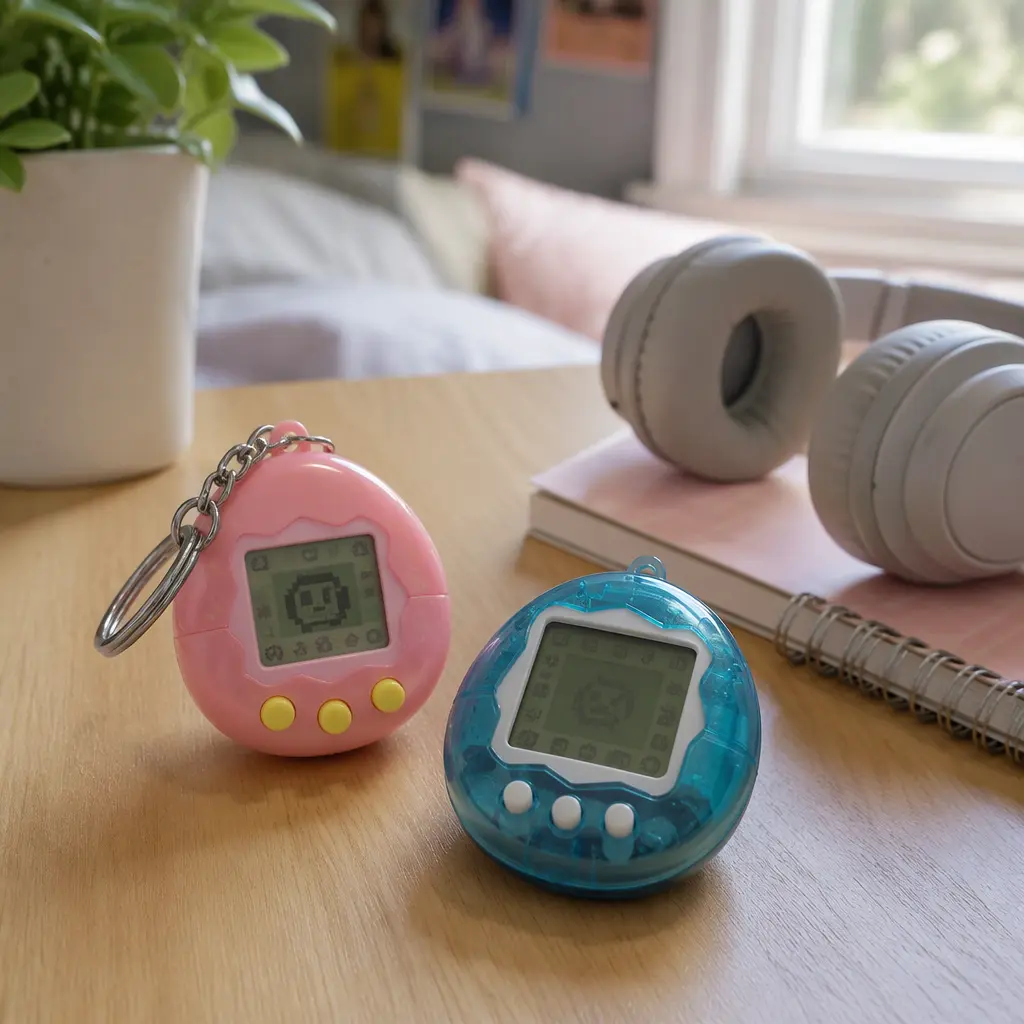
Virtual pets have returned in a big way, but today’s options aim at very different kinds of play. For tweens who like fidget toys, collectibles or quick bursts of interaction, the choice often comes down to flashy interactive pets such as Bitzee Magicals or simpler Nano-style digital pets. Both are small, portable and designed for repeat check-ins throughout the day, but they create very different habits. Bitzee Magicals leans toward animated surprises, unlockables and sensory interaction, while Nano pets focus on routine care, button controls and slower-paced play. For parents trying to avoid another app-heavy screen habit, the details matter more than the basic “virtual pet” label.
What to look for
The biggest difference between these toys is not technology level but how they hold attention over time. Some tweens want a collectible-style toy they can flip open for short interactions during breaks or travel. Others enjoy the responsibility loop of feeding, cleaning and checking on a digital pet throughout the day. Parents may also care about whether the toy stays mostly offline, how noisy it becomes in shared spaces and whether the novelty fades after a week.
- Interaction style: Bitzee-style pets use motion and animated light displays for fast sensory feedback, while Nano pets usually rely on buttons and simple pixel animations.
- Replay value: Unlock systems and evolving characters can keep some tweens interested longer, but routine care mechanics may appeal more to kids who enjoy steady collecting goals.
- Noise level: Many electronic pets include sound effects and repetitive audio cues. Check whether volume controls or mute options exist before buying for classrooms, car rides or shared bedrooms.
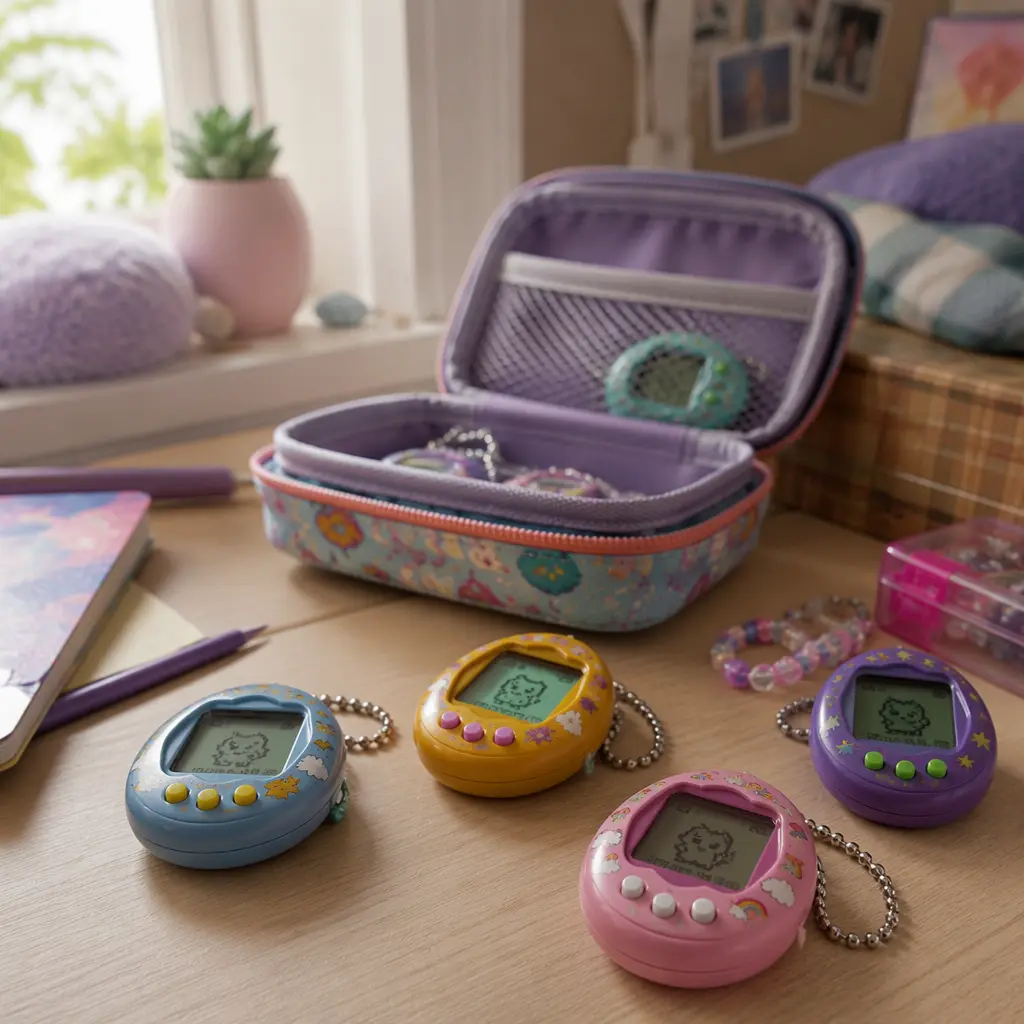
- Portability: Smaller clamshell or keychain-style pets are easier to carry daily. Bulkier toys may stay at home after the novelty period.
- Battery access and replacement: Frequent play can drain batteries quickly. Parents may prefer toys using standard replaceable batteries instead of proprietary charging systems.
- Offline usefulness: Most virtual pets work fully without apps or Wi‑Fi, which helps avoid notification-driven habits and reduces setup complexity.
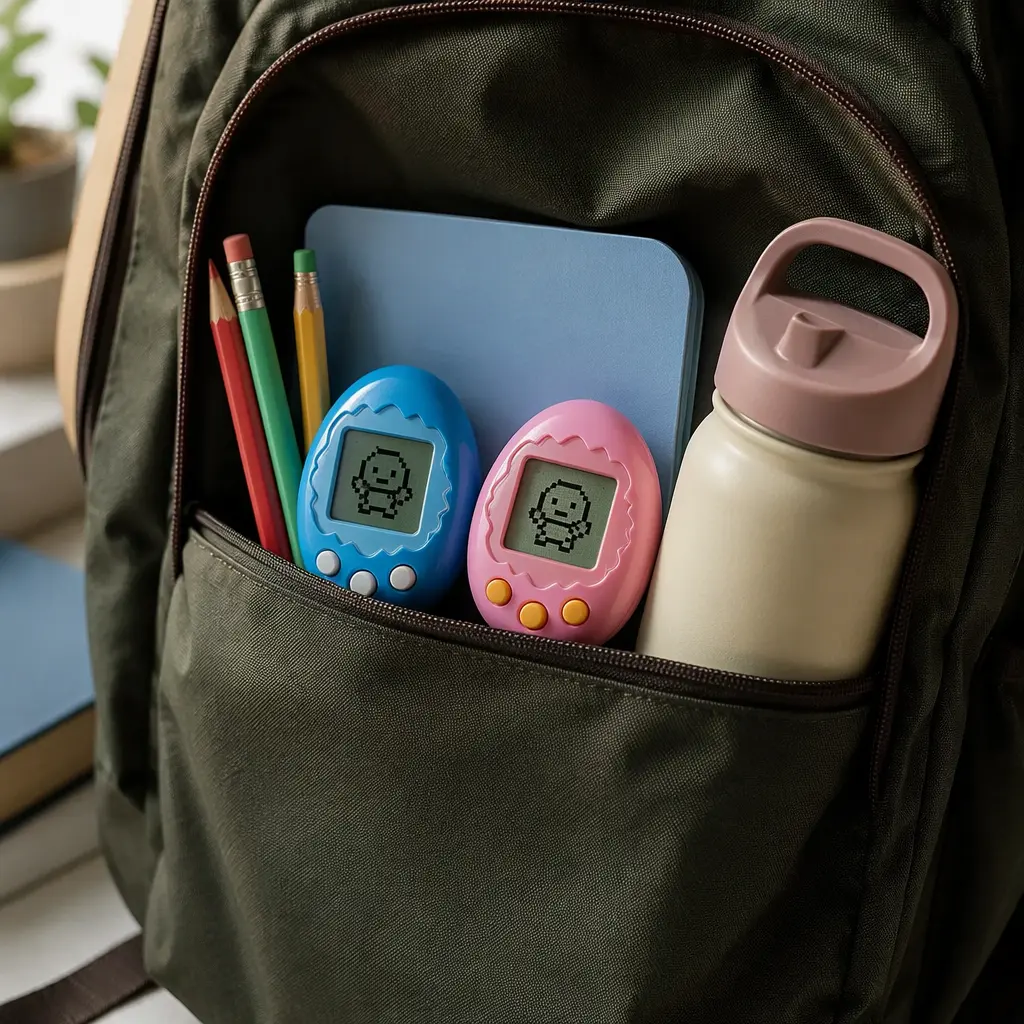
- Durability: Tweens may toss these into backpacks or pockets. Hinges, screens and flexible shells matter more than advanced features.
- Social factor: Some toys encourage trading, comparing collections or short multiplayer interactions, while others are more solitary.
Age suitability
For ages 9–12, the challenge is keeping engagement high without making the toy feel too babyish. Bitzee Magicals tends to appeal to tweens who still enjoy surprise reveals, collectible creatures and tactile interaction but have moved past basic preschool electronic pets. The animated effects can feel more dynamic and visually rewarding than classic pixel pets. Nano pets, including retro-inspired digital pets, often suit tweens who genuinely enjoy systems, routines and low-distraction gameplay. Kids already interested in retro gaming, coding toys or collectible gadgets may appreciate the simplicity rather than see it as outdated. Some tweens quickly abandon virtual pets that require constant maintenance, especially if school schedules or extracurricular activities interrupt the care cycle. Others enjoy the ongoing responsibility because it creates a small daily ritual without a full gaming device.
Options compared
Bitzee Magicals stands out because it tries to make a virtual pet feel more physically animated. Instead of a traditional fixed screen, the interaction relies on movement, gestures and changing light effects. For tweens who constantly fidget with objects in their hands, this can feel more engaging than pressing a few buttons repeatedly. The downside is that the sensory novelty may become the main attraction rather than the care gameplay itself. Some children return mainly for unlocks and reactions rather than long-term attachment to specific pets.
Nano pets and similar retro digital pets are much simpler by design. The gameplay loop is narrower: feed the pet, clean up, play mini-games and monitor its status. That slower pace can either extend the toy’s lifespan or make it feel repetitive quickly, depending on the child. These toys usually work well for tweens who enjoy structure and routine. They also tend to have lower sensory intensity, which may suit quieter households or kids who become overstimulated by flashing effects and constant sounds.
- Choose Bitzee Magicals if the tween enjoys tactile fidget play, collectible unlocks, animated reactions and short bursts of interaction throughout the day.
- Choose Nano-style pets if the tween likes routine systems, retro electronics, simple goals and low-distraction independent play.
- Avoid highly interactive electronic pets if the child already struggles with compulsive device checking or becomes frustrated by maintenance mechanics.
- For travel, smaller keychain-style pets usually fit better into pockets and school bags than larger interactive cases.
- For siblings sharing a room, quieter button-based pets may create fewer conflicts than toys with louder sound effects and repeated alerts.
- If long-term replay value matters most, look for toys with multiple creatures, unlock paths or evolving gameplay rather than one fixed pet cycle.
Frequently asked questions
Do these toys count as screen time?
Most parents treat standalone virtual pets differently from phones or tablets because they do not usually include internet browsing, ads or endless content feeds. However, they still use visual stimulation and reward loops to encourage repeated interaction. The key difference is usually intensity and scope rather than whether a screen exists at all.
Which option keeps tweens interested longer?
That depends on what motivates the child. Tweens who enjoy collecting and sensory novelty may stay interested in Bitzee-style toys longer because of unlock systems and animated interactions. Tweens who like routines, optimization or retro gadgets may spend more time with Nano pets because the gameplay becomes a daily habit rather than a novelty toy.
Are app connections required?
Most dedicated virtual pet toys are designed to work independently without phones or tablets. That is one reason many parents consider them lower-maintenance alternatives to gaming apps. It is still worth checking packaging details for companion app features, online updates or region-specific functions before buying.
Do virtual pets work well for anxious or fidgety kids?
Some children enjoy the repetitive interaction and predictable routines, especially during travel or waiting periods. Others may become stressed by reminders, pet “needs” or fear of losing progress. Simpler toys with fewer alerts often create a calmer experience than highly reactive electronic pets.
Are these toys durable enough for school bags?
Pocket-sized electronics can handle everyday carrying reasonably well when stored carefully, but hinges, screens and decorative shells are still vulnerable to drops or pressure inside crowded backpacks. A protective pouch or dedicated pocket can help extend the toy’s lifespan.
For most tweens in the 9–12 range, the better choice comes down to interaction style rather than technology. Bitzee Magicals fits kids who want a fast-moving, sensory-heavy collectible experience that feels more dynamic than older virtual pets. Nano-style pets suit tweens who enjoy slower routines, quieter play and a more classic digital companion. Both can offer a middle ground between passive screen entertainment and fully unplugged toys, especially when parents set realistic limits around constant checking and nighttime use.