Connected Toys That Still Protect Kids’ Privacy
A UK-focused guide to smart and AI-connected toys with stronger privacy controls, useful offline play and practical tips on cameras, microphones, storage and app dependence.
Compare prices and availability
Check current prices and availability for this guide on eBay.
As an eBay Partner, we may be compensated if you make a purchase.
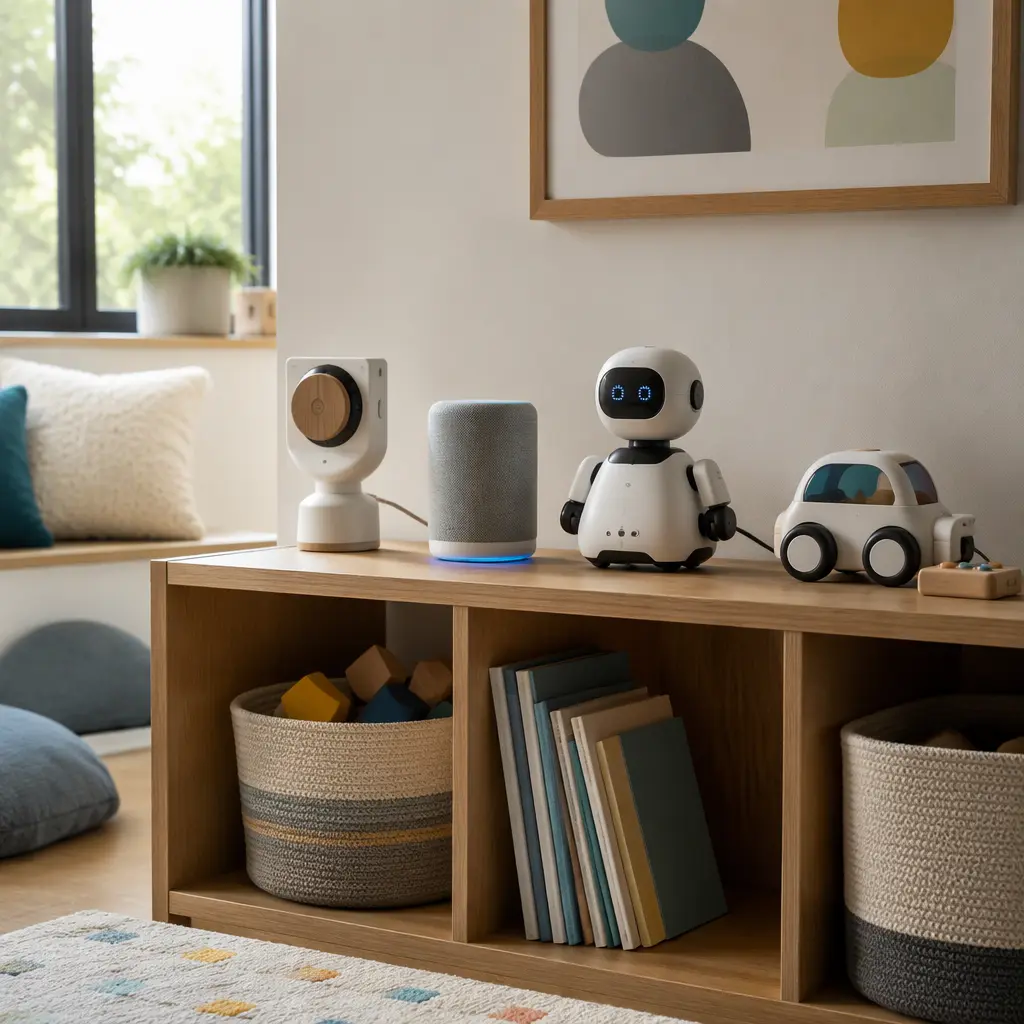
Connected toys now range from simple Bluetooth-controlled cars to AI chat companions with microphones, cameras and cloud-based features. For UK parents, the challenge is deciding which connected features genuinely improve play and which create unnecessary privacy, subscription or screen-time concerns. Some toys work mainly as remote-controlled gadgets with minimal data collection, while others depend heavily on apps, online accounts or voice processing. Looking closely at camera controls, offline usability, local storage options and parental settings can make a significant difference to how suitable a toy feels at home.
What to look for
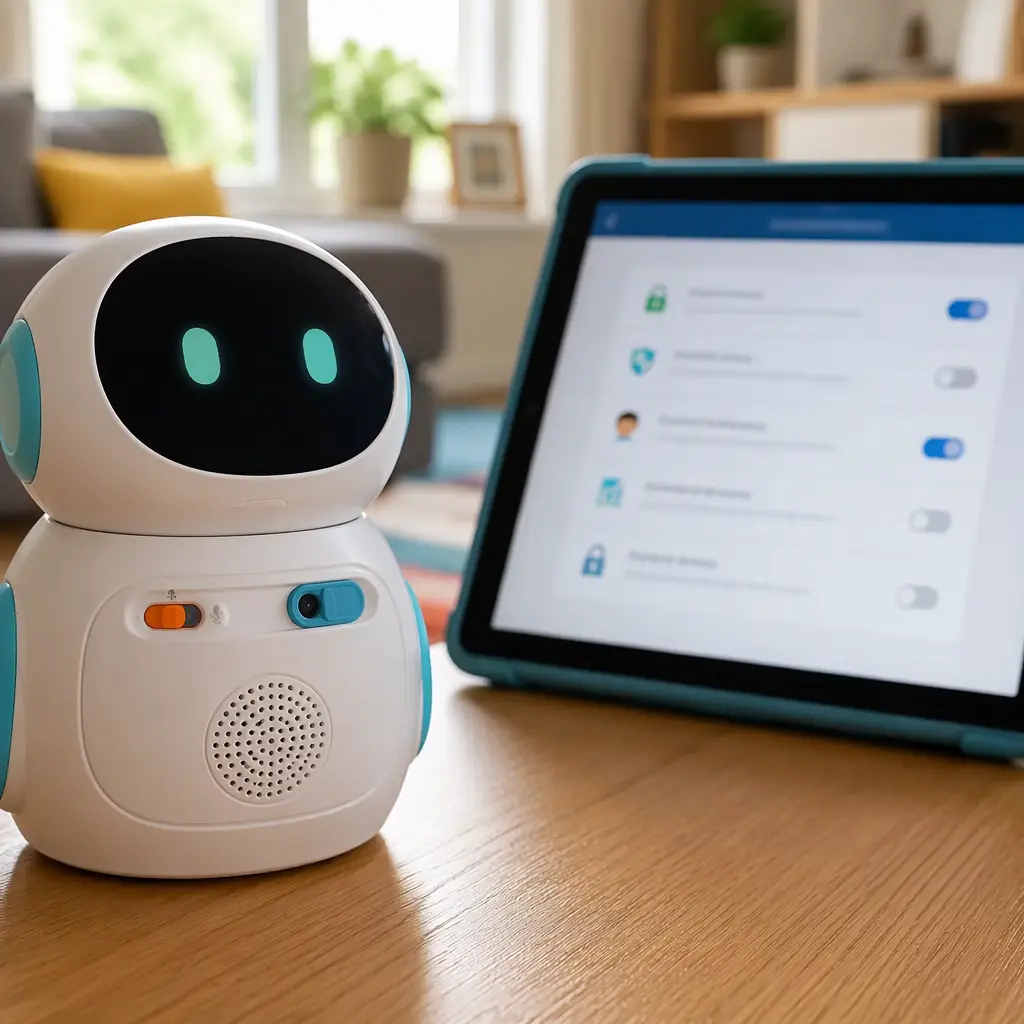
Not every connected toy handles data in the same way. Some only use a local Bluetooth connection between the toy and a nearby phone or tablet, while others send recordings or gameplay information to cloud services. AI-powered toys often rely on internet access for voice conversations or content generation, which can increase the amount of personal data involved. Parents comparing options should focus on what the toy can still do without an account or subscription, how easy it is to disable microphones or cameras, and whether privacy settings are straightforward enough to manage regularly.
- Physical camera shutters or microphone mute switches are usually easier to trust than app-only controls.
- Local storage on the device or a home network can reduce reliance on cloud uploads.
- Guest modes or child profiles help limit accidental purchases and shared data between siblings.
- Offline play modes are useful for travel, reduced screen time and longer product usability if apps lose support later.
- Bluetooth-only toys generally collect less data than toys with always-on internet connections, although permissions still matter.
- Check whether apps are available on both iOS and Android in the UK and whether features vary by region.
- Subscription credits or AI chat limits can affect long-term value and may change over time according to manufacturer policies.
- Look for clear manufacturer information about software updates, account deletion and parental controls rather than vague promises about safety or learning.
Age suitability
Most connected toys are better suited to school-age children than toddlers because they require some understanding of privacy, device handling and online behaviour. Younger children may enjoy simple interactive responses without understanding when microphones or cameras are active. For children aged roughly six to eight, toys with limited connectivity and strong parental controls are often easier to supervise. Older children may benefit more from programmable robots, coding kits or creative devices that use connectivity as a tool rather than as constant entertainment. AI companion toys designed for open-ended conversation may not suit every family, particularly if parents want to limit emotional attachment to chat-based systems or reduce dependence on cloud services.
Options compared
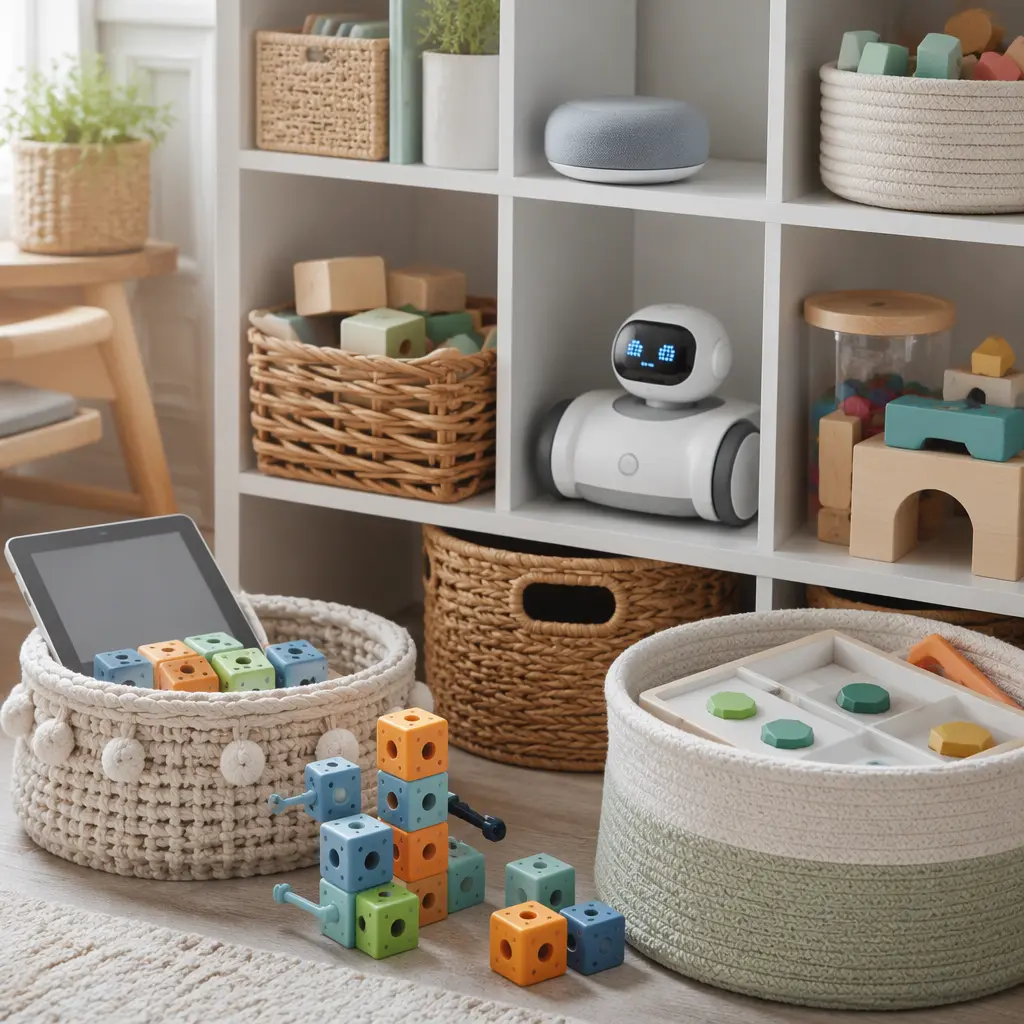
The most privacy-conscious connected toys are often those with limited internet features. Bluetooth-controlled vehicles, programmable robots and app-linked construction sets usually connect directly to a nearby device rather than continuously to cloud servers. These toys can still introduce coding, problem-solving or remote-control play without requiring ongoing voice recording or online accounts. They also tend to remain usable if support apps change later, although compatibility updates are still worth checking.
Voice assistants and AI conversation toys offer a more interactive experience but involve different trade-offs. Some include wake-word activation, cloud speech processing or stored voice histories. Parents who want conversational features may prefer devices with hardware mute buttons, visible recording indicators and the ability to review or delete stored interactions. Offline functionality matters here too: some toys become very limited without internet access, while others still support music playback, simple games or preloaded activities locally.
- Programmable coding toys suit children interested in building, logic and repeat play, often with lower privacy concerns than AI chat toys.
- Connected RC vehicles are usually simpler to supervise and often rely only on short-range wireless connections.
- Smart plush toys and AI companions may appeal to children who enjoy conversation and roleplay but typically involve more data handling.
- App-connected craft and drawing toys can support creativity but may require tablets nearby during use, increasing screen dependence.
- Educational smart speakers aimed at children vary widely in parental controls, content moderation and account requirements.
- Camera-enabled toys can support augmented reality or video calls, but families should consider where footage is stored and whether cameras can be physically covered.
Frequently asked questions
Do connected toys always use AI?
No. Many connected toys simply use Bluetooth, motion sensors or pre-programmed responses. AI toys typically involve speech recognition, adaptive conversations or cloud-based content generation. A toy that reacts to button presses or movement is not necessarily using AI.
Are offline features important?
Offline functionality can extend the useful life of a toy and reduce dependence on subscriptions, apps or manufacturer servers. It also helps during travel or in homes where parents want less screen-connected play. Toys that remain fun without internet access are usually easier to use long term.
What privacy settings matter most?
Physical controls are often the clearest and simplest option. Camera shutters, mute switches and visible recording lights are easier to verify quickly than hidden app settings. Parents may also want account deletion options, restricted friend lists and child-specific profiles.
Can connected toys still be educational?
Yes, especially coding robots, creative electronics kits and programmable construction systems. The strongest educational value usually comes from active problem-solving and creativity rather than passive voice interaction. Connectivity can support updates and expanded activities, but it does not automatically make a toy more educational.
How long do connected toys usually stay supported?
Support periods vary widely between brands and are not always clearly stated. Toys that rely heavily on cloud services or companion apps may lose features if support ends. Devices with strong offline play modes are often less affected by future app changes.
Connected toys can fit well into family play when the technology serves a clear purpose rather than adding unnecessary data collection or complexity. Parents comparing options in the UK market may find that the most practical choices are often toys with visible privacy controls, limited account requirements and enjoyable offline features. Looking beyond marketing terms like “smart” or “AI-powered” can make it easier to choose toys that stay useful, manageable and enjoyable over time.