Loona vs Moxie: Which AI Robot Needs Less Parent Help?
Comparing Loona and Moxie for families with 6–8 year olds, with a focus on setup effort, conversation quality, privacy controls, subscriptions, and how independently kids can use each robot.
Compare prices and availability
Check current prices and availability for this guide on eBay.
As an eBay Partner, we may be compensated if you make a purchase.
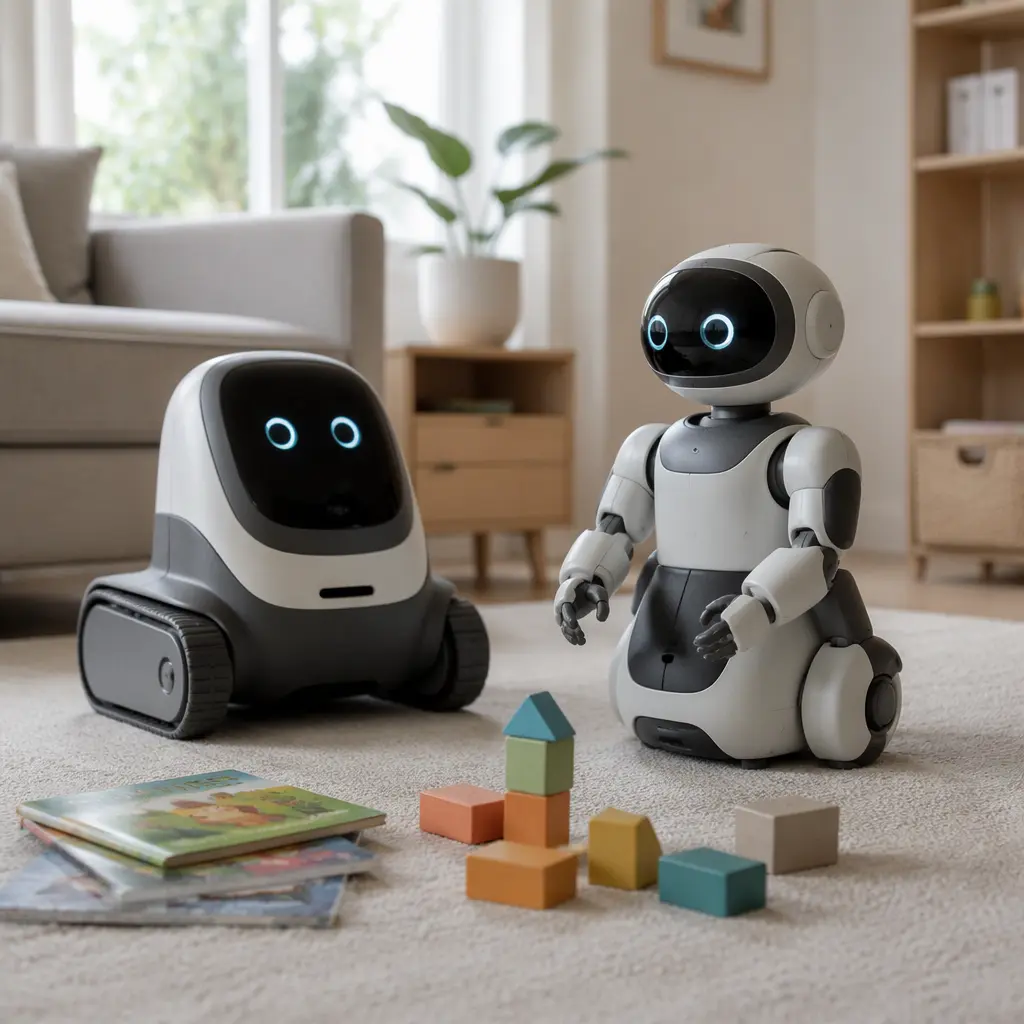
Loona and Moxie are both marketed as companion-style robots for children, but they ask for different levels of parent involvement. For families deciding between them, the biggest differences are not only personality and appearance but also how much setup, supervision, troubleshooting, and ongoing management adults may need to handle. Both products use connected features and conversational systems rather than simple pre-programmed movements alone, so internet access, apps, and account management matter as much as play value. For children aged 6 to 8, the easier option often depends on whether parents want a playful pet-style robot that can entertain in shorter bursts or a more structured conversational companion designed around guided interaction.
What to look for
AI-connected toys vary widely in how independent they really are. Some need frequent adult assistance for Wi‑Fi setup, account permissions, software updates, charging, or troubleshooting. Others are simpler to hand over once configured. Families comparing Loona and Moxie should look beyond marketing phrases like “interactive” or “AI-powered” and focus on how the robot fits daily routines at home.
- Setup complexity: Check whether the robot requires multiple apps, account linking, calibration, or frequent software updates before children can play independently.
- Conversation quality: Some AI toys focus on open-ended chatting while others rely more on scripted prompts and reactions. Younger children may enjoy expressive behavior even when conversations are limited.
- Privacy controls: Look for mute options, parental dashboards, camera and microphone management, and clear explanations of what data is processed locally versus through cloud services.
- Offline usefulness: Many connected robots lose important features without internet access. Consider whether the toy still offers games, movement, or personality offline.
- Replay value: Children often return longer to toys with evolving activities, varied responses, or imaginative play potential rather than novelty interactions alone.
- Parent maintenance: Charging frequency, app notifications, connectivity issues, and subscription management can become part of the ownership experience.
- Space and noise: Mobile robots may roam across floors, make sound effects, or need uncluttered space to function well.
Age suitability
Both Loona and Moxie are generally aimed at school-age children rather than preschoolers, but they suit slightly different maturity levels. Loona’s animated pet-like behavior tends to work well for children who enjoy quick interactions, movement, and playful reactions without expecting deep conversation. Moxie is designed more around guided social interaction and conversational engagement, which may appeal to children who enjoy talking, storytelling, or structured activities. For many 6- to 8-year-olds, Loona may feel easier to use independently after setup, while Moxie often benefits from more adult guidance at first, especially when navigating accounts, routines, or conversation expectations.
Options compared
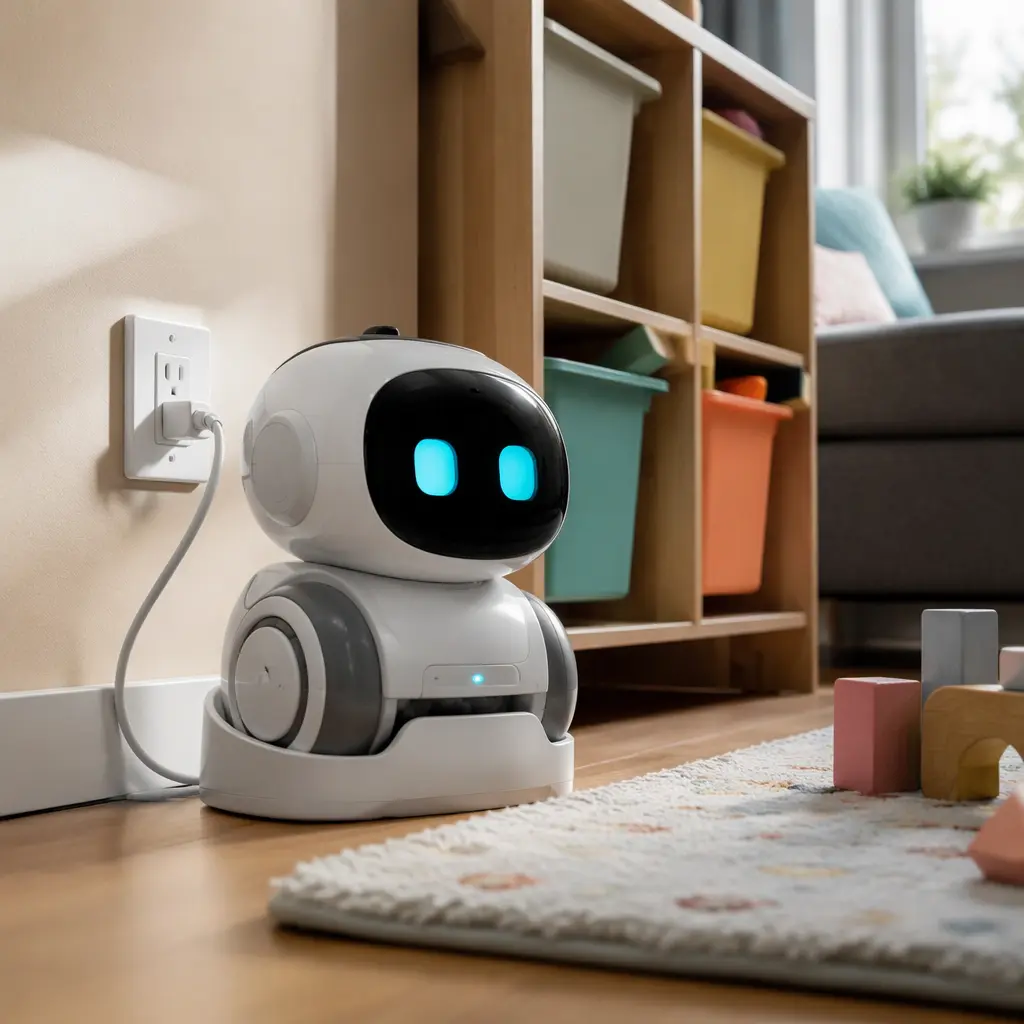
Loona is closer to an AI-enhanced robot pet than a tutoring or coaching device. Its strengths are expressive movement, reactive behavior, and lower-pressure interaction. Children can often engage with it casually without needing to complete guided sessions or follow structured prompts. For busy households, this can translate into less parent involvement once initial setup is complete. A child may simply turn it on, play games, watch reactions, or interact briefly throughout the day. The trade-off is that conversation depth may feel more novelty-driven than emotionally substantial over time.
Moxie takes a more conversation-focused approach and is often positioned by its manufacturer as supporting social-emotional engagement through guided interaction. That can create stronger replay value for children who enjoy routine conversations and character-based interaction. However, it may also require more parental support in practice. Families may need to help children navigate activities, maintain charging habits, troubleshoot connectivity, or manage expectations when responses feel scripted or cloud-dependent. Some children enjoy this deeper style of engagement, while others lose interest if interaction becomes repetitive or if the robot cannot respond naturally enough to open-ended questions.
- Choose Loona if your child prefers playful movement, quick interactions, and independent use with less structured conversation.
- Choose Moxie if your child enjoys talking, storytelling, guided activities, and character-driven interaction over physical play.
- Loona may suit households wanting shorter, lower-maintenance play sessions that fit around daily routines.
- Moxie may fit families willing to spend more time supporting setup, encouraging ongoing engagement, and managing connected features.
- Families sensitive to privacy concerns should review how each product handles voice recordings, cloud processing, and app permissions before purchase.
- Children expecting human-level conversation from either robot may become frustrated. These products remain limited compared with real conversation and still rely heavily on scripted systems and cloud services.
Frequently asked questions
Does either robot work well without internet access?
Both robots rely heavily on connected features, though exact offline functionality depends on software updates and manufacturer support. Basic movements or limited interactions may still work offline, but conversational and AI-driven features are generally tied to cloud services and apps.
Which robot needs less parent troubleshooting?
For many families, Loona is likely to feel lighter-touch after setup because interactions are more casual and less structured. Moxie’s broader conversational goals and guided activities may create more opportunities for login issues, updates, connectivity interruptions, or situations where children ask adults for help.
Are subscriptions or ongoing costs important?
Some AI toys depend on subscriptions, credits, or ongoing app support for full functionality. Families should check current manufacturer policies carefully because connected features, cloud services, and included content can change over time.
What privacy features should parents check first?
Parents should look for microphone mute controls, camera management options, parental dashboards, account protections, and clear explanations about how voice recordings are processed and stored. It is also useful to confirm whether data can be deleted and whether accounts are required for core features.
Which robot has better long-term replay value?
Replay value depends heavily on the child’s play style. Children who enjoy imaginative pet play and expressive reactions may return to Loona regularly in short bursts. Children who enjoy routine conversations, storytelling, and guided interaction may stay engaged longer with Moxie, provided the conversational experience continues to feel fresh.
For families prioritizing minimal parent assistance, Loona will often feel easier to manage day to day because its play style is simpler and more independent. Moxie offers a more ambitious conversational experience, but that depth can come with more setup involvement, supervision, and maintenance. The better choice depends less on which robot appears more advanced and more on how much ongoing support parents realistically want to provide.