Connected Toys That Still Work Without Subscriptions
A parent-focused guide to connected toys for ages 6–8 that remain useful after subscriptions end, including offline play, app dependence, privacy and ongoing costs.
Compare prices and availability
Check current prices and availability for this guide on eBay.
As an eBay Partner, we may be compensated if you make a purchase.
Many connected toys promise new stories, smarter interactions or expanding content libraries through apps and subscriptions. For parents, the important question is often what happens later. Some toys continue working well after a subscription ends, while others lose major features or become difficult to use without cloud access, paid credits or companion apps. For children aged 6 to 8, this difference matters because frustration can appear quickly if a favourite toy suddenly stops responding or loses key activities. Before buying, it helps to separate toys that use connectivity as an optional extra from toys that depend on online services for their core purpose.
What to look for
The most durable connected toys usually offer meaningful offline play from the start. A toy should ideally still function as a robot, audio player, RC vehicle or interactive game even if the app is deleted or a subscription lapses. Manufacturer descriptions sometimes focus heavily on cloud-powered features, but parents should look closely at what is stored locally on the device and what requires ongoing internet access. It is also worth checking whether setup requires a parent smartphone or account creation, since some toys become unusable if the supporting app is removed from app stores years later.
- Check whether core gameplay works without Wi‑Fi after setup.
- Look for downloadable or built-in content instead of streaming-only features.
- Review whether voice interactions are processed locally or through cloud services.
- See if subscriptions unlock optional extras or basic functionality.
- Confirm compatibility with your household devices and operating systems.
- Consider storage and charging needs for toys with docking stations or accessories.
- Look for clear parental controls around microphones, cameras and purchases.
Age suitability
Children aged 6 to 8 are often comfortable navigating simple menus and companion apps, but they still benefit from toys with straightforward physical controls and predictable behaviour. Toys that constantly request updates, passwords or parental approval can interrupt play. This age group also tends to revisit favourite activities repeatedly, so toys with strong offline replay value usually last longer. Screen-free connected products, such as audio players that sync content occasionally, often suit younger children better than fully app-driven experiences. More advanced AI chat toys may appeal to curious children, but parents should expect more supervision because conversations, microphones and internet access can introduce privacy concerns and unpredictable responses.
Options compared
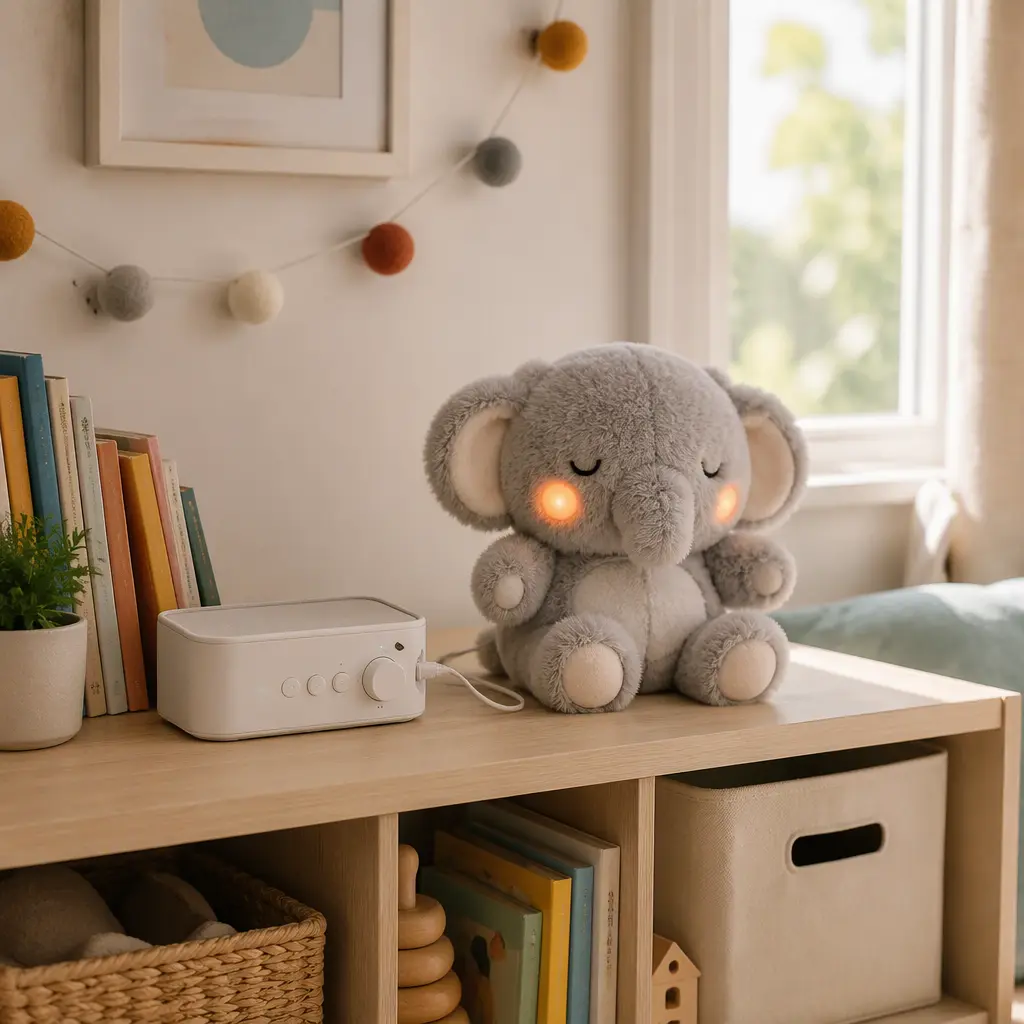
Connected audio players are often among the safest choices for long-term usability. Many continue to play previously downloaded stories, music or educational content even after subscriptions end. Some brands sell content separately rather than locking basic playback behind monthly payments. The trade-off is that expanding the library later may require additional purchases, and cloud syncing features can disappear if support ends.
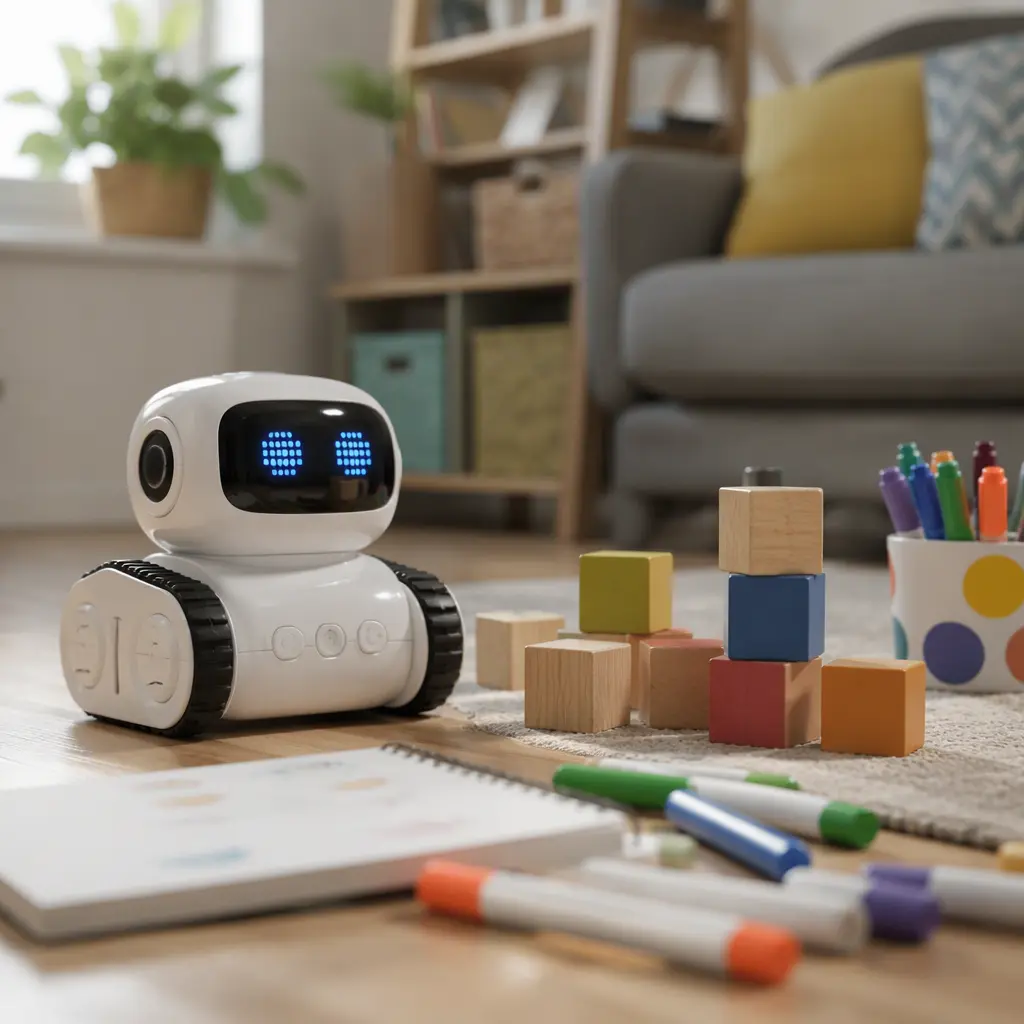
Coding robots and STEM toys also tend to age well without subscriptions if they include built-in games or programmable offline modes. Simple command-based robots that connect through Bluetooth can remain useful for years as long as the companion app stays compatible with current devices. AI-powered coding systems that rely heavily on cloud processing may lose conversational or adaptive learning features once subscriptions expire.
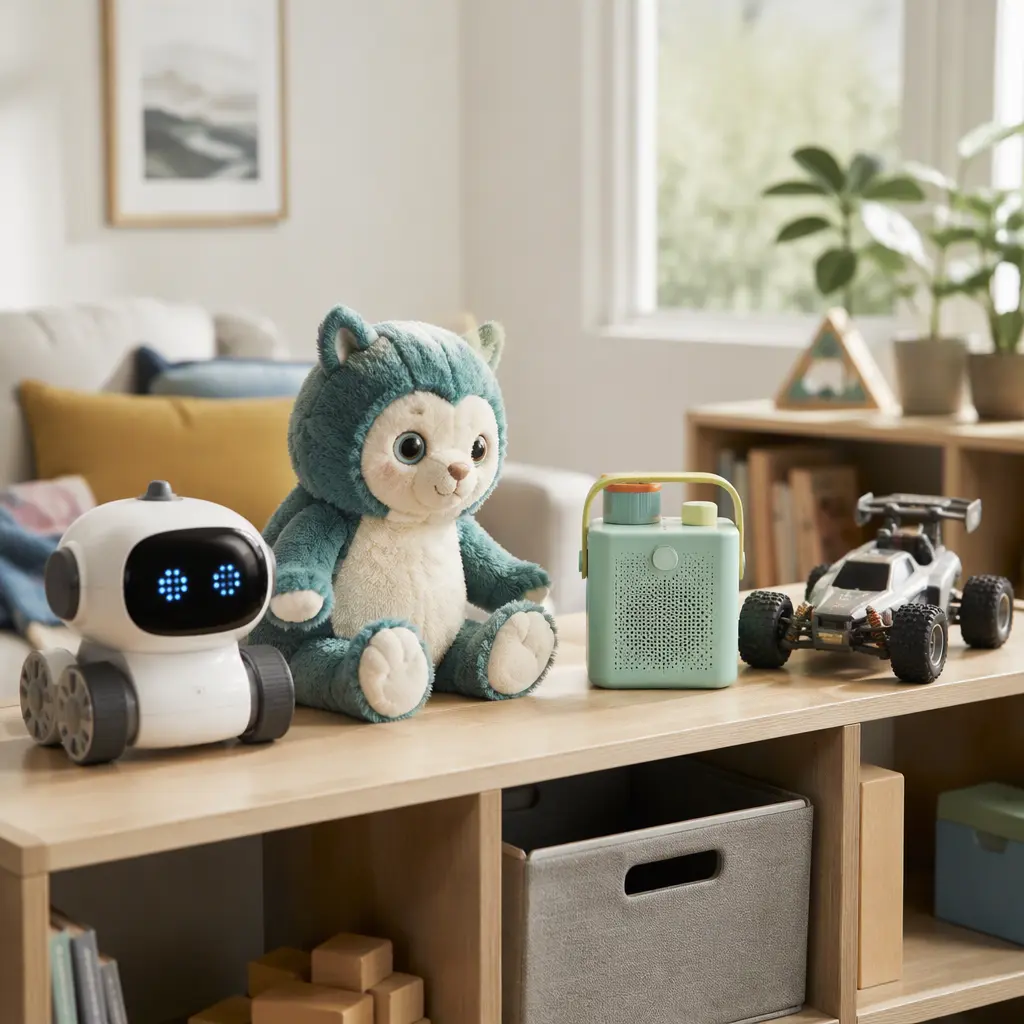
- Interactive plush toys: Often keep basic sounds, animations or touch responses offline, but advanced conversations and new content may disappear without paid services.
- Kids' smart speakers and AI companions: Usually lose much of their value without internet access because voice processing happens in the cloud. Best for families already comfortable managing smart-home privacy settings.
- App-connected RC vehicles: Commonly remain drivable without subscriptions, although camera streaming, multiplayer features or custom tracks may depend on apps or accounts.
- Screen-free audio systems: Strong option for younger children because physical playback usually remains functional even if premium libraries or streaming access end.
- Educational tablets and learning systems: Some keep installed games permanently, while others rotate content through subscriptions. Storage limits can become an issue if downloads expire or devices stop receiving updates.
Frequently asked questions
Do connected toys stop working completely after subscriptions end?
Not always. Many toys retain basic offline functions such as movement, sound playback or local games. The main losses are usually cloud-based features like new content downloads, AI conversations, adaptive lessons or remote parental dashboards. Reading the manufacturer's description of what is included without a subscription can prevent surprises later.
Are AI toys different from ordinary interactive toys?
Yes. Traditional interactive toys often rely on pre-programmed responses, touch sensors or simple recordings stored on the device itself. AI toys typically process speech or generate responses through online systems, which means they depend more heavily on internet access, cloud accounts and ongoing support. This can create better conversational variety but also increases privacy and subscription concerns.
How long do companion apps usually stay supported?
Support periods vary widely. Some manufacturers maintain apps for many years, while others discontinue updates once a product line ages out. A toy that relies entirely on a smartphone app can become difficult to use if future phone operating systems no longer support it. Toys with onboard controls or browser-independent features are generally safer long-term purchases.
Do connected toys require constant supervision?
That depends on the toy type. Basic coding robots and offline audio players usually require minimal supervision after setup. Toys with open-ended voice chat, online multiplayer features or cameras may need more active oversight, especially for younger children. Parents should also monitor in-app purchases and account permissions where relevant.
Are subscriptions ever worth paying for?
Subscriptions can make sense when they provide a steady stream of genuinely new content that a child uses regularly. For example, families who frequently use educational audio libraries or coding lessons may find ongoing access worthwhile. The key is making sure the toy remains enjoyable and functional even if the subscription eventually stops.
For most families, the safest connected toys are the ones that still feel complete offline. A subscription should expand a toy rather than rescue it from becoming unusable. Before buying, focus on what the child can still do without cloud services, recurring payments or constant app support. That approach usually leads to toys with a longer useful life, fewer frustrations and better value over time.