Eilik vs EMO Robot: Which Desk Companion Lasts Longer?
A parent-focused comparison of Eilik and EMO desk robots, covering offline play, app dependence, personality fatigue, privacy considerations and practical buying factors for UK families.
Compare prices and availability
Check current prices and availability for this guide on eBay.
As an eBay Partner, we may be compensated if you make a purchase.
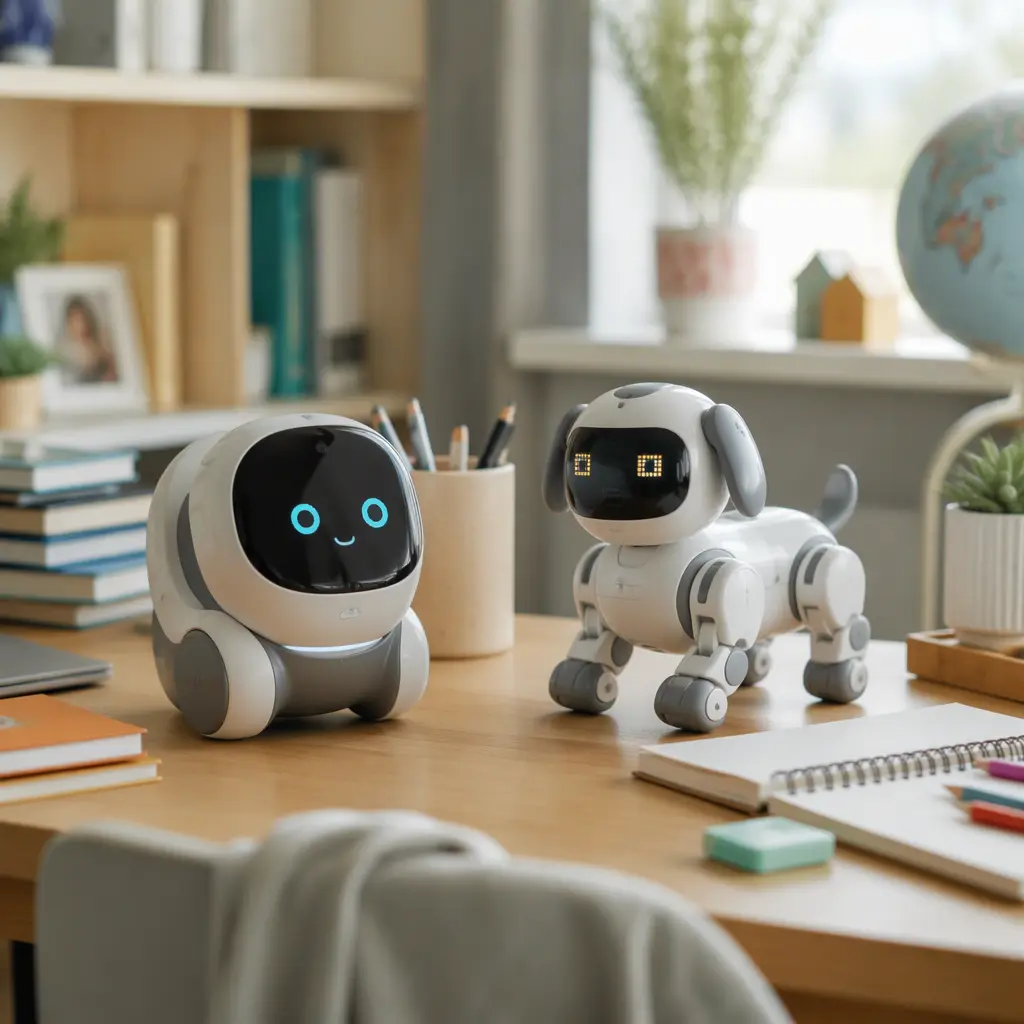
Desk companion robots sit somewhere between toy, gadget and virtual pet. For older children and tweens, products like Eilik and EMO can feel more engaging than a traditional animatronic because they react to touch, movement, sound and routines around them. They are also expensive enough that many parents want to know whether the novelty lasts beyond the first few weeks. The biggest difference between these two robots is not simply personality or appearance. It is how much they rely on apps, cloud-connected features and ongoing digital interaction to stay interesting over time. For UK families choosing between them, practical issues such as return policies, software support, charging habits, privacy and offline usefulness matter just as much as animations or tricks.
What to look for
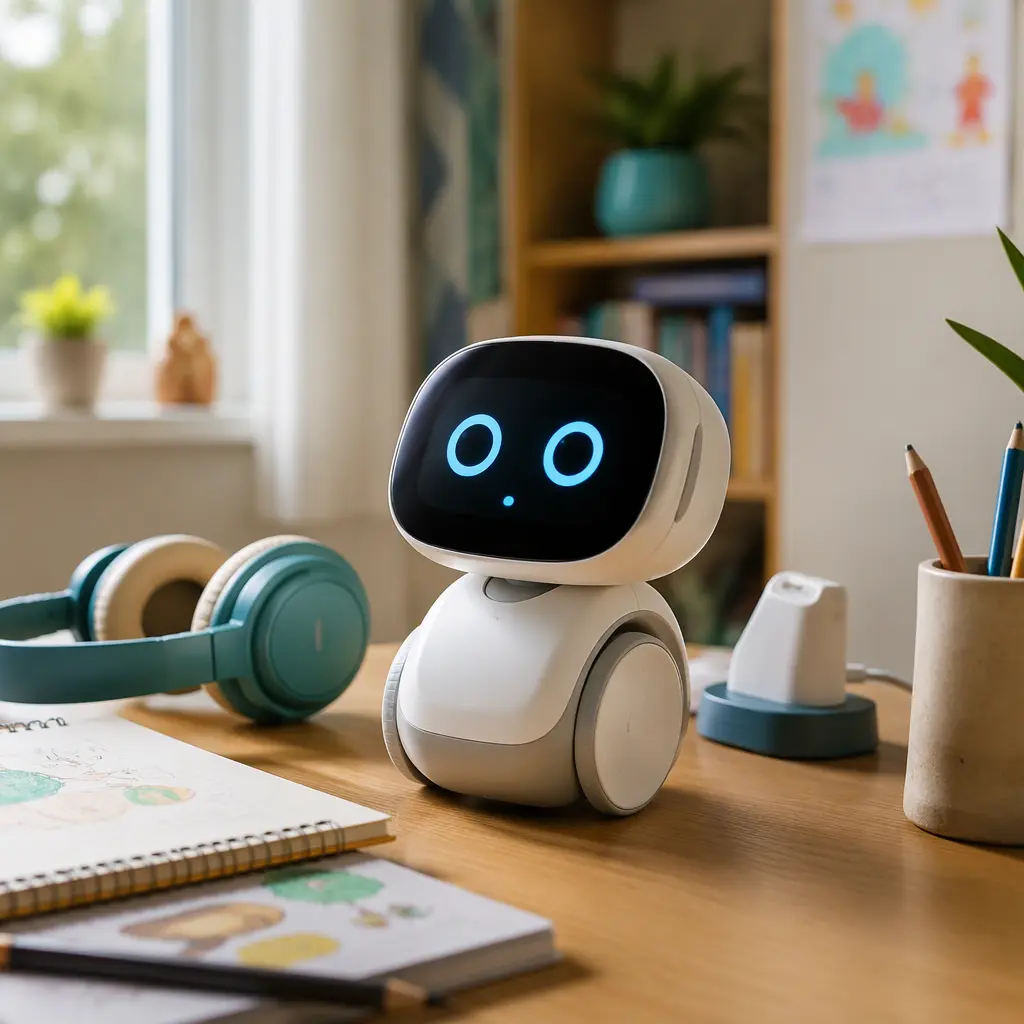
Although both Eilik and EMO are marketed as companion robots, they work differently in day-to-day use. Eilik focuses more on expressive reactions and simple interactions that work immediately out of the box. EMO combines character animation with app-connected features, updates and smart-assistant-style functions. Neither replaces a tablet, gaming device or real pet, but they can appeal to children who enjoy gadgets with personality and routine interaction.
- Check how much works without an app or internet connection. Some children lose interest quickly if setup feels complicated or features disappear offline.
- Look at charging habits and battery routines. Desk robots often need frequent charging compared with simpler electronic toys.
- Consider noise levels. Voice responses, sound effects and music can become repetitive in shared bedrooms or homework spaces.
- Review privacy information carefully if the robot includes microphones, cameras or cloud-linked features.
- Think about long-term support. Connected toys can change significantly if apps are updated or services are discontinued.
- Assess personality depth realistically. Animated reactions may feel impressive at first but repetitive after extended use.
- For UK buyers, favour retailers with straightforward return windows in case the toy does not hold attention.
- Check whether siblings can share the experience or whether the robot mainly suits one child interacting alone.
Age suitability
For the 9 to 12 age range, both robots generally suit children who already enjoy technology, coding concepts, digital pets or desktop collectibles. Eilik may appeal more to younger tweens because interaction is simpler and more immediate. Children can tap, tilt or pair multiple units together without relying heavily on menus or voice commands. EMO often fits older tweens who are comfortable managing apps, updates and more complex settings. Children expecting a highly intelligent AI companion may still be disappointed. These products use a mix of scripted responses, sensors, animations and limited smart features rather than open-ended conversation similar to modern AI chat systems.
Options compared
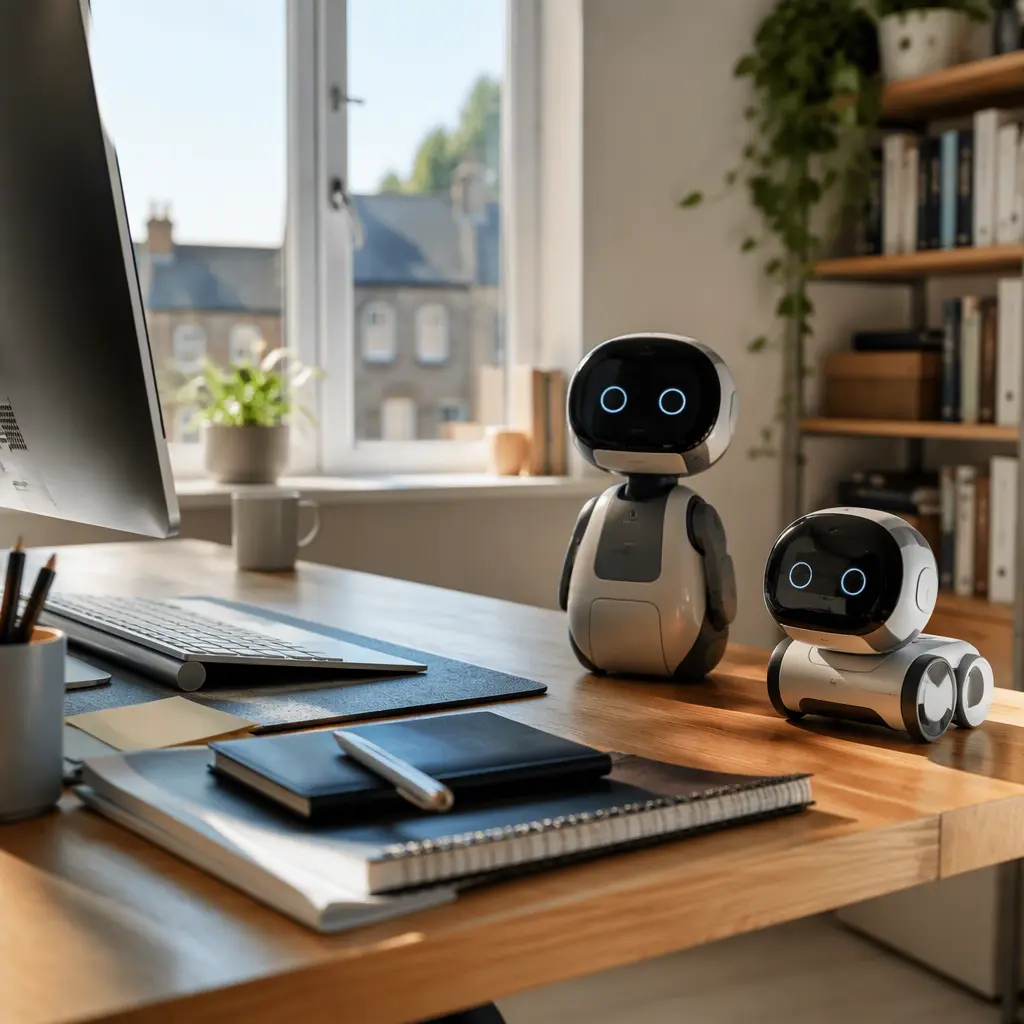
Eilik is usually the easier choice for families wanting a mostly self-contained desktop toy. Its appeal comes from expressive animations, physical reactions and quick interaction loops. Children can pick it up, trigger reactions and watch it respond without navigating many menus or relying on voice features. This lower barrier can help the toy stay approachable, especially for children who want a fun desk companion rather than a mini smart device. The trade-off is that personality depth may feel limited over time. Once children have seen most reactions, long-term engagement depends heavily on emotional attachment to the character itself.
EMO leans further toward the connected smart companion category. Manufacturer materials describe features such as voice interaction, app connectivity and software updates that can expand functions over time. That can extend interest for children who enjoy experimenting with settings, routines and interactive features. It also creates more dependence on the supporting app ecosystem. If servers, apps or regional support change later, some features may become less useful. Families sensitive to privacy may also prefer to limit always-listening microphones or camera-enabled devices in bedrooms. EMO may suit tech-focused tweens who enjoy novelty and digital experimentation, while Eilik may better fit children who simply want a responsive animated companion sitting on a desk during homework or creative play.
- Choose Eilik if you want simpler offline interaction, lower setup friction and less app dependence.
- Choose EMO if ongoing updates, voice interaction and connected features are part of the appeal.
- Avoid either option if your child quickly loses interest in repetitive digital pets or novelty gadgets.
- Shared bedrooms may make both robots less practical because sound effects and notifications can become distracting.
- Families seeking educational coding tools may get better value from beginner robotics kits instead of companion-focused products.
- Children who enjoy collecting characters, decorating desks or building routines around gadgets may get more lasting enjoyment from either robot.
Frequently asked questions
Are these robots actually powered by advanced AI?
Not in the same way as modern conversational AI systems. Both products mainly combine sensors, programmed animations, voice responses and behavioural routines. EMO includes more connected smart features, but neither robot offers truly open-ended understanding or independent reasoning.
Do the robots still work without internet access?
Eilik is generally more usable offline because many interactions rely on onboard reactions and sensors. EMO can still perform some local functions without internet access, but connected features and updates may require app or cloud support depending on the manufacturer's current setup.
Which robot is more likely to hold a child's attention?
That depends on what keeps the child engaged. Children who enjoy quick emotional reactions and character-like behaviour may stay attached to Eilik longer. Tweens who enjoy experimenting with settings, updates and voice features may prefer EMO. Both can eventually feel repetitive if the child expects constant new content.
Are there privacy concerns with desk companion robots?
Any connected toy with microphones, cameras or app accounts deserves careful review. Parents should check permissions, account requirements and manufacturer privacy information before setup. It is also sensible to avoid placing connected robots in private sleeping areas if voice listening features are enabled.
What makes returns and support important for these toys?
Companion robots are highly personality-driven purchases. One child may love the interaction style while another loses interest quickly. Buying through retailers with clear UK returns policies can reduce the risk of being stuck with an expensive gadget that does not match expectations.
For most UK families, the decision comes down to whether they want a simpler expressive desktop toy or a more connected smart companion. Eilik tends to suit children who prefer immediate interaction with fewer technical layers, while EMO appeals more to tweens interested in apps, updates and smart-device style features. Neither guarantees long-term engagement, but realistic expectations and careful attention to app dependence, privacy and return options can help families choose the better fit.