Tamagotchi Paradise vs Uni for Kids New to Virtual Pets
A parent-focused guide to Tamagotchi Paradise and Tamagotchi Uni, covering daily care, travel use, reset frustration, connected features, and which style suits younger kids best.
Compare prices and availability
Check current prices and availability for this guide on eBay.
As an eBay Partner, we may be compensated if you make a purchase.
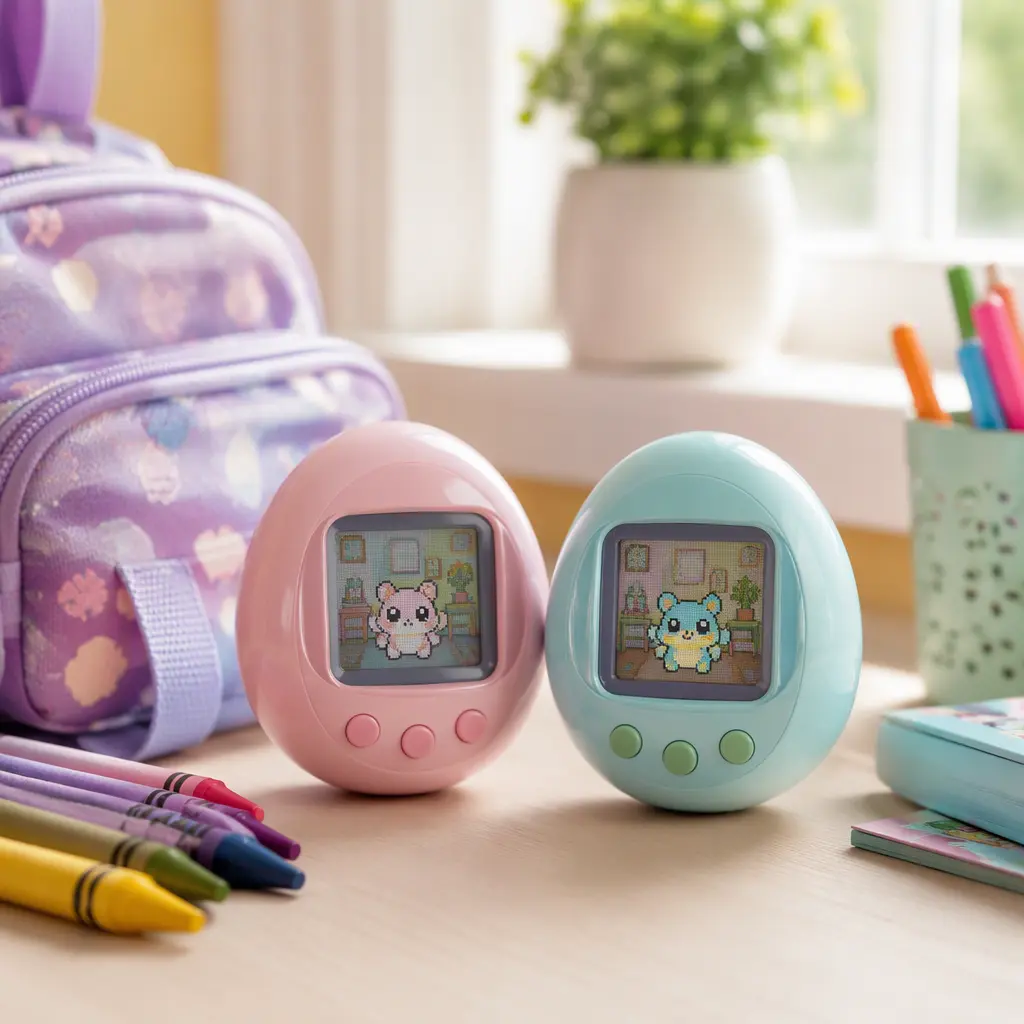
For children who are curious about virtual pets, Tamagotchi devices still offer a surprisingly simple kind of play: short check-ins, routine care and a sense of responsibility without needing a full tablet or game console. Two newer options parents may compare are Tamagotchi Paradise and Tamagotchi Uni. While both build on the same virtual-pet idea, they suit different households and different tolerance levels for charging, connectivity and daily upkeep. Families choosing a first virtual pet often care less about advanced features and more about whether the toy becomes stressful, noisy or frustrating after the novelty fades. The biggest differences between Paradise and Uni are how connected they are, how demanding they feel day to day and how forgiving they are when a child forgets to check in.
What to look for
A virtual pet for ages 6 to 8 works best when the routine feels manageable rather than constant. Younger children may enjoy feeding and mini-games at first but become upset if a pet disappears after missed care. Parents should also think about charging habits, internet dependence and whether the device still works well without extra downloads or online events. Some connected features sound impressive in marketing but add little practical value for children who mainly want a simple pet they can check during car rides or after school.
- Daily upkeep: Some virtual pets expect frequent attention while others are more forgiving when children forget a check-in.
- Reset frustration: Permanent loss or restarting can upset younger children, especially during school days or family trips.
- Travel friendliness: Smaller devices with long battery life and simple controls are easier to carry and less stressful away from home.
- Connectivity: Wi-Fi features, downloads or online events may require parent setup and ongoing support.
- Noise control: Check whether sounds can be lowered or muted for classrooms, restaurants or shared bedrooms.
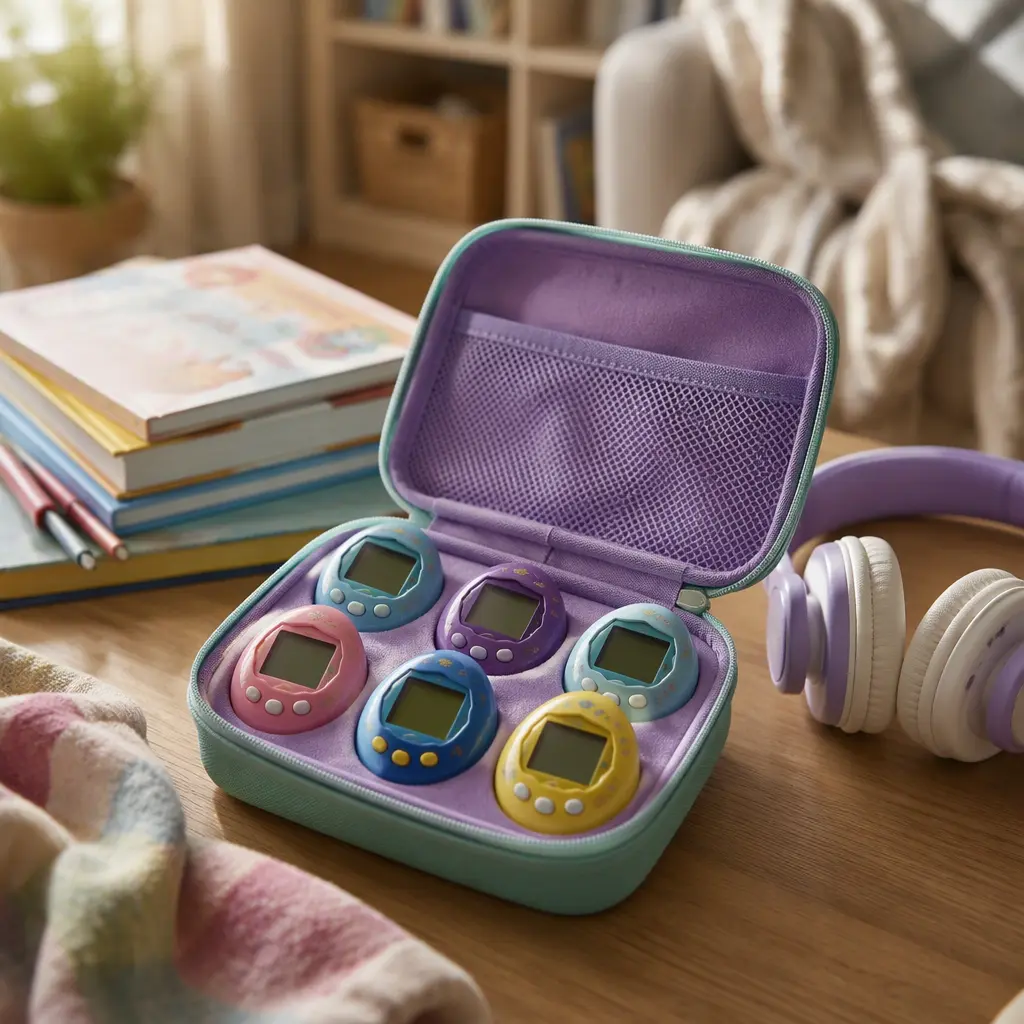
- Durability and storage: Egg-shaped toys are portable but can scratch easily if loose in backpacks.
- Offline usefulness: A toy should still feel complete if internet features disappear or servers eventually shut down.
- Subscription or content costs: Some connected toys use downloadable items or event content that may not stay available long term.
Age suitability
For ages 6 to 8, simpler interaction usually matters more than feature depth. Children new to virtual pets often enjoy clear routines and immediate feedback rather than large menus or constant updates. Tamagotchi Uni generally aims for a more connected experience, with downloadable content and online-style social features depending on region and support. That can appeal to older children who already use gaming devices comfortably. Tamagotchi Paradise leans closer to the classic idea of caring for a creature through regular offline interaction. Families looking for a lower-pressure first virtual pet may prefer whichever option offers fewer setup steps and less dependence on Wi-Fi or companion services. Children who become emotionally attached to toys may also handle temporary mistakes better with a device that allows recovery instead of harsh penalties for missed care.
Options compared
Tamagotchi Paradise and Tamagotchi Uni approach virtual-pet play differently even though they share the same core concept. Uni places more emphasis on connected features, social-style interaction and downloadable experiences. Depending on how Bandai supports the platform over time, children may see rotating content or online-linked activities that make the toy feel more current. For some families, that extra variety keeps interest going longer. For others, it creates more parent involvement through updates, charging and troubleshooting.
Paradise-style play is generally easier to understand for younger children who mainly want feeding, cleaning and mini-games without navigating extra systems. A more offline-focused toy can also feel calmer during travel because there is less pressure to sync, update or connect. That matters on holidays, during long car rides or in homes trying to reduce screen-style habits.
- Choose a simpler offline-style virtual pet if your child is easily upset by resets, loses interest quickly or is new to handheld electronic toys.
- Choose a more connected option like Uni if your child already enjoys gaming systems, likes customization and can handle occasional setup steps or updates.
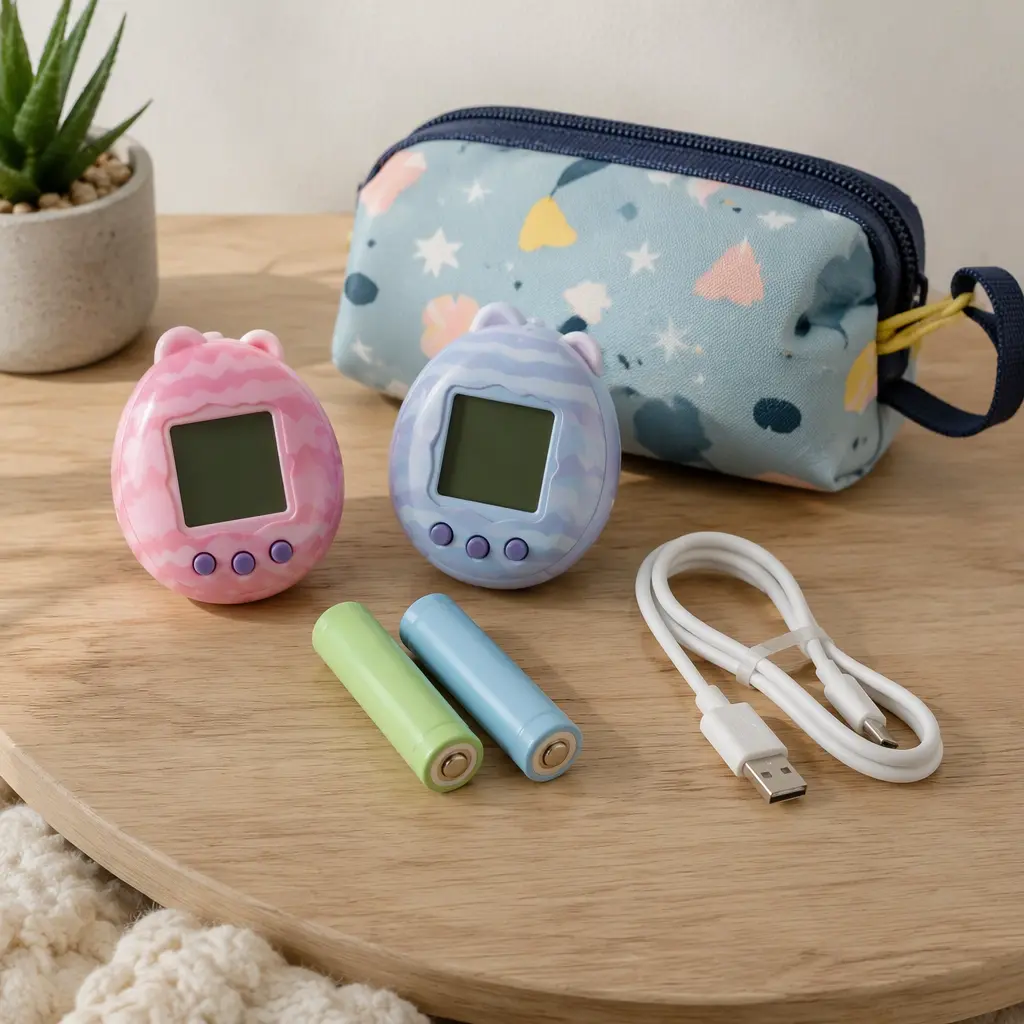
- Frequent travelers may prefer devices with straightforward charging and no reliance on Wi-Fi features.
- Families limiting app ecosystems may prefer a toy that remains useful without companion services.
- Children sharing bedrooms may benefit from models with quieter sound controls or easier muting.
- Parents who dislike toy clutter may appreciate that virtual pets are compact, though protective cases help reduce scratches and lost devices.
Frequently asked questions
Do newer AI-style features make virtual pets more engaging?
Most modern virtual pets are not truly AI-driven in the way chatbots or voice assistants are. Features marketed as smarter interaction are usually scripted responses, mini-games, online events or customization systems. For younger children, these additions can feel fun at first but do not always improve long-term play compared with a simpler pet-care loop.
Which option is easier during travel?
A more offline-focused device is often easier for trips because it does not depend heavily on internet access or downloads. Compact size also matters. Virtual pets fit easily into backpacks, but a protective pouch can help prevent accidental button presses or screen scratches during travel.
Will children get frustrated if the pet disappears?
Possibly. Reset frustration is common with virtual pets, especially for younger children who become attached to their creature. Devices that are less demanding or more forgiving about missed care are usually better for first-time users in the 6 to 8 age range.
Are connected features safe for children?
Parents should still review what information a connected toy collects and whether online interaction is limited to preset systems. Tamagotchi-style devices generally use lightweight connectivity compared with tablets or phones, but Wi-Fi setup, downloads and cloud-linked content still deserve adult oversight.
Do virtual pets replace screen-free toys?
Not entirely. Although they are smaller and more focused than tablets, virtual pets still rely on screens and electronic interaction. They tend to work best as short-session toys alongside physical play, books, crafts and outdoor activities rather than as a primary entertainment device.
For most families choosing a first virtual pet, the best fit is usually the one that matches the child’s tolerance for routine and the parent’s tolerance for maintenance. A simpler, mostly offline device often works better for younger children who want quick check-ins and predictable play. More connected models can add variety and customization, but they also bring extra setup, charging and long-term support questions. Thinking about daily life rather than feature lists usually leads to the more satisfying purchase.