Loona vs Miko 4 for Homework Help
A parent-focused comparison of Loona and Miko 4 for ages 9–12, covering homework support, privacy settings, supervision needs, offline use, subscriptions and practical day-to-day trade-offs.
Compare prices and availability
Check current prices and availability for this guide on eBay.
As an eBay Partner, we may be compensated if you make a purchase.
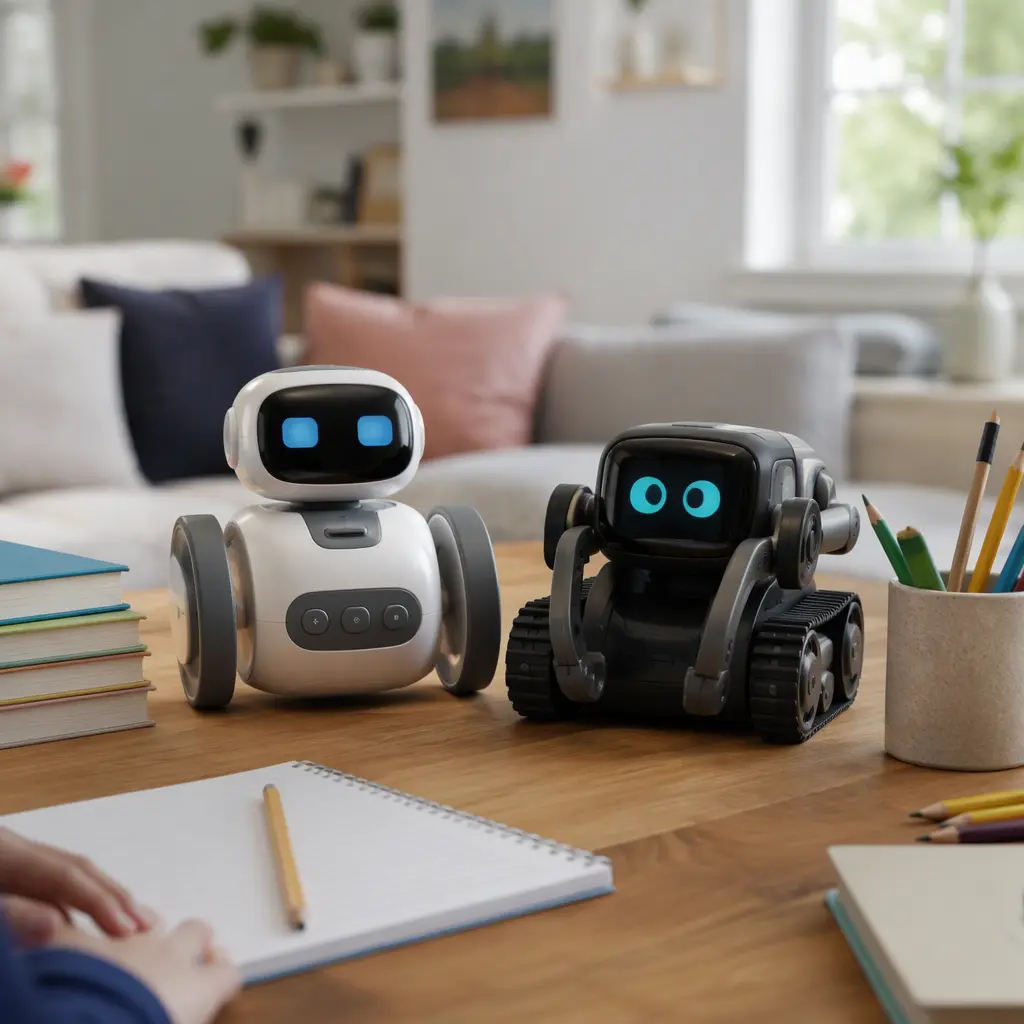
Parents comparing Loona and Miko 4 are usually trying to answer one practical question: which robot is more useful for a child who wants homework help without creating constant supervision, privacy or screen-time headaches. Both products are marketed as AI-powered companion robots, but they approach learning differently. Miko 4 leans more heavily toward guided educational content, conversations and app-linked activities aimed at children. Loona focuses more on expressive interaction, movement, entertainment and pet-like engagement with conversational features layered on top. For children aged 9 to 12, the better choice often depends less on which robot appears more advanced and more on how your household handles internet-connected devices, subscriptions, independent use and expectations around educational value.
What to look for
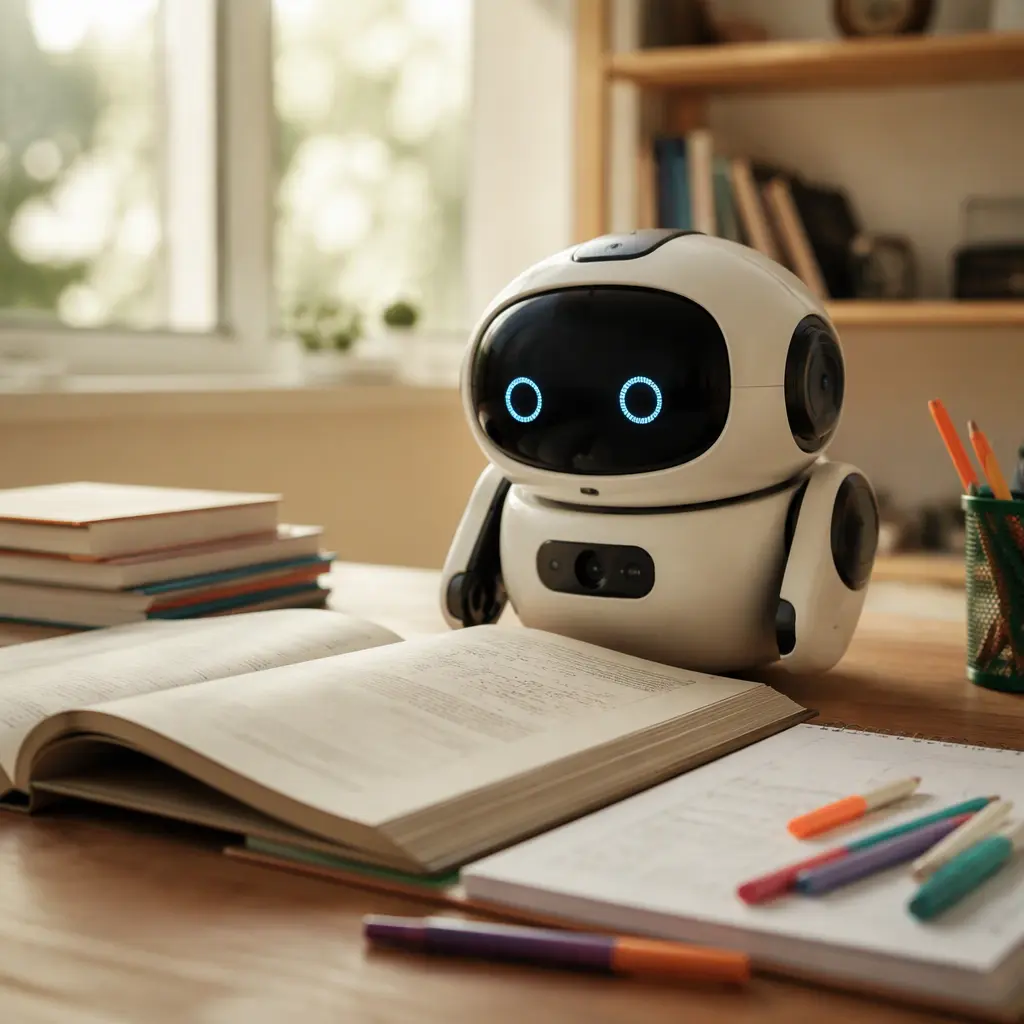
Connected robot toys can vary widely in how much they actually help with schoolwork. Some mostly provide conversation and entertainment, while others include structured educational content, quizzes or guided lessons. Parents should also consider how much setup and supervision the toy requires after the novelty phase wears off. A robot that depends heavily on cloud features or paid content may become less useful if subscriptions change or support ends.
- Check whether homework help is open-ended AI conversation, preloaded educational activities or a mix of both.
- Look at microphone and camera controls, including mute options, parental dashboards and account settings.
- Consider how useful the robot remains without Wi‑Fi or app connectivity.
- Review whether subscriptions, credits or premium memberships are required for key features.
- Think about practical home issues such as charging routines, noise levels and storage space.
- Check device compatibility for companion apps and whether multiple family members can manage settings.
- Consider your child’s expectations. A child wanting a study companion may prefer different features from one seeking an interactive robot pet.
Age suitability
For ages 9 to 12, both Loona and Miko 4 sit in an interesting middle ground. Children in this age group are usually capable of navigating voice assistants, menus and app-connected devices independently, but they are also old enough to notice when responses feel repetitive or shallow. Miko 4 may suit children who still enjoy guided educational games and conversational learning prompts. Loona may appeal more to children interested in robotics, personality-driven interaction and playful engagement. Neither device should be viewed as a replacement for direct academic support, tutoring or reliable research tools. AI-generated answers can still be incomplete, oversimplified or inaccurate, especially for homework topics requiring detail, citations or step-by-step reasoning. Parents may still need to help children verify information and avoid overreliance on conversational AI responses.
Options compared
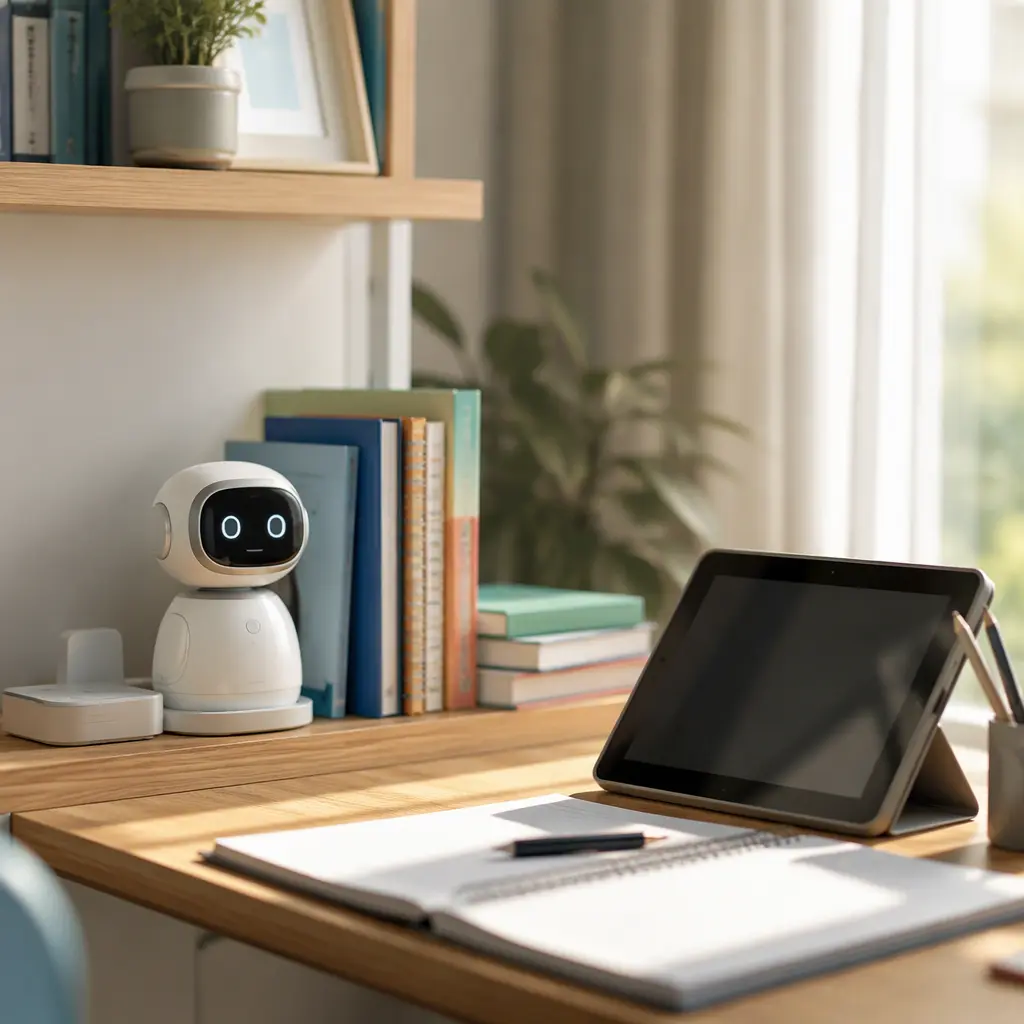
Miko 4 is generally positioned more directly as an educational robot for children. Manufacturer materials emphasize learning conversations, educational content and child-focused interaction. For families specifically prioritizing homework-related engagement, that focus may make Miko 4 easier to justify. Children who enjoy quizzes, guided discussions and structured learning prompts may stay interested longer. Parents should still check how much of the experience depends on internet connectivity or optional memberships, since AI-driven educational platforms often evolve over time.
Loona approaches the experience differently. Rather than functioning primarily as a study helper, it acts more like an expressive robotic companion with AI conversation and interactive behaviors. That can make it more engaging for children interested in robotics, personality and playfulness. However, families expecting detailed academic coaching may find the educational side less central. Loona may work better as a shared household gadget or tech hobby device than as a dedicated homework assistant.
- Choose Miko 4 if your priority is child-focused educational interaction, guided activities and homework-adjacent conversation.
- Choose Loona if your child is more excited by robotics, movement, personality and interactive entertainment.
- Miko 4 may require more oversight around content quality and balancing educational use with passive interaction.
- Loona may need more open floor space and tolerance for movement, sound effects and playful behavior.
- Both products depend on cloud-connected AI features to some extent, so long-term usefulness may change if support or services evolve.
- Neither option is ideal for families wanting a fully offline educational toy with no app or account setup.
- Children who already lose interest quickly in voice assistants or chatbot-style interaction may outgrow either robot faster than expected.
Frequently asked questions
Can these robots actually help with homework?
They can help with basic explanations, simple questions and conversational learning prompts, but they should not be treated as authoritative academic sources. Children may still need adult guidance to confirm answers, especially for complex subjects, writing assignments or research projects.
Do Loona and Miko 4 work without internet access?
Some basic functions may still operate locally, but many AI conversation and smart features rely on cloud connectivity. Parents considering either robot should expect internet access to be important for the full experience, updates and interactive features.
Which robot needs more parental supervision?
Both benefit from supervision during initial setup and privacy configuration. Miko 4 may need more monitoring around educational content quality and screen-time balance, while Loona may need more supervision around physical play space and device handling. For older children in the 9–12 range, day-to-day supervision is usually lighter once boundaries are established.
Are there privacy concerns with AI robot toys?
Yes. Devices with microphones, cameras or cloud-based conversations can collect data depending on account settings and feature use. Parents should review privacy policies, app permissions and parental controls carefully before enabling all connected features.
Is either robot a good value for long-term use?
That depends on how your child uses it after the novelty phase. Children deeply interested in robotics, AI interaction or conversational gadgets may stay engaged longer. Families seeking a straightforward academic tool may eventually prefer a tablet, computer or dedicated learning platform instead.
For most families choosing between Loona and Miko 4, the decision comes down to whether the child wants a learning-focused AI companion or a more playful interactive robot with educational features on the side. Miko 4 generally aligns more closely with structured educational goals, while Loona offers broader entertainment and robotic personality appeal. In either case, parents should treat connected robot toys as supplementary tools rather than replacements for active learning, supervision or reliable academic resources.