Yoto Player 3rd Gen vs StoryPhones for Shared Bedrooms
A parent-focused comparison of Yoto Player 3rd Gen and StoryPhones for shared bedrooms, covering volume limits, headphone use, offline playback, sibling sharing and everyday practicality.
Compare prices and availability
Check current prices and availability for this guide on eBay.
As an eBay Partner, we may be compensated if you make a purchase.
For families managing bedtime in a shared bedroom, audio players can be easier to live with than tablets or noisy electronic toys. Two popular options for younger children are the Yoto Player 3rd Gen and StoryPhones. Both focus on screen-free listening, but they solve different problems. The Yoto Player is a small speaker-based audio device designed around cards and room listening, while StoryPhones combine wireless headphones with audio content aimed at quieter personal listening. For UK families with siblings aged roughly three to five, the main decision usually comes down to noise control, sharing, independence and how useful the toy remains when Wi‑Fi is unavailable.
What to look for
Shared bedrooms change the priorities for audio toys. Speaker quality matters less than predictable volume, simple controls and how easily two children can use the device without arguments. Connected features also matter because these products rely on apps, downloads or cloud-linked content libraries to different degrees. Parents comparing them should focus on how the device works during ordinary routines such as bedtime, early mornings, travel and quiet play.
- Volume management: Look for adjustable limits, gradual volume steps and whether the device is designed for speaker listening or headphones.
- Offline playback: Check whether stories and music continue working away from Wi‑Fi after content is downloaded or linked.
- Sibling usability: Consider whether two children can listen together comfortably or whether the design naturally suits one child at a time.
- Headphone options: Shared rooms often benefit from wired or wireless headphone support, especially for different bedtimes.
- Ease of use: Preschoolers usually manage physical buttons and cards more independently than touchscreens or app-heavy systems.
- App dependence: Some setup and content management happens through parent apps, so device compatibility and account requirements matter.
- Storage and durability: Compact devices with fewer removable accessories are often easier to keep tidy in smaller bedrooms.
Age suitability
Both products target younger children, but they suit slightly different stages within the three-to-five range. The Yoto Player generally works well for preschoolers who enjoy choosing cards independently and listening together during playtime or bedtime. Its speaker-first design can suit siblings close in age who share routines. StoryPhones are often easier for children who are more sensitive to noise or who need separate listening in the same room. Headphones can also help when one child naps earlier than another. Very young three-year-olds may need more help managing charging, fitting headphones comfortably or navigating wireless pairing, while older preschoolers often adapt quickly to personal listening devices.
Options compared
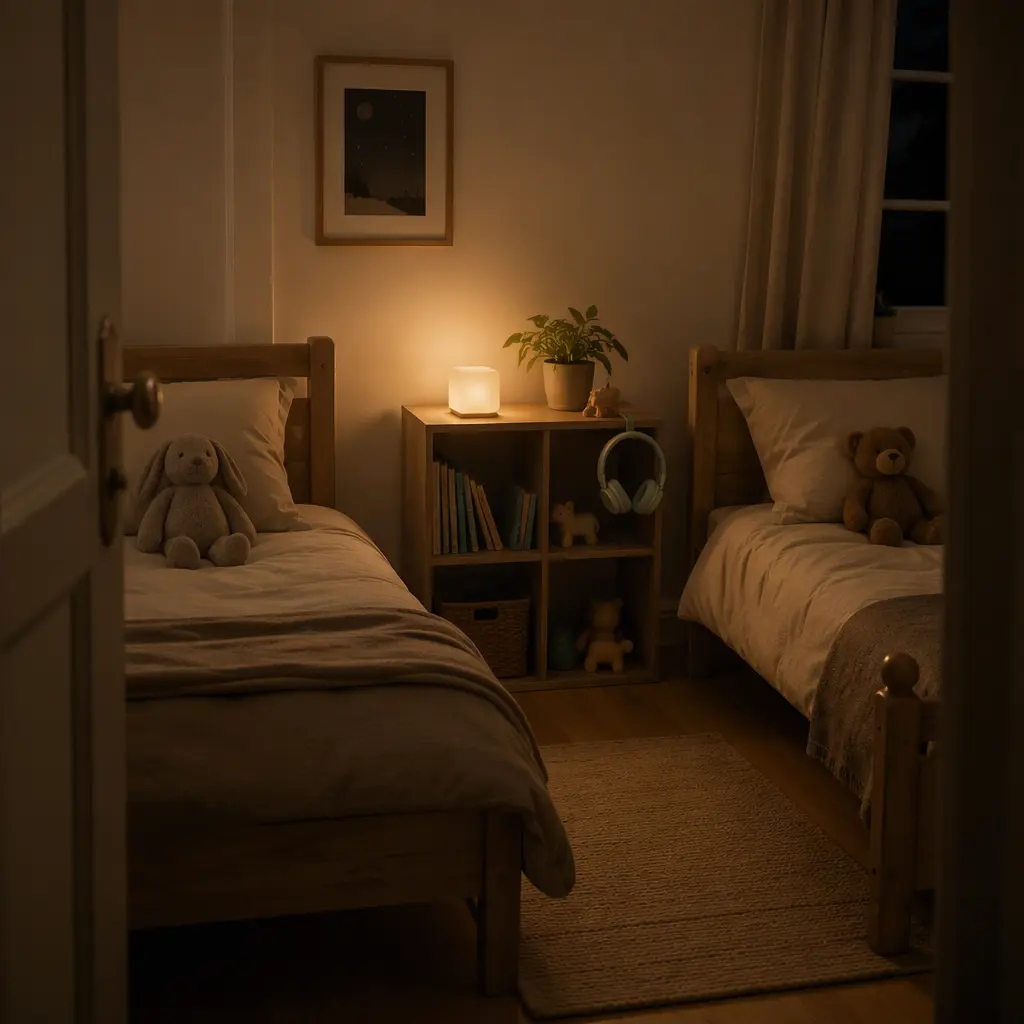
The biggest practical difference is how sound is delivered. The Yoto Player 3rd Gen is built around room listening. That can be excellent for siblings who like the same bedtime stories or calming music, and it avoids the hygiene and charging issues that come with shared headphones. The trade-off is that one child's listening affects the whole room. Even with moderate volume settings, early risers may wake siblings. Headphone support helps, but the overall design still centres on shared audio.
StoryPhones approach the problem from the opposite direction. Because listening happens through headphones, they naturally reduce disruption in shared spaces. This can make them easier for staggered bedtimes, different story preferences or children who become overstimulated by background noise. The downside is reduced social listening. Some preschoolers also dislike wearing headphones for long periods, particularly during winding-down routines. Parents may also find headphone charging and storage slightly more fiddly than managing a single bedside speaker device.
- Yoto Player 3rd Gen suits families who want shared stories, simple physical controls and flexible room listening during playtime or bedtime.
- StoryPhones suit children who need quieter individual listening, especially in small bedrooms or homes with different sleep schedules.
- Yoto's card system can feel more tangible and collectible for preschoolers, while headphone-based systems may feel more personal and immersive.
- For travel and offline listening, both depend on previously linked or downloaded content rather than constant streaming, though setup methods differ.
- Families trying to minimise app interaction may prefer systems where children can operate most features directly from physical controls.
- If siblings frequently disagree over content choices, separate headphone listening usually creates fewer conflicts than a shared speaker.
Frequently asked questions
Can two children listen to Yoto Player together?
Yes. That is one of its strongest features for shared bedrooms and play spaces. The speaker design allows siblings to hear the same story or music together without passing around headphones. Parents should still consider room size and bedtime timing because speaker audio can disturb sleeping children.
Are StoryPhones fully offline?
StoryPhones are designed to play previously loaded or linked content without continuous internet access. However, initial setup, account management or adding new content may still require an app connection or Wi‑Fi access depending on the content source and platform updates.
Which option is quieter for shared bedrooms?
StoryPhones are usually the quieter choice because sound stays with the individual child. Yoto can also be used with headphones, but its everyday use is more naturally speaker-based. Families with light sleepers often prioritise headphone listening for early mornings and bedtime routines.
Do these devices rely heavily on subscriptions?
Both product ecosystems may offer optional memberships, additional content purchases or app-linked libraries depending on the region and retailer. Parents should check what is included with the hardware, whether extra story content costs more and how useful the device remains without ongoing purchases.
Which is easier for a three-year-old to use independently?
Many younger preschoolers find physical cards and large buttons easier to understand than navigating audio libraries through headphones or apps. Children closer to five often adapt more comfortably to managing headphone controls and selecting personal content independently.
For shared bedrooms, the better choice depends less on audio quality and more on household routine. The Yoto Player 3rd Gen works best when siblings enjoy listening together and parents want a simple screen-free speaker that children can operate independently. StoryPhones fit homes where quiet individual listening matters more than shared experiences. Looking closely at bedtime timing, noise sensitivity, charging habits and how children actually share toys usually leads to a clearer decision than comparing features alone.