Loona vs Miko 4 for Kids Who Want Interactive Pets
A parent-focused comparison of Loona and Miko 4 covering conversation quality, cameras, privacy, offline play, subscriptions, replay value and which type of family each robot suits.
Compare prices and availability
Check current prices and availability for this guide on eBay.
As an eBay Partner, we may be compensated if you make a purchase.
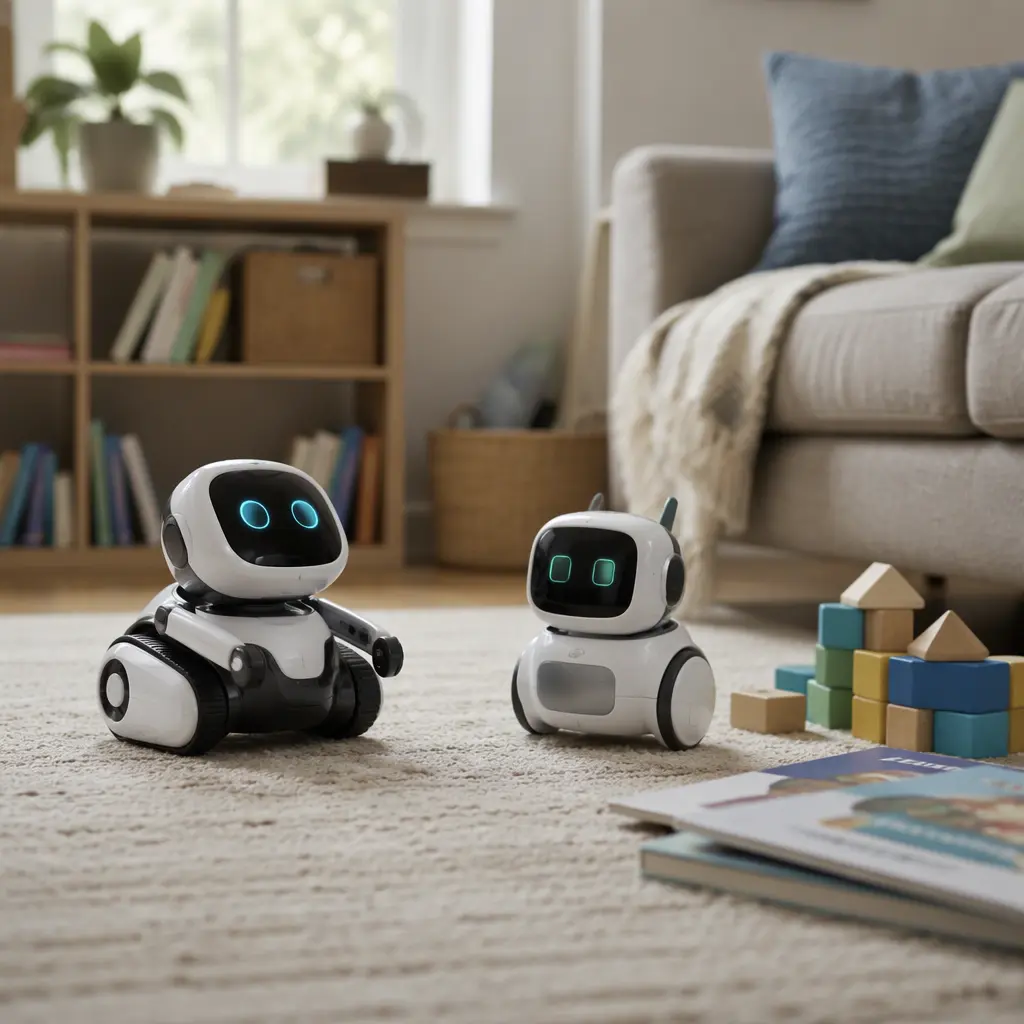
Loona and Miko 4 are both marketed as interactive companions for children, but they approach play very differently. Loona leans toward the idea of a robotic pet with expressive movement, reactions and roaming behavior, while Miko 4 is positioned more as a conversational learning companion with games and educational content. For families choosing between them, the biggest differences are not just personality or appearance. The more important questions are how much internet connectivity each toy needs, what cameras and microphones are doing in the home, how engaging the conversations remain over time and whether children still enjoy the toy once the novelty wears off.
What to look for
Interactive robots for children now range from simple voice-triggered gadgets to cloud-connected AI companions with cameras, facial tracking and app integration. Loona and Miko 4 sit closer to the connected end of that range. That means parents should evaluate them less like traditional toys and more like internet-connected devices that happen to be playful. The right choice depends on how comfortable your household is with microphones, cameras and app-based ecosystems, along with how independently your child can use the toy.
- Conversation quality matters more than the number of features. Some children want a playful pet personality, while others mainly want back-and-forth chat and quizzes.
- Check how useful the toy remains without Wi-Fi. Cloud-dependent toys can lose features during outages or after long-term support changes.
- Look closely at camera and microphone controls. Parents may want physical mute options, visible indicators or clear privacy settings.
- Consider replay value. Scripted interactions can feel repetitive after a few weeks, while more open-ended AI responses may stay interesting longer but can also become less predictable.
- Think about noise levels. Robot pets that move, react and vocalize frequently may not suit shared bedrooms or quieter homes.
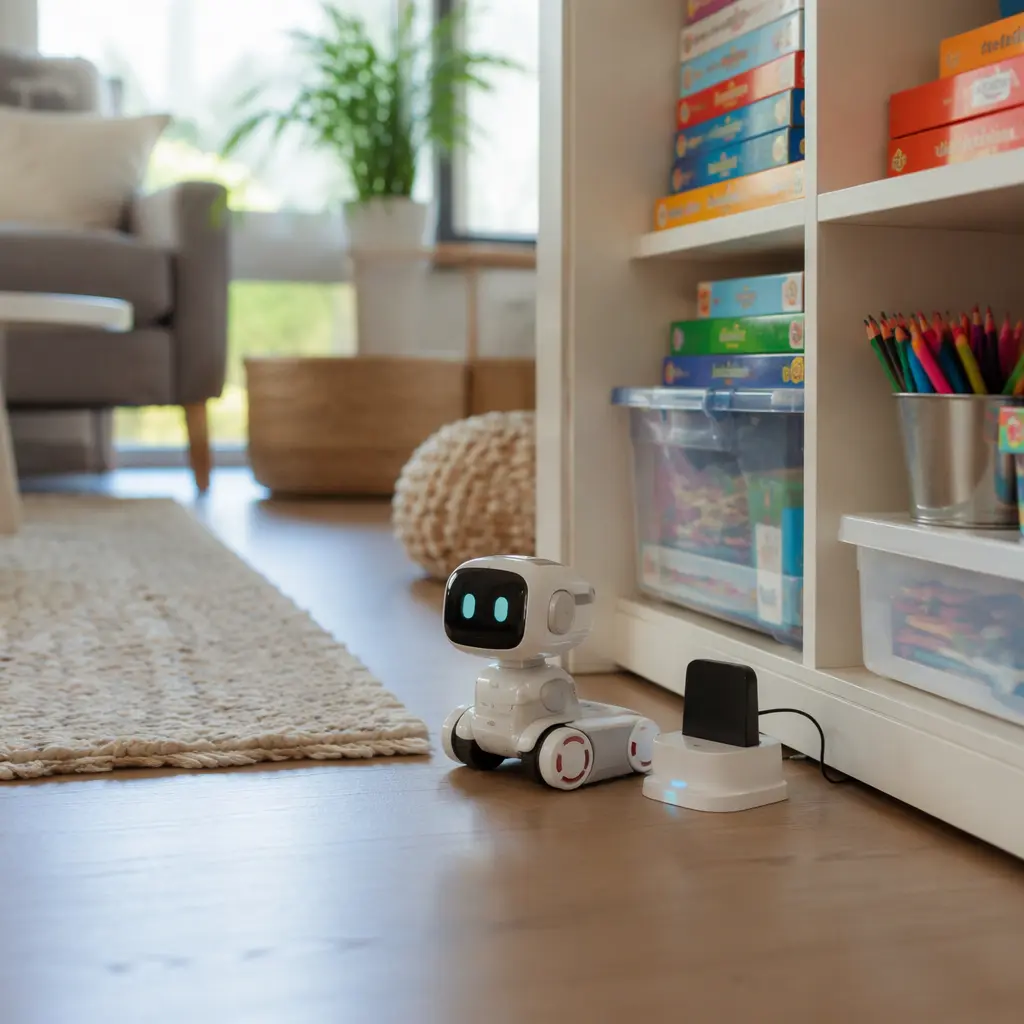
- Storage and charging are practical concerns. These toys often need floor space, charging routines and stable internet access.
- Review app and subscription requirements carefully. Some features may rely on companion apps, account creation or optional paid services.
Age suitability
For children aged 6 to 8, both Loona and Miko 4 can appeal, but they suit different personalities and play styles. Loona often works better for children who enjoy pretend pet care, physical interaction and watching a robot react to movement around the room. Miko 4 is usually a stronger fit for children who like talking, asking questions and engaging with guided games or educational activities. Younger children in this age band may need more supervision with setup, charging and app navigation, while older children may care more about whether the robot can hold varied conversations without repeating itself too often.
Options compared
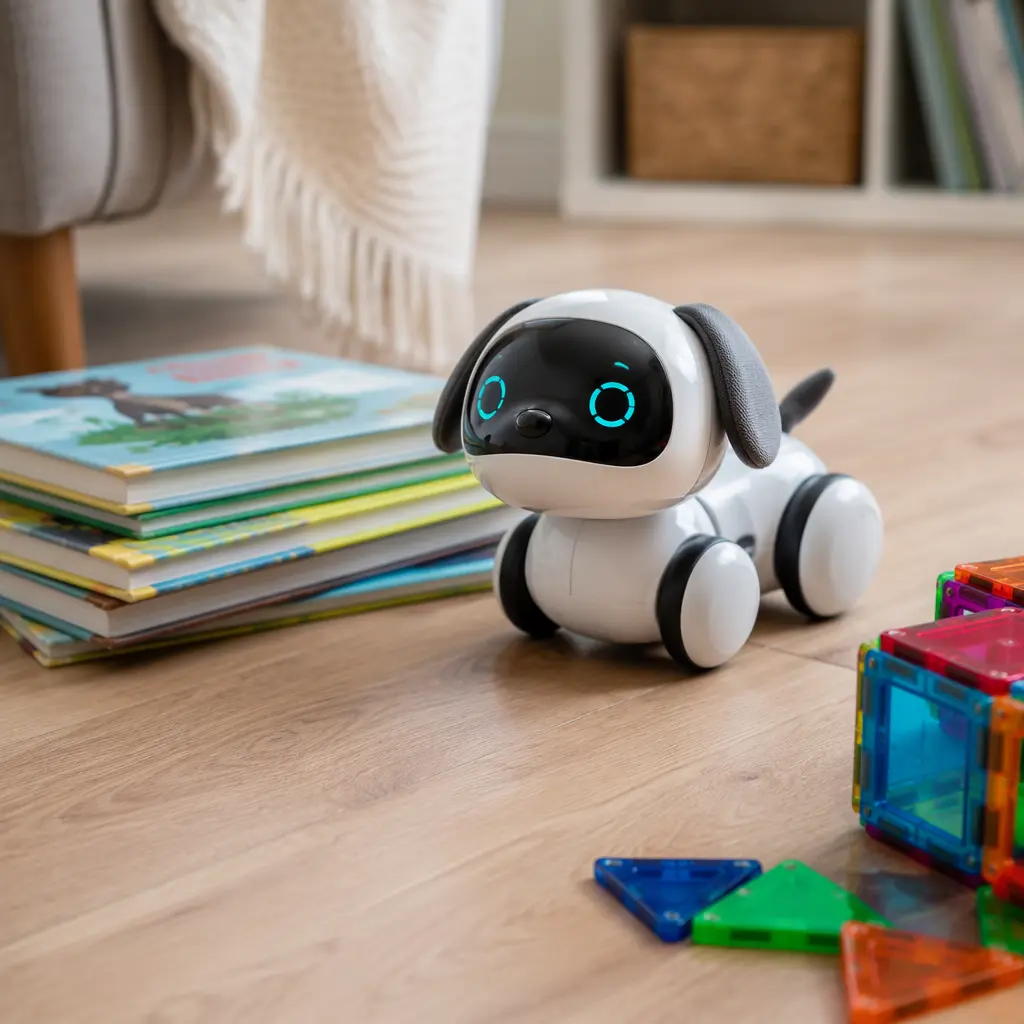
Loona's biggest strength is physical personality. It behaves more like a robotic pet than a tablet-based learning device, using movement, expressive reactions and environmental awareness to create the impression of a curious companion. For children who want something that feels alive moving around the room, that can be more engaging than purely screen-based interaction. Families looking for screen-light play may also prefer that its entertainment comes largely from movement and reactions rather than constant visual content. The trade-off is that some children eventually discover the limits of the behavior patterns and conversational depth.
Miko 4 focuses more heavily on voice interaction, guided content and educational engagement. Children who enjoy asking questions, hearing jokes or playing structured games may stay interested longer if they value conversation over physical play. However, Miko's experience depends more noticeably on cloud connectivity and software support. Parents who want a toy that still feels useful during internet interruptions may find that important. Miko can also feel closer to a kid-focused smart device than a pet substitute, which some families appreciate and others specifically want to avoid.
- Choose Loona if your child mainly wants an animated robotic pet with movement, reactions and playful personality.
- Choose Miko 4 if your child enjoys conversation, quizzes, storytelling and guided educational interaction.
- Loona may suit families trying to reduce screen-heavy entertainment, although it still relies on connected features.
- Miko 4 may appeal more to children comfortable with app ecosystems and voice assistants.
- Families sensitive to privacy concerns should carefully compare camera use, cloud processing and account requirements before deciding.
- Neither toy is ideal for households wanting completely offline, low-tech play with no microphones or internet dependence.
Frequently asked questions
Are Loona and Miko 4 true AI toys?
Both are marketed with AI-related features, but they are still limited consumer robots rather than fully independent conversational systems. They combine scripted behaviors, voice recognition, cloud processing and interactive responses. Compared with simpler animatronic pets or sensor-based robots, they offer more conversational interaction and adaptive responses, but they still operate within designed boundaries.
Do these robots work without internet access?
Some basic functions may continue offline, depending on the feature, but many headline capabilities rely on cloud connectivity. Voice interactions, updates and certain smart features may become limited without Wi-Fi. Parents should expect the experience to work best with stable internet access.
Which toy has better long-term replay value?
Replay value depends heavily on the child. Children who enjoy imaginative pet-style interaction may return to Loona because of its movement and personality. Children who like asking questions or exploring new conversational content may stay engaged with Miko 4 longer. In both cases, replay value is tied closely to ongoing software support and fresh interactions rather than purely physical play.
Are camera-equipped toys safe for children's rooms?
Many families prefer keeping connected toys with cameras and microphones in shared spaces such as living rooms rather than bedrooms. Parents should review privacy settings, understand whether images or voice data are processed in the cloud and regularly check account permissions and software updates.
Do these toys replace traditional toys or pets?
Not usually. Most children still benefit from a mix of physical toys, outdoor play, creative activities and social interaction. Interactive robots can be entertaining companions, but they are generally best treated as one part of a broader play environment rather than a replacement for imaginative free play or real pet care responsibilities.
For most families, the decision between Loona and Miko 4 comes down to whether the child wants a robot that behaves more like a pet or one that behaves more like a conversational companion. Loona emphasizes movement and personality, while Miko 4 leans toward guided interaction and voice-based engagement. Parents should weigh not only entertainment value but also privacy comfort, internet dependence, support lifespan and how much independent offline play they want from a toy in this category.