MGA Car Tuned and the Return of Cartoon-Style Collectible Cars
MGA Car Tuned turns familiar vehicle shapes into exaggerated mini collectibles, blending toy-car nostalgia, stylized design, and kid-friendly collecting for a new generation.
Compare prices and availability
Check current prices and availability for this guide on eBay.
As an eBay Partner, we may be compensated if you make a purchase.
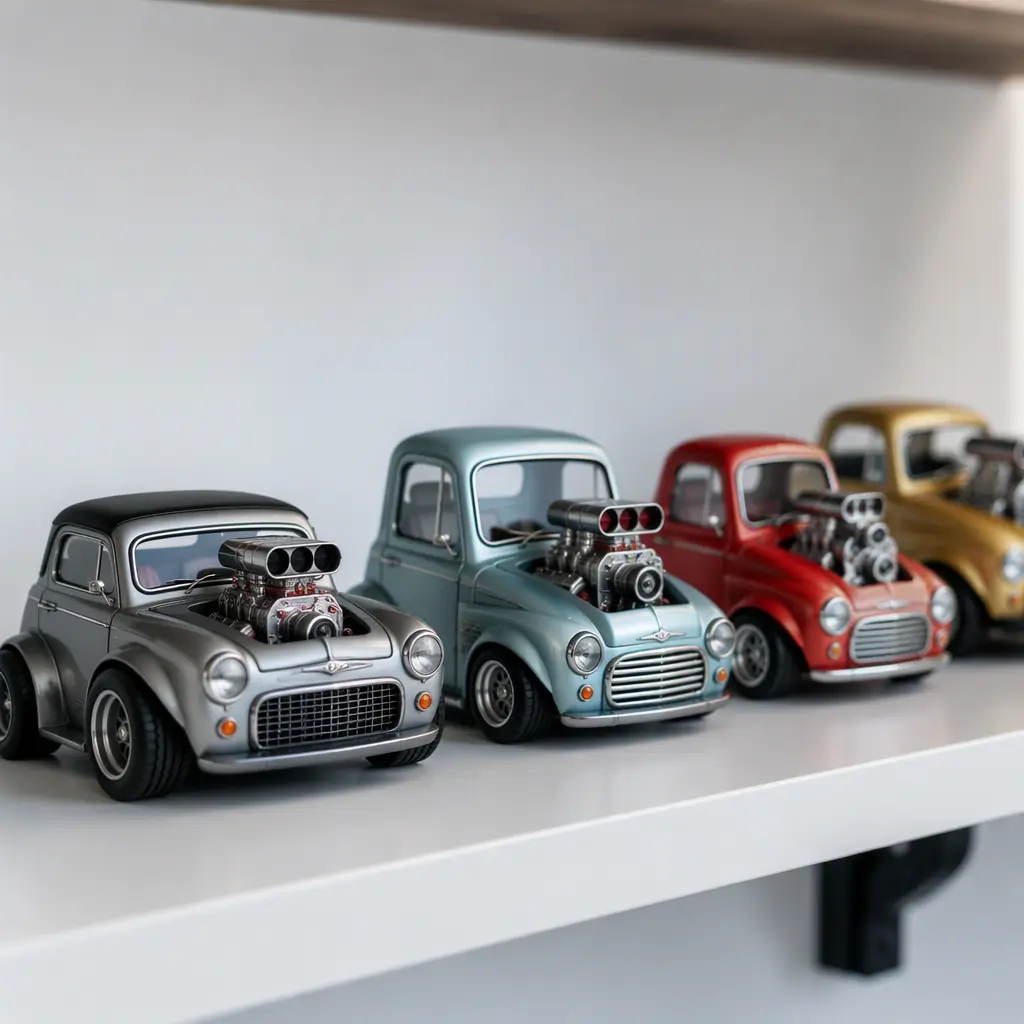
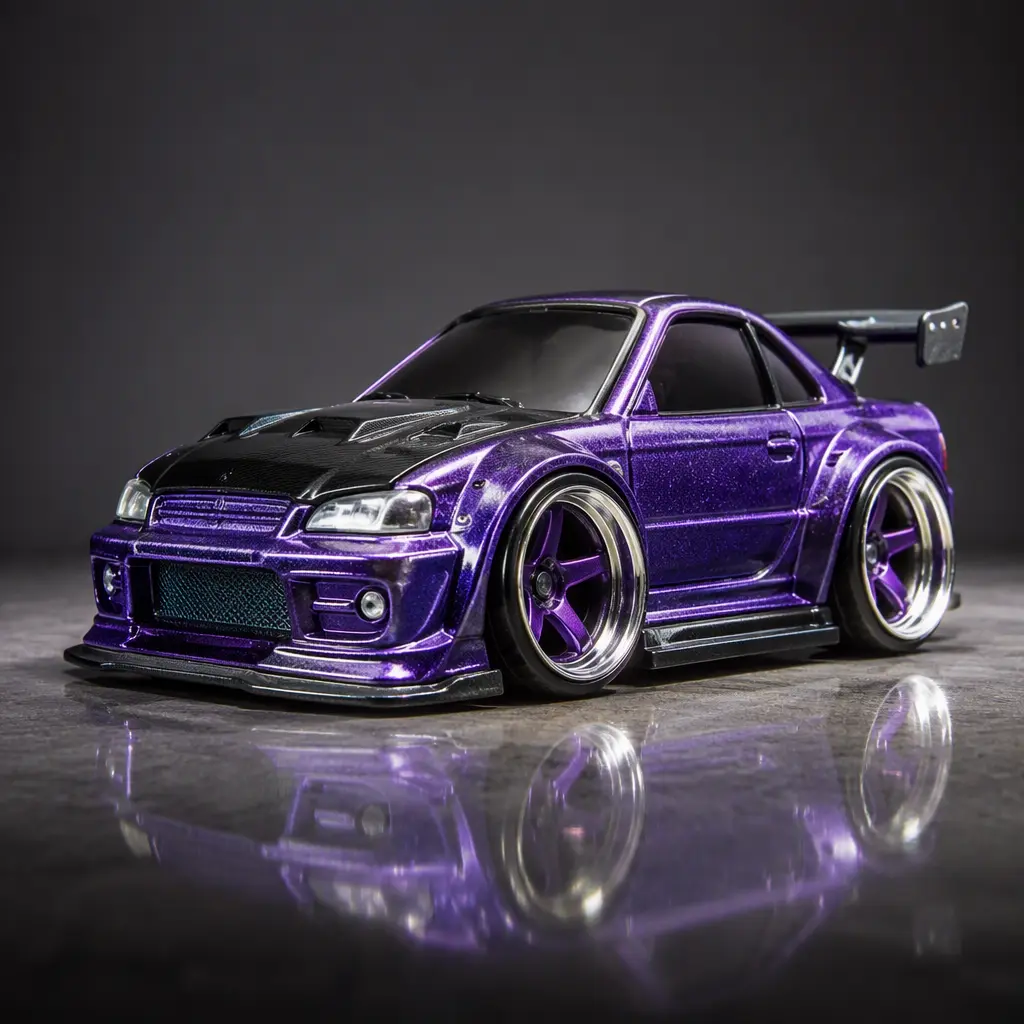
MGA Car Tuned arrived at a moment when toy aisles were already crowded with die-cast cars, blind-box collectibles, and nostalgia-driven reboots. What helped the line stand out was its unusual mix of all three. Instead of chasing realism, the cars lean into exaggerated proportions: oversized rear wheels, compressed bodies, widened stances, and cartoon-like details that make each vehicle look more like a caricature than a scale model. For kids, that makes them visually loud and easy to recognize. For adults who grew up around tuner culture, toy-car collecting, or arcade racing games, the designs tap into memories of custom garage builds and stylized street machines without trying to replicate any one era too precisely.
Where it came from
MGA Entertainment launched Car Tuned in 2023 during a period when collectible toys were increasingly crossing age groups. The company already had experience building toy lines around strong visual identity and repeat collecting habits, and Car Tuned followed that pattern with compact packaging, varied vehicle styles, and an emphasis on display appeal. While the line sits broadly within the die-cast and toy-car category, its design language owes as much to animation, tuner-car culture, and video-game aesthetics as it does to traditional model cars.
The original idea was less about accurate scale modeling and more about personality. Traditional die-cast brands often focus on realism, licensing accuracy, or motorsport authenticity. Car Tuned took a different route by exaggerating familiar vehicle silhouettes into playful shapes that feel intentionally overbuilt. The result is a toy line that sits somewhere between a collectible figure and a miniature car. That distinction matters because it changes how children play with them and how adults display them. The cars become characters rather than replicas.
Why it works
The strongest part of Car Tuned is how quickly the visual concept communicates itself. Even from a distance, the proportions tell the story. Tiny cabins, giant wheels, raised engines, widened fenders, and compressed wheelbases create a sense of motion even when the cars are standing still. The exaggerated style also makes the toys easier for younger children to identify and sort compared with more realistic miniature vehicles that can blend together visually.
The line also benefits from a collecting rhythm that feels manageable. Many families already understand the appeal of small collectible toys because they take up less space, cost less than larger action figures or electronic toys, and can be carried easily. Car Tuned adds another layer by giving each vehicle a strong personality through color, shape, and stance. Adults who once customized model cars or followed tuner magazines often recognize the visual references immediately, while kids simply see funny-looking cars with dramatic styling.
- Exaggerated proportions that make each vehicle visually distinct
- Compact size that works for collecting, trading, and display
- Stylized designs inspired by tuner and custom-car culture
- Simple rolling play pattern with no complicated setup
- Strong shelf presence despite small packaging
- Appeal that crosses between kid toy and adult collectible
Who it's for
Car Tuned works best for children who already enjoy miniature vehicles and for adults who like compact collectibles with a playful aesthetic. Younger kids tend to respond to the oversized wheels and cartoon-like shapes because they are easy to handle and visually expressive. Older children often enjoy organizing collections, comparing designs, or building imaginative racing scenarios. Adults are a significant part of the audience as well, especially collectors who grew up around import-car culture, arcade racing games, or heavily customized toy vehicles from earlier decades. The toys are small enough for casual collecting but detailed enough to display on a desk or shelf without looking purely child-oriented.
Variants and what to look for today
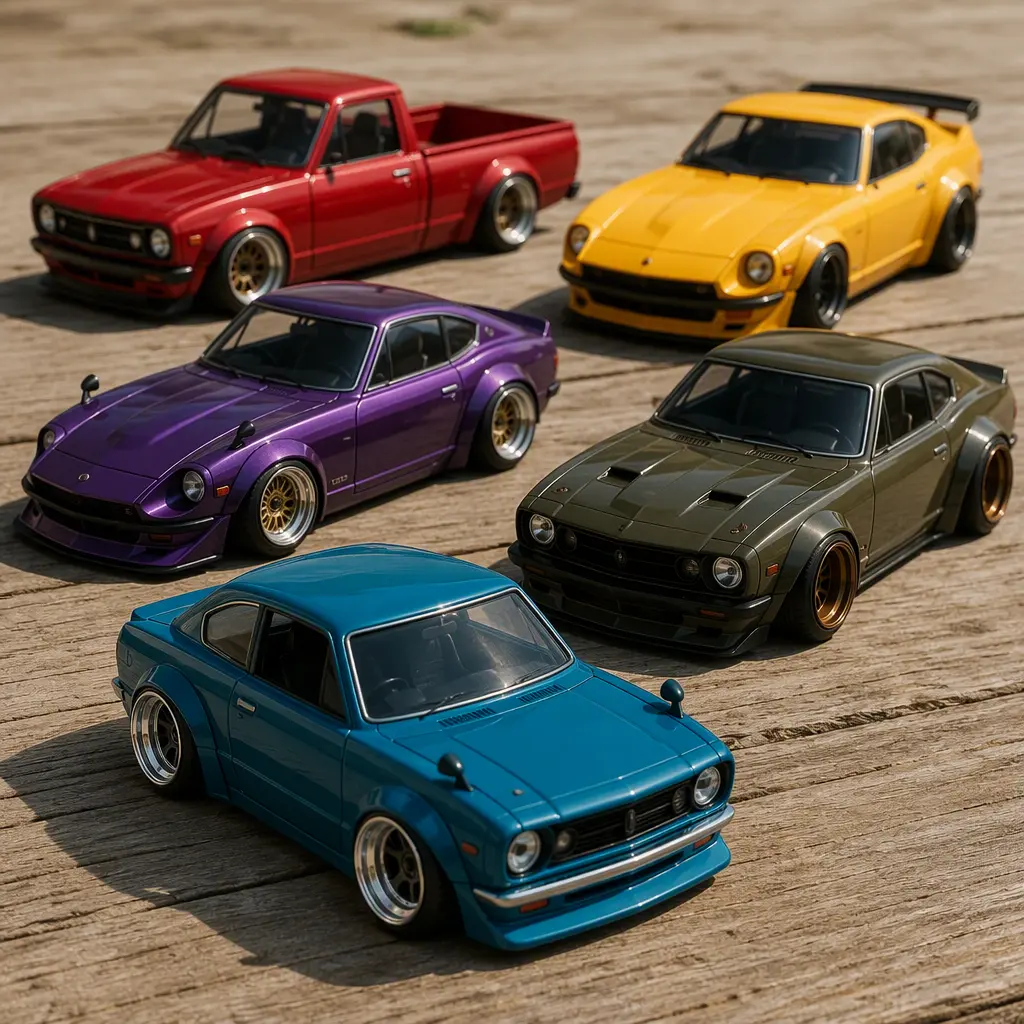
One reason the line has maintained attention is the range of vehicle inspirations. Some designs resemble muscle cars, others lean toward compact imports, off-road trucks, or retro-inspired cruisers. The exaggerated style helps the line stay visually unified even when the source inspirations differ widely. For collectors, that means mixed displays still feel cohesive rather than random.
When shopping today, packaging condition matters more to some adult collectors than it does to children, but the toys themselves are generally designed for handling rather than delicate display. Parents buying for play should focus on wheel movement, paint quality, and sturdy body construction instead of rarity language online. As with many collectible toy lines, third-party sellers sometimes inflate values around harder-to-find variations. Most families are better served choosing designs they genuinely enjoy rather than treating the toys as investment pieces.
- Look for sturdy wheel axles and smooth rolling action
- Choose vehicle styles that match the child's interests
- Sealed packaging may matter for display-focused collectors
- Avoid unofficial imitation products with poor paint or loose parts
- Starter collections often work better than chasing rare variants immediately
Frequently asked questions
Are MGA Car Tuned cars die-cast or plastic?
Most releases combine die-cast metal elements with plastic components, which helps keep the toys lightweight while still giving them a solid feel in hand. The balance between materials also supports the exaggerated shapes without making the cars overly heavy.
Why do the cars look distorted?
The distorted proportions are intentional and are central to the line's identity. The oversized wheels, shortened bodies, and widened stances are inspired by cartoon design, custom-car exaggeration, and stylized racing aesthetics rather than realistic scale modeling.
Do adults collect Car Tuned?
Yes. Although the line is accessible to children, many adults collect the vehicles because they connect to broader car culture and toy nostalgia. Their compact size also makes them easy to display in offices, hobby rooms, or shelves without requiring large amounts of space.
Are they meant for racing tracks?
The toys are primarily designed as collectible rolling vehicles rather than precision track racers. Some may roll well on smooth surfaces, but the exaggerated dimensions are focused more on appearance and character than standardized racing performance.
Car Tuned reflects a broader shift happening across the toy industry: realism is no longer the only path to collector appeal. By embracing distortion, humor, and visual personality, the line found room in a crowded category and connected two audiences at once. Kids see bold miniature cars that feel energetic and expressive. Adults see echoes of custom-car culture, arcade racers, and the toy aisles they grew up with. That overlap is what gives the line staying power beyond a short-lived trend.