Offline Electronic Toys That Teach Real Skills to Teens
A parent-focused guide to offline electronic toys for teens that build real-world skills. Learn what to look for, age fit, safety tips, and standout categories—no apps or internet required.

Compare prices and availability
Check current prices and availability for this guide on eBay.
As an eBay Partner, we may be compensated if you make a purchase.
Teens often want tech that feels grown-up, but many parents want learning value without constant apps, accounts, or internet access. Offline electronic toys fill that gap. These are gadget-style kits and tools that work on their own, teaching hands-on skills like coding logic, electronics basics, audio engineering, and problem-solving—without Wi‑Fi. This guide explains what to look for, how age suitability works for 13+ kids, and which categories tend to deliver the most real-world learning.
What to look for
Offline electronic toys vary widely in depth and quality. Some are quick novelty builds, while others can support months of learning. Focusing on a few key features can help parents choose options that feel challenging, relevant, and age-appropriate for teens.
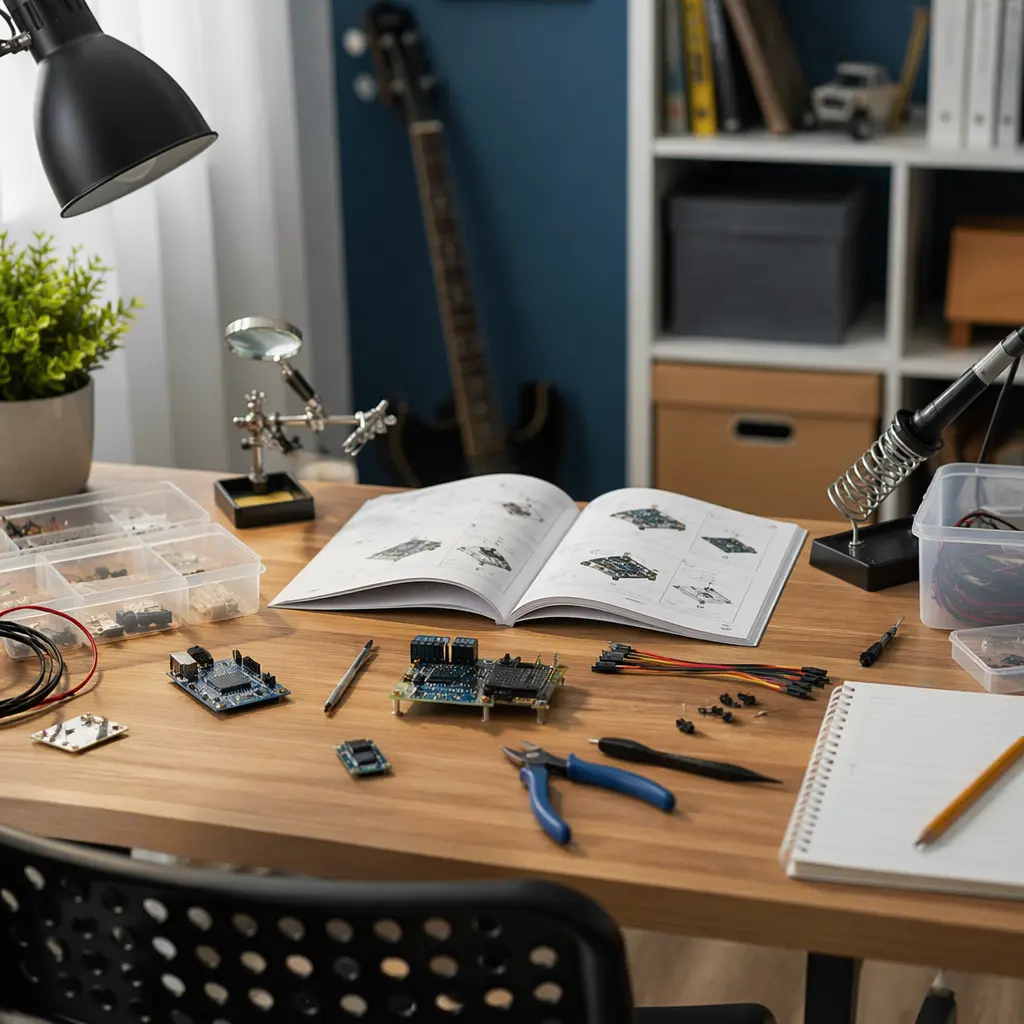
- Fully offline operation: Look for toys that work without apps, Bluetooth pairing, or cloud accounts.
- Real components and tools: Teens benefit from using actual switches, sensors, wires, or programmable buttons rather than simplified snap-only pieces.
- Clear learning progression: Good kits move from guided projects to open-ended experimentation.
- Durability and repairability: Sturdier parts and replaceable components matter for repeated use.
- Plain-language instructions: Manuals should explain not just what to do, but why it works.
Age suitability
For ages 13 and up, electronic toys should feel more like tools than toys. Teens generally have the patience for multi-step builds, troubleshooting, and abstract concepts such as logic flow or signal paths. Kits labeled for younger kids may feel limiting, while advanced hobbyist gear can be overwhelming without guidance. Look for products that assume basic reading skills, comfort with small parts, and an interest in learning how systems work rather than just getting a quick result.
Standout categories or types
Offline electronic toys for teens tend to fall into a few strong categories, each building different skills. Choosing the right type depends on whether your teen prefers creative expression, logical problem-solving, or hands-on engineering.
- Programmable logic kits: These use buttons, lights, or screens to teach sequencing and conditional thinking without a computer.
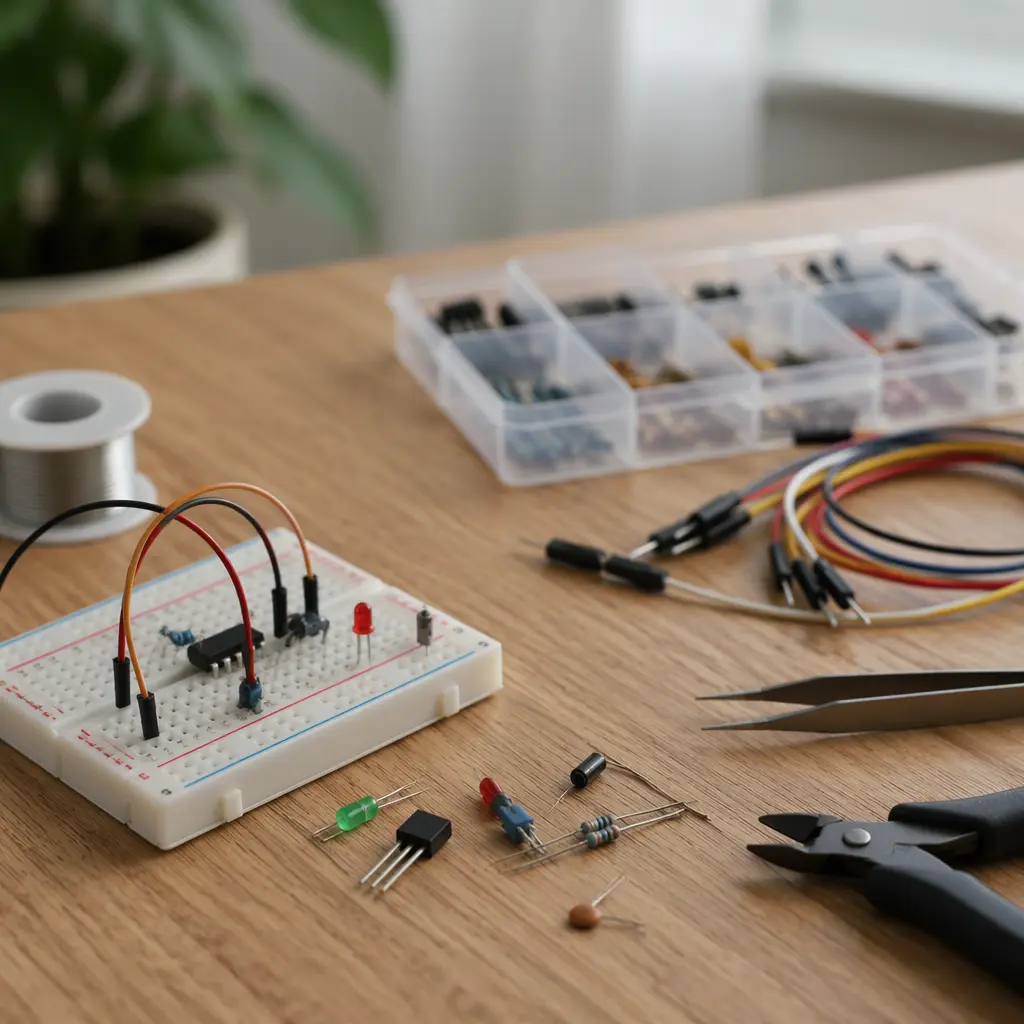
- Electronics and circuitry kits: Focused on understanding power, signals, and components through real circuit building.
- Audio and signal projects: Teach sound waves, amplification, and basic recording using physical controls.
- Mechanical-electronic hybrids: Combine gears or motors with electronics to show how physical and digital systems interact.
Frequently asked questions
Are offline electronic toys still relevant for tech-savvy teens?
Yes. Offline toys often teach foundational skills that online tools skip, such as understanding hardware limits, signal flow, and cause-and-effect. These concepts support later learning in coding, engineering, and media production.
Do these toys replace coding on a computer?
They do not replace computer-based coding, but they complement it. Offline electronics help teens understand how code connects to real-world inputs and outputs, making later software learning more meaningful.
How much adult help is usually needed?
Most teens can follow instructions independently, but adult help is useful for safety checks and early troubleshooting. Over time, many teens become fully self-directed with these kits.
Will these toys hold interest long term?
Open-ended kits with multiple projects and free-build options tend to last longer than single-goal builds. Look for toys that encourage modification and experimentation.
Offline electronic toys can give teens a sense of independence and competence with technology. By focusing on real components, clear learning paths, and safety, parents can choose options that feel mature while building practical skills that extend well beyond playtime.