Robo Alive: The toy line bringing animatronic creatures back
Robo Alive turned affordable robotic pets and creatures into a modern toy aisle staple, mixing simple motors, sensory tricks, and collectible play into accessible animatronic fun.
Compare prices and availability
Check current prices and availability for this guide on eBay.
As an eBay Partner, we may be compensated if you make a purchase.
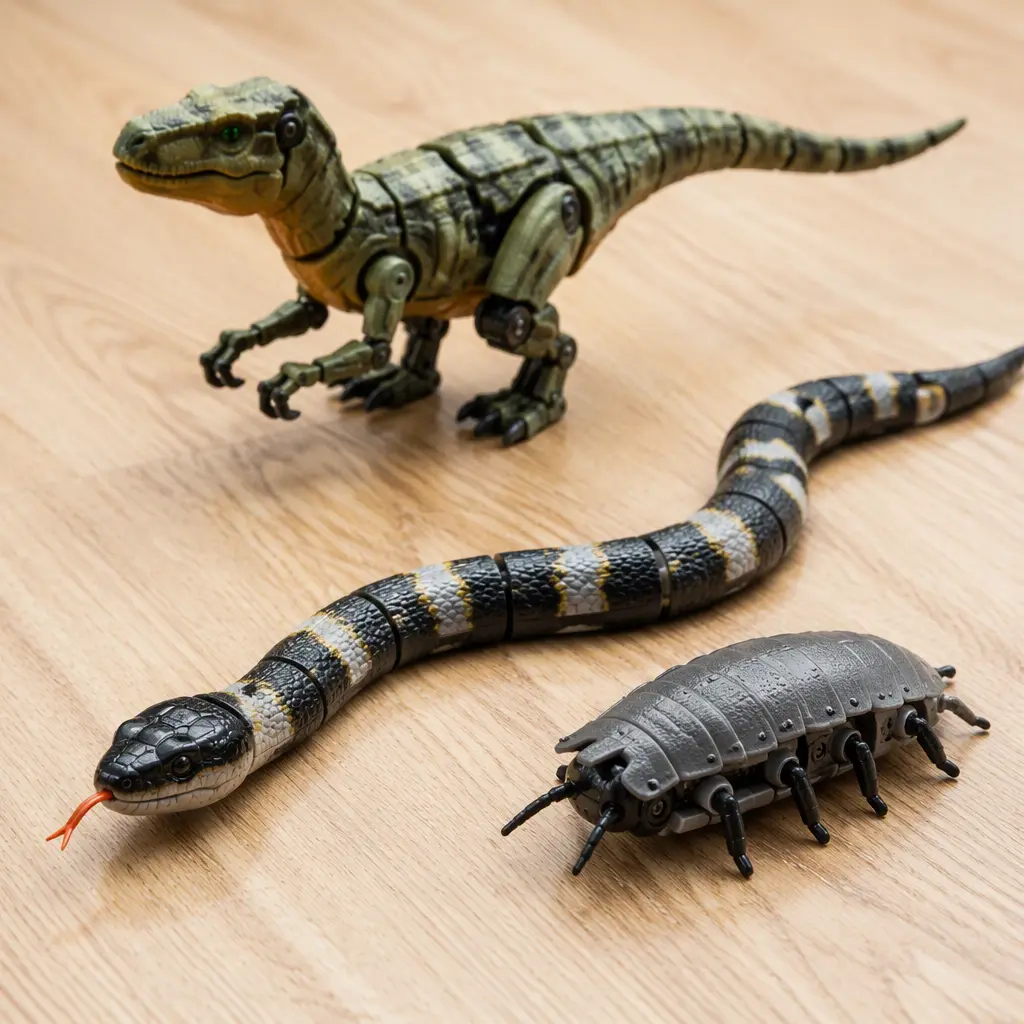
Robo Alive arrived at a moment when interactive toys were becoming more sophisticated but often more expensive. The line found a different path. Instead of chasing app connections or complex artificial intelligence, Robo Alive focused on simple mechanical tricks that felt surprisingly lively for the price. Snakes slithered across floors, fish darted through water, dinosaurs stomped and roared, and small robotic pets reacted with enough movement and sound to create the illusion of personality. For many families, the appeal was immediate: accessible animatronic-style toys that delivered movement, noise, and tactile play without requiring a major investment.
Where it came from
Robo Alive was introduced by the New Zealand toy company ZURU, which had already built a reputation for affordable, mass-market toys designed around surprise, movement, and fast visual appeal. The brand emerged in the late 2010s and became especially visible around 2020 as toy shelves leaned heavily into collectible lines and interactive gadgets. Robo Alive sat somewhere between classic wind-up animal toys and higher-end robotic pets, combining simple battery-powered mechanics with creature designs that emphasized motion.
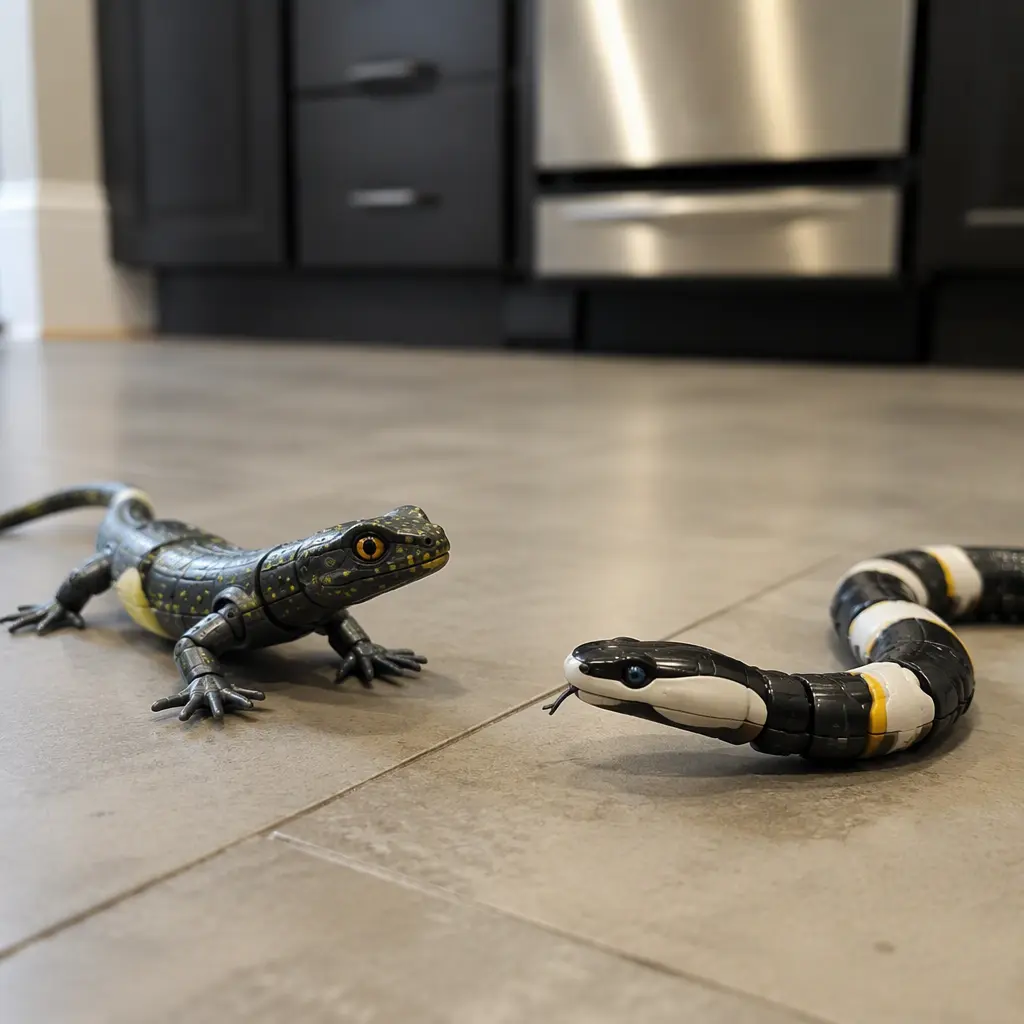
The original concept was straightforward: create toys that imitate the movement of animals closely enough to feel exciting in motion, while keeping operation simple for younger users. Instead of building complicated programmable robots, Robo Alive products relied on hidden wheels, segmented bodies, vibration motors, and lightweight electronics. That design approach helped keep costs lower and allowed the line to expand rapidly into sharks, insects, reptiles, dinosaurs, fish, birds, and fantasy-inspired creatures. The toys were often packaged with bright, action-oriented presentation, but the core appeal remained rooted in movement itself.
Why it works
The success of Robo Alive comes from how effectively it creates a sense of animation using relatively simple engineering. Many of the toys exaggerate the movement patterns people already associate with animals. A snake swings side to side in quick curves. A fish flicks its tail rhythmically in water. A bug skitters unpredictably across a table. Even when the mechanics are visible up close, the movement can still trigger the small surprise that makes robotic toys entertaining.
There is also a tactile quality to the line that separates it from screen-based entertainment. Children tend to chase, hide, race, or prank with the toys rather than simply observe them. Some Robo Alive products intentionally lean into harmless shock value, especially spiders, cockroaches, and dinosaurs designed to startle siblings or move unexpectedly under furniture. Others are gentler and more pet-like, encouraging nurturing or collection-based play.
- Battery-powered movement that mimics animal motion using simple mechanics
- Wide variety of creatures including reptiles, sea animals, insects, and dinosaurs
- Accessible pricing compared with larger interactive robotic toys
- Designed for active physical play instead of app-based interaction
- Collectible range with different sizes, colors, and movement styles
Who it's for
Robo Alive products are generally aimed at children who enjoy animals, movement, or gadget-style toys, especially in the early elementary age range. Younger kids are often drawn to the instant cause-and-effect design: switch the toy on and it immediately starts moving. Older children may enjoy collecting different creature types or using them for imaginative play scenarios. Adults sometimes pick them up as novelty desk toys, prank items, or inexpensive modern examples of animatronic toy design. Because the line covers everything from fish tanks to dinosaurs, the appeal stretches across multiple interests rather than staying tied to one fictional world or media franchise.
Variants and what to look for today
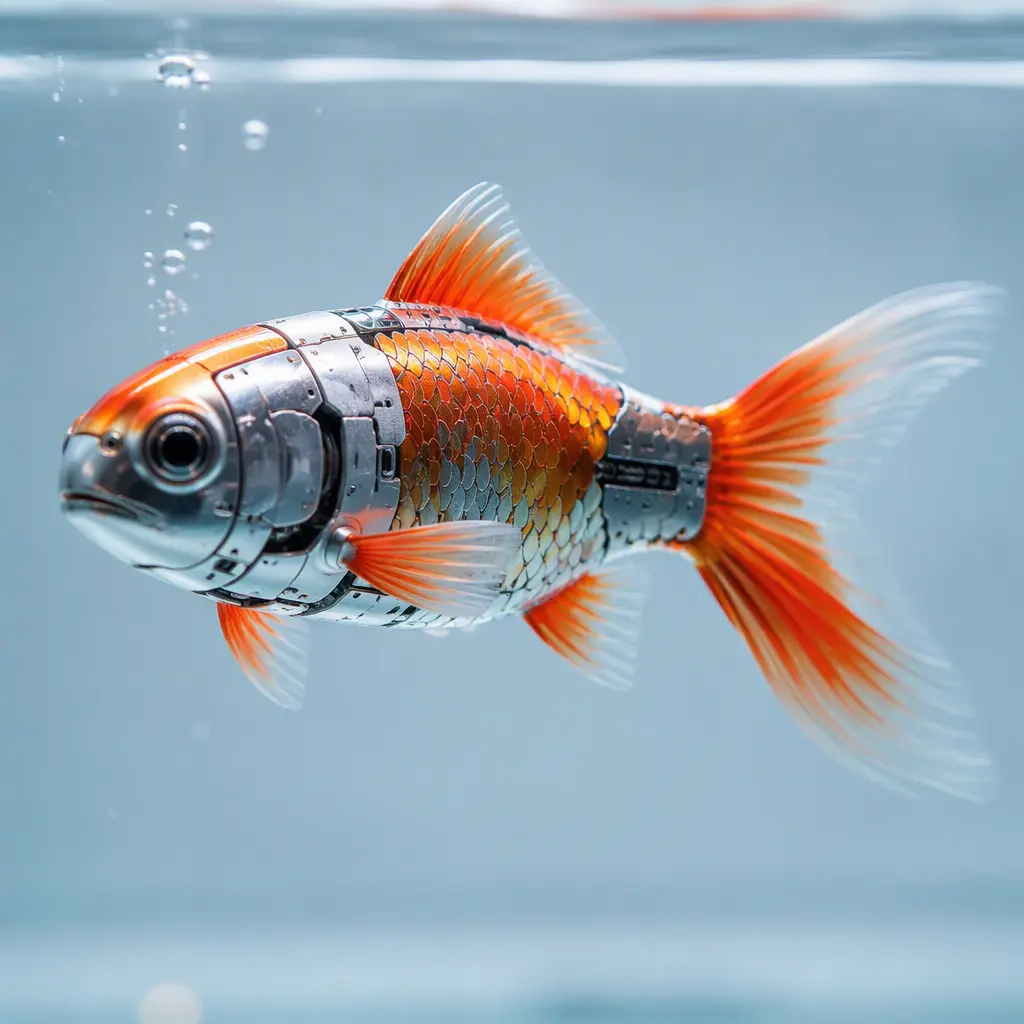
One reason Robo Alive has stayed visible is the sheer number of variations released in a short time. Some toys focus on realistic movement, while others add glowing eyes, roaring sounds, or exaggerated textures. Water-based creatures remain among the most recognizable products in the line because the movement effect works especially well in aquariums, bathtubs, or bowls. Reptiles and bugs are also popular because segmented plastic bodies naturally disguise the mechanisms underneath.
If you are shopping for Robo Alive toys today, it helps to think about where the toy will actually be used. Some are designed specifically for dry floors and smooth surfaces, while others are made for water play. Build quality can vary between releases, particularly with smaller moving parts like tails, legs, or battery covers. Generic imitation robotic animals are common in discount bins and online marketplaces, so it is worth checking product descriptions carefully for battery compatibility, durability, and safety certifications rather than choosing solely on appearance.
- Water-activated fish and aquatic creatures for tubs or aquariums
- Crawling reptiles and insects designed for floor movement
- Dinosaur-themed versions with sound and light effects
- Compact robotic pets intended for collectible play
- Larger creature toys with more articulated movement and textures
Frequently asked questions
Are Robo Alive toys educational?
They are primarily entertainment toys, but many children become interested in animal movement, simple mechanics, and cause-and-effect engineering through play. Water-based fish and insect toys can also encourage observation and imaginative storytelling.
Do Robo Alive toys use apps or remote controls?
Most Robo Alive products are intentionally simple and self-contained. They usually operate through an on-off switch, touch activation, or water sensors rather than apps, Bluetooth pairing, or dedicated controllers.
How durable are they?
Durability depends on the specific creature and how it is used. Toys with many thin legs or articulated tails can wear faster if handled roughly, while simpler fish or snake designs tend to hold up better during regular play.
Why do children respond so strongly to moving creature toys?
Movement naturally attracts attention, especially when it resembles familiar animal behavior. Robo Alive toys create a small sense of unpredictability, which makes them feel more active and engaging than static figures or plush toys.
Robo Alive does not try to replace advanced robotics kits or premium electronic pets. Its success comes from understanding that motion alone can still feel magical when it is done well enough. By combining simple engineering with recognizable creature behavior, the line made animatronic-style toys feel accessible to a much wider audience. In an era crowded with screens and connected devices, there is something enduringly effective about a toy that simply scurries, slithers, swims, or stomps across the room.