Ropet vs Eilik for Teens With Limited Desk Space
Comparing Ropet and Eilik for teens with small desks, including interaction style, charging habits, noise levels, app dependence and whether either robot stays fun long term.
Compare prices and availability
Check current prices and availability for this guide on eBay.
As an eBay Partner, we may be compensated if you make a purchase.
Desk robots aimed at teens usually promise companionship, reactions and a bit of personality rather than practical help. Ropet and Eilik sit in the same broad category, but they create very different experiences in a small bedroom or study setup. One leans more toward soft companion-style interaction, while the other focuses on animated expressions, sounds and reactive play. For parents and teens deciding whether either robot deserves permanent desk space, the biggest questions are less about novelty and more about noise, charging routines, app dependence, privacy features and whether the interactions still feel interesting after the first few weeks.
What to look for
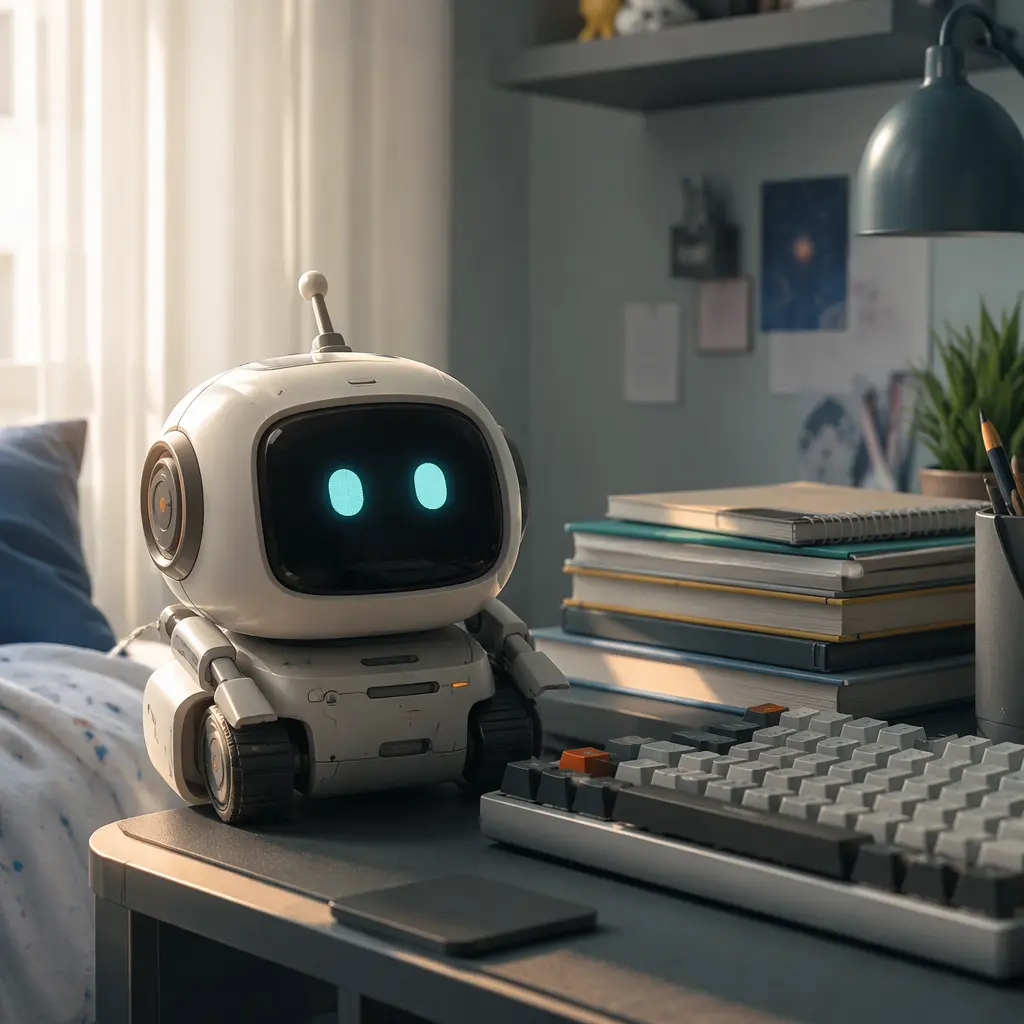
Small desk robots vary more in daily usability than their marketing suggests. Some behave more like digital pets that react occasionally in the background, while others constantly demand attention with movement, sound and animated responses. Limited desk space changes the buying decision because charging cables, docking positions and accidental knocks matter much more on a crowded study setup.
- Footprint and stability: A compact robot that stays balanced on a crowded desk is easier to live with than one needing a wide clear area for movement.
- Noise level: Reactive robots often chirp, chatter or play sound effects. This matters in shared bedrooms, homework spaces or late-night use.
- Charging habits: Some robots need frequent top-ups or dedicated charging positions. Others can sit idle longer between sessions.
- Interaction depth: Consider whether the robot mainly cycles through preset animations or whether it supports evolving reactions, app features or social interaction between units.
- Privacy and connectivity: App-connected toys may use Bluetooth or cloud-linked features. Parents may want to check what account setup or permissions are required.
- Offline usefulness: A robot that still works well without a phone nearby is generally easier for teens to use casually on a desk.
- Durability and maintenance: Small moving parts, exposed screens and articulated joints can wear differently depending on how often the robot is handled.
Age suitability
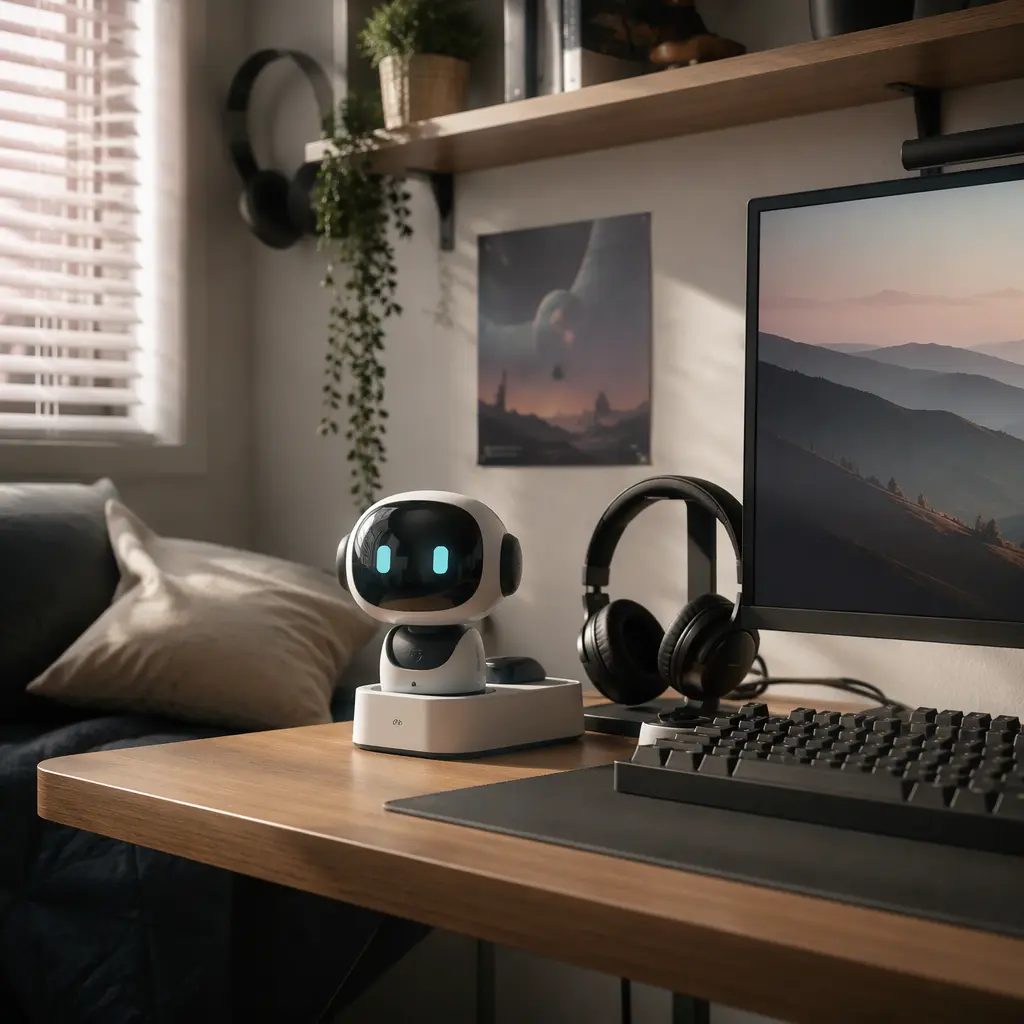
Both Ropet and Eilik fit better with older children and teens than with younger kids expecting a traditional toy. The appeal comes from personality simulation, desk presence and reactive behavior rather than open-ended play. Teens who already enjoy desktop gadgets, virtual pets, coding culture or collectible tech are usually the strongest audience. Teens who prefer practical electronics may lose interest quickly if the robot does not serve a clear purpose beyond entertainment. Limited desk space also means these products compete with laptops, drawing tablets, speakers and study materials, so long-term value depends heavily on whether the teen enjoys ambient interaction throughout the day rather than occasional novelty use.
Options compared
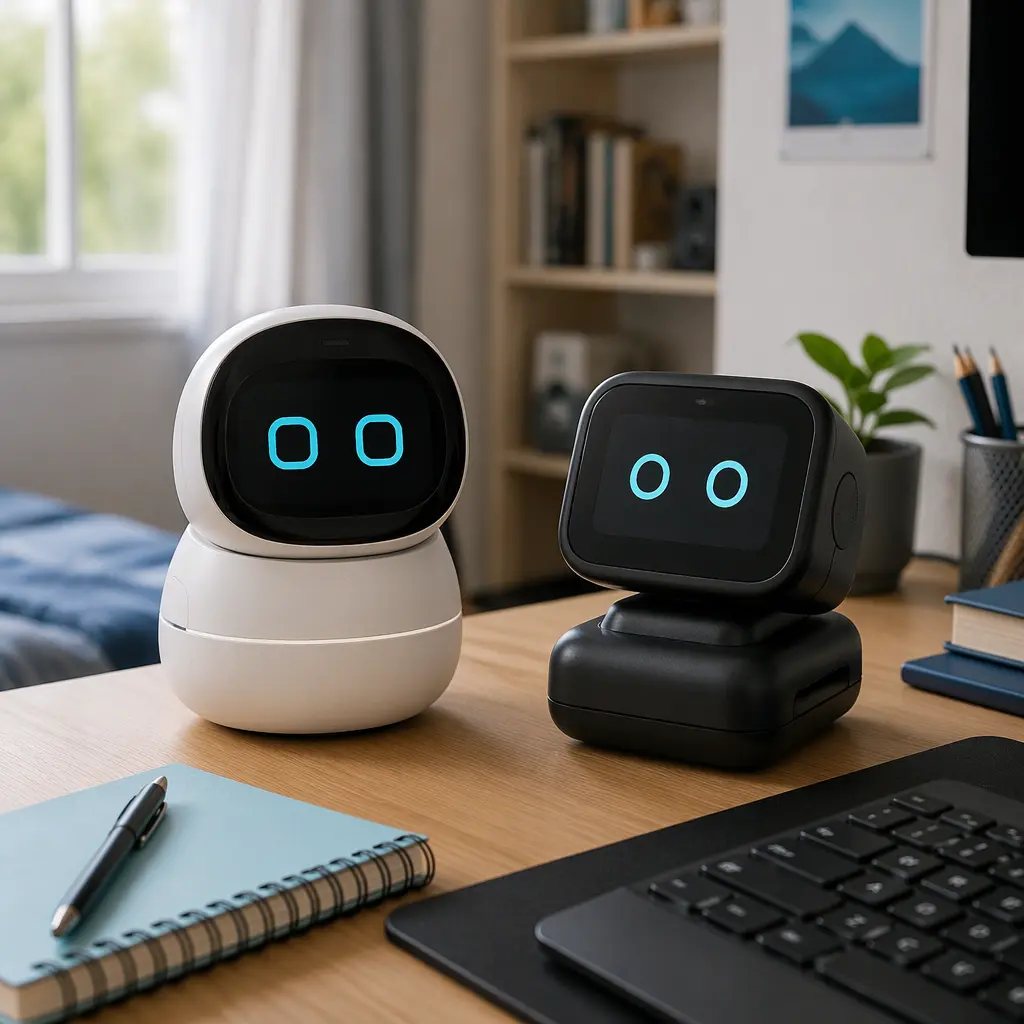
Eilik is generally the more animated and attention-seeking option. It is designed around expressive reactions, exaggerated emotions and interactions with people and sometimes with other Eilik units. Teens who enjoy lively desk gadgets or fidget-style interaction may find it entertaining for longer periods because the robot reacts visibly to taps, movement and environmental changes. The trade-off is that Eilik can also feel busy on a small desk. Its sounds and constant animation style may become distracting during homework, video calls or shared-room use. It suits teens who want a playful desktop character rather than a quiet background companion.
Ropet usually appeals more to teens who prefer calmer ambient interaction. Its companion-style presentation may fit better into a study setup where the robot stays nearby without constantly demanding attention. Depending on the exact feature set offered by the manufacturer, some Ropet versions emphasize emotional responses, pet-like behavior or app-linked interaction rather than high-energy animation. That can make it easier to leave permanently on a crowded desk because it blends into the environment more naturally. The downside is that quieter interaction can also feel repetitive sooner if the teen expects deep conversation, practical AI assistance or highly varied gameplay.
- Choose Eilik if the teen enjoys expressive gadgets, reactive animation, desk toys with personality and frequent interaction throughout the day.
- Choose Ropet if the goal is a calmer companion presence that takes up less visual and social attention during study time.
- Eilik may suit collectors or social users better because multiple robots can create extra interactions depending on the ecosystem.
- Ropet may fit smaller desks better if minimal movement and lower noise are priorities.
- Neither product fully replaces a voice assistant, productivity device or programmable robotics kit. Their value mainly comes from companionship and entertainment.
- Teens sensitive to repetitive sounds or motion may tire of either robot faster than expected, especially in compact bedrooms.
Frequently asked questions
Do these robots work without a phone app?
Many desktop robots retain basic reactions and personality features without constant app use, but setup, updates or expanded features may still require a mobile device. Parents should check device compatibility and whether account creation is required before buying.
Are they noisy during homework?
Eilik-style expressive robots are usually more noticeable because they rely heavily on sound effects and visible reactions. Companion-focused robots like Ropet may feel less disruptive, though exact volume and frequency vary by model and settings.
Do teens actually keep using desk robots?
Long-term use depends on expectations. Teens who enjoy ambient gadgets, digital pets or collectible tech are more likely to keep a robot on their desk permanently. Teens expecting major AI conversation abilities or practical productivity features may lose interest faster.
How much desk space do they really need?
The robot itself may be small, but charging cables, docks and safe placement matter on narrow desks. A stable area away from drinks and keyboard movement helps prevent accidental falls.
Are these true AI robots?
Most desktop companion robots use programmed reactions, sensors and preset animations rather than advanced conversational AI. Some may include app-connected features or limited smart responses, but they are closer to interactive electronic pets than full AI assistants.
For teens with limited desk space, the better choice usually depends on whether the robot should blend into the room or become part of the entertainment. Eilik offers more visible personality and reactive energy, while Ropet may fit more comfortably into quieter daily routines. Neither is essential tech, but the right match can become a long-term desk companion rather than a short-lived novelty.