Loona vs Miko Mini for Conversation-Focused Kids
A parent-focused comparison of Loona and Miko Mini covering conversation quality, privacy controls, app dependence, durability, repair concerns and long-term play value for ages 6–8.
Compare prices and availability
Check current prices and availability for this guide on eBay.
As an eBay Partner, we may be compensated if you make a purchase.
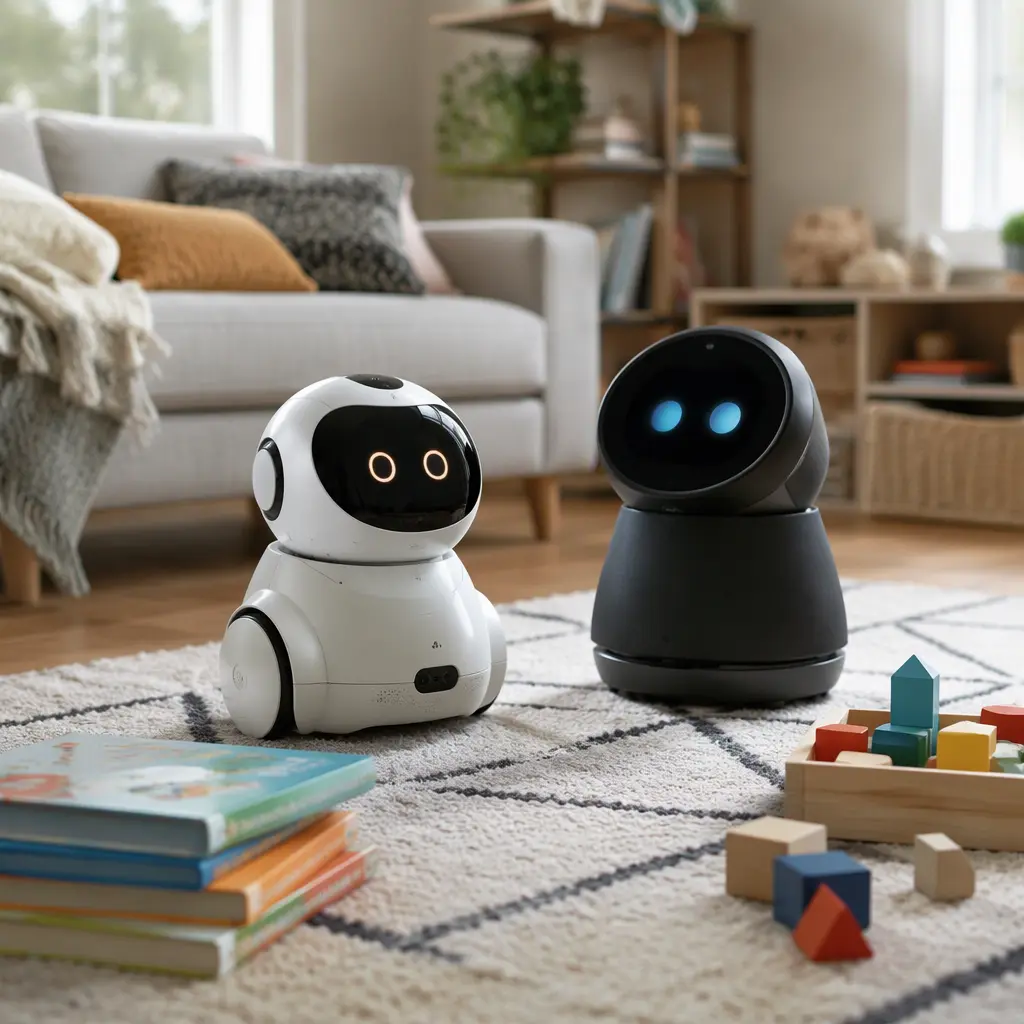
Loona and Miko Mini are both marketed as companion robots for children, but they approach conversation and play very differently. Parents comparing them are usually deciding between a more pet-like interactive robot and a more chat-focused educational assistant. For children aged 6–8, the main questions are not only how well the robots talk, but also how long the experience stays interesting, how much setup and supervision they need, and whether the connected features justify the cost and privacy trade-offs. Since both products rely on apps, internet connectivity and ongoing software support, it is also worth considering what happens if cloud features change or support ends in the future.
What to look for
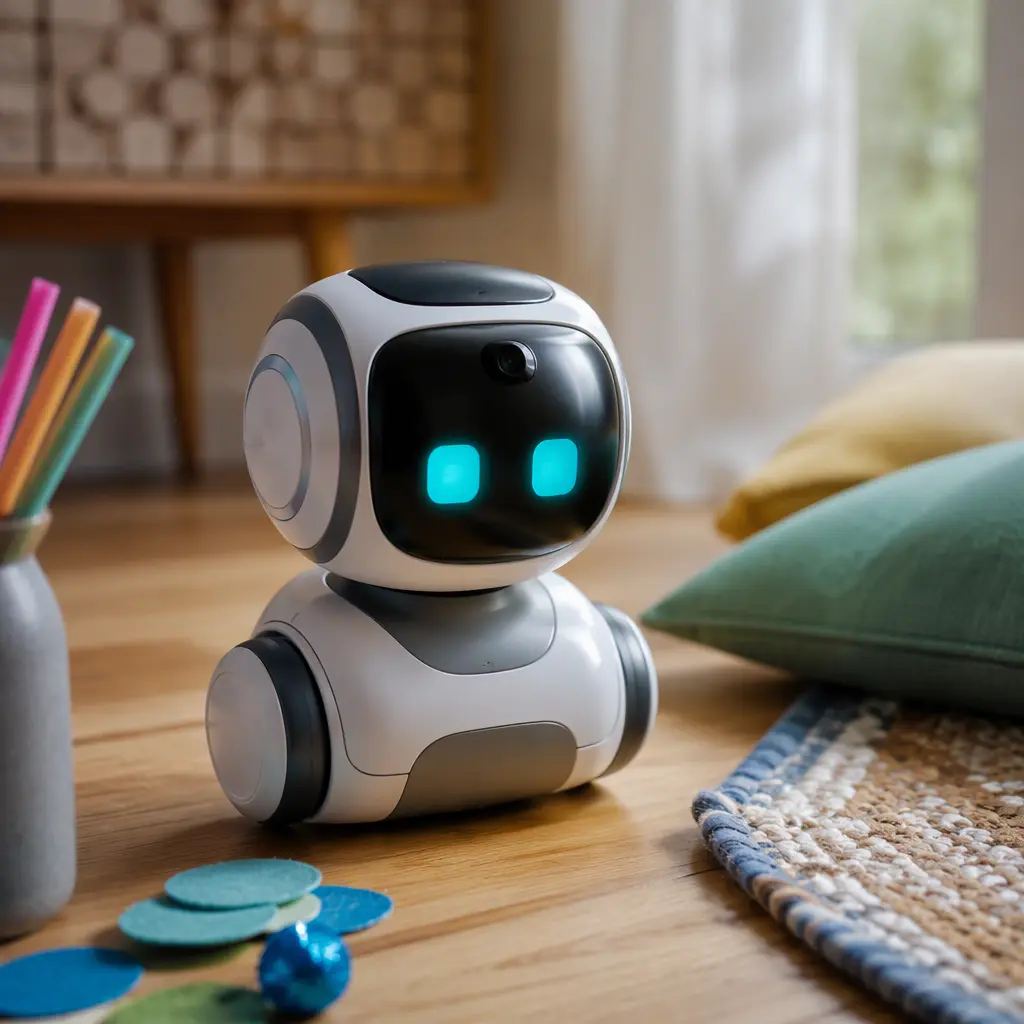
The biggest difference between these robots is what the conversation is meant to achieve. Some children want a robot that feels emotionally responsive and playful, while others mainly want trivia, stories, games and question-and-answer interactions. Parents should also think about how much they are comfortable with microphones, cameras and app-linked accounts in a child-focused device. Neither product is truly offline in the way a traditional electronic toy is, and many features depend on software updates or cloud services provided by the manufacturer.
- Conversation style: Loona focuses more on expressive reactions and pet-like personality, while Miko Mini leans more toward educational chat and guided interactions.
- Voice quality: Natural speech pacing and responsiveness matter more to children than the number of features listed on the box.
- Privacy controls: Check whether microphone or camera permissions can be limited and whether parental controls are app-based or device-based.
- Offline usefulness: Some functions may still work without internet, but conversational features are often reduced.
- Repair and durability: Moving robots with wheels, motors and cameras can be harder to repair than simpler electronic toys.
- Noise levels: Robot sounds, spoken responses and movement noises can become repetitive in shared family spaces.
- Long-term engagement: Consider whether the robot supports open-ended play or mainly scripted novelty interactions.
Age suitability
For ages 6–8, both robots sit in a middle ground between toy and smart device. Children in this age range are usually old enough to navigate voice interactions independently, but still young enough to become attached to the robot's personality. Loona may appeal more to children who enjoy pretend pet care, emotional reactions and movement-based interaction. Miko Mini may suit children who prefer quizzes, storytelling and guided educational content. Families expecting deep AI conversations similar to adult chatbots should keep expectations realistic. These products are still heavily structured around short interactions, entertainment loops and child-safe responses.
Options compared
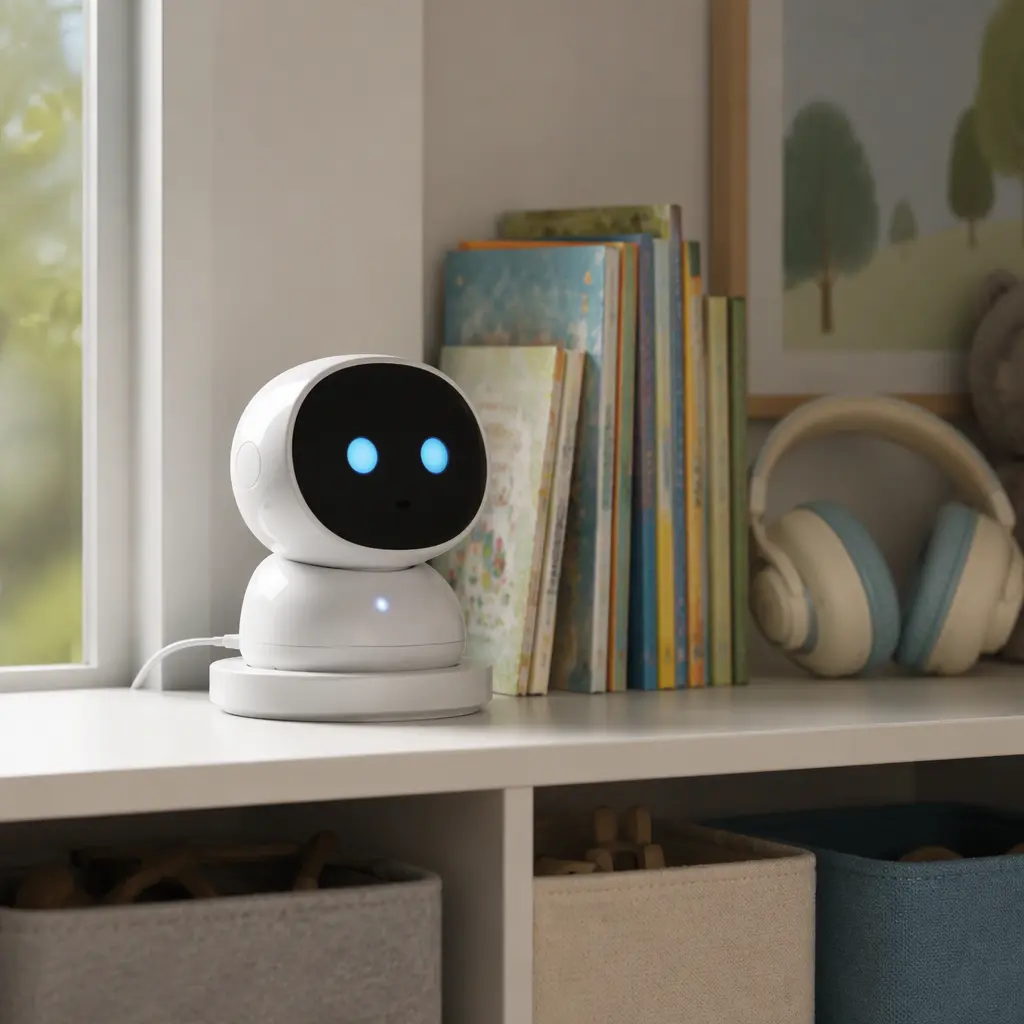
Loona stands out mainly for movement and personality. Its appeal is closer to a robotic pet than a classroom tool. Children who enjoy emotional reactions, following behavior and playful animation may stay engaged longer because interaction feels less scripted. The downside is that pet-style novelty can fade if the robot does not continue introducing meaningful new activities through updates. Parents should also expect some maintenance concerns over time because moving robots have more mechanical parts that can wear or become damaged from drops, rough handling or floor obstacles.
Miko Mini focuses more directly on conversation, educational prompts and child-friendly digital engagement. That can make it easier to fit into reading time, trivia games or structured play sessions. However, children looking for lifelike movement or emotionally expressive behavior may find it less immersive. App dependence is an important consideration for both products, especially if certain features require accounts, subscriptions or cloud access. Before buying, parents should check current support policies, device compatibility and whether key features continue functioning if the app is removed or the internet connection is unstable.
- Choose Loona if your child prefers animated movement, pet-like interaction and expressive reactions over structured educational content.
- Choose Miko Mini if your child mainly wants voice interaction, trivia, stories and guided activities.
- Avoid either option if your household wants fully offline play or minimal data collection.
- Families concerned about long-term repairability may prefer simpler electronic toys without moving wheels, cameras or advanced sensors.
- Children who quickly lose interest in scripted toys may engage longer with open-ended building toys, craft kits or coding kits instead of conversational robots.
Frequently asked questions
Do these robots use real AI?
Both products use a mix of voice recognition, scripted interactions and cloud-connected conversational systems. They are more advanced than simple sound-reactive toys, but they are not equivalent to unrestricted general-purpose AI assistants. Responses are usually filtered and designed around child-safe interaction patterns.
Will children still use them after a few months?
That depends heavily on the child. Kids who already enjoy caring for virtual pets or chatting with voice assistants may return to them regularly. Others may lose interest once the core reactions and games become familiar. Robots tied to frequent software updates may hold attention longer, but that also increases dependence on the manufacturer continuing support.
Are privacy concerns reasonable with connected robots?
Yes. Devices with microphones and cameras deserve closer review than traditional toys. Parents should read current privacy policies, understand what data may be stored in companion apps and check whether recordings, voice history or cloud-linked profiles can be deleted.
Do they work without internet?
Some basic reactions or movement features may still function locally, but conversational abilities are often reduced without internet access. Cloud-based processing is a major part of how many smart robots interpret speech and deliver updated responses.
Are they suitable for siblings to share?
They can work well for siblings close in age, especially during collaborative games or storytelling. However, conversation-focused robots are usually designed around one child interacting at a time, so families with multiple children may still encounter turn-taking frustration.
For most families, the better choice comes down to whether the child wants a robotic companion with personality or a voice-focused educational gadget. Loona tends to emphasize animated interaction and emotional appeal, while Miko Mini leans more toward guided conversation and learning activities. Neither replaces traditional imaginative play, outdoor activity or screen-free social play, but both may appeal to children who are genuinely interested in robotics and conversational technology. Parents should weigh the connected features carefully, especially around privacy, repairability and how dependent the experience is on future software support.