Are AI Robot Pets Too Frustrating Without Wi‑Fi?
A parent-focused guide to AI robot pets for ages 6–8, including what still works offline, how cloud features fail, and when a simpler robotic or non-connected toy may be the better fit.
Compare prices and availability
Check current prices and availability for this guide on eBay.
As an eBay Partner, we may be compensated if you make a purchase.
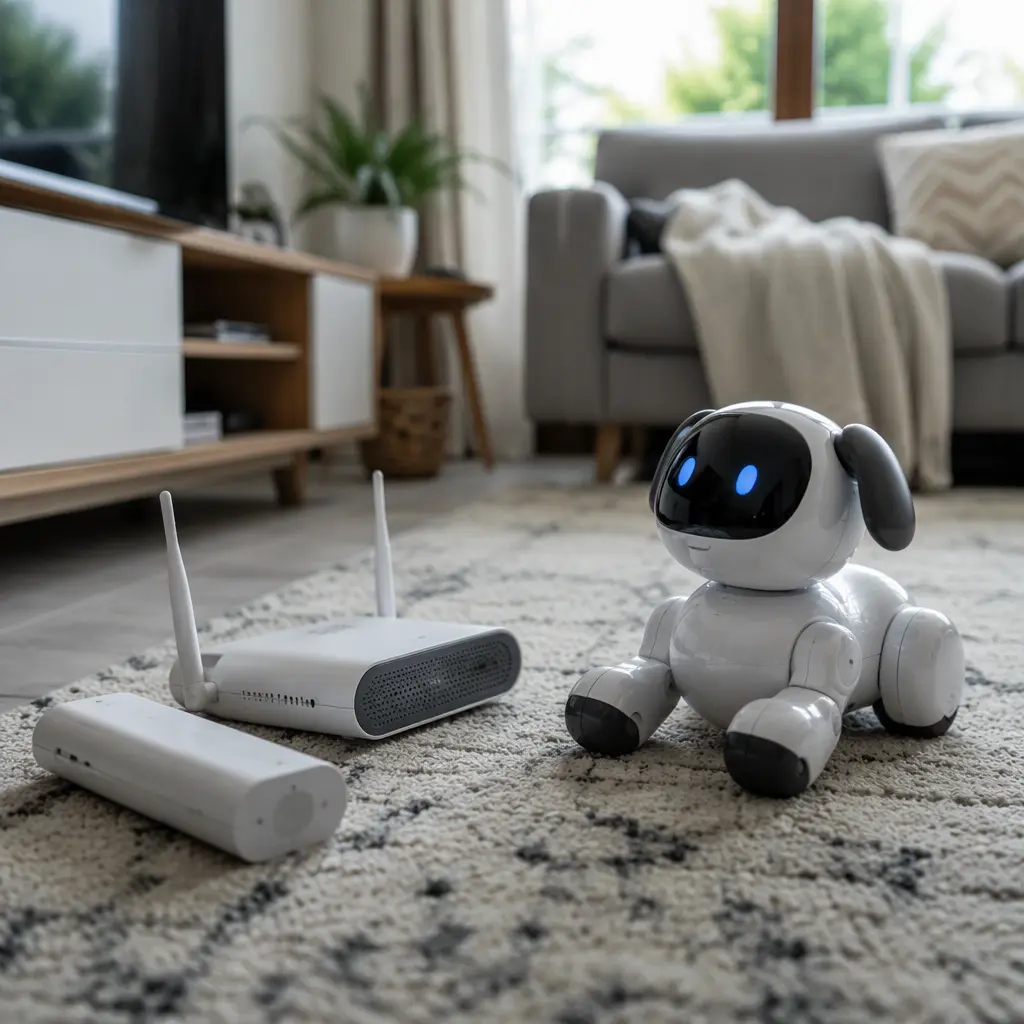
AI robot pets are designed to feel more responsive than traditional electronic toys. Some can recognize voices, learn routines, answer questions or unlock new behaviors through an app. For parents shopping for children aged 6–8, the main question is often not whether the toy is entertaining, but how much of that entertainment depends on a stable internet connection. Many connected robot pets still move, react and play simple games offline, but cloud-based features can disappear completely when Wi‑Fi is unavailable, servers are busy or an app loses support. That difference matters for travel, shared households, parental controls and long-term value. Some families are comfortable managing apps, updates and accounts. Others may prefer simpler robotic pets that work entirely offline and avoid microphones, subscriptions and setup issues.
What to look for
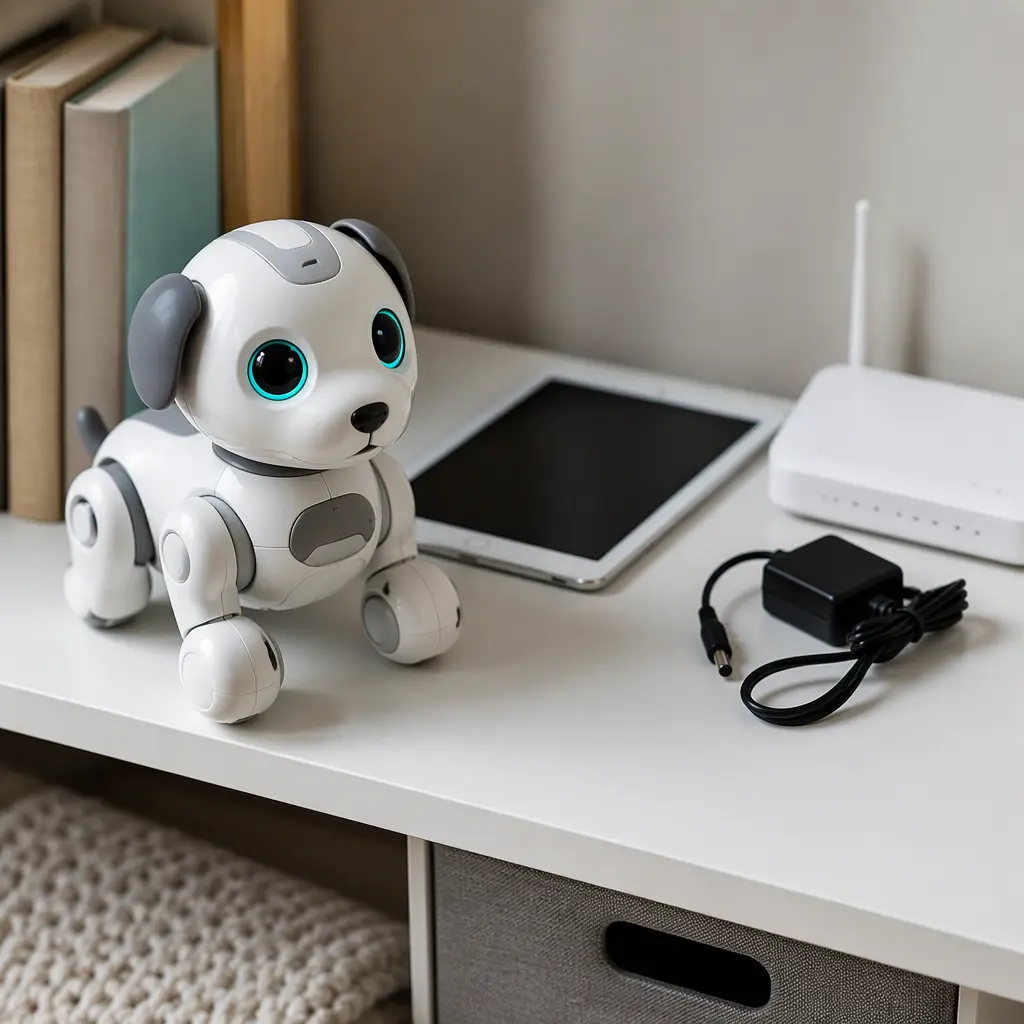
The most important buying factor is understanding which features happen on the toy itself and which rely on cloud services. Manufacturers often group both together under terms like “AI-powered” or “smart interactions,” even though the actual experience can change dramatically offline. Some robot pets use onboard sensors and pre-programmed responses only. Others depend on remote servers for speech generation, personalization or app-connected activities.
- Check whether basic play still works without Wi‑Fi. Movement, sounds and touch reactions usually do, while voice chat or advanced learning may not.
- Look for clear information about microphones and cameras. Some toys continuously listen for wake words or transmit recordings through companion apps.
- Confirm whether setup requires a parent account, smartphone app or regular software updates.
- Consider whether subscriptions, credits or paid features are involved after purchase.
- Review device compatibility carefully, especially for older tablets or shared family phones.
- Think about where the toy will be used. Travel, grandparents’ homes and bedrooms with weak Wi‑Fi can expose offline limitations quickly.
- Storage and charging matter more than many parents expect. Larger robot pets may need charging docks, protected floor space and careful handling.
Age suitability
For ages 6–8, most children can understand basic app pairing and voice commands with supervision, but frustration tolerance still varies widely. Children expecting a toy companion that “understands everything” may struggle when internet outages interrupt conversations or when speech recognition fails. Younger children in this range often enjoy predictable reactions, dancing, sounds and simple routines more than open-ended AI conversation. Older children may appreciate programmable tricks, personality customization or educational features, but they are also more likely to notice repetitive responses or server delays. Families looking for independent, screen-free play may find that simpler robotic pets or animatronic toys hold attention surprisingly well without requiring accounts, updates or constant troubleshooting.
Options compared
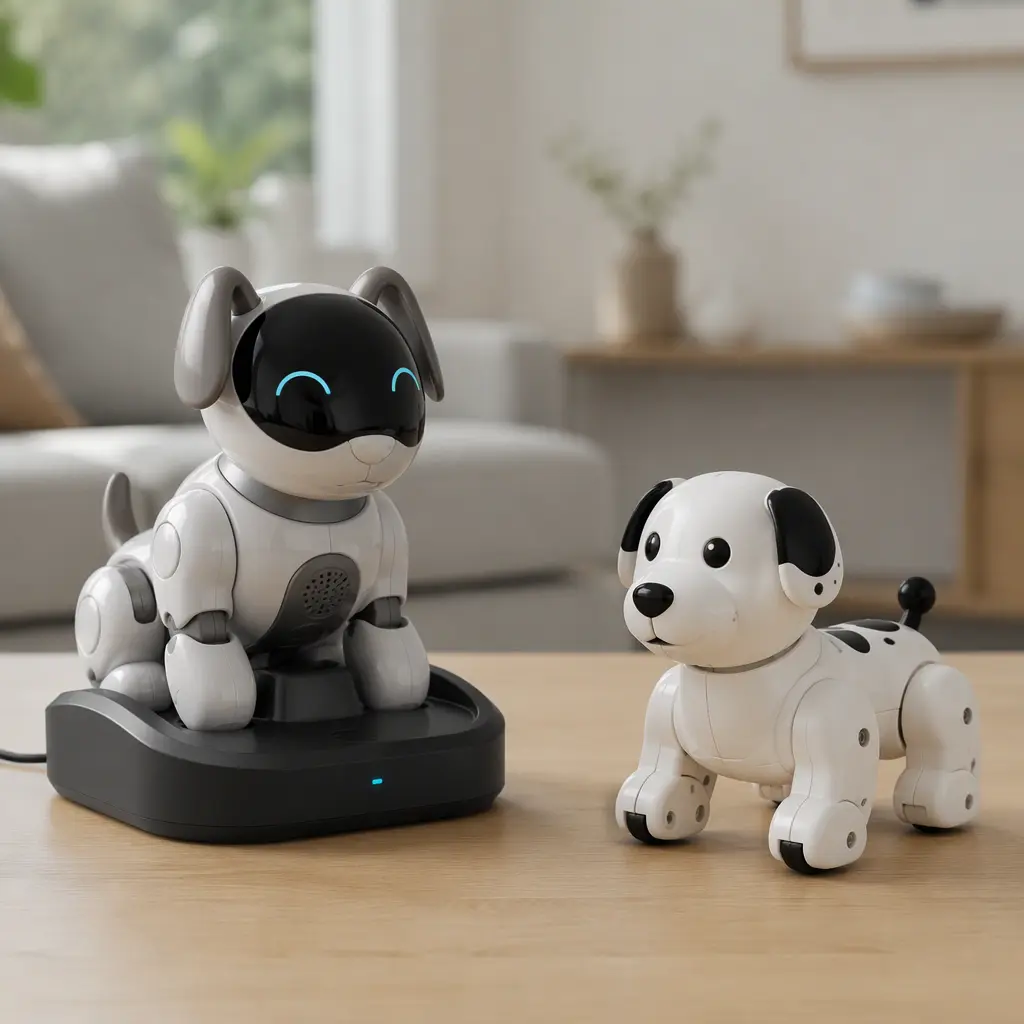
AI robot pets generally fall into three broad categories. The first is cloud-connected conversational toys. These rely heavily on apps and internet access for speech, personality updates or interactive learning. They can feel impressive initially because responses are less repetitive than traditional electronic toys. However, they also carry the highest risk of disappointment if servers change, subscriptions appear later or support ends after a few years. Families comfortable managing smart devices and privacy settings may still find these worthwhile, especially for children interested in technology itself.
The second category is hybrid robot pets. These usually combine offline movement, touch sensors and pre-programmed tricks with optional connected extras. A hybrid design is often the safest middle ground for this age range because the toy remains usable during outages or travel. Children can still play with feeding routines, obstacle reactions or dances even if advanced voice features stop working temporarily.
- Fully connected AI pets: Best for tech-curious children who enjoy apps, voice interaction and frequent updates. Less suitable for families wanting low-maintenance toys or minimal data collection.
- Hybrid robot pets: Better for mixed households where internet access may vary. Usually offer the best balance between novelty and reliable offline play.
- Simple robotic or animatronic pets: Good for younger children, quieter homes and screen-free play. Limited conversational ability, but often easier to maintain and more predictable.
- Non-electronic plush pets: Useful for imaginative play, travel and bedtime routines. No charging, setup or privacy concerns, though less interactive overall.
Frequently asked questions
Do AI robot pets stop working completely without Wi‑Fi?
Usually no, but the experience can change significantly. Basic movements, sounds and sensor reactions often continue offline. Features that involve cloud processing, app syncing or conversational AI may become unavailable until the connection returns.
Are all robot pets actually using AI?
Not necessarily. Many toys described as “AI” are primarily using pre-programmed responses, motion sensors or simple voice recognition. True AI-connected features typically involve cloud-based language generation, adaptive responses or app-linked learning systems.
How long do connected toy apps usually stay supported?
Support periods vary widely and manufacturers do not always guarantee long-term service. Some apps continue for many years, while others lose updates or compatibility as mobile operating systems change. Parents considering expensive connected toys should factor in the possibility of reduced functionality over time.
Are simpler robot pets less frustrating for children?
Often yes. Simpler robotic pets tend to behave more consistently because they do not rely on cloud servers or advanced speech systems. Children who prefer predictable play may enjoy them more than highly connected toys with occasional delays or setup problems.
Do connected robot pets require subscriptions?
Some do, particularly for expanded AI conversations, educational content or cloud storage. Others include all features upfront. Parents should check whether optional memberships, credit systems or paid app features are mentioned before buying.
For many families, the best AI robot pet is not the most advanced one but the one that remains enjoyable when the internet connection is weak, the app is closed or the novelty wears off. Children aged 6–8 often respond well to toys that combine reliable physical play with a manageable amount of smart functionality. If constant connectivity, account management or privacy concerns sound exhausting, a simpler robotic pet may deliver a smoother experience with fewer interruptions.