StoryPhones vs Toniebox Lite for Shared Bedrooms
Comparing StoryPhones and Toniebox Lite for children aged 3–5 who share a bedroom, with a focus on headphones, night-time listening, sibling disruption, app dependence and practical bedtime use.
Compare prices and availability
Check current prices and availability for this guide on eBay.
As an eBay Partner, we may be compensated if you make a purchase.
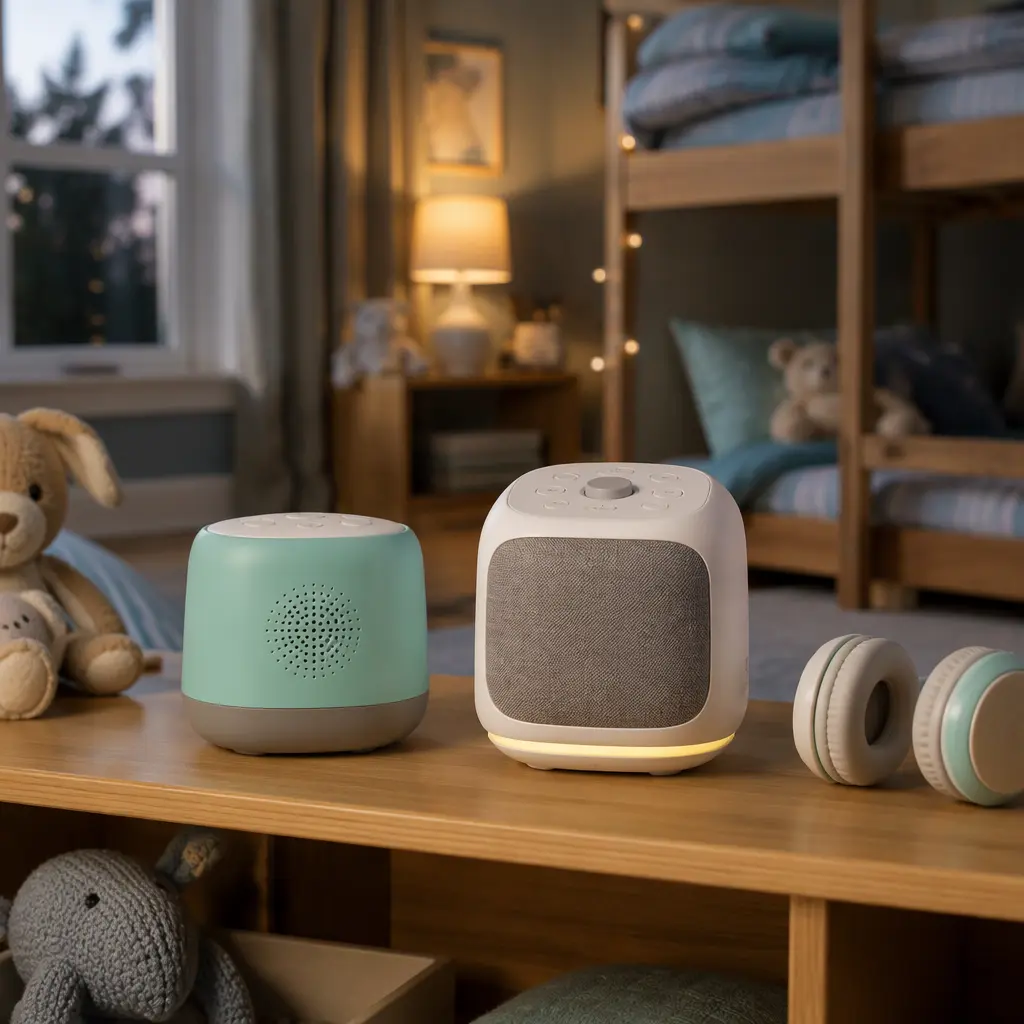
For families with children sharing a bedroom, audio toys can be useful for winding down without adding more screen time before bed. The challenge is finding something that keeps one child entertained without waking a sibling. StoryPhones and Toniebox Lite approach this differently. StoryPhones are built around wireless headphones with audio content played directly into the child’s ears, while Toniebox Lite follows the familiar speaker-based Toniebox style with simplified controls and collectible audio figures. The better choice depends less on features alone and more on how your household handles bedtime routines, sibling sleep schedules, noise tolerance and device sharing.
What to look for
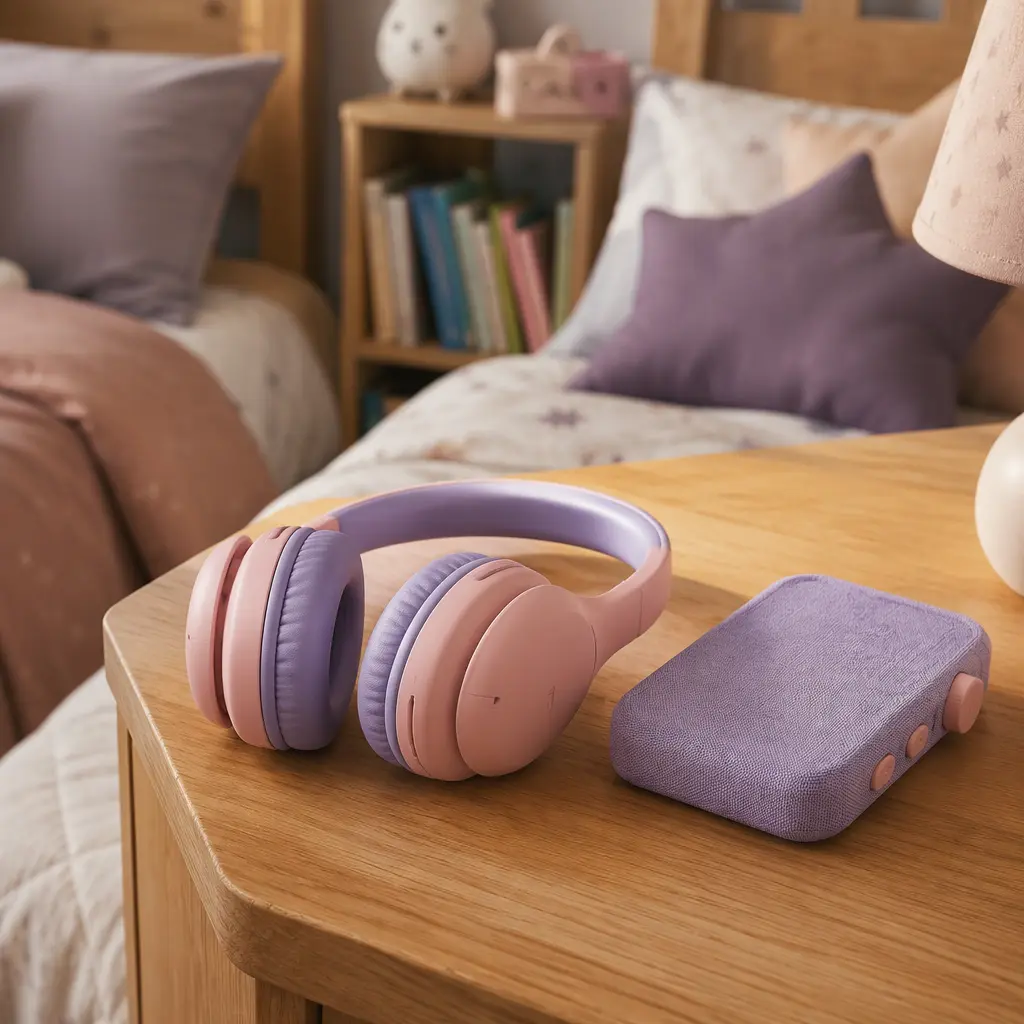
In shared bedrooms, the biggest factor is usually sound leakage. A speaker-based player may work well for daytime listening, but even low-volume bedtime stories can disturb a light sleeper in the next bed. Headphones reduce this problem, although comfort and battery charging become more important. Parents should also consider whether children can independently operate the device in the dark, how much setup depends on an app or internet connection, and whether siblings are expected to share content fairly.
- Headphone support and volume limiting for safe overnight listening
- How much sound escapes into the room at low and medium volumes
- Whether the device works offline once stories are downloaded
- Battery life and charging routines before bedtime
- Simple controls that preschoolers can manage independently
- How easy it is for siblings to swap content or take turns
- Durability for children who may fall asleep wearing or holding the device
- Storage space for accessories, charging cables or collectible figures
- Whether app accounts, subscriptions or content purchases are required for full use
Age suitability
Both StoryPhones and Toniebox-style players are generally aimed at preschool and early primary ages, but they suit different stages within the 3–5 range. Younger children often do better with very tactile systems that use simple physical actions, such as placing a character on top of a player to start playback. Older preschoolers may manage headphone pairing and navigating audio choices more independently. Children who are sensitive to wearing headphones during sleep may resist StoryPhones at first, while children who need quiet sensory input before bed may prefer them. For sibling sharing, children closer to age five usually cope better with taking turns and handling charging responsibilities without frustration.

Options compared
StoryPhones are designed around private listening. That immediately makes them appealing for shared bedrooms because the audio stays close to the listener instead of filling the room. For families with different bedtimes or one child who falls asleep earlier, this can reduce arguments and accidental wake-ups. Wireless headphone designs also avoid the need to place a speaker near the child’s bed. However, headphones create their own trade-offs. Preschoolers may forget to charge them, struggle with fit adjustments or remove them during the night. Some children simply dislike sleeping with anything over their ears.
Toniebox Lite keeps the more open, speaker-based listening style that many younger children find intuitive. Children can often operate it without reading menus or using a phone after setup. That simplicity is valuable at bedtime because it reduces frustration and overstimulation. The downside in shared rooms is that speaker audio is harder to contain. Lowering the volume helps, but spoken-word stories can still carry across a quiet room at night. Families sometimes compensate by limiting use to earlier evening wind-down time rather than after lights-out listening.
- StoryPhones usually suit: siblings with different sleep schedules, children who need private calming audio, homes prioritising quieter bedrooms and families comfortable managing charging routines.
- StoryPhones may suit less well: children who dislike headphones, children prone to losing accessories or families wanting completely screen-free setup without companion apps.
- Toniebox Lite usually suits: younger preschoolers who benefit from simple tactile controls, families wanting more group listening and children who enjoy collectible character play.
- Toniebox Lite may suit less well: very noise-sensitive households, siblings with early bedtimes or families wanting truly private listening after lights out.
- Connected features matter differently between the two. StoryPhones-style systems often rely more heavily on apps, Bluetooth pairing and digital content management. Parents should check device compatibility, account requirements and whether stories remain usable offline after download. Toniebox systems also depend on app setup and internet access for initial content syncing, but day-to-day playback is often simpler once configured.
- Neither option is fully future-proof in the way traditional CDs or offline MP3 players can be. Cloud-based libraries, app support and regional content availability can change over time, so families who prefer long-term offline ownership may want to confirm how downloaded content is handled.
Frequently asked questions
Are headphones better for shared bedrooms?
Usually, yes. Headphones reduce sleep disruption and allow one child to listen quietly while another sleeps. The trade-off is that younger children may need help charging, fitting or storing them properly.
Can preschoolers manage these devices independently?
Many children aged four and up can learn basic playback controls with repetition. Speaker-based systems with physical figures are often easier for younger preschoolers, while headphone-based systems may need more adult setup at first.
Do these toys work without Wi‑Fi?
Most connected audio toys still need internet access during initial setup, account linking or content downloads. After that, many stories can be played offline, but the exact experience depends on the manufacturer’s system and storage limits.
Will one device work for two siblings?
It can, but sharing works best when children have similar tastes and bedtimes. In shared bedrooms, disagreements often happen around who chooses the story or where the device stays overnight. Separate headphones can help if the system supports them.
Are collectible audio characters worth it?
Physical figures can make audio systems more engaging for younger children because they turn listening into hands-on play. The downside is extra storage, replacement cost and the possibility of lost pieces around the bedroom.
For shared bedrooms, the quieter option usually causes fewer bedtime problems over time. StoryPhones make more sense when private listening and sibling sleep protection are the main priorities. Toniebox Lite remains appealing for children who respond best to tactile, speaker-based storytelling and very simple controls. Looking closely at your child’s bedtime habits, tolerance for headphones and your household’s noise sensitivity will usually point to the better fit.