Toniebox Lite vs Jooki for Kids Who Resist Audio Stories
A parent-focused comparison of Toniebox Lite and Jooki for ages 3–5, covering setup friction, offline playback, card systems, subscriptions, and which style better suits reluctant listeners.
Compare prices and availability
Check current prices and availability for this guide on eBay.
As an eBay Partner, we may be compensated if you make a purchase.
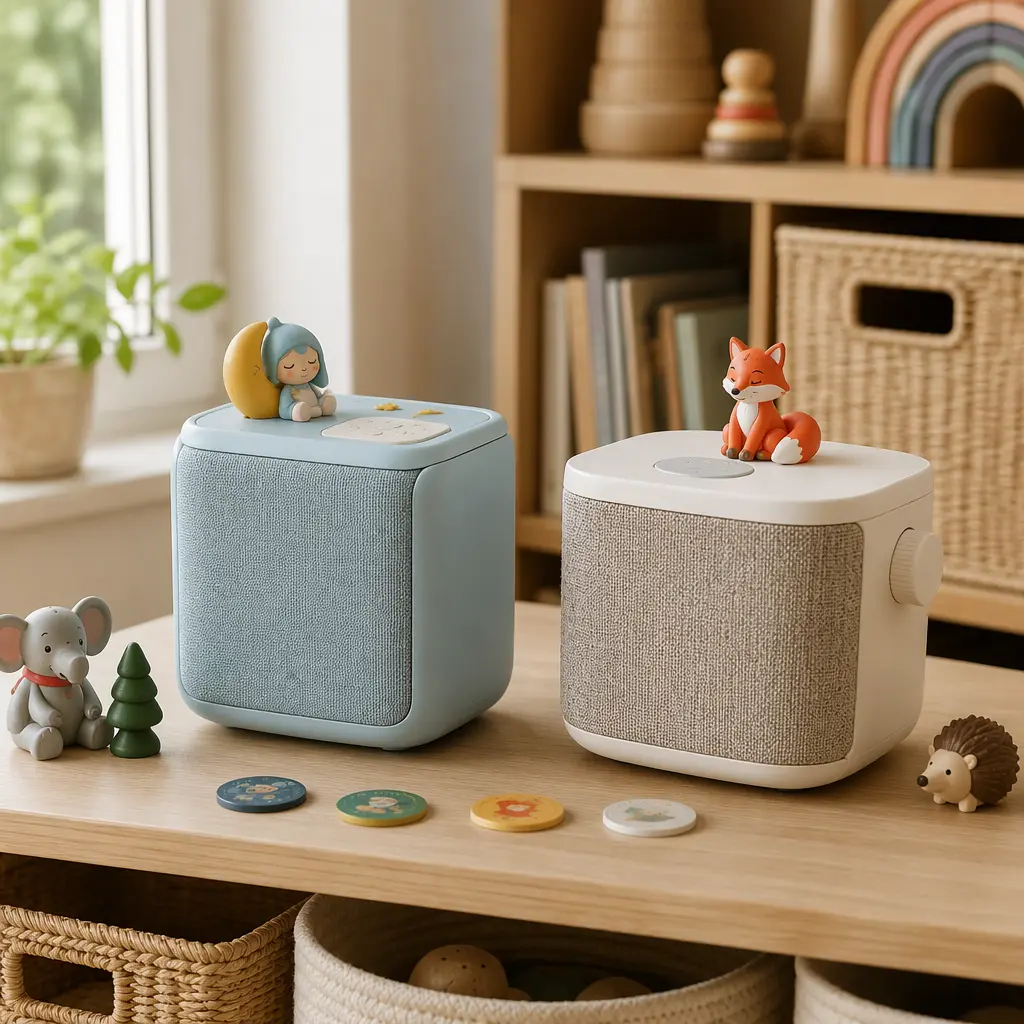
Parents looking for screen-free entertainment often land on audio players such as Toniebox Lite and Jooki, especially for preschoolers who are not naturally drawn to sitting still for long stories. These devices approach listening in different ways. Toniebox Lite keeps things simple with character-based playback and a soft, durable design, while Jooki focuses more on playlists, music and flexible content control through tokens linked to audio. For children aged 3–5 who tend to drift away during audiobooks, the difference matters less in raw features and more in how quickly the player starts, how tactile the controls feel, and whether the content matches short attention spans.
What to look for
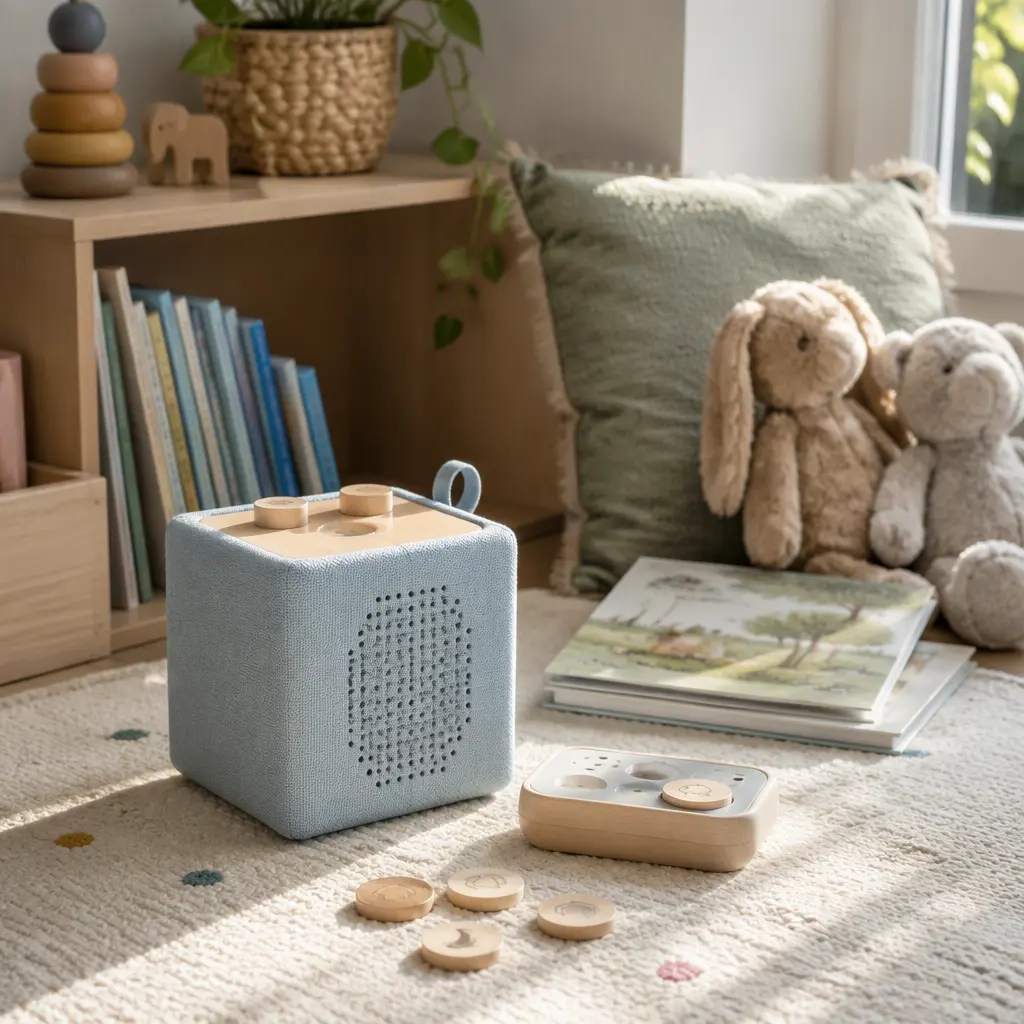
For reluctant listeners, the biggest buying factor is usually not audio quality or storage size. It is friction. Preschoolers are far more likely to return to an audio toy that starts instantly, survives rough handling and makes content selection feel like play instead of a menu system. Connected features also matter because both systems rely on apps and setup through a parent device, even though day-to-day playback can work offline once content is loaded.
- How content is selected: Toniebox uses figurines or creative tokens placed on top of the box, while Jooki uses linked tokens or figurines to trigger playlists and albums.
- Offline usefulness: Both can play downloaded content without Wi‑Fi after setup, but parents should check how much app involvement is needed when adding new audio.
- Setup friction: Toniebox is generally simpler for younger children to understand immediately. Jooki offers more flexibility but may take longer for parents to organise.
- Content style: Toniebox leans heavily toward narrated stories and licensed characters. Jooki often suits families prioritising music, short tracks and mixed playlists.
- Durability and portability: Soft-sided Toniebox models are designed for drops and rough handling. Jooki devices are portable but have more exposed controls and accessories.
- Subscription and ecosystem dependence: Some content on either platform may require purchases, streaming accounts or app support depending on region and setup.
- Storage and clutter: Figurines and tokens can multiply quickly. Parents with limited shelf space may prefer a smaller token collection or digital organisation options.
- Attention span fit: Children who resist long-form storytelling may engage better with songs, sound effects and shorter interactive audio segments rather than chapter-style narration.
Age suitability
Both systems target young children, but they suit slightly different stages within the 3–5 age range. Toniebox Lite works well for younger preschoolers because the interaction model is extremely direct: place a figurine on the box and audio begins. The padded design and minimal controls reduce frustration. Children who enjoy repetition, bedtime routines or familiar characters may stay engaged longer with this format. Jooki tends to appeal more to older preschoolers who want some independence over playlists or who already respond strongly to music and movement. Instead of asking a child to follow a 40-minute story, parents can build shorter collections of songs, animal sounds or quick educational clips. That can be useful for children who regularly abandon traditional audiobooks after a few minutes.
Options compared
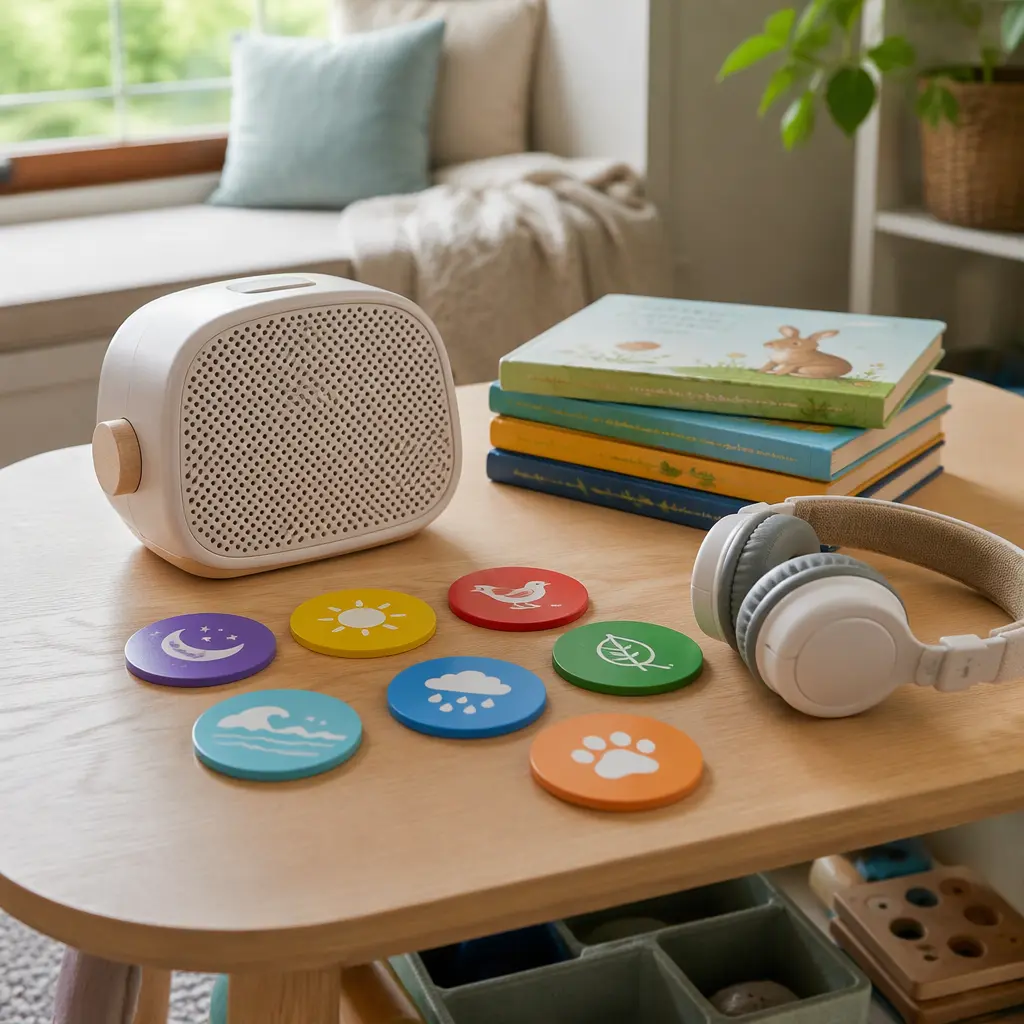
Toniebox Lite is usually the easier option for families who want a nearly frictionless listening routine. The physical interaction is clear even for younger children, and the toy-like design encourages independent use. For reluctant listeners, the strongest advantage is that the content feels connected to a physical object. A child may ignore a generic speaker but still engage with a familiar character figurine. The trade-off is flexibility. Toniebox works best inside its own content ecosystem, and many families gradually collect more figures over time. That can become expensive or cluttered depending on how often children want new stories.
Jooki takes a broader approach. Instead of centring mainly on story characters, it acts more like a child-friendly audio controller for playlists and stored media. For children who dislike long narration but enjoy dancing, background music or rapid content changes, Jooki can hold attention better. Parents can mix music, short podcasts and custom audio rather than relying mostly on prepackaged story content. The downside is that setup may feel more technical at first. Parents who want a toy that works immediately with minimal app management may find Jooki less straightforward. Jooki also depends more heavily on the quality of the family’s music setup and supported services in their region.
- Choose Toniebox Lite if the child responds to familiar characters, prefers predictable routines or benefits from very simple physical controls.
- Choose Jooki if the child engages more with music, movement and shorter audio clips than traditional storytelling.
- Avoid either option if you want a completely app-free setup. Initial configuration and content management rely on connected devices.
- Toniebox may suit shared family spaces better because its soft construction is designed for rough preschool handling.
- Jooki may suit families who already manage digital music libraries or want more customisable playback.
- Children who frequently lose small accessories may struggle with either ecosystem because playback depends on tokens, figurines or linked objects.
Frequently asked questions
Do these players work without Wi‑Fi?
Both systems are designed to support offline playback after audio has been downloaded or synced. Parents still need internet access for initial setup, content transfers and some account management features. Offline usefulness depends partly on how much audio has already been stored on the device.
Which one is better for children who will not sit through stories?
Jooki often has an advantage for children who prefer shorter bursts of audio because parents can build music-heavy playlists or mix brief clips together. Toniebox can still work well for reluctant listeners if the child strongly connects with the figurines or enjoys repetitive bedtime content.
Are subscriptions required?
Neither platform always requires a subscription for basic playback, but costs can grow through content purchases, streaming integrations or additional accessories. Availability varies by region, and some connected services may change over time as platforms update support policies.
Can parents add their own audio?
Both ecosystems support some level of custom audio, although the process differs. Toniebox uses special creative figures or tokens for recordings and uploaded content, while Jooki is built more around linking playlists and personal audio collections. Parents should check current app compatibility before buying.
Which device lasts longer as children grow?
Jooki may have a longer lifespan for children who transition from simple nursery content into broader music listening habits. Toniebox tends to peak earlier because its strongest appeal comes from tactile storytelling and preschool-friendly interaction.
For children aged 3–5 who skip audio stories, the best choice depends less on sound quality and more on how the child naturally engages with play. Toniebox Lite keeps listening simple, tactile and routine-driven, which can help younger preschoolers return to audio consistently. Jooki offers more flexibility for families who want music-first listening or customised playlists that adapt as attention spans change. Parents deciding between them should focus on setup tolerance, accessory management and whether the child responds more to storytelling characters or fast-changing audio variety.