Toniebox Lite vs Yoto Mini for Car and Train Travel
Comparing Toniebox Lite and Yoto Mini for UK family travel, including downloads, battery life, headphones, offline use, child controls and practical trip-friendly trade-offs.
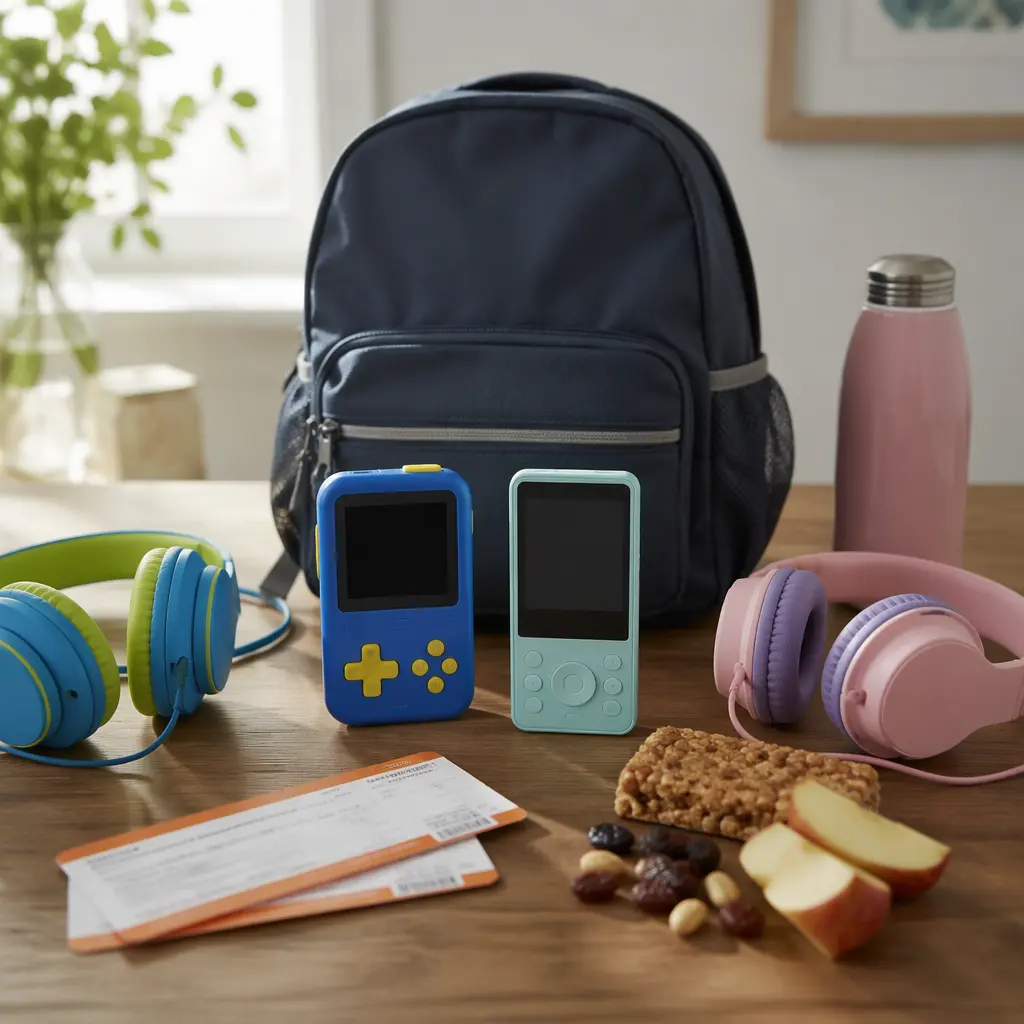
Compare prices and availability
Check current prices and availability for this guide on eBay.
As an eBay Partner, we may be compensated if you make a purchase.
For long UK car journeys and train trips, a child-friendly audio player can reduce screen time while keeping stories and music easy to control independently. Toniebox Lite and Yoto Mini both target younger children, but they handle travel differently. The biggest differences are portability, download handling, battery expectations and how much control a preschooler can manage without adult help. Parents comparing them for ages three to five will usually be deciding between the softer, simpler style of the Toniebox system and the more compact, card-based flexibility of Yoto Mini.
What to look for
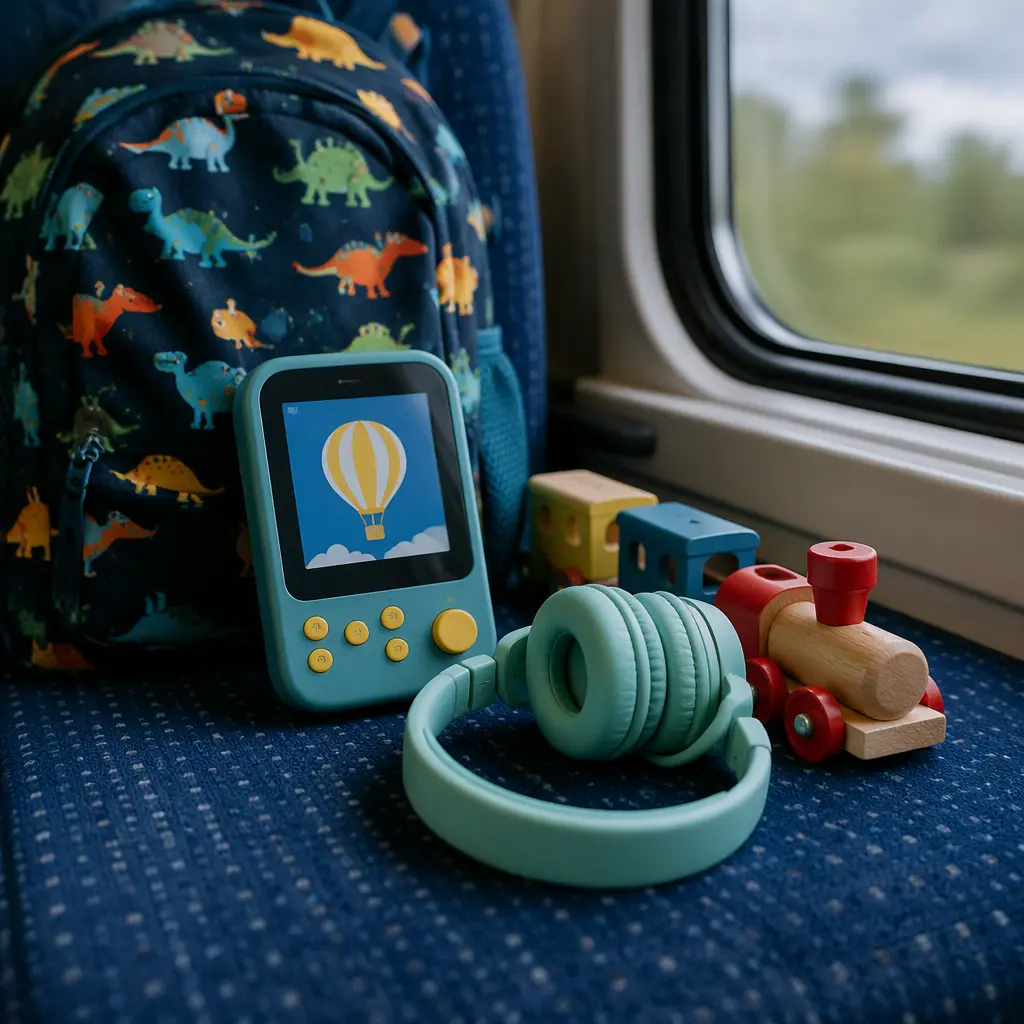
Travel audio players work best when they are easy to recharge, simple for children to operate and useful without a constant internet connection. Connected features matter more on trips because mobile signals can drop during rail travel or motorway journeys. Parents should also think about luggage space, headphone support and whether the system still works if an app subscription changes in future.
- Offline playback is important for UK rail tunnels, rural routes and flights. Check whether stories or music download fully onto the device before travel.
- Battery life claims vary depending on volume levels, Wi‑Fi use and screen brightness. USB-C charging is often more convenient during travel than proprietary charging docks.
- Headphone compatibility matters in trains and shared spaces. Yoto Mini includes headphone support, while soft-speaker designs may suit quieter family car use instead.
- Child controls should be simple enough for preschoolers to change stories independently without accidentally resetting settings or skipping content.
- Durability affects travel suitability. Soft-sided audio players can cope better with drops, while smaller rigid devices pack more easily into backpacks.
- Consider the ongoing content model. Toniebox uses character figures and audio figurines, while Yoto relies mainly on physical cards linked to app-managed content.
- Check app dependence and account setup requirements. Both systems use connected apps for setup and content management, but offline playback after download is usually the goal for travel.
Age suitability
Both systems are generally aimed at preschool and early primary ages, but they suit slightly different stages within the three-to-five range. Toniebox Lite is often easier for younger children because interaction is physical and simple: placing a figure starts playback, and squeezing or tapping controls volume and track changes. That can work well for children still developing fine motor control. Yoto Mini is usually better suited to children approaching school age who can manage cards carefully and navigate a more compact device. Its smaller size helps for commuting and train trays, but younger children may need more support swapping cards or using menus.
Options compared
Toniebox Lite focuses on simplicity and tactile play. The padded cube-style design is easier for younger children to handle independently and may feel less fragile during busy journeys. The trade-off is portability. It takes up more bag space than Yoto Mini, and the figurine-based system can become bulky if several stories are packed for a weekend away. Parents who already own multiple Tonies may also find travel organisation harder because the figures are larger than cards.
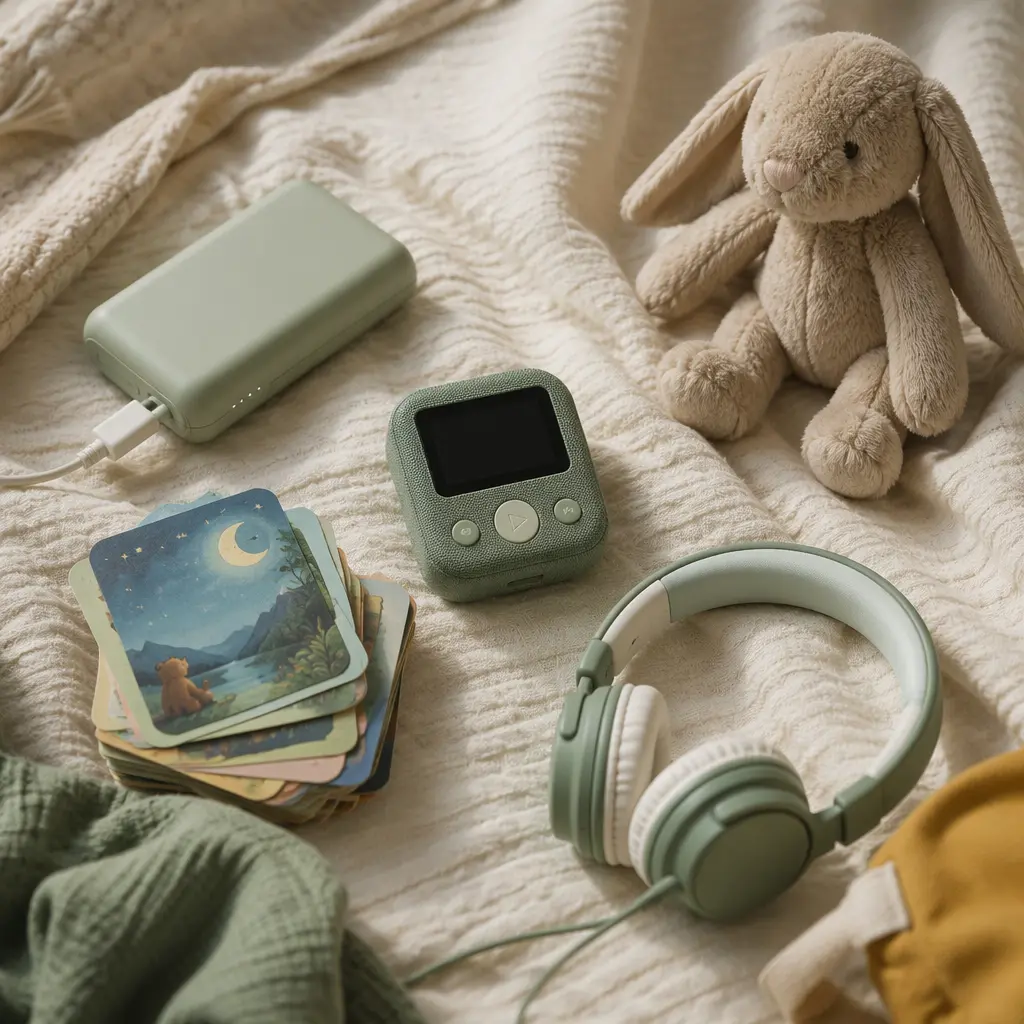
Yoto Mini is designed more directly around travel convenience. Its smaller footprint fits coat pockets and small backpacks more easily, and audio cards are lighter to carry in batches. Headphone support is particularly useful for trains, waiting rooms and shared hotel rooms. The compromise is that it depends more heavily on managing downloads and keeping cards organised. Some younger children may also find the button-and-menu approach less intuitive than a soft tactile speaker. Families who value compact packing, quiet listening and flexible content rotation may lean toward Yoto Mini, while families prioritising durability and very simple controls may prefer Toniebox Lite.
- Choose Toniebox Lite if your child prefers tactile play, frequently drops toys or benefits from very simple physical controls.
- Choose Yoto Mini if you travel often by train or plane, need headphones regularly or want to carry many stories in a compact format.
- Toniebox may suit shared family listening in cars because of its room-speaker style playback.
- Yoto Mini may suit independent listening during quiet travel because children can use headphones without disturbing others.
- Families trying to minimise accessories may prefer Yoto cards over carrying multiple figurines.
- Children who enjoy collecting character figures may engage more with the Tonie ecosystem.
Frequently asked questions
Do these players work without Wi‑Fi during travel?
Both systems are designed to support offline playback once content has been downloaded or synced in advance. Parents usually need to connect the device to Wi‑Fi before the trip to load new stories or update settings. Downloading everything before leaving home is especially important for long rail routes or rural travel.
Which is quieter for public transport?
Yoto Mini generally has the advantage for trains and waiting areas because it supports headphones directly and is designed around portable listening. Toniebox is more speaker-focused, which can work well in cars but may be less suitable for crowded public spaces unless volume is kept low.
Are subscriptions required?
Features and content options can change over time, so it is worth checking current manufacturer details before buying. Both ecosystems offer ways to purchase individual content, while some optional memberships or digital services may add extra libraries or features. Parents comparing long-term costs should look beyond the starter pack price and consider future content purchases.
Which is easier for a three-year-old?
Many younger preschoolers will find Toniebox easier because the controls are physical and highly visual. Swapping figures is straightforward and does not require reading. Yoto Mini can still work well at age three with supervision, but children closer to five often gain more independence from its portable format and broader navigation options.
What happens if the app or cloud service changes later?
Both products are connected ecosystems rather than fully offline toys. Initial setup, account management and some content handling depend on companion apps and manufacturer support. Parents concerned about long-term support should consider how much functionality remains available offline and whether the device still plays previously downloaded content without ongoing subscriptions.
For UK travel, the decision usually comes down to simplicity versus portability. Toniebox Lite is easier for younger children to operate independently and may cope better with rough handling, while Yoto Mini is more practical for headphones, compact packing and quieter public journeys. Families planning frequent train trips or overnight travel may get more flexibility from Yoto Mini, while shorter car journeys and younger preschoolers often suit the softer, simpler Toniebox approach.