Yoto Player 3rd Gen vs Jooki for Screen-Free Audio Play
Comparing Yoto Player 3rd Gen and Jooki for preschool audio play, including offline listening, UK content costs, sibling sharing, travel use and app dependence.
Compare prices and availability
Check current prices and availability for this guide on eBay.
As an eBay Partner, we may be compensated if you make a purchase.
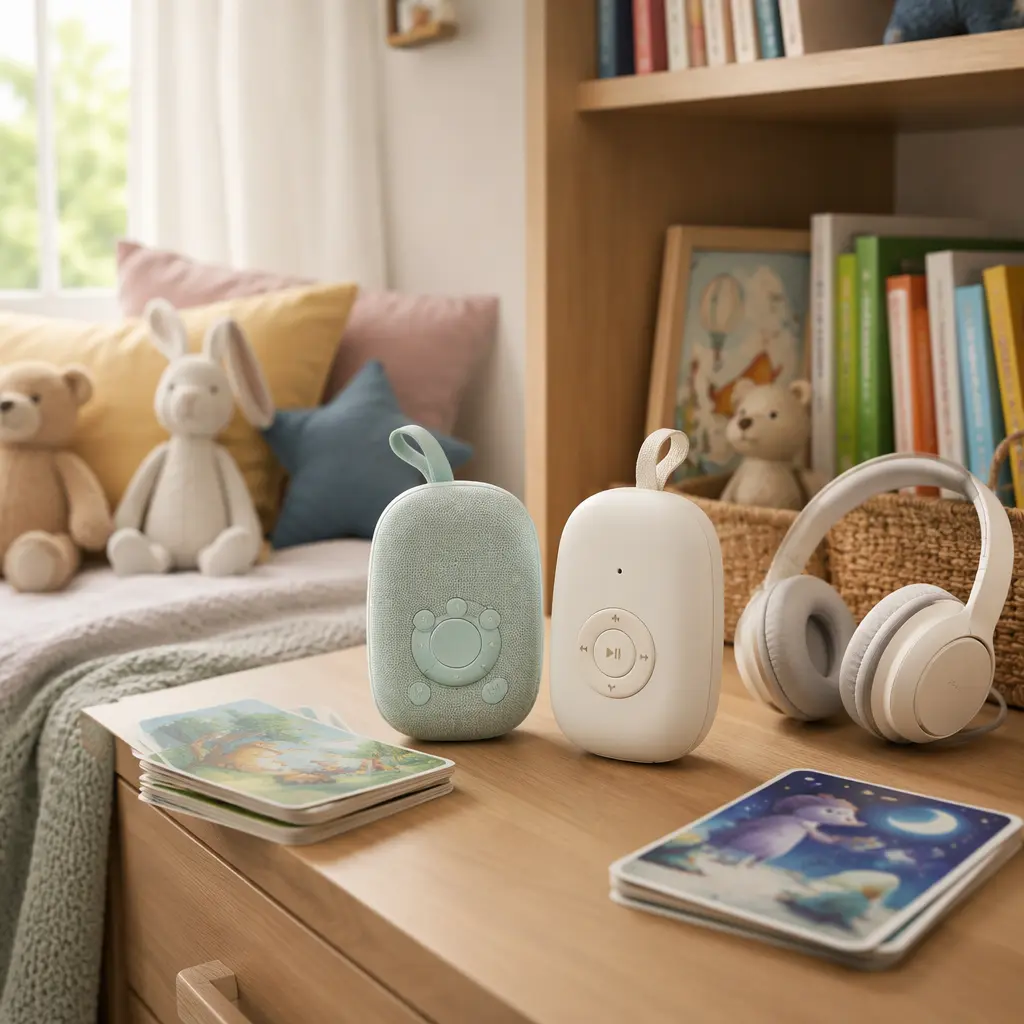
Yoto Player 3rd Gen and Jooki both aim to give young children independent audio play without handing over a tablet. They approach that goal differently. Yoto focuses on card-based stories, music and podcasts with a built-in speaker and a large content ecosystem. Jooki centres more on playlists and character tokens linked to music or audio selected by parents. For families choosing between them, the biggest differences are offline usefulness, ongoing content costs, ease of sharing between siblings and how practical each system feels away from home.
What to look for
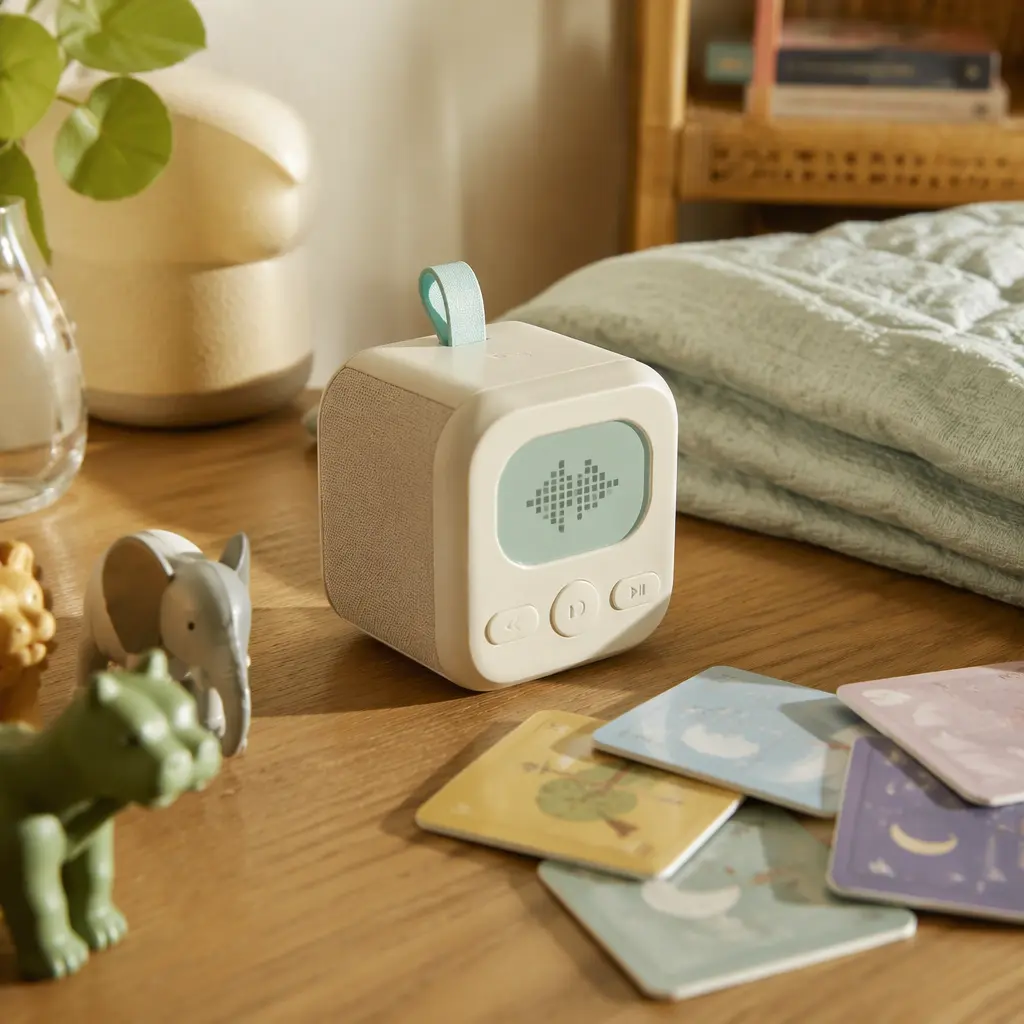
Connected audio toys can look similar at first glance, but the day-to-day experience depends heavily on setup requirements and content access. For children aged 3 to 5, ease of independent use matters more than advanced features. Parents may also want to consider whether the player still works well without Wi‑Fi, how much extra content costs over time and whether siblings can realistically share it without arguments over accounts, playlists or favourite characters.
- Offline playback: Check whether stories or playlists stay available without Wi‑Fi once downloaded.
- Content model: Yoto relies heavily on purchasable cards and optional subscriptions, while Jooki often depends on music services or parent-loaded audio.
- Ease of use for preschoolers: Physical cards and simple controls are usually easier at this age than app-heavy menus.
- Sibling sharing: Consider whether multiple children can use separate playlists, tokens or favourites without constant parent setup.
- Travel practicality: Battery life, headphone support, portability and durability matter for car trips and holidays.
- App dependence: Some setup and management requires a smartphone app, but the amount varies between systems.
- Privacy and connectivity: Both systems use companion apps and cloud-linked features, so parents may want to review account settings and permissions.
Age suitability
For ages 3 to 5, Yoto generally suits children who enjoy choosing stories independently and repeating favourites. The card system is simple to understand and easier for younger preschoolers to manage without adult help. Jooki may appeal more to families who already use digital music services or want greater control over playlists and custom audio. Some younger children may need more support remembering which figurine or token links to which content, especially when several playlists are stored at once. Both systems are more suitable for listening-focused play than active educational gaming or interactive learning toys.
Options compared
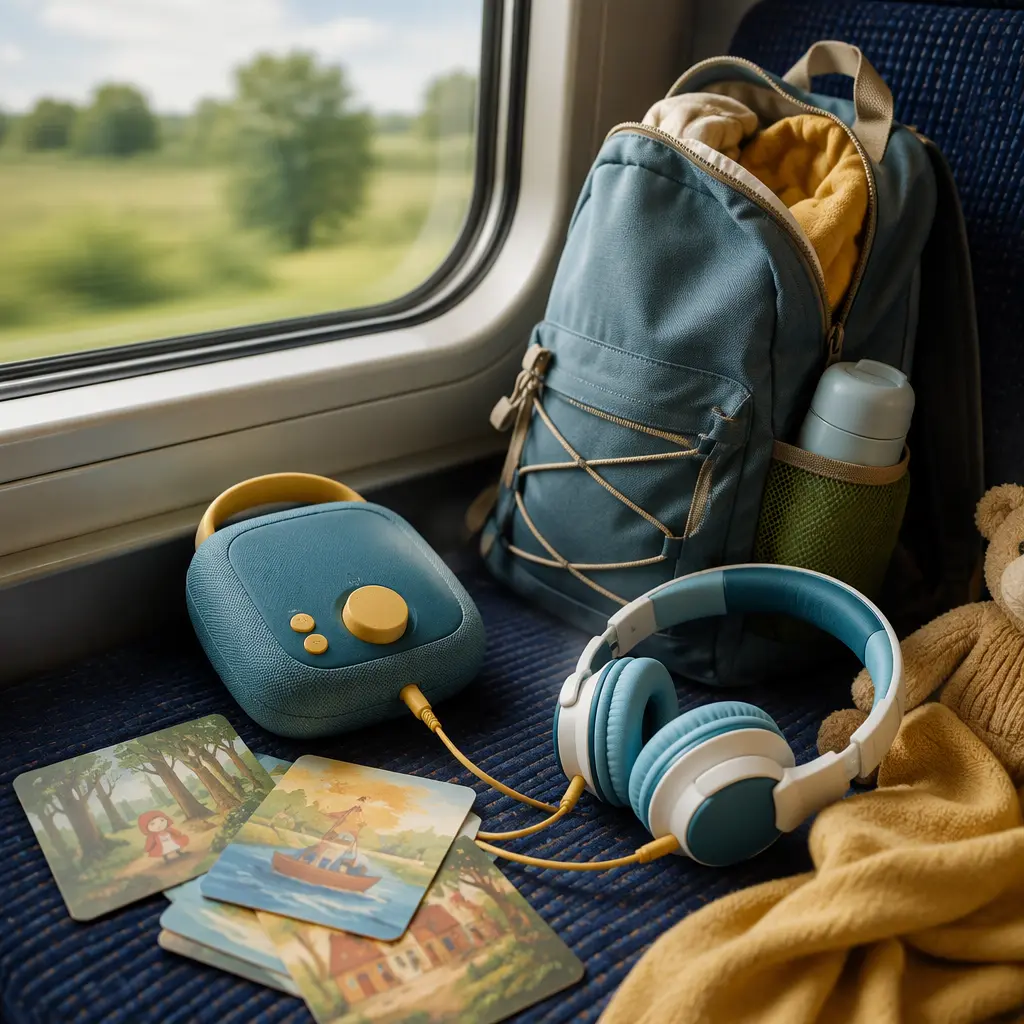
Yoto Player 3rd Gen is closer to a dedicated children's media platform. The physical cards are its main advantage for this age group because they create a straightforward routine: insert a card and audio begins. Many families also like that cards can be stored, swapped and shared similarly to books. In the UK especially, though, ongoing costs can add up if children frequently want new stories or music. Optional memberships may reduce content pricing, but parents should still expect a continuing spend if the player becomes a daily habit.
Jooki works differently. Instead of buying a large library of branded cards, parents often connect playlists or load their own audio. That can lower long-term content costs for families who already subscribe to streaming services or own audio files. It also gives more flexibility for multilingual households or personalised playlists. The trade-off is that setup may feel less immediate for grandparents, babysitters or younger children using it independently. Jooki's figurine-based controls can still feel playful and tactile, but they rely more heavily on parent organisation behind the scenes.
- Best for simple independent use: Yoto Player 3rd Gen.
- Best for families already using music streaming services: Jooki.
- Best for travel without relying on a phone: Yoto, especially once content is downloaded.
- Best for custom playlists and personal audio collections: Jooki.
- Better for sibling sharing with separate favourites: Jooki can offer more playlist flexibility, though setup may take more effort.
- Lower ongoing content spending potential: Jooki, depending on how families source audio.
- More structured children's ecosystem with curated content: Yoto.
Frequently asked questions
Do these players work without Wi‑Fi?
Both systems support offline playback after content has been downloaded or synced. Yoto is particularly straightforward here because inserted cards can trigger already-stored audio without requiring a live connection. Jooki can also work offline, but playlist preparation may require more parent setup in advance.
Which is easier for siblings to share?
That depends on how children listen. Yoto's card system is intuitive for turn-taking and collecting favourites, but siblings may each want their own cards. Jooki can handle multiple playlists and figurines more flexibly, which may suit households where children have different music tastes. The downside is that parents usually manage more of the organisation through the app.
Are subscriptions required?
Neither system is completely unusable without subscriptions, but costs work differently. Yoto sells individual cards and also offers optional membership-style access in some regions. Jooki may depend partly on external music subscriptions if families want streaming-based playlists. Parents should check current regional support and compatibility before buying.
Which player travels better?
Yoto often feels more convenient for travel because children can swap cards independently without needing a phone nearby. Its all-in-one design also suits car journeys and hotel rooms. Jooki can travel well too, especially for children who prefer longer music playlists, but it benefits from preparation before leaving home.
Do these toys use AI?
Neither product is primarily an AI toy in the way conversational chatbots or smart assistants are. They are connected audio systems using apps, cloud-linked content and wireless syncing. Parents should still review privacy settings, account requirements and app permissions because connected features vary over time.
For most families with preschoolers, the decision comes down to simplicity versus flexibility. Yoto Player 3rd Gen usually fits families wanting a polished, child-led listening experience with minimal setup during daily use. Jooki makes more sense for parents who prefer managing their own audio libraries, playlists and streaming options while potentially keeping long-term content costs lower. Both can support genuinely screen-free listening, but the amount of parent involvement behind the scenes differs noticeably.