Are Ride-On Toys Still Useful After Age 3?
Ride-on toys don’t automatically age out at 3. Learn how the right features, size, and play style can keep them developmentally helpful for kids ages 3–5.
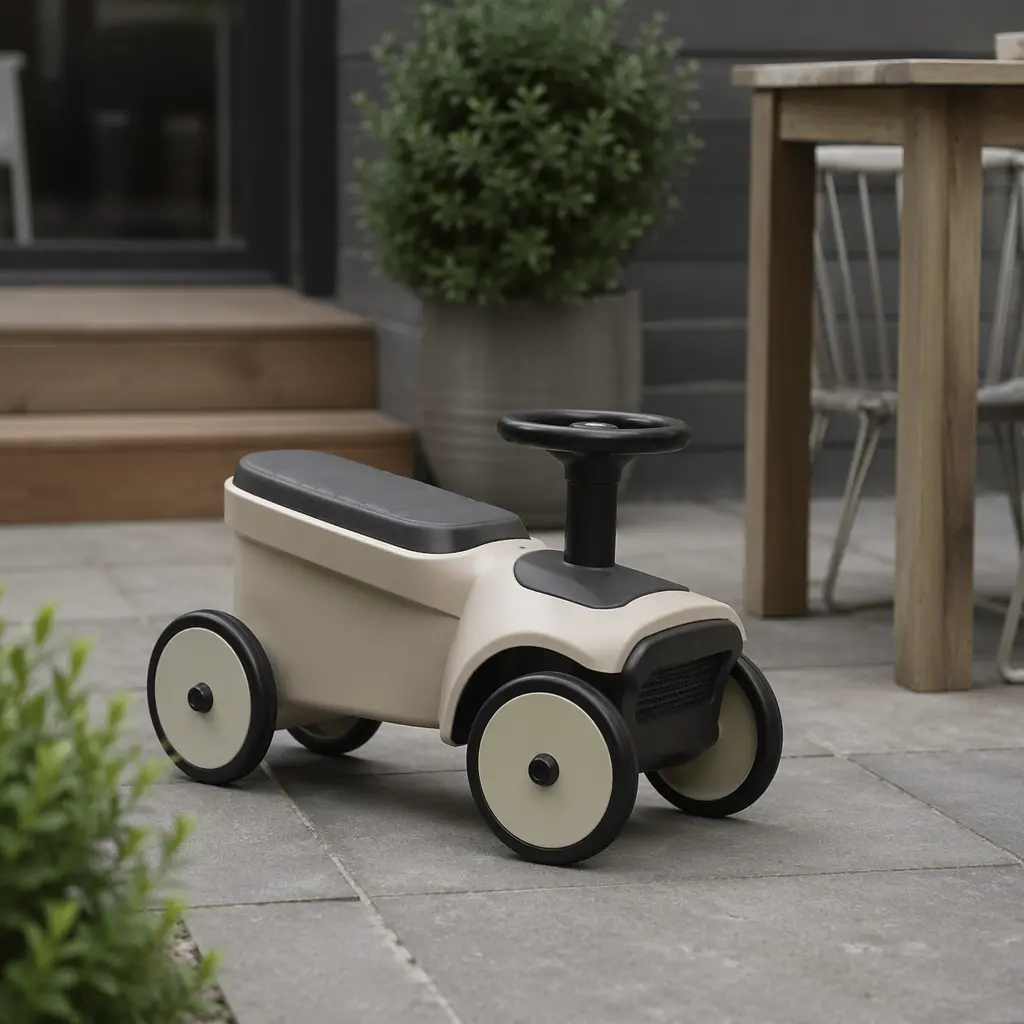
Compare prices and availability
Check current prices and availability for this guide on eBay.
As an eBay Partner, we may be compensated if you make a purchase.
Many parents associate ride-on toys with toddlers, then wonder if they still serve a purpose once a child turns 3. The short answer is yes—but only if the ride-on matches a preschooler’s growing skills. At ages 3–5, children are stronger, more coordinated, and more imaginative, which changes what makes a ride-on toy valuable.
What to look for
After age 3, ride-on toys shift from simple sitting and scooting to active movement and pretend play. Choosing well means focusing less on cuteness and more on how the toy supports physical and cognitive growth.
- Size and weight capacity that fits a preschooler, not a toddler
- Steering that requires real control rather than fixed handles
- Foot-powered or pedal movement to build leg strength
- Stable wheels and a low center of gravity for confidence
- Open-ended design that encourages pretend play
Age suitability
For children ages 3–5, ride-ons are most useful when they meet kids where they are developmentally. At this stage, children can balance better, follow simple rules, and enjoy longer play sessions. Ride-ons that feel too small or too easy may be abandoned quickly, while those that offer a mild challenge can stay engaging for years. Checking height ranges and maximum weight limits matters more now than it did during the toddler years.
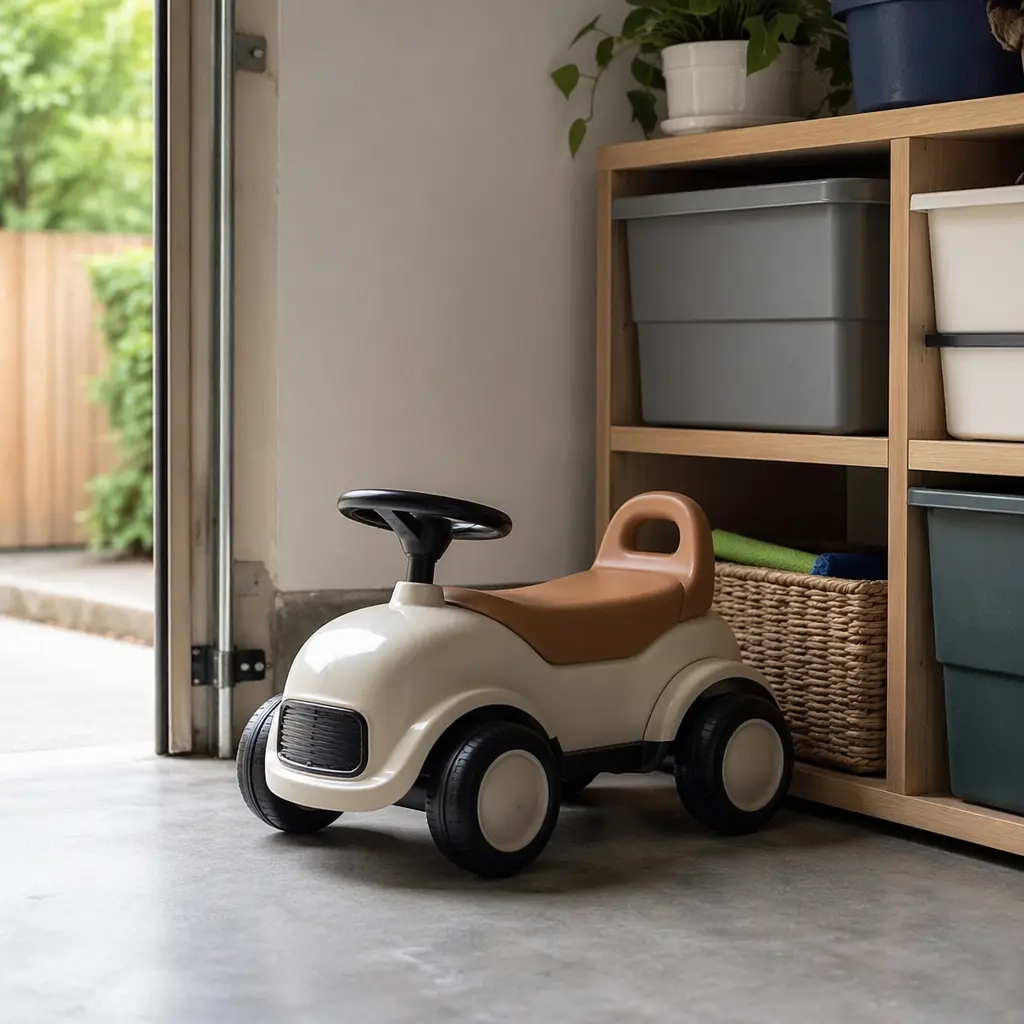
Standout categories or types
Not all ride-ons age the same way. Some are clearly designed for early walkers, while others grow with a child through the preschool years. Understanding the categories helps narrow the field.
- Balance-focused ride-ons that prepare kids for biking skills
- Pedal-powered models that build coordination and endurance
- Push-and-ride hybrids that support imaginative role play
- Outdoor-friendly ride-ons built for pavement or grass
The most successful options for ages 3–5 usually allow faster movement, sharper turns, or pretend scenarios like deliveries or races. These features keep children mentally engaged while also supporting gross motor development.
Frequently asked questions
Do ride-on toys still help development after age 3?
Yes. For preschoolers, ride-ons support balance, leg strength, coordination, and spatial awareness. They also encourage outdoor activity and imaginative play, which are both important at this age.
How do I know if my child has outgrown a ride-on?
Signs include knees bending too sharply, feet dragging uncomfortably, or a lack of interest because the toy feels slow or restrictive. Checking height and weight guidelines can confirm whether it’s time to size up.
Are ride-ons better indoors or outdoors for this age?
Most 3–5 year olds get more benefit outdoors, where there’s room to move and explore. That said, compact ride-ons with smooth wheels can work indoors if space allows and surfaces are safe.
Can ride-on toys replace other active play?
They shouldn’t replace climbing, running, or free play, but they can complement those activities. Ride-ons offer a different kind of movement that focuses on coordination and control.
Ride-on toys don’t have a strict expiration date at age 3. When chosen with a preschooler’s abilities in mind, they can remain a valuable part of active play through age 5 and sometimes beyond. The key is matching the toy’s challenge level and size to the child—not the number on the box.