Best Simple Ride-On Toys Toddlers Can Use Independently
Explore simple, no-motor ride-on toys designed for toddlers ages 1–2. This guide covers stability, sizing, indoor and outdoor use, and features that support safe independent play.
Compare prices and availability
Check current prices and availability for this guide on eBay.
As an eBay Partner, we may be compensated if you make a purchase.
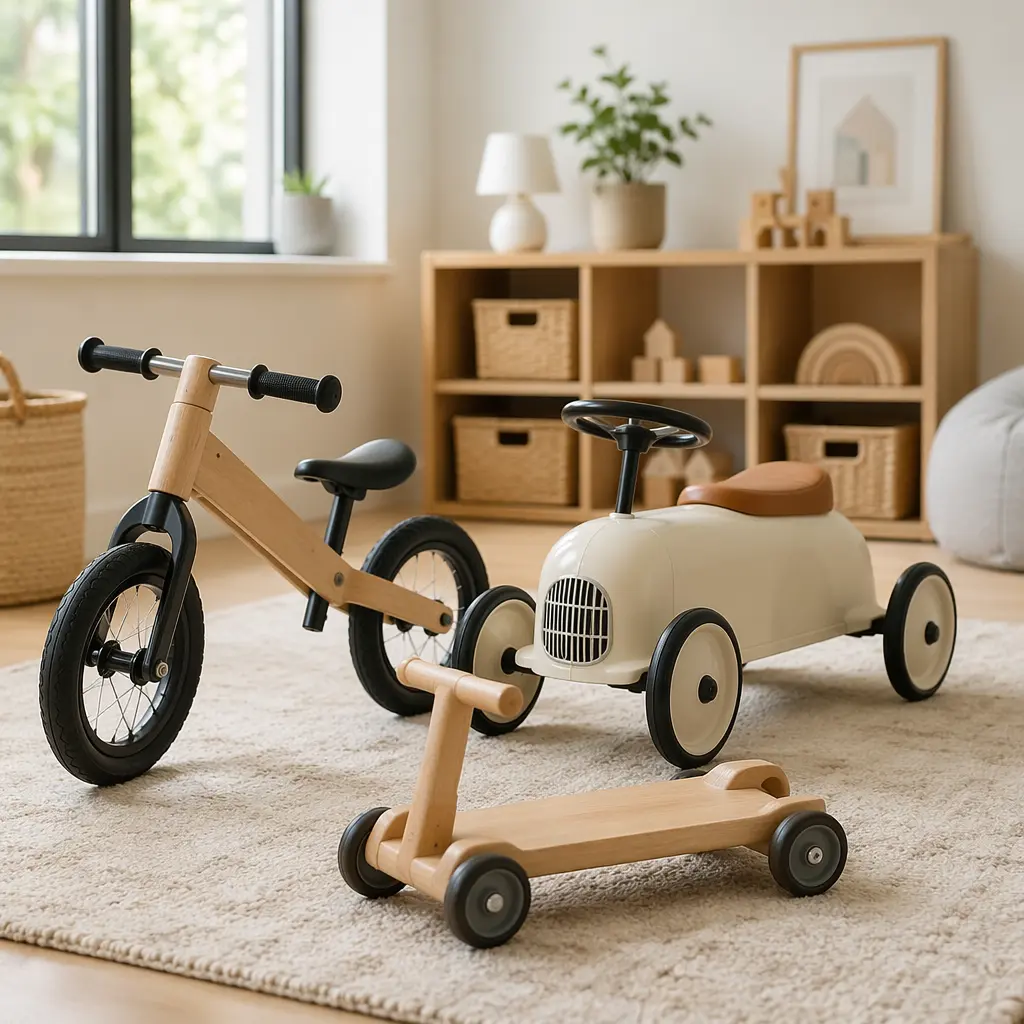
Simple ride-on toys can help toddlers build confidence, balance, and coordination while encouraging independent play. For children ages 1–2, the best options are easy to control with small movements, low enough for steady climbing on and off, and stable on common indoor or outdoor surfaces. Unlike battery-powered ride-ons, these toys rely on pushing, scooting, or walking motions that toddlers can manage on their own. Many parents look for lightweight designs that fit small spaces, wipe clean easily, and provide enough support without limiting movement.
What to look for
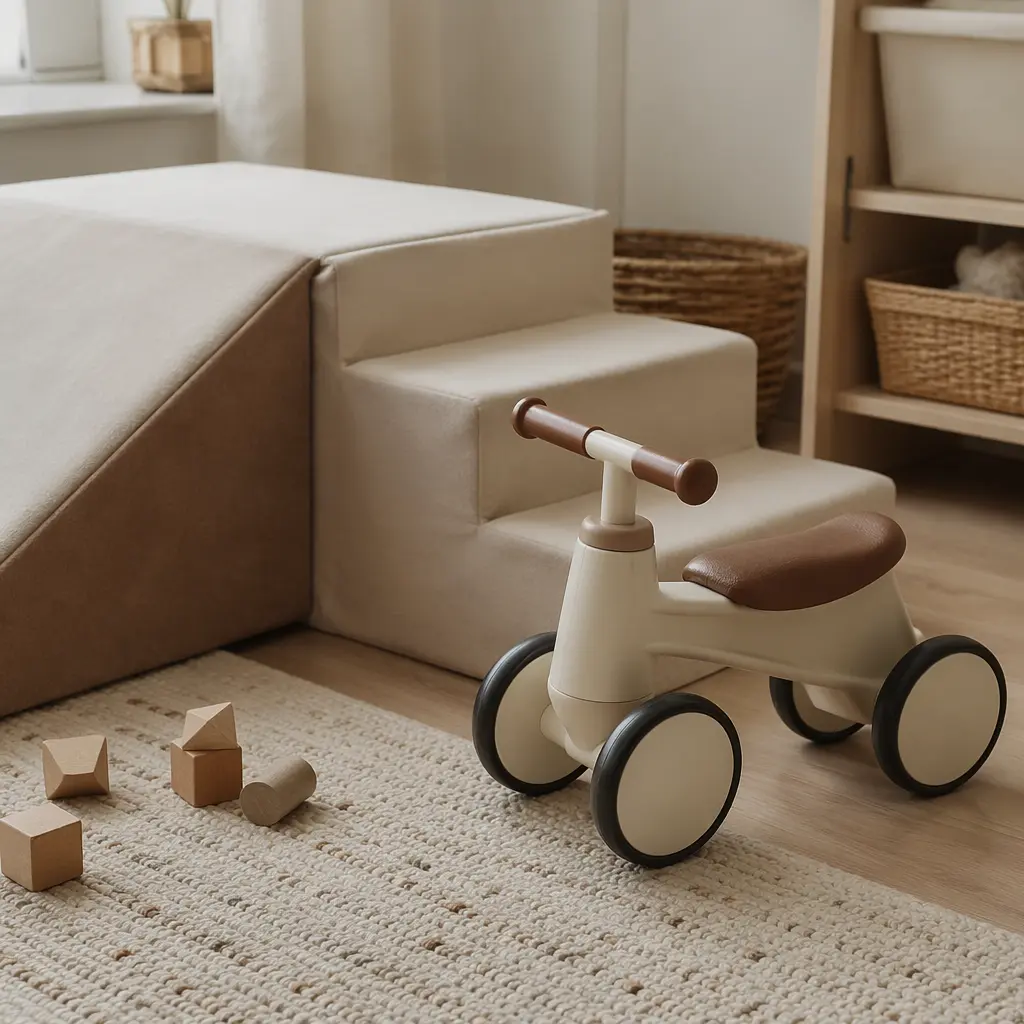
Ride-on toys for younger toddlers should prioritize stability and simple movement over speed or extra features. At this age, children are still developing balance and coordination, so a lower center of gravity and wide wheel placement can make a noticeable difference. Many toddlers also benefit from ride-ons that allow both feet to stay close to the floor while learning how to push and steer.
- Low seat height that allows flat-foot contact with the floor
- Wide wheelbase or anti-tip design for added stability
- Lightweight construction that toddlers can move independently
- Smooth rolling wheels suitable for indoor floors and sidewalks
- Rounded edges and sturdy handles for easier gripping
- Easy-to-clean surfaces with minimal small detachable parts
- Quiet wheels if the toy will mainly be used indoors
Age suitability
Most simple ride-on toys labeled for ages 1–2 are designed for early walkers and toddlers who can sit steadily without support. Younger toddlers often do best with foot-to-floor ride-ons that move slowly and allow stopping with both feet. As coordination improves closer to age 2, some children may be ready for beginner balance bikes or lean-to-steer ride-ons with slightly more mobility. Checking both the manufacturer’s recommended age range and the height or weight guidance can help narrow down appropriate options. A toy that is too tall or too heavy may feel frustrating rather than empowering for a young child.
Standout categories or types
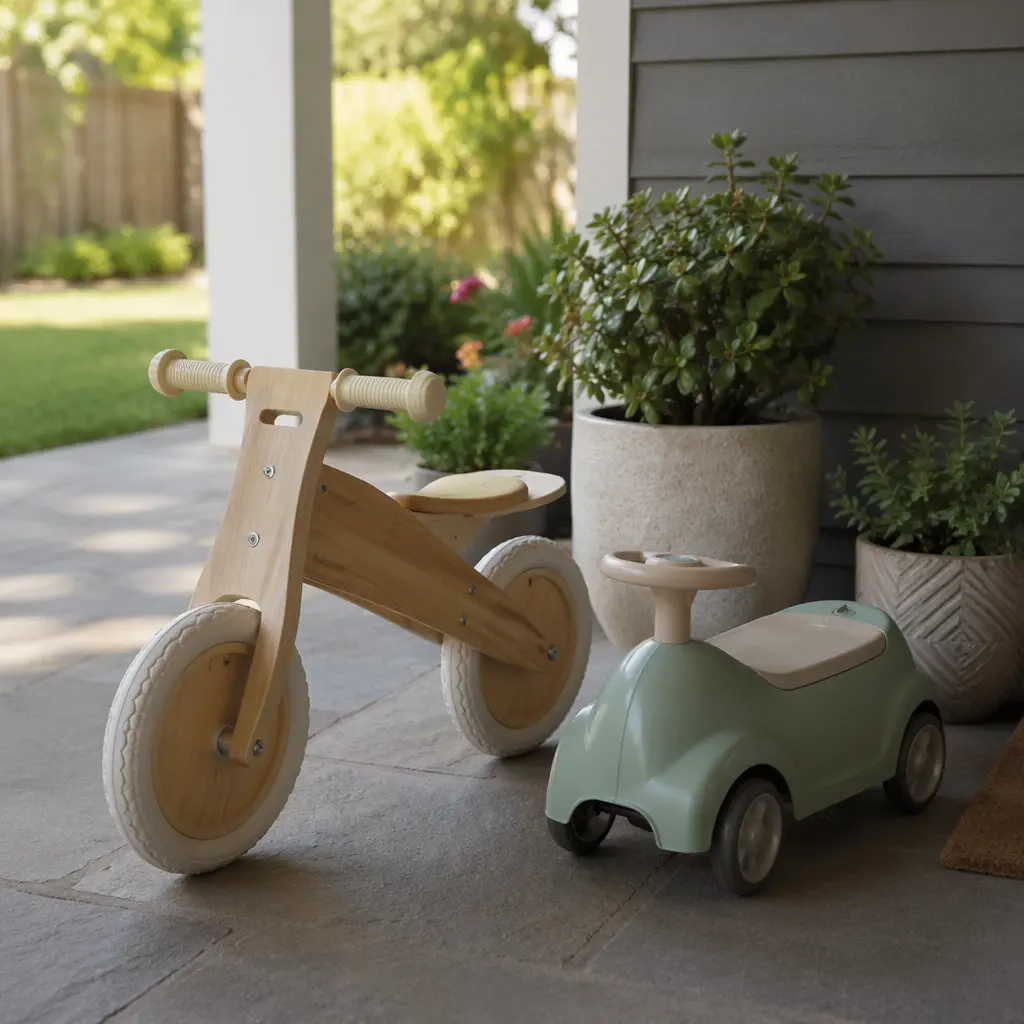
Foot-to-floor ride-ons are often the easiest starting point for toddlers because the movement feels familiar. Children sit low to the ground and move by pushing with their feet, which helps them practice coordination and body awareness. Many designs include simple steering handles and broad wheels that work well indoors.
Beginner balance bikes are another popular category for older toddlers approaching age 2. These models typically skip pedals entirely, encouraging children to walk and glide at their own pace. Lightweight frames and limited turning ranges can make them easier for beginners to control. Some parents also choose rocker-and-ride combinations that convert from a stationary rocker into a wheeled ride-on, extending usability as mobility develops.
- Foot-to-floor cars and animal-shaped ride-ons for first independent movement
- Mini balance bikes with four wheels or extra-wide tires for stability
- Ride-ons with storage compartments for toy transport during pretend play
- Convertible rocker-to-ride toys for longer-term use
- Soft-wheel indoor ride-ons designed for hardwood or tile floors
Frequently asked questions
Are ride-on toys good for toddler development?
Many ride-on toys support gross motor development by encouraging pushing, steering, balance, and coordination. They can also help toddlers practice spatial awareness and build confidence during independent movement.
What surfaces work best for beginner ride-ons?
Smooth indoor floors, patios, and flat sidewalks are usually easiest for younger toddlers. Thick carpet, gravel, or uneven pavement can make steering and pushing more difficult for beginners.
Do toddlers need helmets with simple ride-on toys?
Indoor foot-to-floor ride-ons that move slowly may not always require helmets, but outdoor riding on harder surfaces can increase the risk of falls. Families often choose lightweight toddler helmets for balance bikes or faster ride-ons used outside.
How can parents tell if a ride-on is the right size?
A properly sized ride-on allows the child to sit comfortably with both feet flat on the ground. Toddlers should be able to climb on and off independently without tipping the toy excessively.
Are wooden or plastic ride-ons better?
Both materials can work well. Wooden ride-ons often have a classic look and sturdy feel, while plastic models may be lighter and easier to wipe clean. Wheel quality and overall stability are usually more important than the material alone.
The best simple ride-on toys for toddlers combine easy movement, stable construction, and room for growing confidence. Choosing a design that matches a child’s size and current mobility level can make independent play feel fun rather than frustrating. Whether used indoors during active play or outdoors on smooth paths, no-motor ride-ons can offer everyday opportunities for movement and exploration during the early toddler years.