Foot-Powered Ride-On Toys That Build Balance
A parent-friendly guide to non-motorized ride-on toys for ages 1–2, explaining how foot-powered designs support balance, coordination, and safe early mobility.
Compare prices and availability
Check current prices and availability for this guide on eBay.
As an eBay Partner, we may be compensated if you make a purchase.
Foot-powered ride-on toys are a popular choice for parents who want to encourage movement and coordination without screens, batteries, or motors. For toddlers ages 1–2, these toys let children push with their own feet, steer with their hands, and learn how their bodies move through space. The result is active play that supports balance and confidence at a natural pace.
What to look for
Not all ride-on toys are designed with balance development in mind. For younger toddlers, the goal is stability paired with just enough challenge to encourage learning. Materials, shape, and sizing all matter more than flashy features.
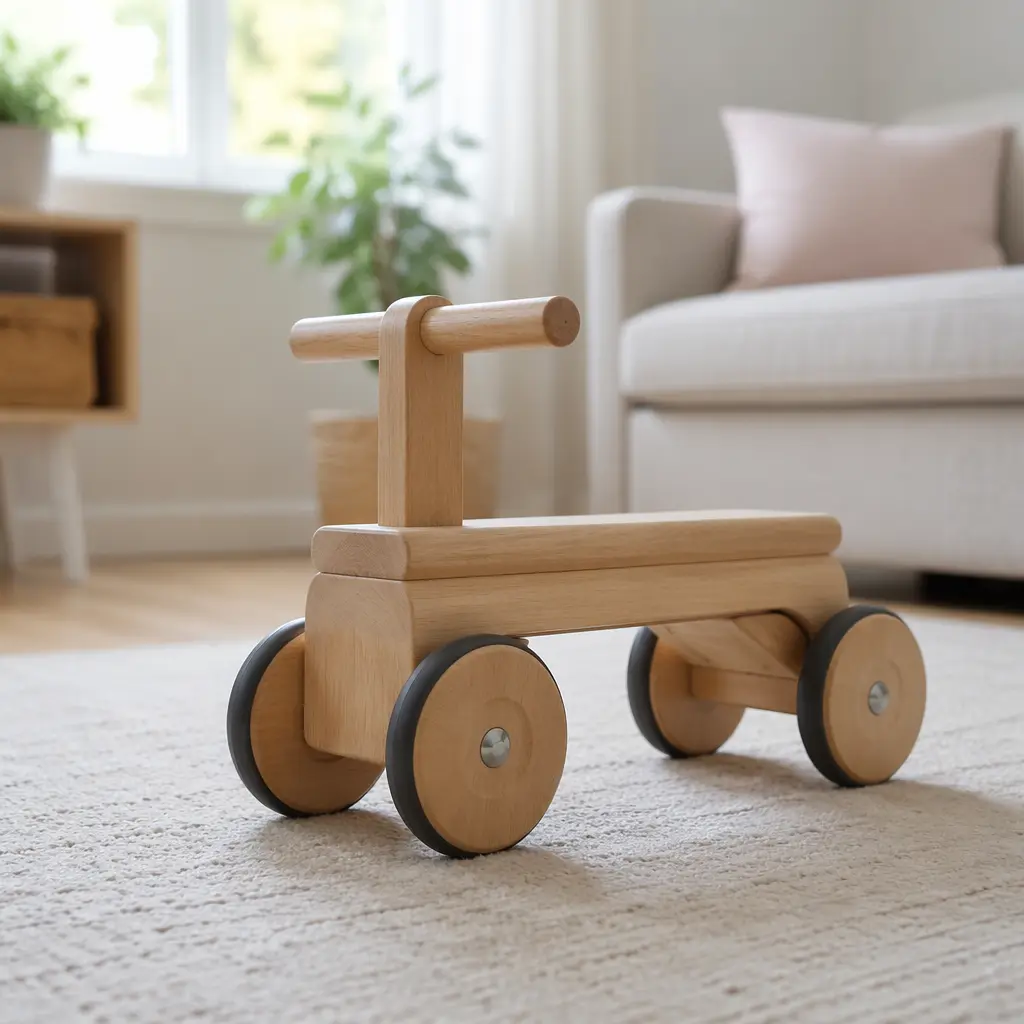
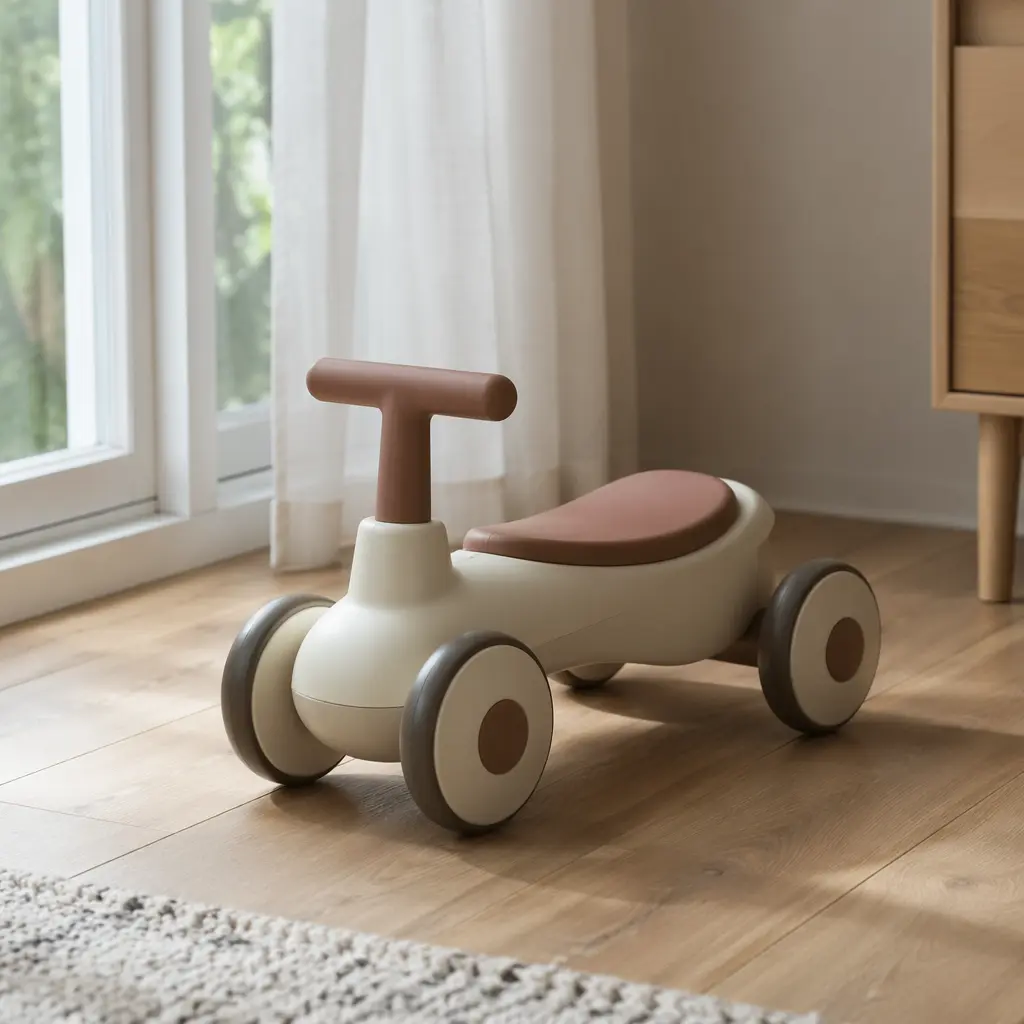
- Low seat height so feet can rest flat on the floor
- Wide wheelbase for stability during early steering
- Lightweight construction that toddlers can move themselves
- Smooth steering without sharp turning resistance
- Rounded edges and enclosed wheels to reduce pinched fingers
Age suitability
For children between 12 and 24 months, ride-on toys should support emerging walking skills rather than replace them. At this stage, many toddlers are still mastering standing, cruising, and short independent walks. A foot-powered ride-on works best when it allows frequent stops, easy mounting, and slow, controlled movement. Toys that are too tall or too fast can make it harder for younger toddlers to stay balanced and confident.
Standout categories or types
Several types of non-motorized ride-ons are especially well suited for building balance and coordination in toddlers. Each style encourages slightly different movements, so choosing one depends on your child’s current abilities and interests.
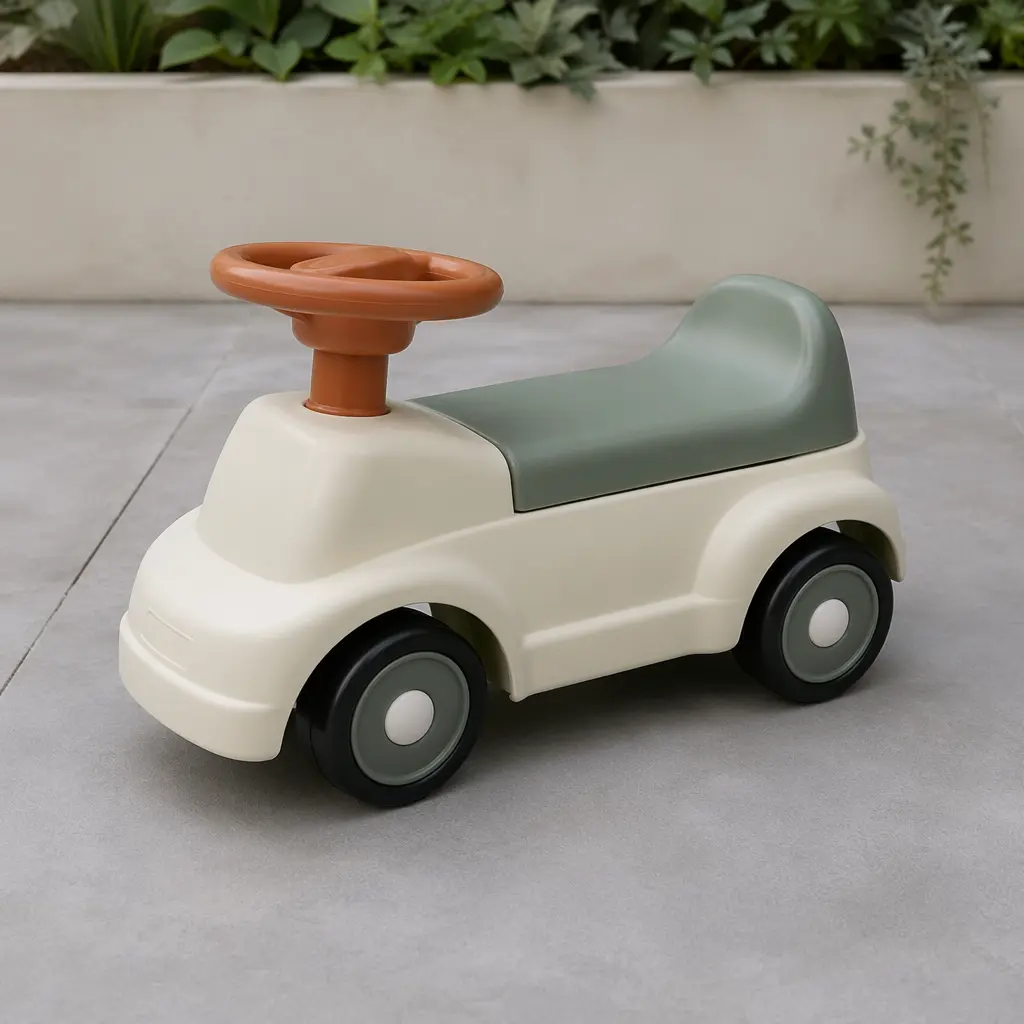
- Sit-and-scoot ride-ons that move forward with alternating foot pushes
- Four-wheel walkers with a ride-on seat for rest breaks
- Wide-frame balance ride-ons that emphasize steering control
- Rocker-to-ride-on hybrids that transition from stationary to mobile play
Frequently asked questions
Do foot-powered ride-ons really help with balance?
Yes. Because toddlers control movement with their own legs and body weight, they practice shifting balance, coordinating both sides of the body, and adjusting posture as they move and turn.
Are these toys better than motorized ride-ons?
For ages 1–2, foot-powered options are generally more appropriate. They move at a child-controlled speed and require active participation, which supports physical development more effectively than passive riding.
Can a one-year-old use a ride-on toy safely?
Many one-year-olds can use ride-ons designed for beginners, as long as the seat is low and the toy is stable. Close supervision and a safe play area are essential at this age.
Should ride-ons be used indoors or outdoors?
Both can work. Indoors offers controlled conditions, while outdoor use provides more space. In either case, the surface should be flat and free of obstacles.
Foot-powered ride-on toys offer a simple, screen-free way to support early balance and coordination. By focusing on stable design and age-appropriate features, parents can choose options that encourage confident movement and active play during the important toddler years.