Are Electronic Ride-On Toys Safe for Big Kids?
A safety-focused guide for parents comparing electronic ride-on toys and foot-powered options for kids ages 6–8, with practical tips on features, supervision, and age-appropriate choices.

Compare prices and availability
Check current prices and availability for this guide on eBay.
As an eBay Partner, we may be compensated if you make a purchase.
As kids grow into the 6–8 age range, ride-on toys often shift from simple push-along designs to faster, heavier, and sometimes motorized options. For parents, the big question is safety: are electronic ride-on toys a smart choice for big kids, or are foot-powered options the safer bet? The answer depends on how each type is built, where it’s used, and how well it matches a child’s size and skills.
What to look for
Whether a ride-on is electric or foot-powered, certain features matter more as kids get bigger and ride faster. Big kids place more stress on frames, steering, and braking systems, so safety features need to scale with their size and energy.
- Weight and height limits that clearly include ages 6–8
- Stable wheelbase and low center of gravity to reduce tipping
- Speed controls or governors on electronic models
- Reliable braking, whether hand brakes, foot brakes, or automatic stop features
- Durable materials that can handle rough outdoor use
- Clear assembly instructions and secure fasteners
Age suitability
For kids ages 6–8, ride-on safety is closely tied to developmental readiness. Many children in this range have better balance, coordination, and judgment than preschoolers, but they are still learning how to manage speed and obstacles. Electronic ride-ons may be labeled for older kids, yet some are still designed with younger riders in mind and may feel cramped or unstable for bigger bodies. Foot-powered options often grow better with the child, encouraging balance and control without adding motorized speed.
Standout categories or types
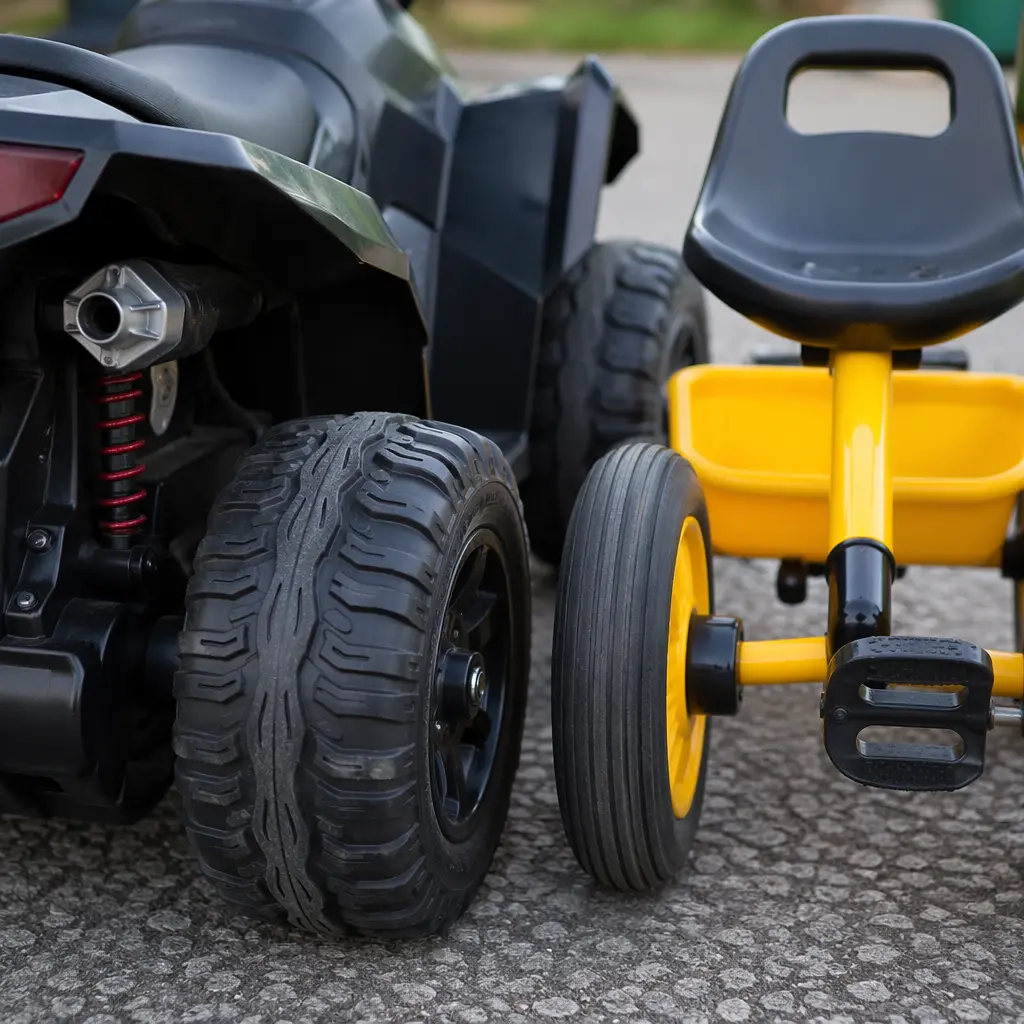
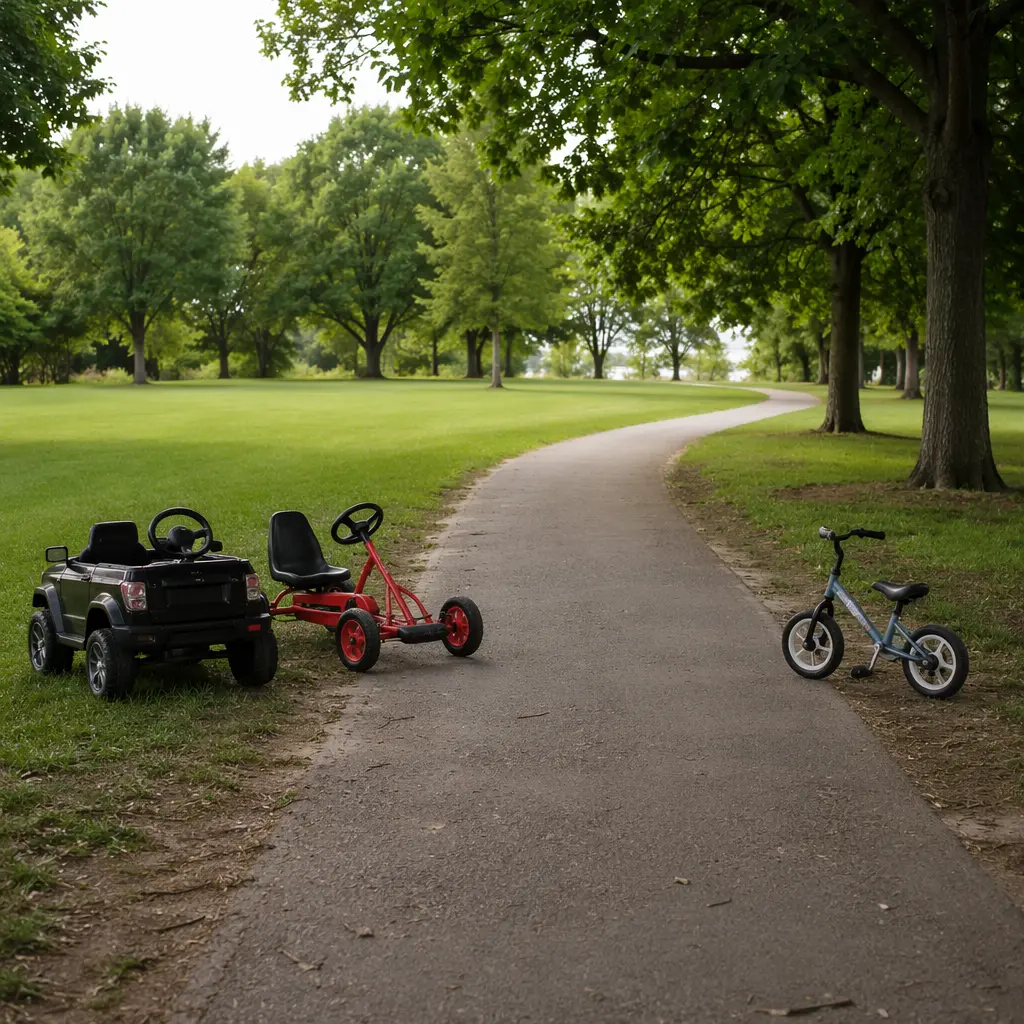
Electronic ride-on toys appeal to big kids because they feel more like real vehicles. They typically offer powered movement, simple steering, and sometimes sound or light features. From a safety standpoint, their main risks come from speed and weight. Heavier toys take longer to stop and can cause more harm if they bump into objects or people.
Foot-powered ride-ons, including pedal-driven and balance-style options, rely on the child’s own strength and coordination. This naturally limits speed and encourages skill-building. These options are often easier to control and may be better suited for uneven surfaces or shared outdoor spaces. However, they still require proper sizing and safe riding areas to be effective.
Frequently asked questions
Are electronic ride-on toys too fast for kids ages 6–8?
Some can be, especially models without adjustable speed settings. For this age group, lower top speeds and gradual acceleration are safer and easier to manage.
Do foot-powered ride-ons really help with safety?
Yes, because they put the child in full control of speed and movement. This can reduce sudden starts and make stopping more intuitive.
What surfaces are safest for ride-on toys?
Flat, open areas like driveways, patios, or park paths away from traffic are safest. Grass can slow riders but may also affect steering, especially for heavier electronic toys.
Should big kids still wear helmets on ride-ons?
Helmets are a good idea, particularly for faster or motorized ride-ons. They offer protection even at lower speeds and help establish safe riding habits.
For big kids, the safest ride-on toy is one that matches their size, skill level, and riding environment. Electronic ride-ons can be safe with the right features and supervision, while foot-powered options often provide a simpler, skill-building alternative. Comparing both types with safety in mind helps parents choose a ride-on that supports fun without unnecessary risk.