Ride-On Toys That Still Get Used After Age Three
A buyer’s guide to durable ride-on toys that grow with kids ages 3–5, focusing on adjustability, safety, and features that keep play engaging beyond the toddler years.
Compare prices and availability
Check current prices and availability for this guide on eBay.
As an eBay Partner, we may be compensated if you make a purchase.
Many ride-on toys are marketed for toddlers, then quietly retired once kids hit preschool age. But some designs are built to last—physically and developmentally—so children keep coming back to them at ages three, four, and even five. The key is choosing ride-ons that scale with growing bodies, skills, and interests, rather than toys that are outgrown as soon as balance and coordination improve.
What to look for
Ride-on toys that stay relevant past age three share a few practical traits. These features help a toy keep pace with a child’s growth and expanding abilities, while standing up to more energetic use.
- Adjustability: Seats, handlebars, or frames that change height extend the usable life as kids grow.
- Weight capacity: A higher maximum weight usually signals a stronger frame and longer-term use.
- Skill progression: Toys that support both beginner and more advanced riding keep kids interested.
- Outdoor-ready materials: Thicker plastic, metal frames, or sealed wood handle rougher play.
- Repair-friendly parts: Replaceable tires or simple hardware can prevent early retirement.
Age suitability
For children ages three to five, ride-on toys should encourage independence without demanding advanced skills right away. At this stage, kids are refining balance, steering, and pedaling while also inventing more complex play scenarios. A good fit allows a child to start confidently at age three and still feel challenged a year or two later, rather than becoming “babyish” too quickly.
Standout categories or types
Certain categories of ride-on toys are especially known for lasting beyond the toddler years. These designs tend to adapt well to growing kids and evolving play styles.
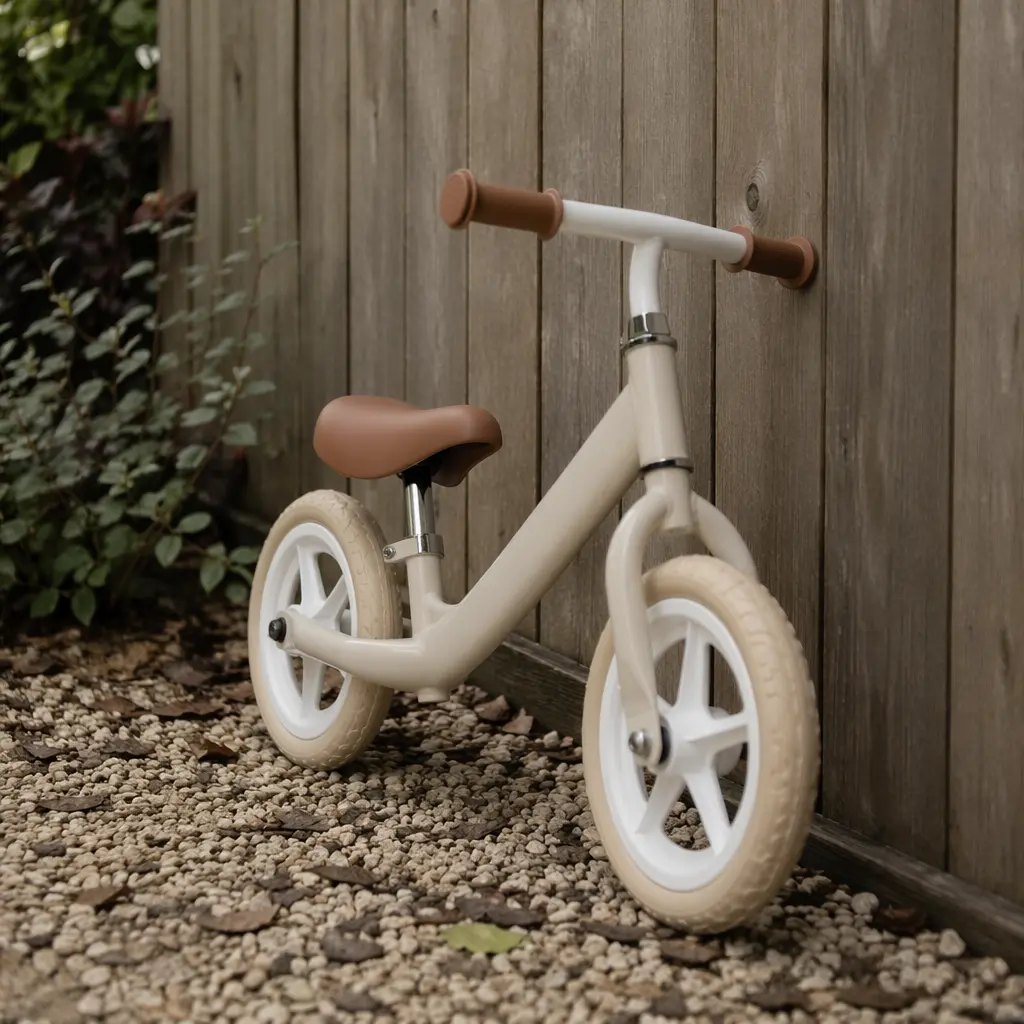
- Balance-based ride-ons: Simple frames without pedals help kids refine coordination and remain appealing even after bikes enter the picture.
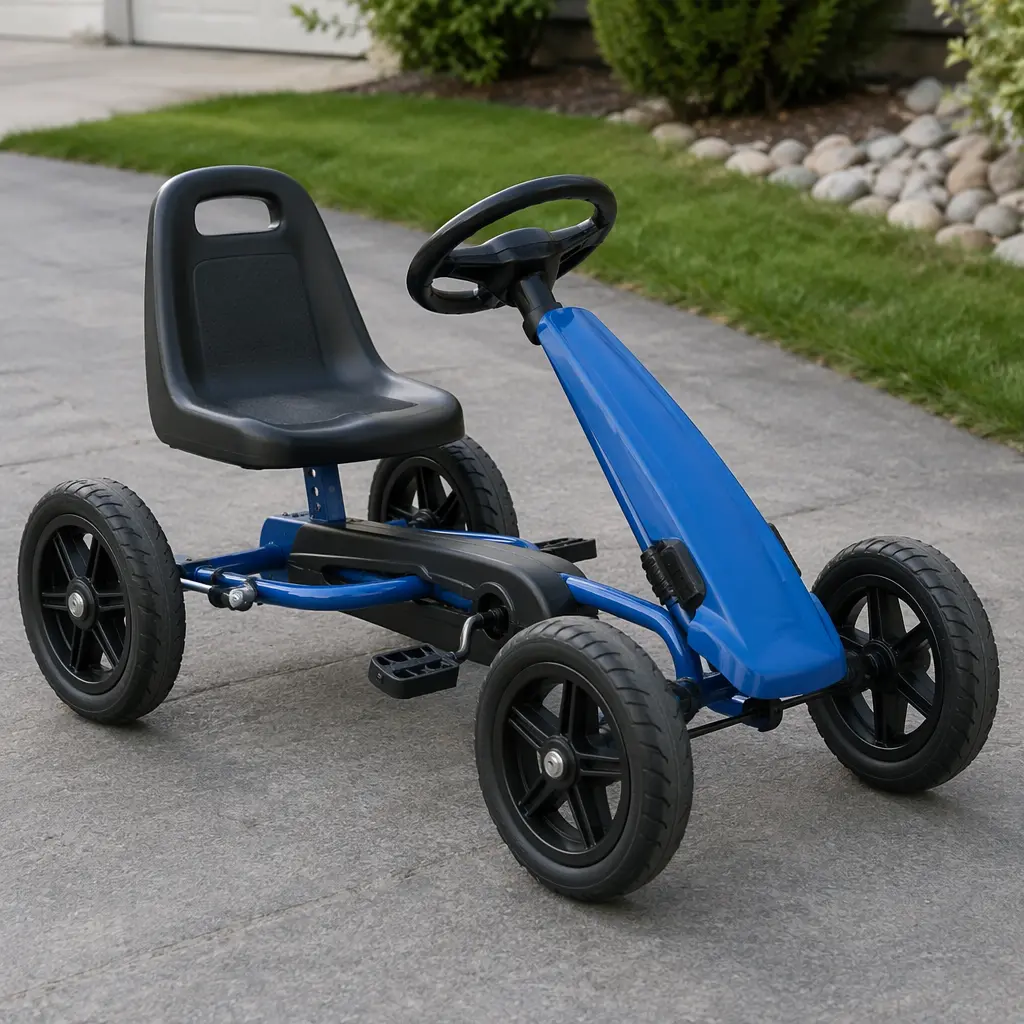
- Pedal-powered vehicles: Trikes and pedal cars with adjustable seating often stay fun as leg strength improves.
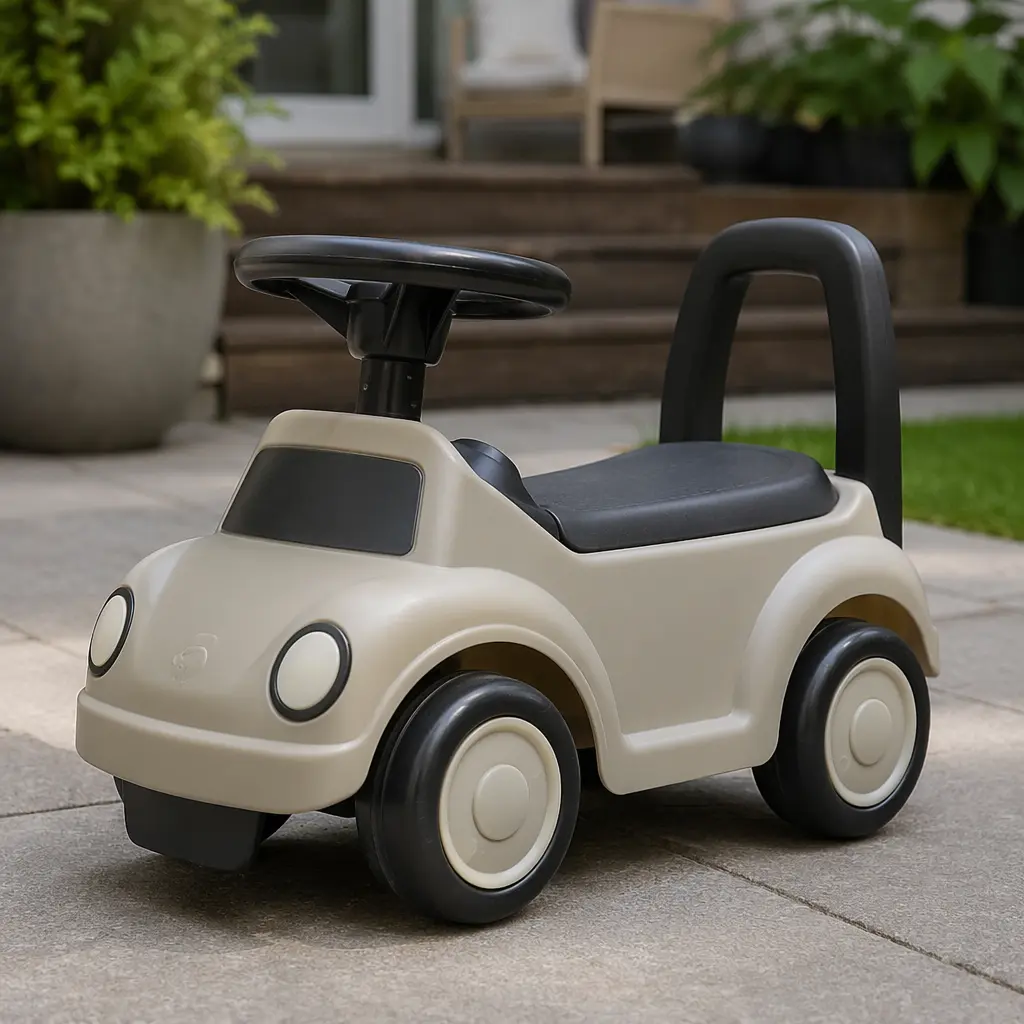
- Push-to-ride convertibles: Models that transition from parent-assisted to fully independent use cover a wider age range.
- Imaginative vehicles: Ride-ons styled as general vehicles, rather than character toys, age more gracefully with kids’ interests.
Frequently asked questions
Do ride-on toys really last past age three?
Yes, when they are designed with adjustability and durability in mind. Toys that rely on skill-building rather than novelty tend to stay in use longer.
What makes a ride-on feel “too young” for preschoolers?
Low weight limits, fixed seating, and overly babyish styling can cause kids to lose interest quickly, even if the toy still functions.
Are indoor ride-ons worth considering at this age?
Some are, especially those with smooth wheels and compact turning. However, many preschoolers prefer the speed and space of outdoor play.
How much assembly should parents expect?
Longer-lasting ride-ons often require basic assembly, but simpler construction can make future adjustments and repairs easier.
When should a child move on from ride-on toys?
Most kids naturally transition as their interests shift, often toward bikes or scooters. A versatile ride-on can bridge that gap without feeling like a step backward.
Ride-on toys that stay popular after age three are less about flashy features and more about thoughtful design. By focusing on durability, adjustability, and open-ended play, parents can choose options that grow alongside their children and remain a welcome part of daily play.