Beginner Electronics Kits That Actually Teach Circuits
A parent-focused guide to beginner electronics kits for teens that prioritize real circuit understanding, not flashy demos. Learn what features matter, age fit, and how to spot hands-on learning.
Compare prices and availability
Check current prices and availability for this guide on eBay.
As an eBay Partner, we may be compensated if you make a purchase.
Electronics kits for beginners often promise instant results—lights flashing, sounds playing, projects working right away. For teens who actually want to learn how circuits work, that can be a problem. The most effective kits slow things down and explain why electricity behaves the way it does, helping learners build understanding instead of just following steps.
What to look for
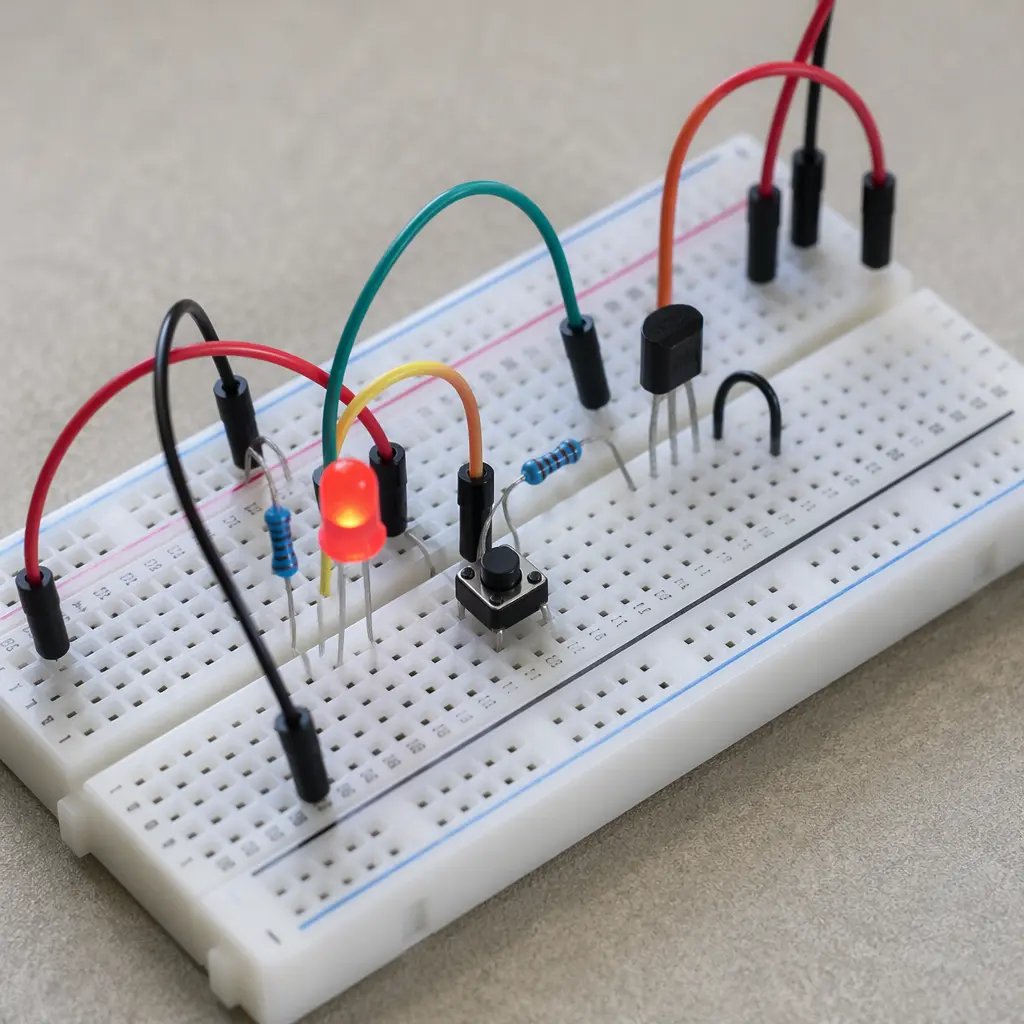
A good beginner electronics kit focuses on fundamentals before complexity. Instead of hiding the electronics inside prebuilt modules, it exposes each component and explains its role. Look for kits that encourage experimentation and troubleshooting rather than just copying diagrams.
- Clear explanations of basic concepts like voltage, current, and resistance
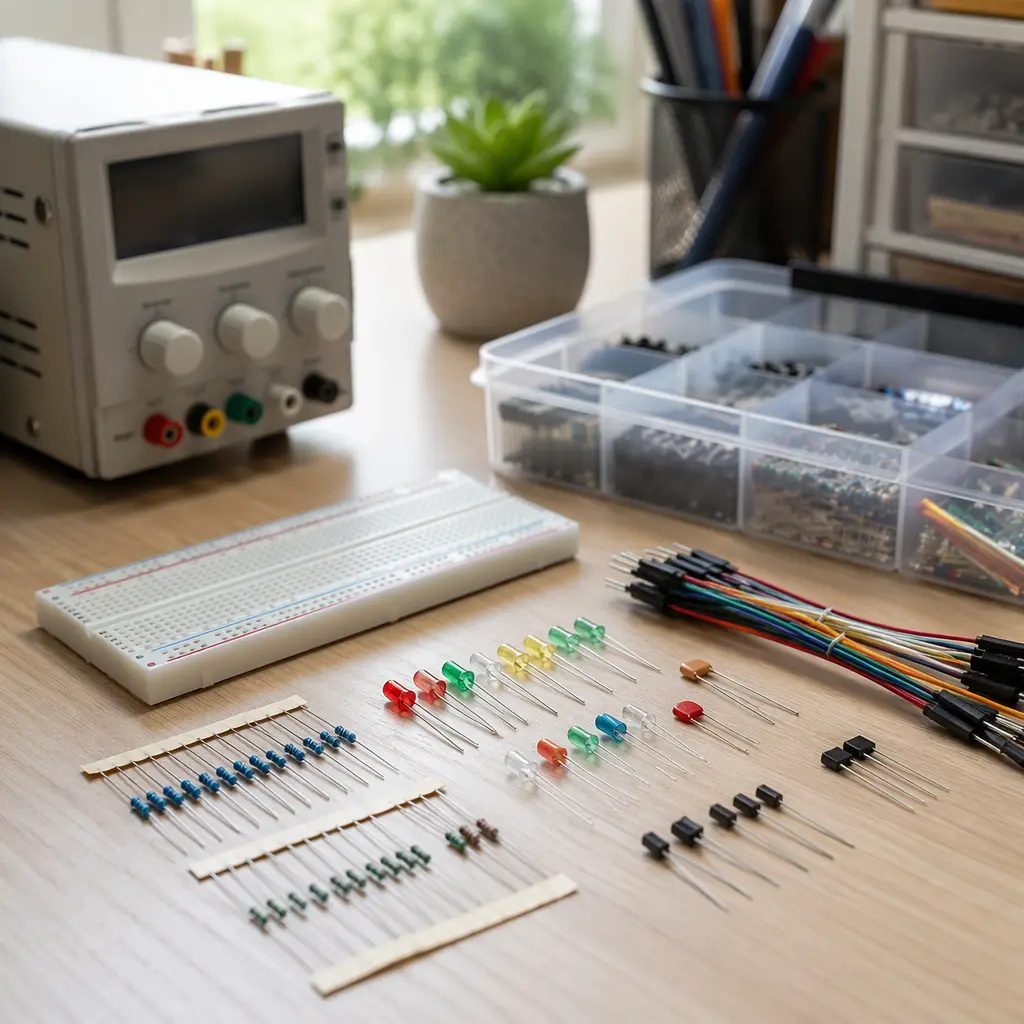
- Discrete components such as resistors, capacitors, LEDs, and switches
- Breadboards or similar tools that allow circuits to be built and rebuilt
- Guides that explain what should happen and why, not just how
- Projects that progress from simple to more complex systems
- Minimal reliance on prewired or sealed modules
Age suitability
For ages 13 and up, most learners can handle basic electronics concepts with the right support. At this stage, kits should assume basic math skills and the ability to follow multi-step instructions. The best options respect teens as capable learners, offering real terminology and diagrams instead of oversimplified explanations. Adult guidance can help at first, but the goal is independent problem-solving as confidence grows.
Standout categories or types
Not all beginner electronics kits are built the same. Some are better for visual learners, while others appeal to teens who like structured lessons. Understanding the main categories can help parents choose a kit that matches a learner’s style and goals.
- Concept-first kits that teach theory alongside hands-on builds
- Breadboard-based kits that allow open-ended experimentation
- Project-driven kits that apply fundamentals to real-world examples
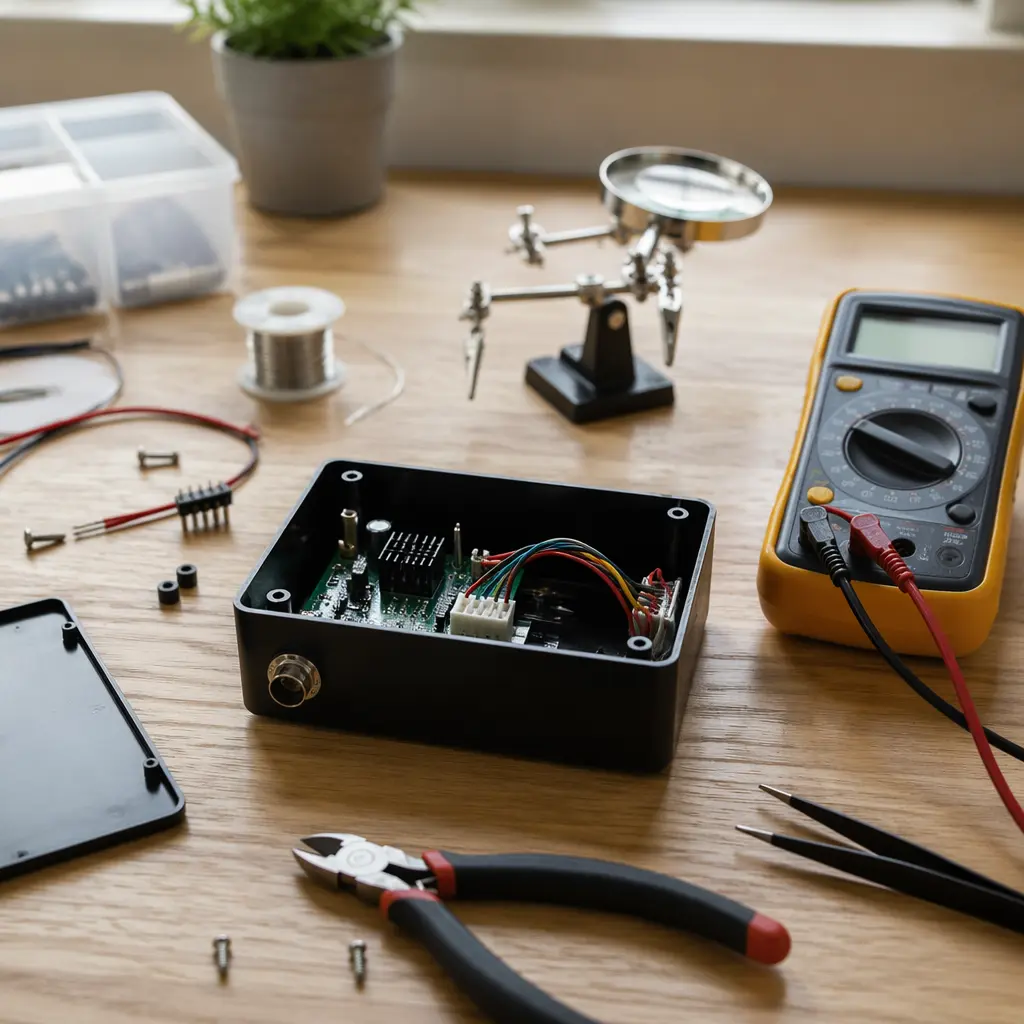
- Measurement-focused kits that introduce tools like multimeters
- Curriculum-style kits designed for sequential learning
Frequently asked questions
Do beginner electronics kits require prior experience?
Most beginner kits are designed for learners with no prior electronics background. What matters more is patience and curiosity. Kits that explain concepts clearly can support true beginners while still offering depth for motivated teens.
Are coding skills necessary for learning circuits?
No. Many strong beginner kits focus entirely on analog and basic digital circuits without programming. Learning how electricity flows and components interact is a valuable foundation before introducing coding.
How long does it take to see learning progress?
Some understanding comes quickly, such as recognizing how a simple circuit works. Deeper learning builds over weeks as teens troubleshoot mistakes and experiment with variations. Kits that encourage repetition support lasting knowledge.
Can these kits support school STEM learning?
Yes. Many kits align well with middle and high school physics or engineering concepts. They can reinforce classroom lessons by making abstract ideas tangible through hands-on work.
Beginner electronics kits that truly teach circuits don’t rely on spectacle. They focus on understanding, experimentation, and gradual challenge. For parents, choosing a kit with real components and clear explanations can help teens build skills that last far beyond a single project.