VEX Robotics: How engineering kits became competitive play
VEX Robotics turned classroom engineering ideas into hands-on building challenges, blending metal parts, coding, and competition into a toy family that appeals to students, hobbyists, and schools alike.
Compare prices and availability
Check current prices and availability for this guide on eBay.
As an eBay Partner, we may be compensated if you make a purchase.
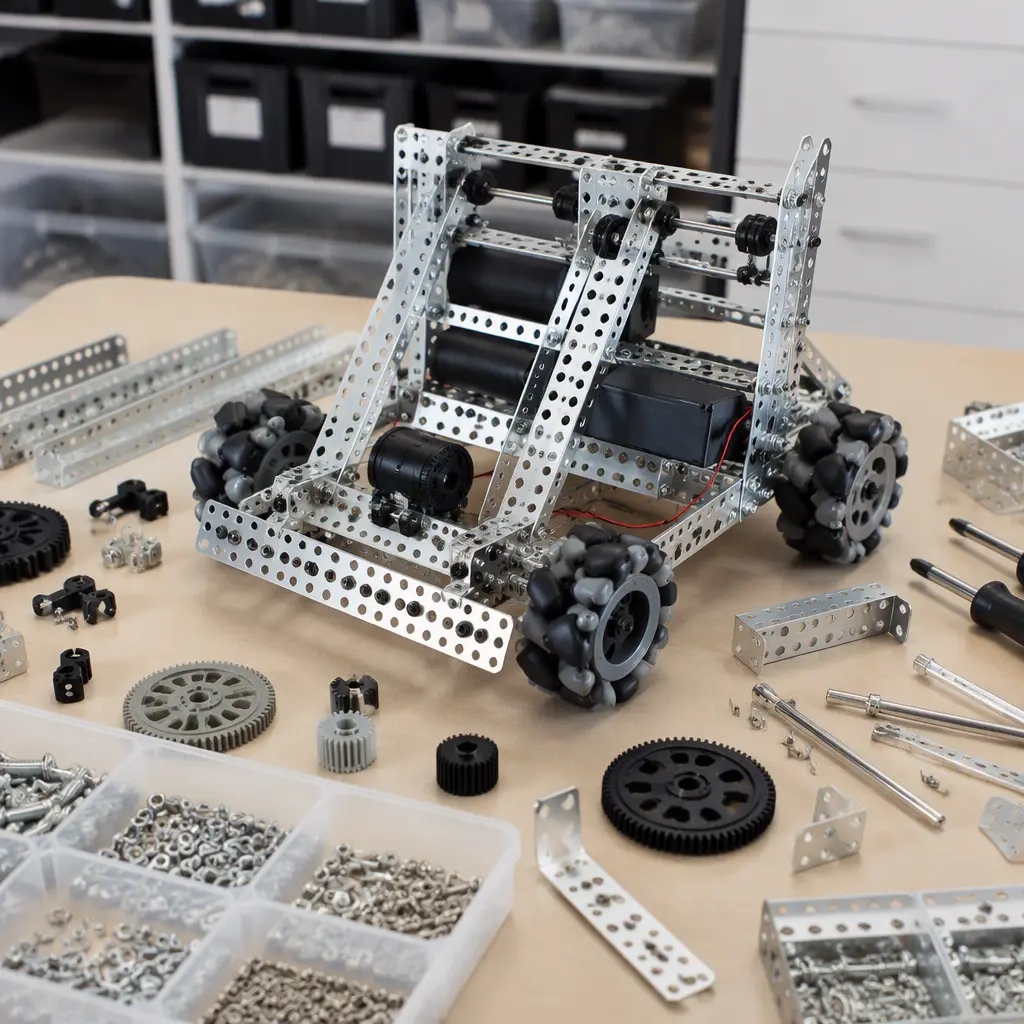
VEX Robotics occupies an unusual space in the toy world. It is part construction set, part coding platform, and part competitive sport. Originally designed to bring engineering concepts into classrooms, the system gradually became recognizable far beyond schools as students carried the experience home and hobbyists embraced the challenge-focused style of play. Unlike many STEM toys that simplify mechanics into colorful abstractions, VEX leaned toward real engineering habits: structural design, gearing, problem-solving, programming, and iteration. That practical approach helped it stand out during a period when educational toys were becoming more common but often remained limited in depth.
Where it came from
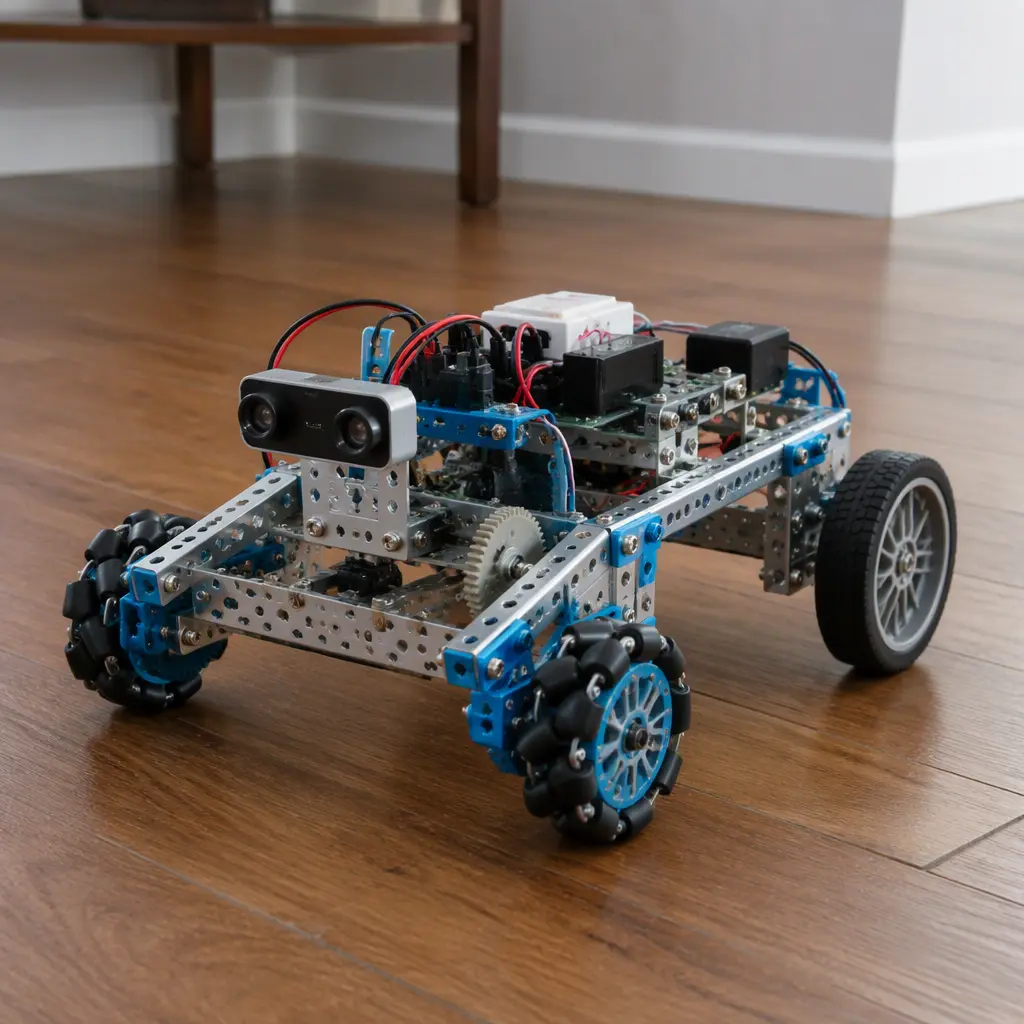
VEX Robotics launched in 2005 through Innovation First International, a company already known in educational and competitive robotics circles. The timing mattered. Schools were increasingly interested in STEM education, and robotics competitions were becoming more visible as a way to teach practical engineering and teamwork. VEX entered that environment with kits that balanced accessibility and technical depth. Students could begin with straightforward mechanical builds but gradually move into advanced programming, autonomous behavior, and strategic design.
The original goal was not simply to create another construction toy. VEX was built around the idea that engineering becomes easier to understand when people physically experiment with structures, motors, and sensors. The kits used standardized parts that encouraged rebuilding rather than one-time assembly. Over time, the ecosystem expanded into classroom curricula, organized competitions, and multiple product lines aimed at different ages and skill levels. That growth helped VEX become less of a single toy and more of a long-running platform for learning through iteration.
Why it works
One reason VEX endured is that the building experience feels consequential. The parts are designed to behave more like simplified engineering materials than decorative toy pieces. Metal beams, gears, axles, wheels, and connectors create a sense that the builder is constructing a functioning machine rather than a display model. Motors and programmable controllers add another layer, turning static builds into moving systems that can solve challenges or compete in organized games.
The play pattern also rewards experimentation. Builders quickly learn that small design choices affect balance, speed, torque, and stability. A robot that looks impressive may struggle to turn efficiently. A lightweight design might move faster but lose pushing power. Those trade-offs mirror real engineering decisions in a way many educational toys only hint at. VEX competitions reinforced that lesson by encouraging teams to revise and improve designs repeatedly over a season.
- Modular parts designed for repeated rebuilding and modification
- Mechanical systems that demonstrate gearing, leverage, and structural support
- Programmable components that introduce coding and automation
- Competitive challenges that encourage teamwork and iteration
- Scalable difficulty levels from beginner builds to advanced engineering concepts
Who it's for
VEX Robotics is often associated with middle school and high school students, but the broader ecosystem reaches younger builders as well. Simpler systems aimed at elementary-age learners focus on snap-together construction and introductory coding concepts, while advanced kits support more sophisticated programming and mechanical design. The appeal also extends beyond children. Parents, teachers, robotics mentors, and hobbyists frequently become active participants because the building process invites collaboration. For many families, VEX works best as a shared activity where experimentation and troubleshooting become part of the fun rather than obstacles to avoid.
Variants and what to look for today
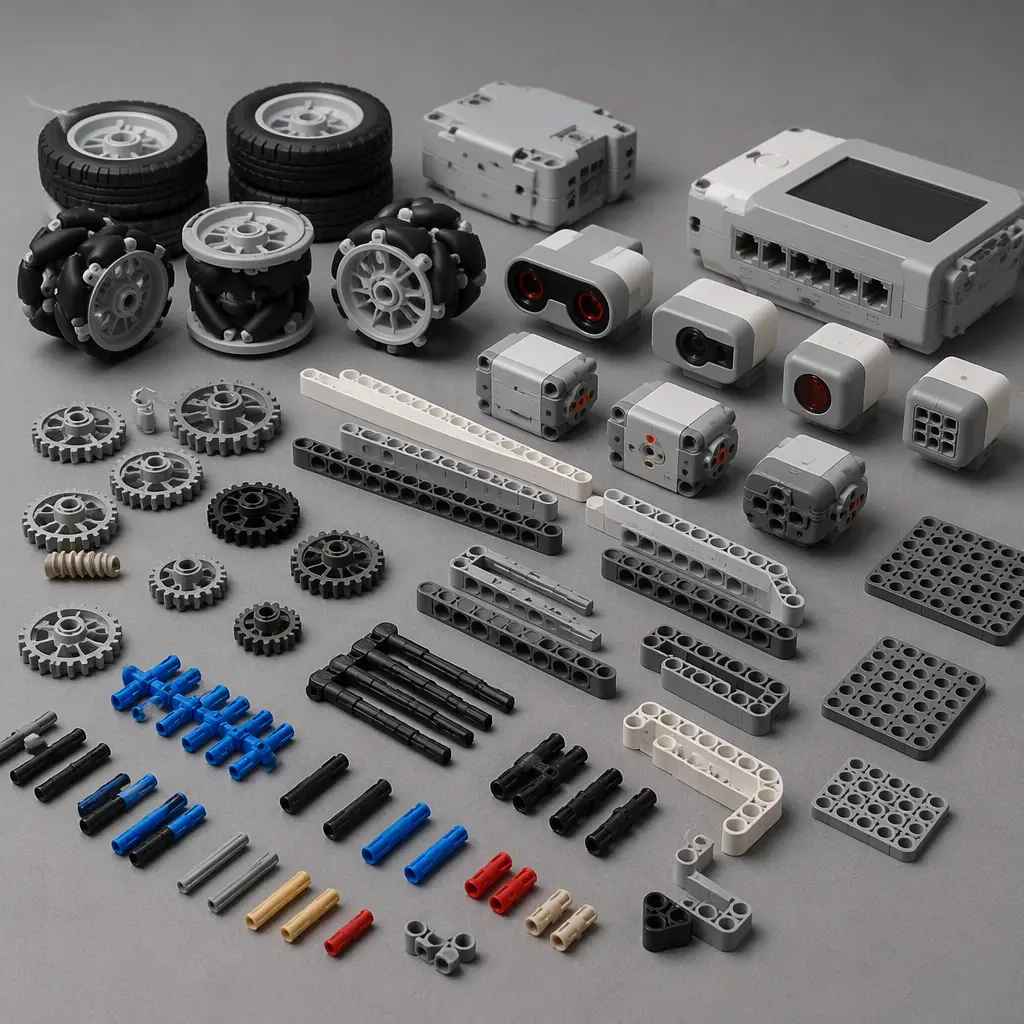
Modern VEX products are divided across several lines intended for different ages and experience levels. Some focus on beginner-friendly construction with simplified connectors and visual coding systems, while others move closer to competition-grade robotics with advanced programming options and more durable hardware. Schools often use classroom-oriented sets that prioritize group activities and curriculum support, while home users may prefer smaller kits centered on experimentation and creativity.
Buyers today should pay attention to compatibility and intended age range. Robotics kits can vary significantly in complexity, and younger builders may become frustrated if a system assumes prior coding or mechanical experience. It is also worth checking whether replacement parts and software support remain active. Since robotics products evolve quickly, long-term usability matters more than novelty.
- Starter-oriented kits usually emphasize simple builds and guided projects
- Competition-style systems tend to include stronger structural parts and more advanced programming
- Coding options may range from visual drag-and-drop interfaces to text-based programming
- Look for broad parts compatibility if you expect to expand the system over time
- Very cheap imitation kits may use inconsistent dimensions or weak connectors that limit reliability
Frequently asked questions
Do kids need coding experience to start with VEX Robotics?
No. Many beginner systems use guided instructions and visual programming tools that introduce coding concepts gradually. Mechanical building often comes first, with programming added once users understand how the robot moves and responds.
Is VEX mainly a classroom product?
Classrooms remain a major part of the VEX audience, but many families and hobbyists use the kits at home. Organized competitions also encouraged independent teams, clubs, and garage-based projects outside school settings.
How durable are the parts?
Most VEX systems are designed for repeated assembly and disassembly, which gives them a more durable feel than many lightweight construction toys. Metal structural pieces in particular are intended to withstand ongoing experimentation and rebuilding.
What makes VEX different from ordinary building sets?
The emphasis on engineering systems sets it apart. Rather than focusing mainly on appearance, VEX encourages builders to think about movement, control, structural integrity, sensors, and problem-solving. The competitive side of the ecosystem also adds strategic goals that influence design choices.
Nearly two decades after its debut, VEX Robotics remains one of the clearest examples of educational toys evolving into a broader hobby culture. Its success came from treating young builders as capable problem-solvers instead of passive users. By combining construction, programming, and competition into one flexible platform, VEX helped make engineering feel less like an abstract school subject and more like something people could test with their own hands.