3Doodler Start and the Rise of Kid-Safe 3D Drawing
The 3Doodler Start turned the idea of 3D printing into a hands-on craft activity for kids, using low-heat plastic and open-ended building to bring invention to the kitchen table.
Compare prices and availability
Check current prices and availability for this guide on eBay.
As an eBay Partner, we may be compensated if you make a purchase.
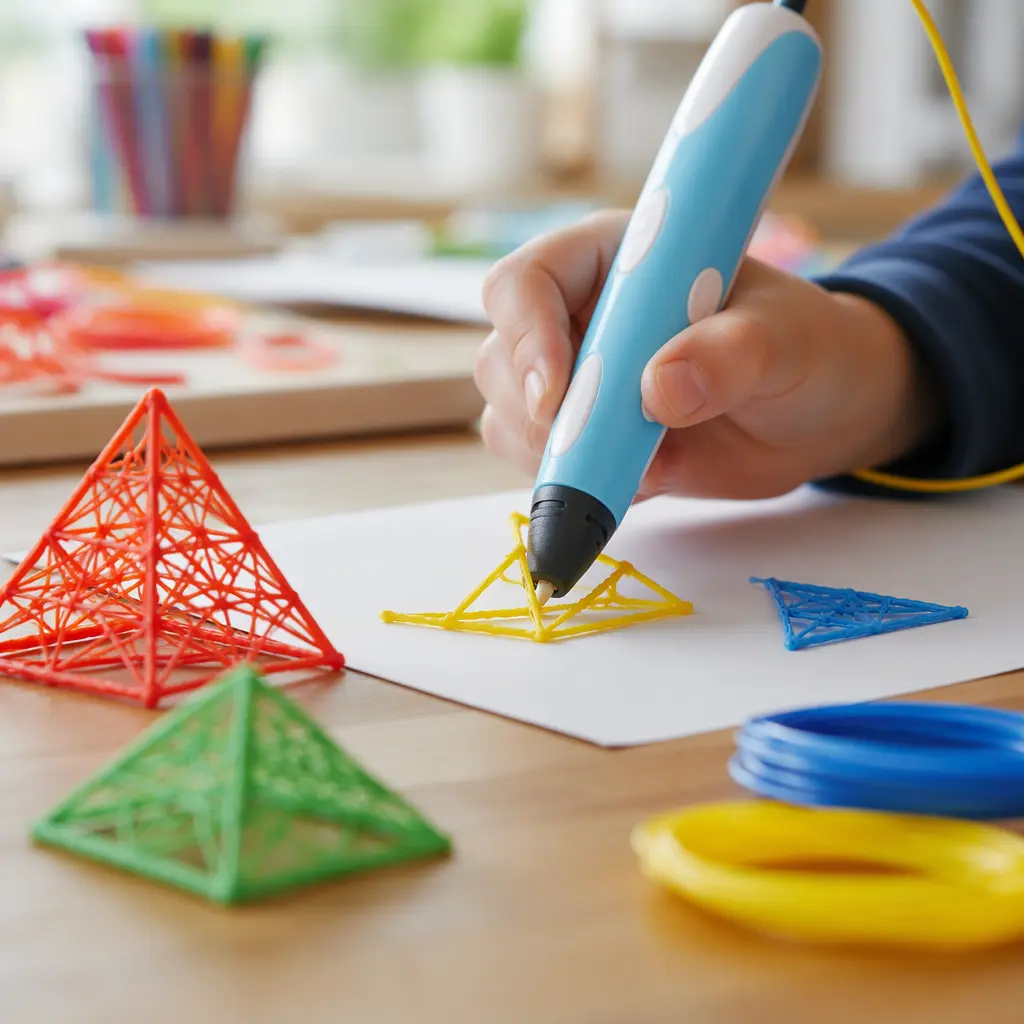
The 3Doodler Start arrived at a moment when 3D printing was becoming widely talked about but still felt out of reach for many families. Instead of requiring software, calibration, or a desktop machine, the toy-sized pen let children draw solid objects directly into the air using warm plastic filament. It blended craft play with engineering ideas in a way that felt immediate and approachable. For many kids, it was the first time technology associated with manufacturing became something they could hold in one hand at the kitchen table.
Where it came from
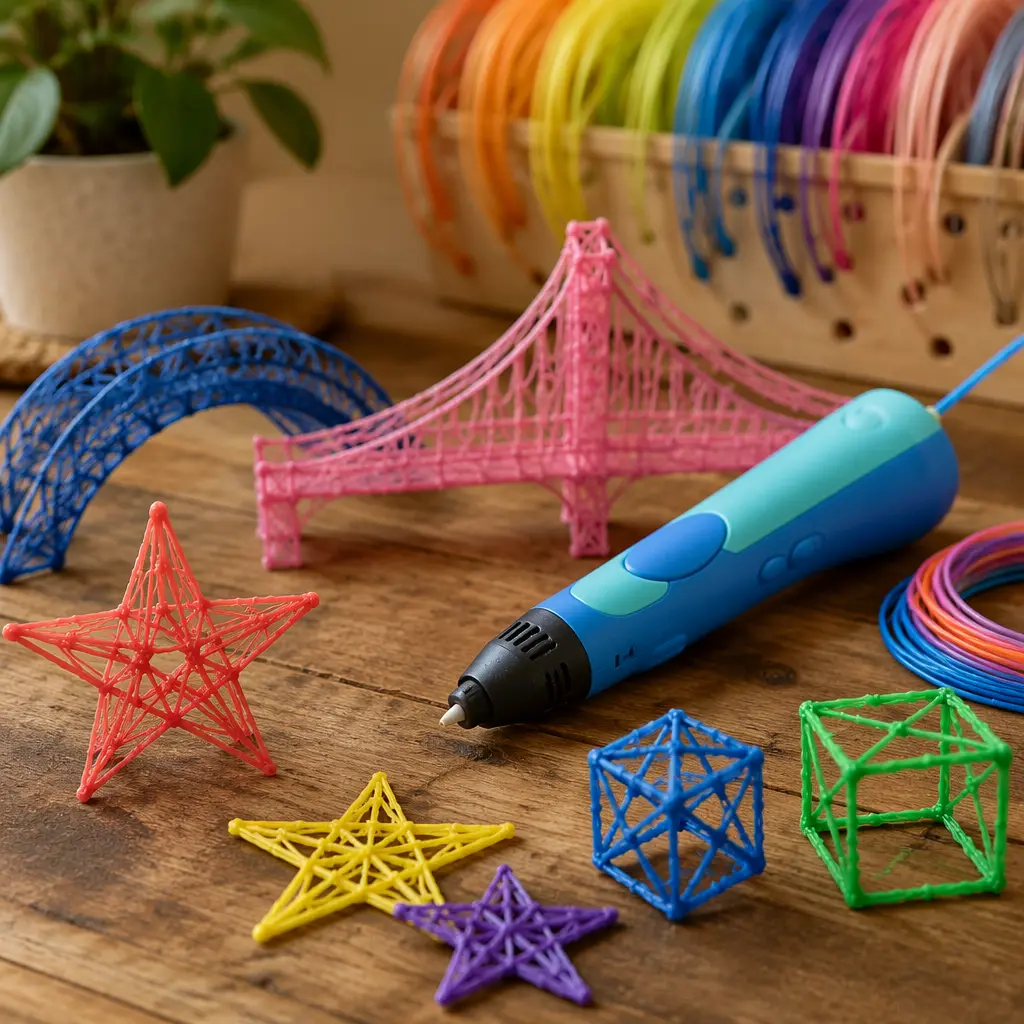
The original 3Doodler pen was introduced in the early 2010s during a wave of consumer excitement around desktop 3D printing. Early versions were aimed mostly at hobbyists and older users because they used hot plastic extrusion similar to full-size 3D printers. In 2015, the company introduced the 3Doodler Start, a redesigned version built specifically for children.
What separated the Start from earlier 3D pens was its emphasis on safety and accessibility. The pen used low-heat plastic that hardened quickly without exposing children to the high temperatures associated with standard 3D printer nozzles. The company also leaned heavily into educational positioning, connecting the toy to STEM learning, design thinking, and hands-on experimentation. Rather than replacing traditional crafts, it expanded them. Kids could decorate paper projects, build freestanding structures, or create moving pieces that combined drawing with simple construction.
Why it works
The appeal of the 3Doodler Start comes from how direct the experience feels. Traditional 3D printing usually involves planning on a screen first, then waiting for a machine to produce an object layer by layer. With a 3D pen, the action is immediate. A child presses a button, guides the pen, and watches a shape become solid in real time. That immediacy makes experimentation feel low-pressure. Mistakes become part of the process rather than something hidden in software settings.
The toy also succeeds because it sits between several categories at once. It is part arts-and-crafts kit, part construction toy, and part beginner engineering tool. Children can use stencils and templates if they want structure, or improvise freely with abstract designs. The resulting projects are often imperfect, but that roughness is part of the appeal. Unlike polished digital tools, the finished objects usually show the movement of the maker's hand.
- Low-heat plastic designed for younger users
- Open-ended building instead of fixed outcomes
- Works with templates or freehand creations
- Encourages spatial thinking and fine motor skills
- Portable format compared with desktop 3D printers
- Combines craft creativity with simple engineering ideas
Who it's for
The 3Doodler Start is primarily aimed at school-age children who enjoy drawing, crafting, or building toys. It tends to work best for kids patient enough to practice control and layering, since the learning curve can be uneven at first. Younger users often benefit from adult guidance during setup and cleanup. The toy has also found an audience among educators, makerspaces, and parents looking for screen-light creative activities. Adults sometimes use it for hobby crafting or quick prototypes, though experienced makers often move on to more advanced 3D pens or printers over time.
Variants and what to look for today
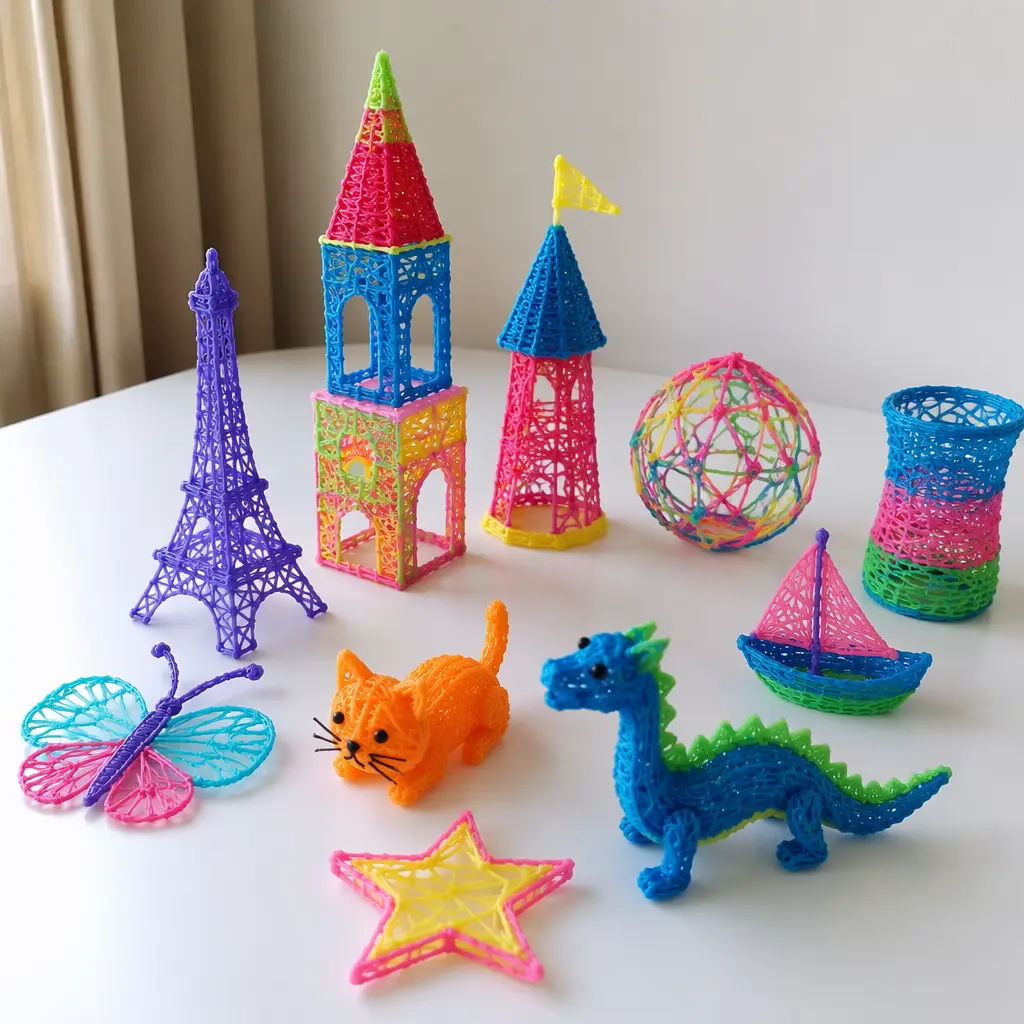
Since its introduction, the 3Doodler Start line has expanded into themed activity sets, classroom bundles, and accessory kits with additional plastic strands and project guides. Some versions focus on architecture or simple machines, while others lean toward decorative crafts and seasonal projects. The core idea, however, has stayed remarkably consistent: a low-heat pen that allows children to build solid shapes by drawing.
Families shopping today will find a crowded field of 3D pens inspired by the same concept. Some lower-cost alternatives prioritize novelty over reliability, which can lead to frequent jams or inconsistent plastic flow. Looking for easy-to-load filament systems and sturdy charging connections usually matters more than extra accessories. It is also worth checking whether refill materials are easy to find, since ongoing use depends heavily on a steady supply of compatible plastic strands.
- Starter kits with templates and project guides
- Classroom-oriented packs for group activities
- Portable rechargeable versions
- Accessory bundles with extra filament colors
- Beginner-focused kits emphasizing safety and ease of use
Frequently asked questions
Is the 3Doodler Start the same as a 3D printer?
Not exactly. A desktop 3D printer creates objects automatically from digital files, while the 3Doodler Start relies on hand control. It is closer to drawing or sculpting than automated printing, though both use plastic filament that hardens into solid forms.
What skills does it encourage?
The toy is often associated with spatial reasoning, hand-eye coordination, planning, and creative problem-solving. Many children naturally experiment with balance, structure, and layering while building projects, even when the activity begins as simple free play.
Does it require a computer or app?
No computer is necessary for basic use. That independence is part of the product's appeal, especially for families looking for tactile creative activities that do not revolve around screens or software.
How durable are the finished creations?
Small projects are usually lightweight but reasonably sturdy if the plastic layers are connected well. Thin designs can bend or snap under pressure, while thicker structures tend to hold up better during display or casual play.
The 3Doodler Start reflects a broader shift in modern toys toward creation rather than collection. Instead of offering a fixed character or scripted experience, it hands children a tool and asks what they can make with it. That approach helped the toy stand out in the crowded craft aisle. Years after its release, it remains one of the clearest examples of how maker culture and traditional hands-on play merged into a form young kids could actually use.