Baby Einstein Take Along Tunes: The gift that soothed a generation
A palm-sized music toy that played classical melodies became an unexpected baby-shower staple. Here’s how Take Along Tunes earned its reputation—and what parents should know today.
Compare prices and availability
Check current prices and availability for this guide on eBay.
As an eBay Partner, we may be compensated if you make a purchase.
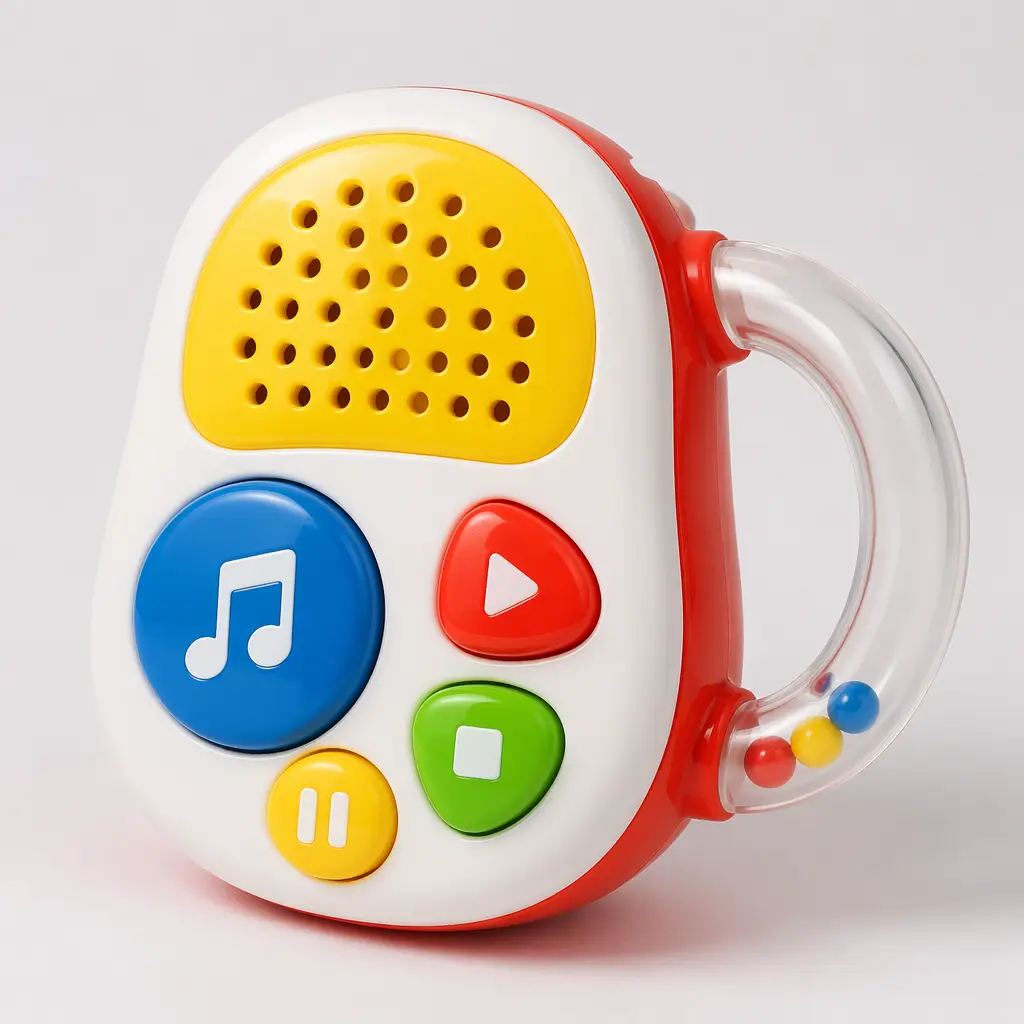
Long before smart toys and app-connected nurseries, one small plastic music player quietly took over baby registries. Baby Einstein Take Along Tunes wasn’t flashy, didn’t talk, and didn’t promise to teach your child calculus. It simply played short clips of classical music at the press of a button—and somehow became one of the most reliable baby gifts of the last few decades.
Where it came from
The Take Along Tunes player traces its roots to the late 1990s, when the Baby Einstein brand was gaining attention for its low-key approach to early childhood media. Founded in 1997, Baby Einstein positioned itself as an alternative to loud, frenetic baby entertainment, leaning instead on classical music, simple visuals, and a slower pace.
The idea behind Take Along Tunes was straightforward: give babies easy access to short pieces of classical music they could activate themselves. No screens, no voices, no complex instructions. It was designed as a portable companion—something that could clip to a stroller, sit beside a crib during supervised play, or travel easily between rooms.
Why it works
At its core, Take Along Tunes succeeds because it respects how babies actually play. Press a button, hear a sound. Press it again, hear something different. The cause-and-effect loop is immediate and satisfying, which is exactly what infants are wired to explore.
The music itself—short clips inspired by well-known classical pieces—offers variety without overstimulation. There’s no talking over the music and no requirement to "perform" correctly. Babies can simply listen, wiggle, or press buttons repeatedly, all at their own pace.
- Large, easy-to-press buttons sized for small hands
- Clear handle that doubles as a visual and tactile feature
- Short music clips that hold attention without overwhelming
- Simple on/off control that parents appreciate
- Durable plastic build meant to survive drops
Who it's for
Take Along Tunes is typically aimed at babies from around 3 months up, once they begin batting at objects and responding to sound. Younger infants can enjoy it during supervised tummy time, while older babies and young toddlers use it more intentionally, pressing buttons to replay favourite tunes.
There’s also a quiet adult appeal. Parents and caregivers often mention that the music is pleasant enough to hear repeatedly, especially compared with many electronic toys. It’s a rare baby item that feels designed with shared spaces—and adult ears—in mind.
Variants and what to look for today
Over the years, the basic Take Along Tunes formula has stayed remarkably consistent. Most versions stick to the same palm-sized shape, bright colours, and selection of classical melodies. Small updates have included refreshed colour palettes and minor tweaks to button layout or sound quality.
When shopping today, the main things to consider are build quality and volume balance. Well-made versions have buttons that respond easily without sticking and speakers that are clear but not harsh. As with many popular baby toys, there are generic music players on the market; while some are fine, others use tinny speakers or overly loud sound output.
Frequently asked questions
Is Take Along Tunes actually educational?
It’s best thought of as developmentally supportive rather than instructional. The toy encourages cause-and-effect learning, sensory exploration, and early exposure to music, without claiming to teach specific academic skills.
Does classical music matter for babies?
Babies respond to a wide range of sounds, and classical music isn’t magical on its own. That said, its variation in tempo and tone can be engaging without being overwhelming, which is why many parents appreciate it.
Is it too loud for infants?
Most versions are designed with baby-safe volume levels, but it’s always wise to test the sound yourself. If a toy feels loud to you at close range, it’s worth limiting play time or choosing another option.
Why has it stayed popular for so long?
Its longevity comes from restraint. By doing one simple thing well—playing pleasant music on demand—it avoided dating itself and remained useful even as trends in baby gear changed.
In a market crowded with screens and smart features, Baby Einstein Take Along Tunes endures as a reminder that simple doesn’t mean boring. For many families, it’s a first music player, a stroller companion, and a small but memorable part of early childhood.