Beanie Babies: How plush toys became a 1990s collecting craze
In the 1990s, Beanie Babies turned simple plush animals into a lesson in scarcity, hype, and collecting. This profile looks at where they came from, why they worked, and what remains today.
Compare prices and availability
Check current prices and availability for this guide on eBay.
As an eBay Partner, we may be compensated if you make a purchase.
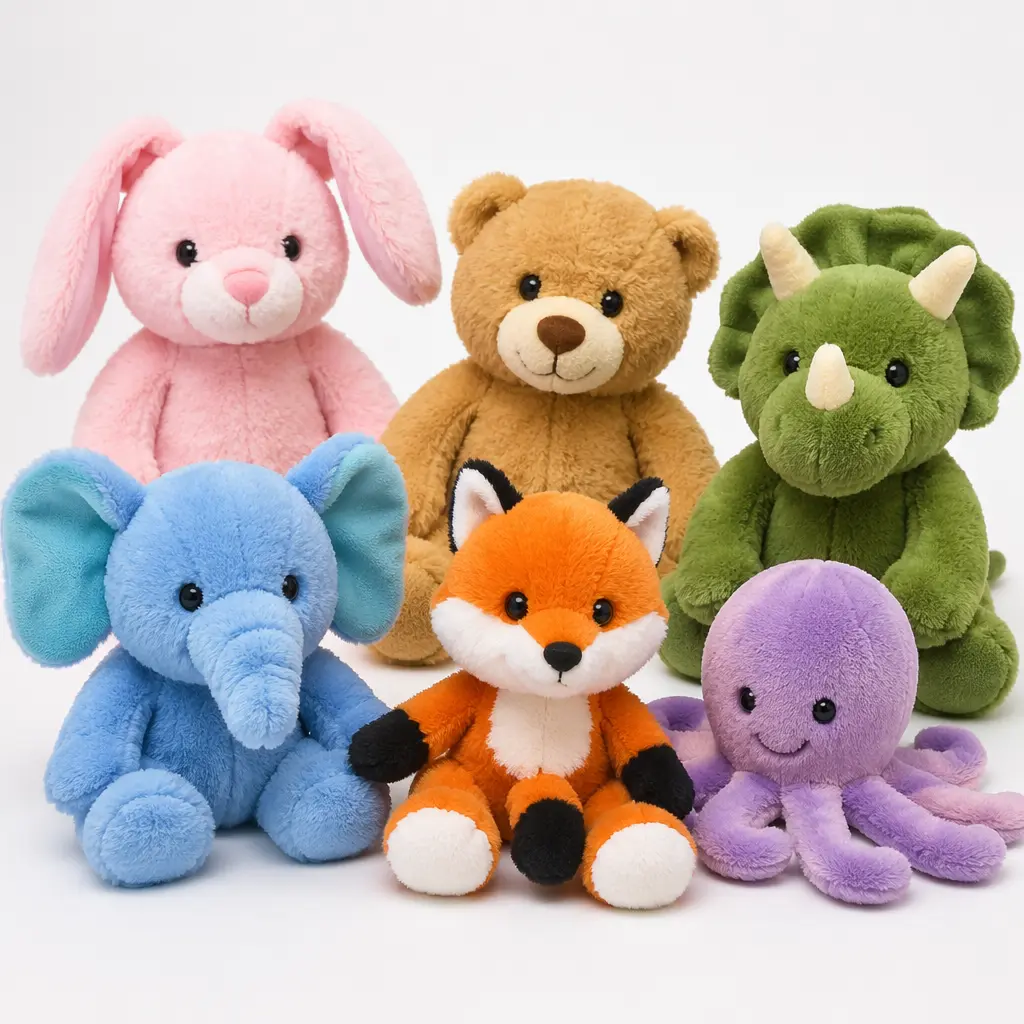
Beanie Babies are remembered less as toys and more as a moment. In the mid to late 1990s, these small, floppy plush animals escaped the toy aisle and landed in display cases, office desks, and collectors’ binders. They were inexpensive, cute, and deliberately scarce — a combination that helped turn everyday shopping trips into treasure hunts and made Beanie Babies a defining symbol of 1990s toy culture.
Where it came from
Beanie Babies were introduced in 1993 by Ty Inc., a company founded by Ty Warner. At the time, most plush toys were stiff, overstuffed, and designed to sit upright. Beanie Babies were different. They were lightly filled with plastic pellets — or “beans” — which made them soft, flexible, and poseable in a way that felt more lifelike.
Originally, they were meant to be simple, affordable toys sold in small gift shops rather than big-box stores. That distribution choice, combined with limited production runs and frequent retirements of designs, laid the groundwork for what followed. By the mid-1990s, adults were lining up outside shops, sharing rumors online, and treating plush animals like investment pieces.
Why it works
At their core, Beanie Babies succeed because they are approachable. They’re small enough to hold in one hand, soft enough to feel comforting, and varied enough to invite collecting. Each animal had its own name, birthday, and short poem, giving even simple designs a sense of personality.
The collecting aspect was no accident. Ty Inc. leaned into scarcity and rotation, encouraging the idea that today’s plush toy might be gone tomorrow. That sense of urgency — combined with a low entry price — made it easy for people to justify “just one more.”
- Small, bean-filled bodies that feel soft and flexible
- Simple animal designs that appeal across ages
- Individual names and backstories for each character
- Intentional scarcity through retired designs
- Affordable pricing that encouraged collecting
Who it’s for
Beanie Babies were marketed as children’s toys, but their biggest audience quickly became adults. For kids, they worked as cuddly playthings and imaginative companions. For adults, they offered nostalgia, completion goals, and the thrill of the hunt. Even today, they appeal to a mix of parents sharing a piece of their childhood and collectors interested in 1990s pop culture.
Variants and what to look for today
Over the years, Beanie Babies expanded into hundreds of animal designs, seasonal releases, and themed lines. While the speculative bubble of the 1990s has long since burst, the toys themselves are still widely available, both as originals and as modern reissues.
If you’re looking today, focus on condition and authenticity rather than imagined future value. Original Beanie Babies are defined more by their feel and design than by rarity myths. Modern versions often use similar shapes and materials but may feel slightly different due to updated manufacturing standards.
Frequently asked questions
Are Beanie Babies still valuable?
Most Beanie Babies are no longer worth large sums of money. While a few rare examples can command higher prices, the vast majority trade for modest amounts. Today, their value is more nostalgic than financial.
What made them different from other plush toys?
Their bean-filled construction made them softer and more poseable than traditional plush toys. Combined with individual names and limited releases, they stood apart from mass-produced stuffed animals.
Are modern Beanie Babies the same as the originals?
Modern versions keep the same basic idea but may use different fabrics or pellet materials. They’re designed more as toys than collectibles, reflecting how the market has changed.
Are Beanie Babies safe for young children?
Generally yes, but parents should always check age recommendations and remove any tags or small attachments before giving them to toddlers.
Looking back, Beanie Babies represent a rare moment when a simple toy became a cultural event. They didn’t rely on screens, licenses, or complex mechanics — just soft fabric, clever marketing, and human psychology. As toys, they’re charming. As history, they’re a reminder of how quickly playthings can take on a life of their own.