Big Jim: The 1970s action figure built for adventure play
Mattel’s Big Jim line mixed sports gear, spy gadgets, and rugged adventure themes into a flexible action figure that helped shape the modern action-hero toy aisle.
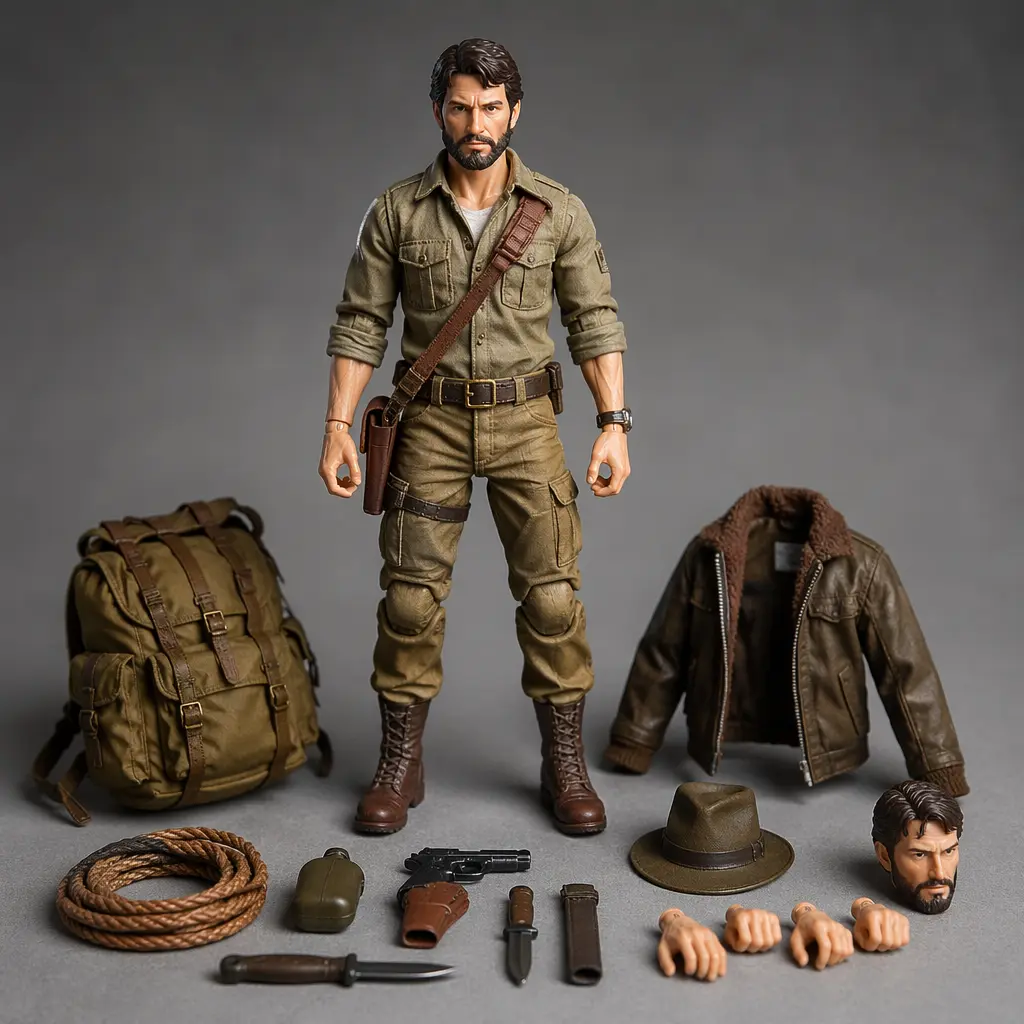
Compare prices and availability
Check current prices and availability for this guide on eBay.
As an eBay Partner, we may be compensated if you make a purchase.
Big Jim arrived at a moment when the toy industry was still deciding what an action figure could be. Released by Mattel in the early 1970s, the line blended elements of dolls, sports toys, and adventure play into a broad fantasy world that appealed to children who wanted something more active and story-driven than traditional fashion dolls. Big Jim figures could climb, camp, box, dive, spy, and explore, often all within the same toy chest. That mix of realism and imagination helped the line stand out during a decade when action-oriented play was rapidly evolving.
Where it came from
Big Jim debuted in 1971 under Mattel, arriving after the success of larger articulated action figures in the 1960s. The company wanted a toy that captured active, masculine adventure themes without leaning fully into military roleplay. Instead of presenting a soldier alone, Big Jim was positioned as an all-around outdoorsman and athlete who could take on different identities depending on the accessories packed with him.
The original figures used a muscular but approachable body design with bendable limbs and spring-loaded action features. Early versions emphasized sports and survival activities, but the line expanded quickly into spy missions, science-fiction adventures, jungle expeditions, and monster-fighting stories. By the mid-1970s, Big Jim had effectively become a flexible adventure universe rather than a single character. That broad identity helped Mattel market the line internationally, where it developed especially strong followings in parts of Europe and South America.
Why it works
One reason Big Jim endured is that the toys encouraged physical interaction in ways many earlier dolls did not. The figures were designed to punch, grip accessories, bend at the joints, and pose dynamically. Some included action mechanisms activated by pressing the back or arm, creating a more kinetic style of play. Children could stage sporting events one day and secret-agent missions the next without needing an entirely different toy system.
The design also struck a balance between realism and fantasy. Big Jim looked more like an athletic adult than a comic-book superhero, yet the accessories and storylines opened the door to imaginative play. As the toy line evolved, Mattel introduced companions, villains, vehicles, animals, and themed environments that expanded the sense of adventure without abandoning the core figure format.
- Articulated limbs designed for active posing
- Adventure themes ranging from sports to espionage
- Interchangeable accessories and gear
- Spring-action features on many figures
- Expandable world with vehicles, camps, and villains
Who it's for
Originally, Big Jim targeted school-age children who wanted more movement and action than many dolls offered at the time. Today, the line attracts several audiences at once. Vintage toy collectors appreciate the unusual place Big Jim occupies between classic dolls and later action-hero figures. Parents and grandparents often recognize it as a distinctly 1970s toy with a less combat-focused tone than some military-themed competitors. Younger collectors may be drawn to the retro styling, bold packaging art, and oversized accessories that feel very different from modern compact action figures.
Variants and what to look for today
Because Big Jim evolved over nearly a decade, there is wide variation between early and later releases. Some collectors prefer the original sports-and-adventure figures, while others seek the more elaborate spy and science-fiction sets introduced later in the 1970s. International releases can differ noticeably in accessories, packaging colors, and character names, which adds another layer of interest for longtime fans.
Condition matters with vintage figures. Rubberized body parts, joints, and internal action mechanisms may weaken over time, especially on heavily played-with examples. Accessories are often harder to find than the figures themselves because many small pieces were lost decades ago. Reproduction clothing and replacement parts exist, but collectors usually value complete original examples more highly.
- Check joint tightness and arm-action features
- Look for original accessories and clothing
- Inspect rubber parts for cracking or discoloration
- Be cautious of incomplete mixed-part figures
- Research international variations if collecting seriously
Frequently asked questions
Was Big Jim meant to compete with military action figures?
Partly, but Mattel gave the line a broader identity. While some later sets involved espionage or combat themes, the original concept focused heavily on sports, camping, exploration, and adventure activities.
Why do some Big Jim figures look different from others?
The line changed significantly over time. Early figures emphasized athletic realism, while later releases adopted more dramatic costumes, villains, fantasy themes, and science-fiction influences.
Are Big Jim figures rare today?
Loose figures are still fairly common in some collector markets, but complete sets with original accessories, vehicles, and packaging are harder to find. Certain international releases are especially sought after.
Did Big Jim influence later action figures?
The line helped normalize highly articulated adventure figures built around flexible storytelling rather than a single narrow theme. Its mix of accessories, vehicles, and character-driven play can be seen in many later toy lines.
Big Jim occupies an interesting place in toy history because it arrived during a transition period. It borrowed ideas from dolls, sports toys, and adventure figures, then combined them into something that pointed toward the modern action-figure aisle. Even decades later, the line stands out for its adaptability, energetic design, and willingness to let children invent their own version of heroism.