Brio Builder: Scandinavian Design Meets STEM Play
Brio Builder turned classic wooden toy craftsmanship into an approachable construction system, blending simple tools, open-ended engineering, and Scandinavian design for modern STEM-minded play.
Compare prices and availability
Check current prices and availability for this guide on eBay.
As an eBay Partner, we may be compensated if you make a purchase.
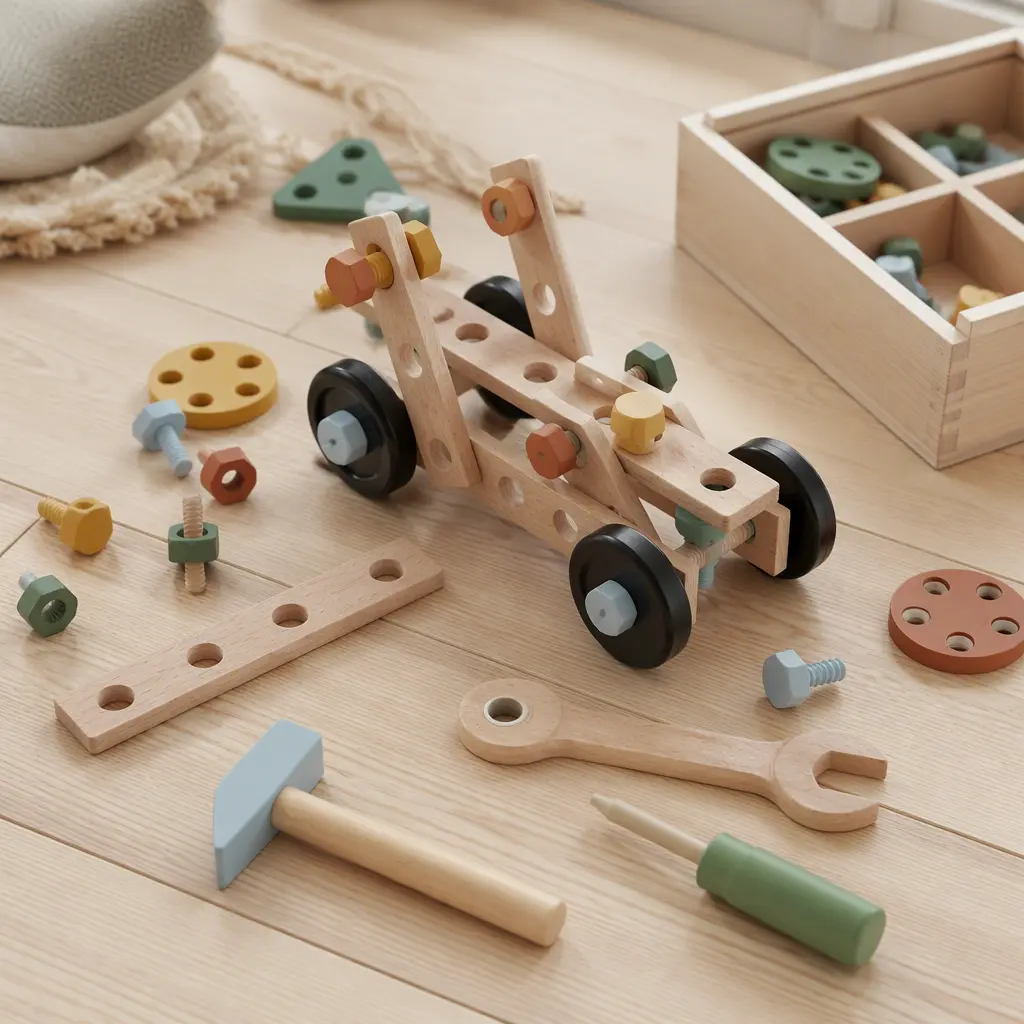
Brio Builder sits at an interesting crossroads in toy history. It borrows the hands-on logic of classic construction sets, keeps the warm materials and clean lines associated with Scandinavian toy design, and adds the tool-based experimentation now often grouped under STEM learning. Unlike highly themed building kits that guide children toward one finished object, Brio Builder encourages tinkering. Nuts, bolts, wooden beams, wheels, and simple tools become the raw ingredients for cranes, vehicles, robots, or entirely abstract inventions. That open-ended quality is a major reason the line has remained relevant in an era dominated by screens and licensed entertainment.
Where it came from
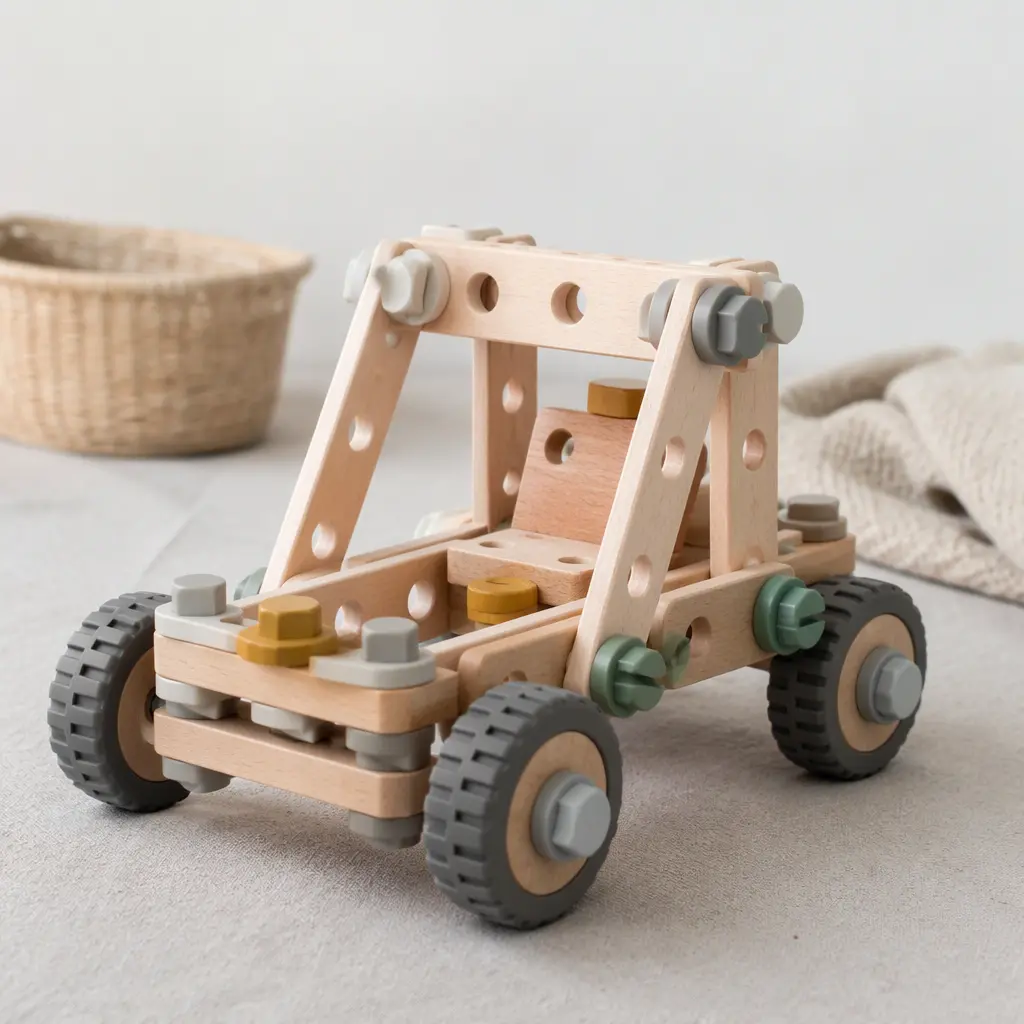
The Brio brand traces its roots to Sweden in the late nineteenth century, long before the Builder line appeared. Brio became widely known for durable wooden toys, especially trains and pull-along playthings designed with simplicity and longevity in mind. That Scandinavian approach favored clean shapes, practical function, and materials meant to survive years of handling rather than short-lived novelty. When construction-focused toy lines expanded during the twentieth century, Brio eventually adapted its design language to fit the category.
Brio Builder emerged as a way to combine traditional craftsmanship with more active problem-solving play. Instead of relying entirely on plastic snap systems, the sets introduced child-friendly tools, mechanical fasteners, and mixed materials including wood and metal. The idea was not just to stack or clip pieces together but to teach children how components connect structurally. Turning screws, aligning holes, balancing weight, and testing moving parts gave the toy a practical engineering flavor while still feeling approachable for younger builders.
Why it works
Part of the appeal of Brio Builder is that it slows construction play down in a useful way. Modern toy kits often prioritize speed and spectacle, but Builder rewards patience and experimentation. Children physically tighten bolts, adjust angles, and rebuild unstable structures. That process creates a clearer relationship between cause and effect than many magnetic or snap-fit systems. A wheel that wobbles or a crane arm that collapses becomes part of the learning experience rather than a failure state.
The design also reflects the broader Scandinavian toy philosophy of leaving room for imagination. Pieces are intentionally versatile rather than heavily specialized. A beam can become part of a truck, a bridge, or a creature with moving limbs. The restrained color palette found in many Builder sets helps keep the focus on shape and mechanics instead of character branding. Adults often appreciate that the toys look relatively calm and uncluttered in shared living spaces, especially compared with louder plastic alternatives.
- Wood-and-metal construction pieces that feel durable and tactile
- Child-safe tools that introduce basic mechanical skills
- Open-ended building without a single required outcome
- Moving parts such as wheels, hinges, and rotating connectors
- Compatibility with imaginative free play as well as structured challenges
Who it's for
Brio Builder is generally aimed at children who are ready for more deliberate assembly play, often around early elementary-school ages and up depending on the complexity of the set. Younger children can participate with supervision, especially when sorting pieces or helping with simple fastening tasks. Older children tend to get more out of designing moving creations and solving structural problems independently. The line also attracts adults who appreciate Scandinavian design or who want a construction toy that feels less tied to screens, franchises, or collectible culture. In classrooms and family spaces, the sets are frequently used as a bridge between imaginative play and introductory engineering concepts.
Variants and what to look for today
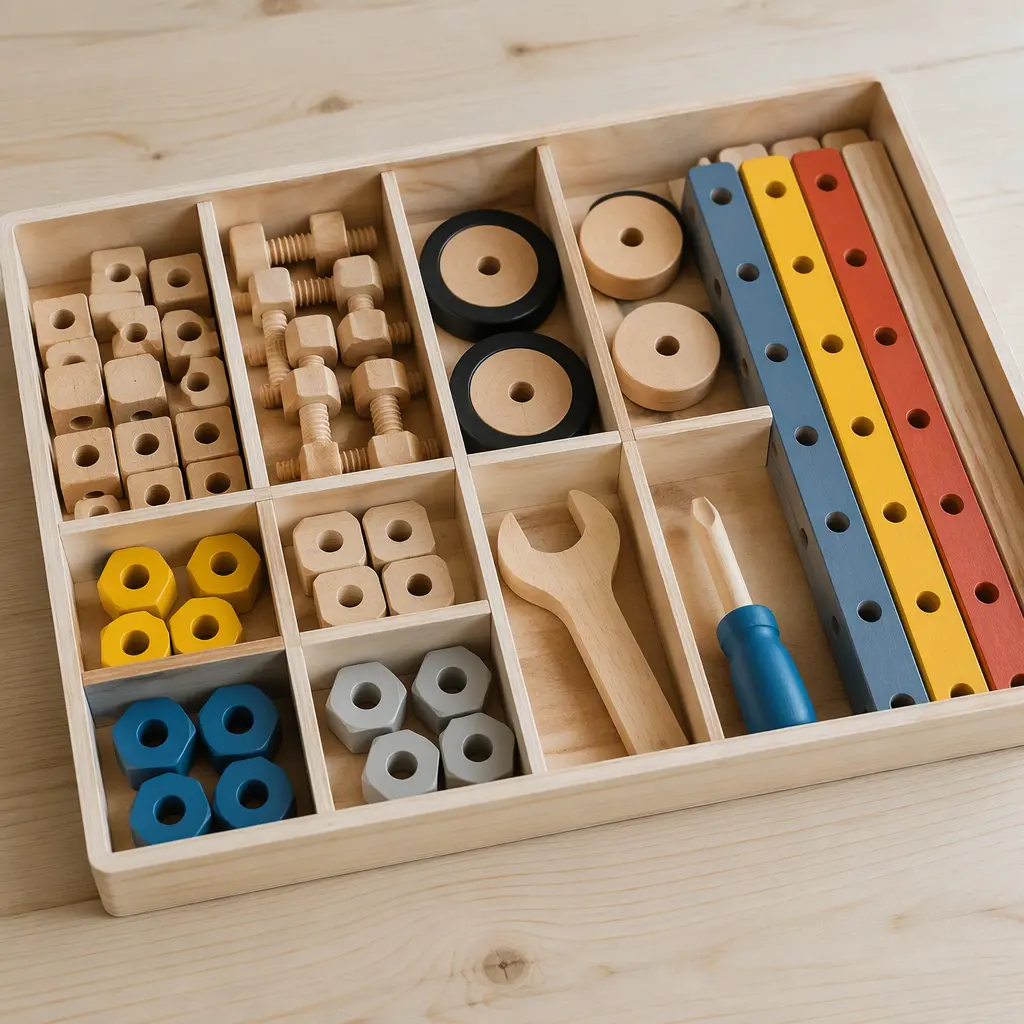
Modern Brio Builder sets range from small starter kits to larger collections with motors, advanced connectors, or themed building suggestions. Some focus on vehicles and machines, while others emphasize free-form experimentation. Even with these additions, the core identity remains recognizable: sturdy components, simple tools, and modular construction. Buyers today will also notice that newer sets often lean more directly into STEM language, reflecting how educational marketing has evolved over the past decade.
When shopping for Brio Builder, it helps to pay attention to material quality and the balance between guided and open-ended play. Larger sets can offer more flexibility because children are less constrained by part counts. Families buying secondhand should check that bolts, connectors, and tools are complete, since missing fastening pieces can limit what the set can build. Generic construction kits inspired by the same concept can be less durable, particularly if connectors strip easily or wooden pieces splinter after repeated use.
- Starter sets are useful for younger builders learning basic assembly
- Larger mixed-piece sets allow more imaginative engineering projects
- Motorized elements add movement but also increase complexity
- Secondhand sets should be checked for missing bolts and worn connectors
- Look for smooth finishes and sturdy tools that fit comfortably in small hands
Frequently asked questions
Is Brio Builder mainly a wooden toy?
The line combines wood with metal and plastic components. Wooden beams give the sets their distinctive look and feel, while metal fasteners and connectors provide strength and movement. That mix helps Builder feel more mechanical than purely wooden stacking toys.
Does it count as a STEM toy?
Many parents and educators group Brio Builder under STEM play because it introduces basic engineering concepts through hands-on experimentation. Children learn about balance, motion, fastening, and structural design while building and rebuilding their creations.
Are the tools safe for children?
The included tools are designed for toy use, with rounded edges and simplified handling compared with real workshop tools. Adult supervision is still important for younger children, especially because sets include small connectors and moving parts.
Can different Builder sets be combined?
In most cases, yes. One of the strengths of the system is its modular approach. Expanding with additional sets usually increases creative possibilities rather than replacing older kits, which helps extend the toy's lifespan over time.
Brio Builder has endured because it translates big ideas about design and engineering into something tactile and approachable. The sets avoid overcomplication without feeling simplistic, and they encourage experimentation instead of chasing perfect results. In a toy market crowded with digital tie-ins and highly scripted experiences, that balance of craftsmanship, creativity, and practical learning still stands out.