ChatGPT Barbie and the New Debate Around Talking Toys
Mattel’s planned AI-powered Barbie partnership points to a new generation of conversational toys, raising questions about voice data, cloud dependence, privacy controls, and what children should expect from AI play.
Compare prices and availability
Check current prices and availability for this guide on eBay.
As an eBay Partner, we may be compensated if you make a purchase.
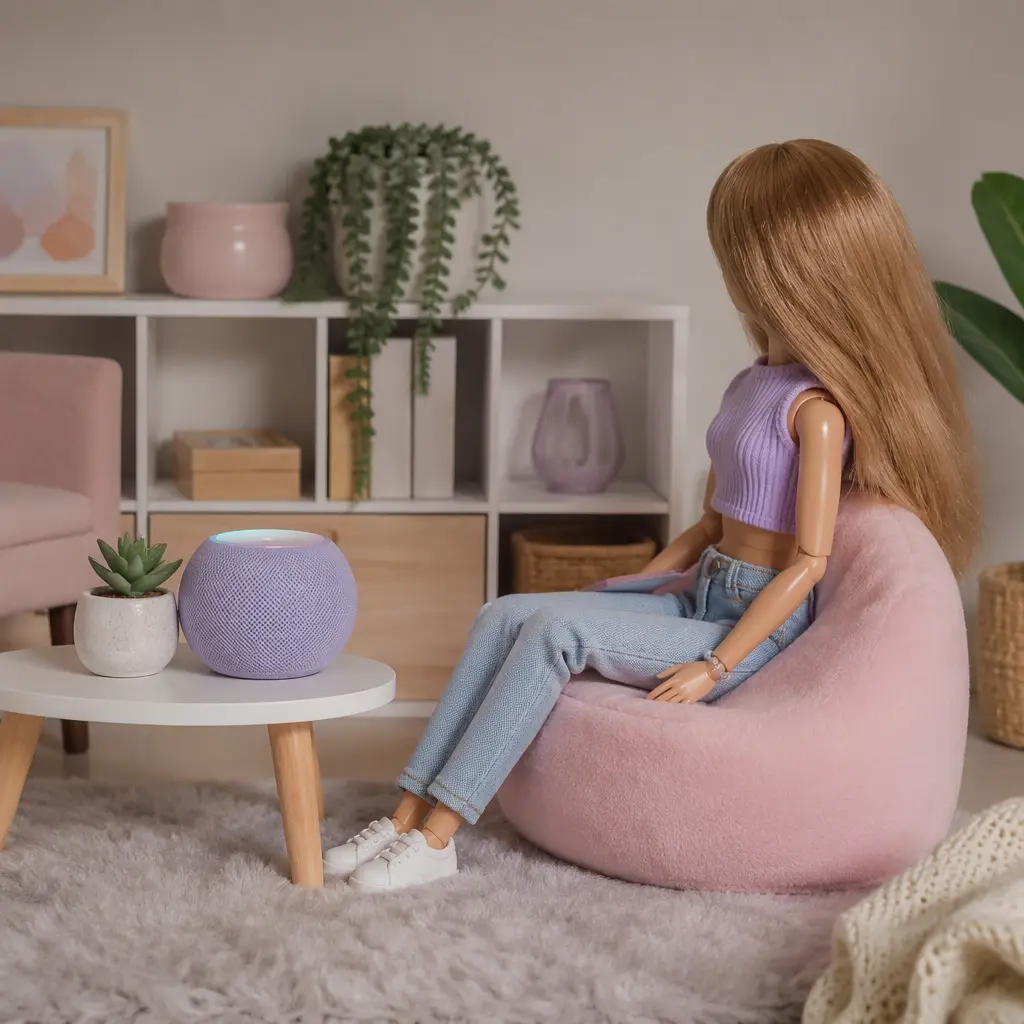
Barbie has spent decades adapting to changing ideas about play, from astronaut and doctor storylines to movie tie-ins and digital apps. A planned partnership between Mattel and OpenAI, widely discussed in 2025, suggests another shift: conversational toys shaped by generative AI. The idea of an AI-powered Barbie immediately stands out because it combines one of the world’s best-known toy brands with technology designed to hold open-ended conversations rather than deliver a fixed set of scripted phrases. That creates excitement for more interactive storytelling, but it also raises practical questions for parents about microphones, cloud processing, moderation, privacy settings, and how much emotional realism belongs in a children’s toy.
Where it came from
Barbie first appeared in 1959 as a fashion doll intended to encourage imaginative roleplay through careers, outfits, and storytelling. Over the decades, Mattel expanded the brand into animation, games, smart accessories, and app-connected products. Talking Barbie dolls are not new either. Earlier electronic versions used prerecorded dialogue, pull-string phrases, or limited-response voice systems that reacted to buttons and simple prompts rather than generating unique conversations.
The newer AI discussion is different because generative systems can respond dynamically. Public reporting around the Mattel and OpenAI partnership in 2025 described plans to explore AI-enhanced products, including experiences tied to brands such as Barbie. At the time of discussion, details about specific retail products, release schedules, and technical features remained limited. Even without a finalized toy on shelves, the announcement became part of a larger conversation about connected toys and whether children should interact with systems that can simulate natural conversation in a more flexible way than older electronic dolls.
Why it works
Barbie has always depended on open-ended play. A doll becomes a character, a narrator, a friend, or the center of a made-up world depending on the child using it. Generative AI potentially fits that format because it can support improvisation instead of repeating the same small collection of lines. In theory, an AI Barbie could answer questions, help build stories, react to roleplay scenarios, or guide games that evolve over time.
That flexibility is also what makes these products more complicated than earlier talking toys. Traditional electronic dolls generally worked offline with predictable responses. AI-powered systems often rely on cloud processing, ongoing software updates, and moderation tools intended to filter unsafe or inappropriate outputs. Parents looking at any future conversational Barbie product would likely want clear information about how voice recordings are handled, whether audio is stored, whether parental controls exist, and what happens if internet access is unavailable.
- Potential for more open-ended storytelling instead of fixed prerecorded phrases
- Possible reliance on microphones, apps, wireless connections, or cloud services
- Moderation systems may shape or limit conversations differently from scripted toys
- Play value could change over time through software updates or changing AI models
- Offline functionality may be more limited than with traditional electronic dolls
Who it's for
If AI-powered Barbie products reach stores, they will likely appeal to families already comfortable with connected devices and voice assistants. Younger children may enjoy the novelty of conversational play, while older kids could use the toy for storytelling, roleplay, or creative prompts. Adult collectors and technology watchers are also paying attention because Barbie often reflects broader trends in entertainment and consumer tech. Age suitability will depend heavily on the final implementation, including reading requirements, app setup, moderation systems, and whether conversations are designed primarily for preschoolers, elementary-age children, or older users.
Variants and what to look for today
Because the partnership discussion is still relatively new, there is no single established “ChatGPT Barbie” format defining the category. Families interested in conversational toys today are more likely to encounter a mix of products: classic talking dolls with prerecorded audio, app-connected dolls with limited responses, and broader AI companions designed around text or voice chat. The differences matter because not every connected toy actually uses generative AI.
One of the biggest distinctions is whether the toy creates original responses in real time or simply selects from a scripted library. Generative AI systems can feel more natural, but they also introduce more uncertainty around moderation and reliability. Parents may also want to confirm whether setup requires a smartphone app, a subscription, or a permanent internet connection. Regional support can matter too, since cloud features and voice services are not always available in every country or language.
- Check whether conversations are generative AI or scripted responses
- Look for transparent privacy and parental-control policies
- Confirm device compatibility if an app or wireless setup is required
- Expect connected features to depend on software support over time
- Be cautious around unofficial third-party listings that promise unsupported AI features
Frequently asked questions
Is ChatGPT Barbie a confirmed retail toy?
Public reporting in 2025 focused on a partnership between Mattel and OpenAI to explore AI-powered products and experiences. Specific consumer products, launch timing, and technical details were still limited at the time of discussion.
Would an AI Barbie work without the internet?
That depends on the final design. Many generative AI systems rely on cloud processing, meaning internet access may be necessary for advanced conversations. Some toys may still include basic offline features or prerecorded interactions.
How is this different from older talking dolls?
Older talking dolls generally used fixed recordings or simple programmed responses. Generative AI systems are designed to produce flexible replies in real time, which can make conversations feel less repetitive but also more unpredictable.
What should parents pay attention to?
Privacy policies, microphone use, parental controls, moderation systems, data handling practices, and ongoing app support are all important considerations. Families may also want to think about how emotionally conversational a toy should be for younger children.
Whether AI Barbie becomes a major toy line or remains a limited experiment, the discussion around it already says something important about the direction of the toy industry. Connected toys are moving away from simple sound effects and toward systems that can improvise, respond, and adapt. Barbie is a natural platform for that shift because the brand has always centered on imagination and social storytelling. The challenge for manufacturers will be balancing creativity and novelty with transparency, privacy protections, and realistic expectations about what conversational AI should do in a child-focused product.