G.I. Joe: The toy that turned dolls into action figures
Launched in 1964, G.I. Joe reframed dolls as “action figures,” opening imaginative play to boys and reshaping the toy industry for decades.
Compare prices and availability
Check current prices and availability for this guide on eBay.
As an eBay Partner, we may be compensated if you make a purchase.
G.I. Joe didn’t just introduce a new toy in 1964—it introduced a new idea. By calling it an “action figure” instead of a doll, Hasbro sidestepped cultural expectations and invited boys into a style of imaginative, character-driven play that had largely been marketed to girls. The result was a toy that felt grown-up, heroic, and endlessly adaptable, and one that would go on to influence generations of figures that followed.
Where it came from
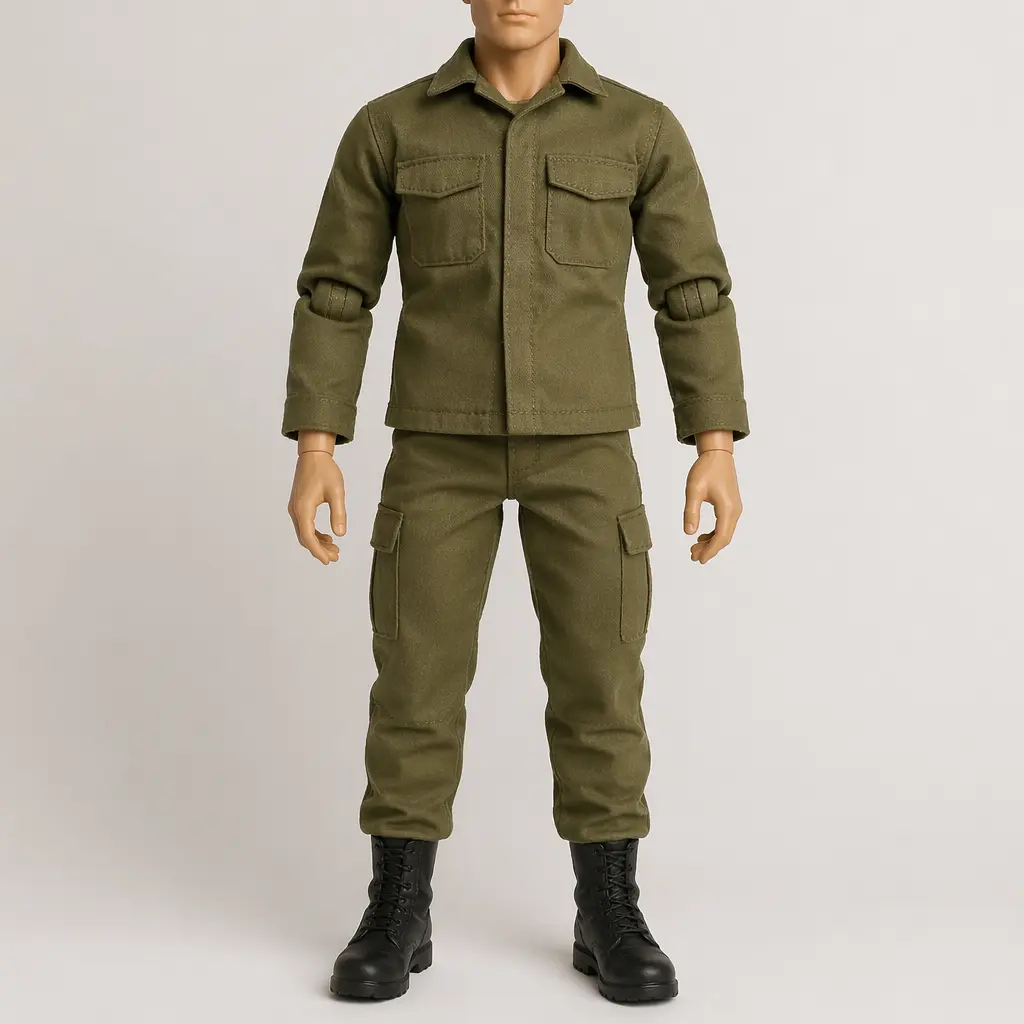
G.I. Joe debuted in 1964, created by Hasbro during a period when toys were becoming more tightly segmented by gender. The name drew on a long-standing American slang term for a generic soldier, and the original figures represented branches of the U.S. military. At 12 inches tall, they were closer in scale to fashion dolls than to the small figures common at the time.
The original purpose was simple but bold: give boys a figure they could project stories onto, complete with uniforms, equipment, and roles. Early G.I. Joe figures weren’t fantasy superheroes—they were representations of real-world jobs and ideals, emphasizing skill, preparedness, and adventure. That grounded approach helped parents understand the appeal and made the toy feel educational as well as entertaining.
Why it works
At its core, G.I. Joe succeeds because it balances structure with freedom. The figure has a defined identity, but not a fixed story. Children can reenact historical scenarios one day and invent entirely new missions the next. The scale is large enough to handle easily, while still detailed enough to feel realistic.
- Highly articulated body that encouraged posing and role-play
- Interchangeable outfits and gear that expanded play possibilities
- Neutral facial expressions that allowed kids to imagine personalities
- Durable construction suited to long, physical play sessions
Just as important was the language around the toy. Calling it an action figure reframed expectations, making imaginative play feel active and purposeful. That bit of marketing insight became an industry standard, and the term is still used today.
Who it’s for
Originally aimed at boys aged around 5 to 12, G.I. Joe’s appeal has always stretched beyond its target age range. Younger children enjoy the hands-on play and accessories, while older kids gravitate toward the collecting and customization aspects. Adults, meanwhile, often approach G.I. Joe through nostalgia, appreciating it as a piece of cultural history or a reminder of how they once played.
Variants and what to look for today
Over the decades, G.I. Joe has appeared in multiple sizes and styles, from the original 12-inch figures to smaller, more compact versions introduced later. Themes expanded beyond traditional military roles into adventure, science fiction, and fantasy, reflecting changing tastes and sensibilities.
If you’re considering one today—either for play or display—focus on build quality and articulation. Modern reproductions and inspired figures often use updated materials that hold up better to frequent handling. Be cautious of very cheap imitations that may have stiff joints or poorly fitted accessories, which can limit play and frustrate younger children.
Frequently asked questions
Why wasn’t G.I. Joe called a doll?
At the time of its release, dolls were widely seen as toys for girls. The term “action figure” was coined to make the concept more appealing to boys and parents, emphasizing movement and adventure rather than caretaking play.
Is G.I. Joe still relevant today?
Yes. While the original figures are now collectibles, the core idea—open-ended, character-based play—remains influential. Many modern action figures trace their design philosophy back to G.I. Joe.
What age is appropriate for classic-style figures?
Larger figures are generally suitable for children aged 5 and up, depending on the size of accessories. Older kids and adults often enjoy them primarily for display or collecting.
Do modern versions encourage imaginative play?
They can. Even with more detailed backstories, the figures still support open-ended play, especially when paired with accessories or playsets that invite storytelling.
More than 60 years on, G.I. Joe stands as a turning point in toy history. By redefining what a doll could be—and who it could be for—it expanded the boundaries of imaginative play. Whether remembered as a childhood companion or discovered anew, its influence is still felt every time a child picks up an action figure and invents a world around it.