Glo Worm: How a soft glow became a bedtime ritual
First released in 1982, Glo Worm turned a simple plush into a calming bedtime companion, using gentle light and routine to help a generation of children wind down at night.
Compare prices and availability
Check current prices and availability for this guide on eBay.
As an eBay Partner, we may be compensated if you make a purchase.
For many parents of the 1980s and 1990s, bedtime didn’t begin with an app or a playlist. It began with a soft squeeze and a gentle glow. Glo Worm was not loud, clever, or flashy. It was quiet, warm, and reassuring—qualities that turned it into a nightly ritual rather than just another stuffed animal.
Where it came from
Glo Worm was introduced in 1982 by Hasbro’s Playskool division, at a time when toy makers were paying closer attention to early childhood development and emotional comfort. Rather than focusing on action or learning milestones, Glo Worm was designed to support a daily transition: the move from active day to restful night.
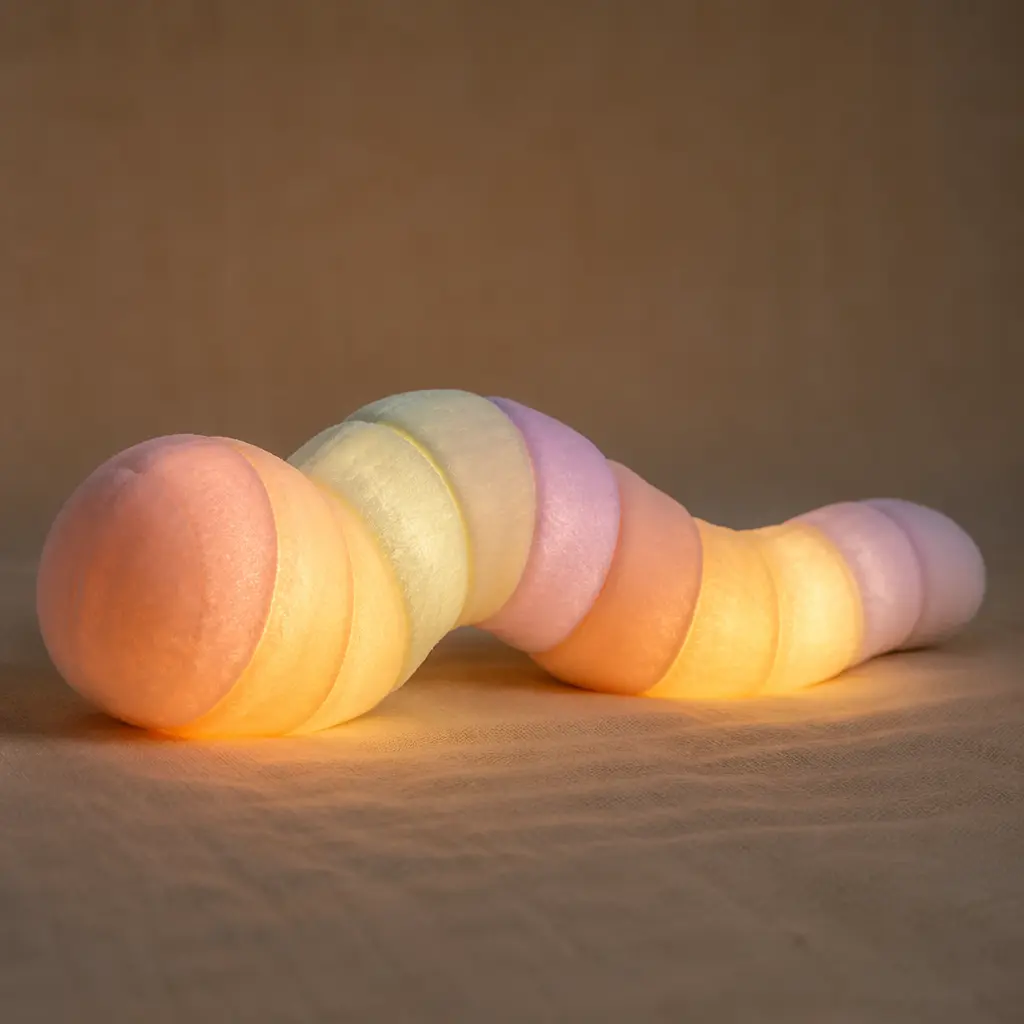
The original toy was simple by design. A plush worm with a friendly shape and a translucent tummy housed a low-wattage light powered by a small bulb. When hugged, the light slowly faded, mimicking the act of settling down. The toy wasn’t marketed as a sleep aid in modern terms, but parents quickly adopted it as one.
Why it works
Glo Worm succeeds because it combines three elements that matter to young children: softness, predictability, and control. The child decides when to squeeze it. The glow is gentle rather than stimulating. And the effect is always the same, night after night.
Unlike toys that entertain, Glo Worm supports a routine. It becomes part of the process of winding down, reinforcing cues that it’s time to sleep. That reliability is what helped it endure long after more complex toys were forgotten.
- Soft plush body designed for hugging
- Warm, low-level light that fades gradually
- Simple interaction with no sounds or screens
- Durable construction for nightly use
Who it's for
Glo Worm has traditionally been aimed at toddlers and preschoolers, roughly ages one to four, though many children keep it longer as a comfort object. It also has strong appeal for adults who grew up with one and now seek a familiar bedtime tool for their own children. As a gift, it often carries as much nostalgia for the giver as comfort for the child.
Variants and what to look for today
Over the decades, Glo Worm has appeared in multiple versions. Some later editions introduced brighter colors, removable light modules, or gentle sounds. While these updates added flexibility, the core idea remained the same: a plush companion that offers light without stimulation.
When shopping today, parents will find both brand-name versions and generic glow plush toys inspired by the original concept. Look for soft fabrics, securely enclosed light units, and easy battery access for adults. Be cautious with overly bright LEDs or toys that add music, as these can undermine the calming effect that made the original so effective.
Frequently asked questions
Does the light stay on all night?
Traditionally, the light fades out after a short period. This prevents the toy from acting as a nightlight and encourages children to fall asleep without constant illumination.
Is it safe for babies?
Most versions are intended for toddlers rather than newborns. Parents should always check age recommendations and ensure there are no loose parts or accessible battery compartments.
Why not just use a nightlight?
A nightlight illuminates a room, while Glo Worm responds to touch. That interaction helps children feel involved in the bedtime process rather than passive.
Why do adults feel so attached to it?
Because it was used nightly, Glo Worm became part of routine rather than play. That repetition makes it especially memorable, tied closely to feelings of safety and care.
Glo Worm’s lasting legacy isn’t about innovation or collectability. It’s about comfort. In a market crowded with features and noise, it proved that sometimes the most enduring toys are the quiet ones that simply help children feel safe enough to sleep.