LCD Writing Tablets: The quiet end of the scrap‑paper pile
Thin, battery‑powered writing tablets have slipped into homes and classrooms, replacing sticky notes and scrap pads with a tap‑to‑erase screen that feels oddly like magic.
Compare prices and availability
Check current prices and availability for this guide on eBay.
As an eBay Partner, we may be compensated if you make a purchase.
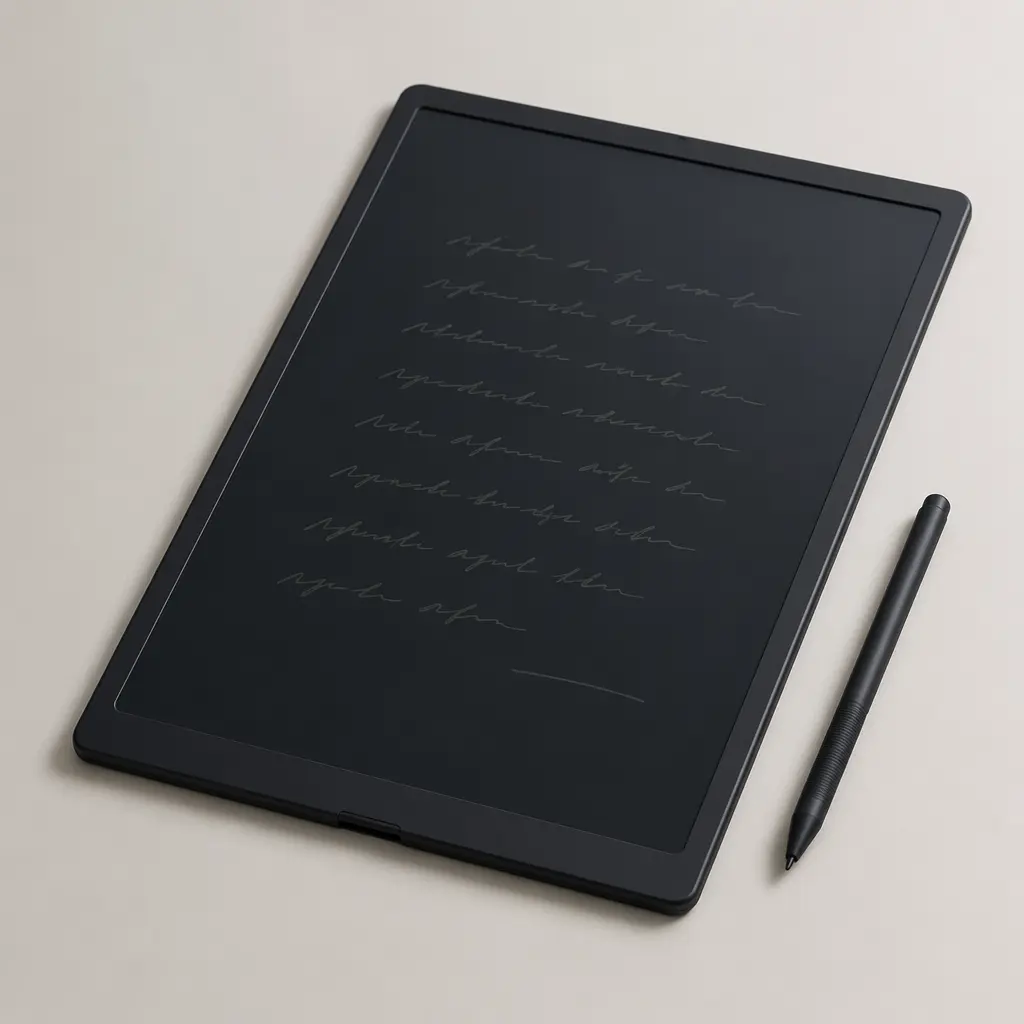
LCD writing tablets are one of those modern toys that rarely announce themselves. They don’t blink, buzz, or connect to Wi‑Fi. Yet they’ve quietly taken over kitchen counters, backpacks, and car seats, soaking up doodles, spelling practice, and to‑do lists that once lived on scrap paper. With a pressure‑sensitive screen and a single erase button, they offer something surprisingly rare in children’s tech: instant play without noise, clutter, or fuss.
Where it came from
The technology behind LCD writing tablets isn’t new. Pressure‑sensitive liquid crystal displays have existed for decades, originally used in industrial note pads and niche professional tools. What changed in the 2010s was cost and scale. As components became cheaper and thinner, manufacturers realised the same tech could be packaged as a child‑friendly sketch board.
Unlike early electronic toys that tried to mimic computers, these tablets leaned into simplicity. No menus, no apps, no learning curve. A stylus leaves a bright line on a dark screen, and a button clears it instantly. That restraint helped them spread quickly through classrooms, homes, and travel bags, especially as parents looked for low‑mess, low‑noise activities.
Why it works
At heart, an LCD writing tablet succeeds because it removes friction. Kids can draw the moment inspiration strikes, without finding paper or sharpening pencils. Adults can jot notes or diagrams just as quickly. The screen feels tactile, closer to pen on paper than glass, and the instant erase keeps play moving.
- Pressure‑sensitive screen that responds to light touch
- One‑button erase that clears the whole surface instantly
- Ultra‑thin, lightweight design that fits bags easily
- Long battery life, often lasting months or years
- No ink, no paper, and no permanent marks
There’s also an environmental angle that resonates with parents. While these tablets are still electronic devices, they dramatically reduce disposable paper use for everyday scribbling. For many families, that small shift adds up.
Who it’s for
LCD writing tablets are usually marketed for children aged three and up, but their appeal is broader. Preschoolers enjoy free drawing, school‑age kids use them for spelling practice or maths working‑out, and adults keep them by the door for reminders. They’re especially popular with parents seeking a screen‑free activity that still feels modern.
Variants and what to look for today
Today’s LCD writing tablets come in a range of sizes, from small memo pads to near‑A4 boards. Some include colour‑tinted screens that show multicoloured lines, while others stick to classic green or blue on black. A few add extras like lock switches to prevent accidental erasing or magnetic backs for fridge notes.
When choosing one, pay attention to build quality rather than gimmicks. A sturdy frame, responsive screen, and a securely attached stylus matter more than novelty shapes. Be cautious of very cheap versions with dim screens or flimsy erase buttons, which can frustrate children and shorten the toy’s lifespan.
Frequently asked questions
LCD writing tablets aren’t flashy, and that’s the point. By doing one thing well—capturing fleeting ideas without waste—they’ve earned a permanent place in modern family life. In a world of noisy toys and glowing screens, their quiet usefulness feels almost radical.